

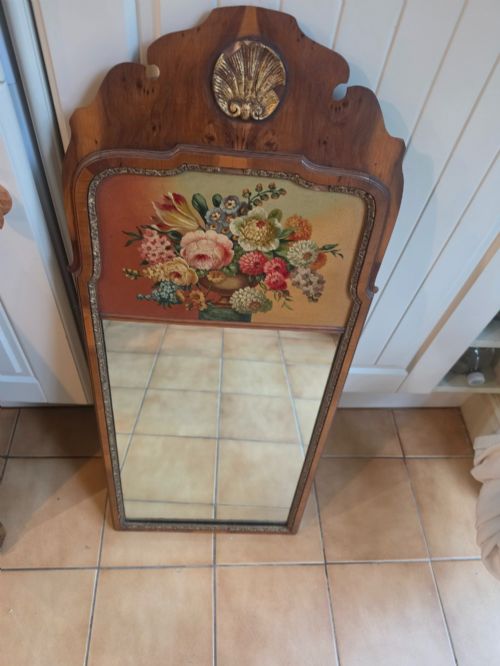
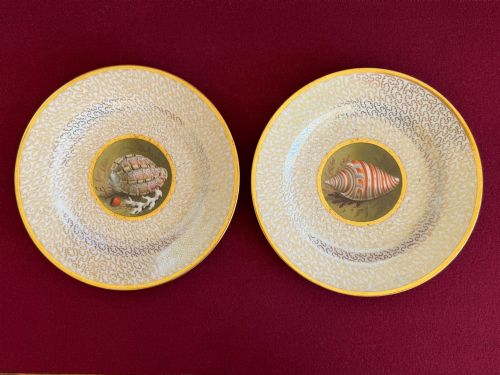
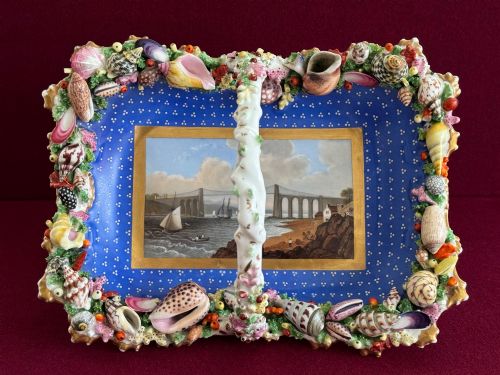
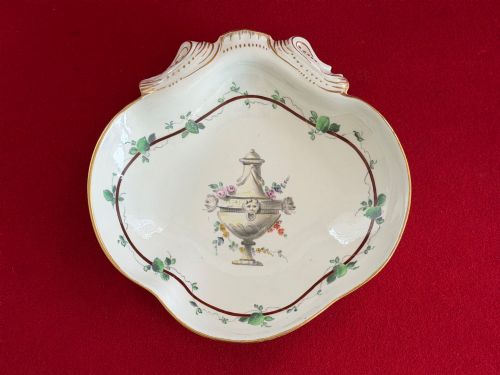
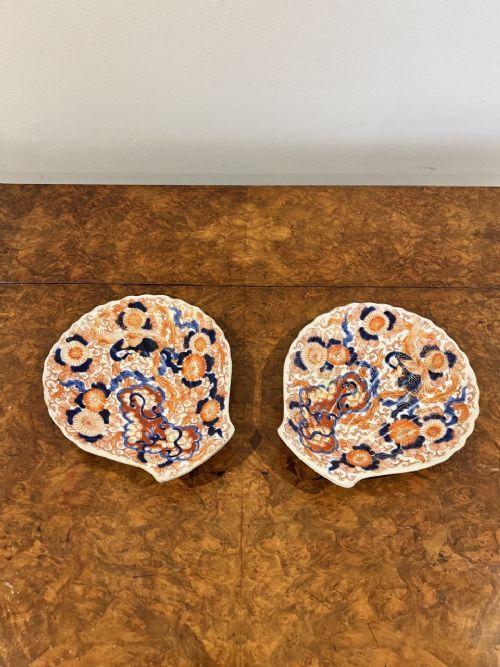


Antique Painted Shell
These antique painted shell pieces unite natural marine forms with delicate hand-applied pigments across several centuries.
Antique Painted Shell
An antique painted shell encompasses marine specimens embellished with pigment, alongside ceramic dishes moulded directly into scallop or shell shapes.
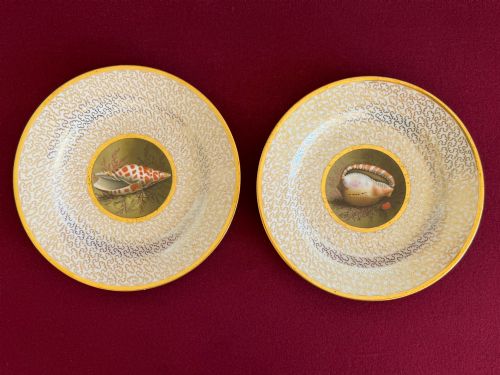
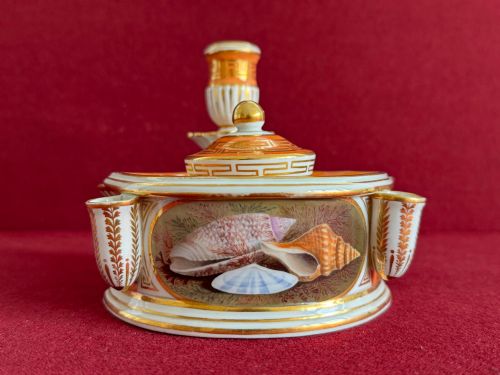
Buyers will encounter items ranging from Georgian porcelain dessert dishes and Japanese Imari plates to nineteenth-century English folk art dioramas featuring real shells.
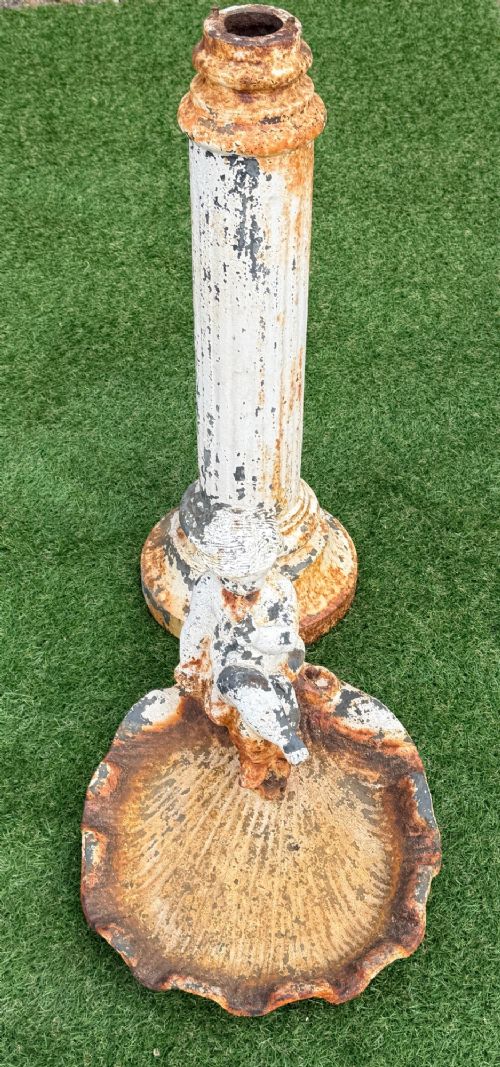
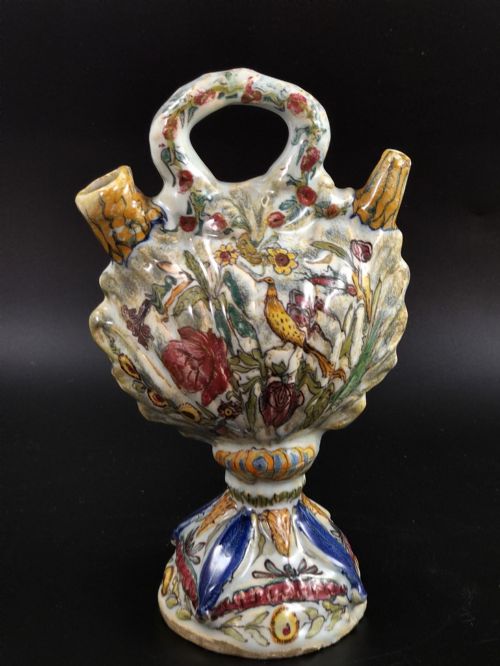
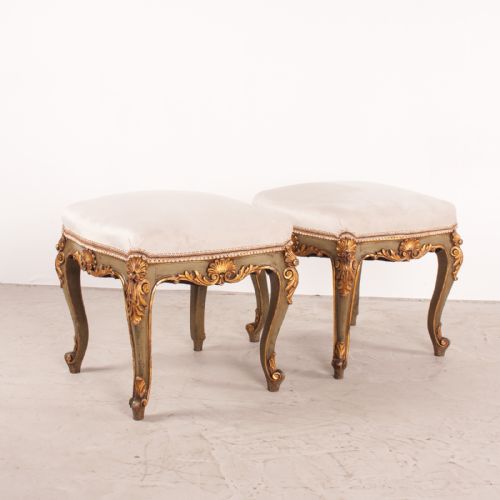
The category spans diverse decorative objects including porcelain comports, majolica pilgrim flasks, and figural stands from the eighteenth, nineteenth, and early twentieth centuries.
Materials and production methods
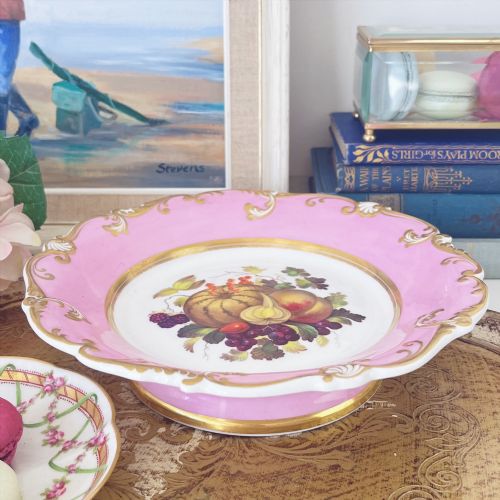
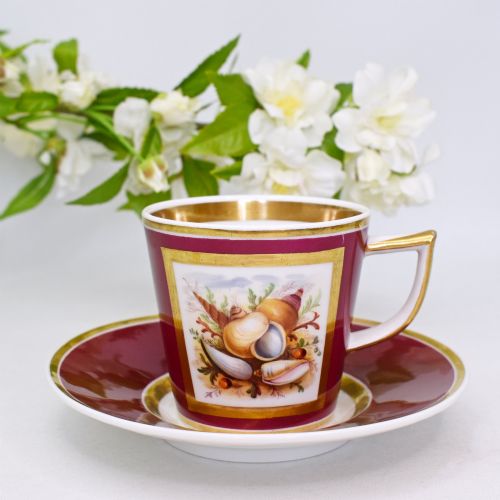
Porcelain and ceramic pieces rely on hand-painted glazes, often incorporating gilt edges, floral sprays, and naturalistic fruit motifs applied in factory studios.
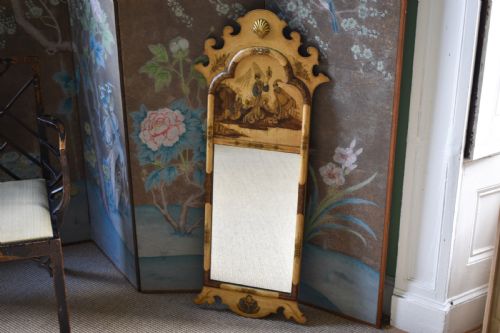
Folk art dioramas utilise natural shells arranged within glass cases, while other decorative items combine cast iron, painted wood, and oil on canvas.
Antique Painted Shell Retail Price Guide 2026
Typical asking prices for painted shell among the pieces listed under this phrase on Sellingantiques today, from the lower quarter to the upper quarter. They describe what is for sale here now, not the wider market.
A young girl and her brother sit attentively at a table with an open book and a tiger cowrie shell in an eighteenth-century oil painting.
Assessing craftsmanship and finish
Superior examples display precise, delicate brushwork in the hand-painted details and well-preserved gilding without rubbing.
The crispness of the moulded ceramic form or the intricate arrangement of natural elements in folk art dictates the overall standard.
James Giles·Barr Flight and Barr·Chamberlain Worcester·H and R Daniel·Royal Worcester·Rockingham·Yates Leeds·Gillows
The Antique Painted Shell Glossary
- Comport
- A decorative footed dish or tazza used for serving fruit or sweets at dessert. They frequently appear in porcelain with painted floral designs.
- Imari
- A style of Japanese export porcelain decorated in underglaze blue and iron red, often supplemented with gold. These pieces commonly adopt shell motifs.
- Majolica
- A type of earthenware glazed with tin opacified lead glaze, notable for rich colours. It frequently forms shaped flasks and panels.
- Diorama
- A three-dimensional scene enclosed in a glass-fronted case. Folk art examples incorporate gathered shells and natural specimens.
- Gilt
- Covered thinly with gold leaf or gold paint. This finish highlights rims and decorative borders on ceramic and wooden objects.
Antique Painted Shell: Frequently Asked Questions
What periods do these pieces come from?
The selection spans from the eighteenth century through the Georgian, Regency, and Victorian eras, extending into the early twentieth century.
Items reflect the specific decorative tastes of these periods, from hand-painted porcelain services to folk art dioramas.
How were ceramic shell dishes used?
Ceramic dishes shaped like shells served as dessert plates, comports, and sauce boats on formal dining tables.
They allowed hosts to display wealth and refined taste through colourful painted fruits and botanical scenes.
Are all these items made from real shells?
Many pieces are actually ceramic or porcelain moulded into the exact shape of scallop shells and painted by hand.
Other items, particularly folk art pieces, incorporate genuine natural shells arranged carefully inside framed dioramas.
How do I care for antique painted surfaces?
Keep painted ceramics and delicate dioramas away from direct sunlight to prevent the pigments and gilt work from fading over time.
Dust them gently with a dry, soft brush and avoid using liquid cleaners on the hand-painted decorations.