
Antique Painted Portrait Miniature
An antique painted portrait miniature offers a personal glimpse into past lives through delicate brushwork on glass, paper or metal.
Antique Painted Portrait Miniature
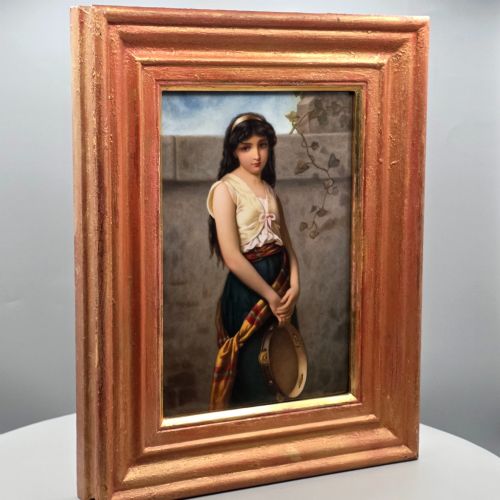
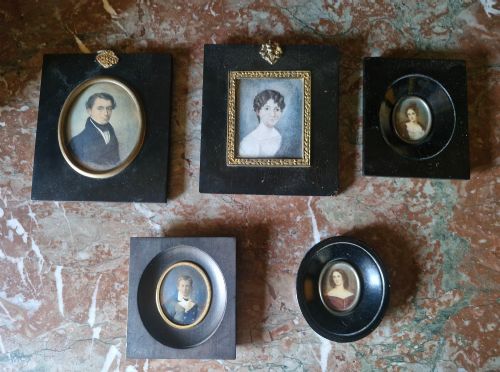
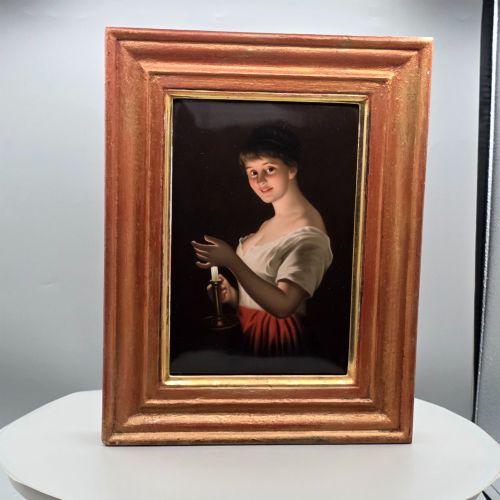
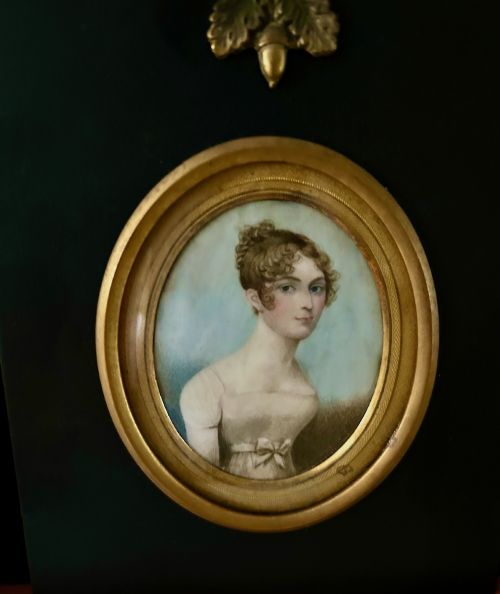
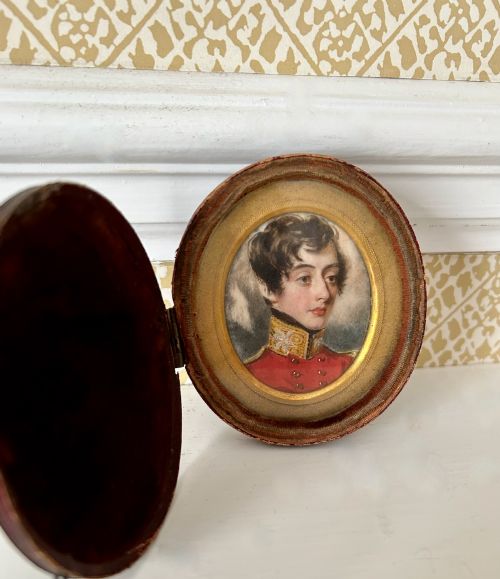
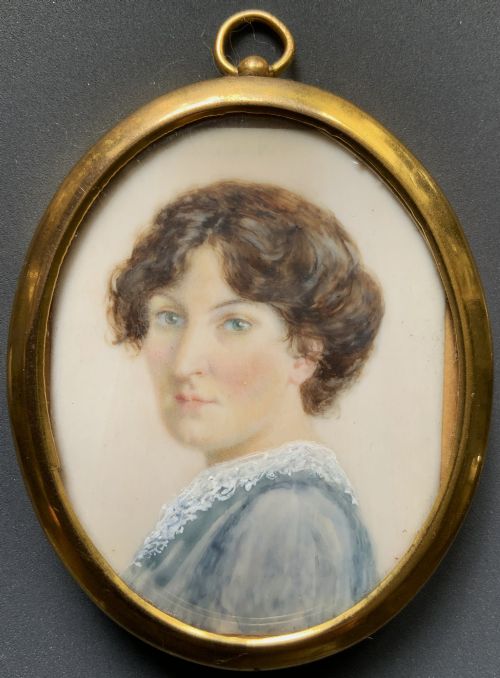
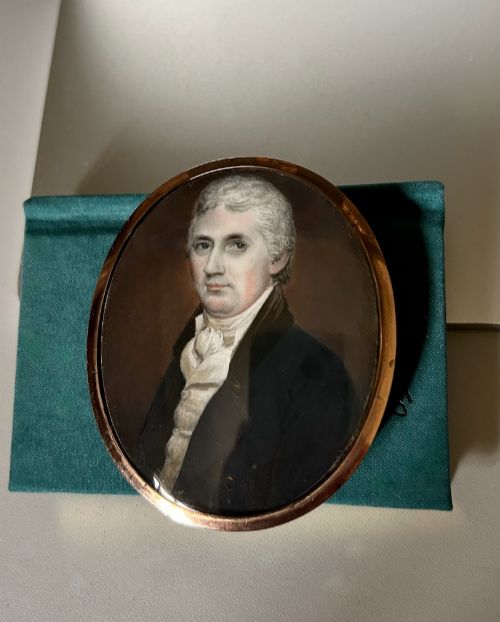
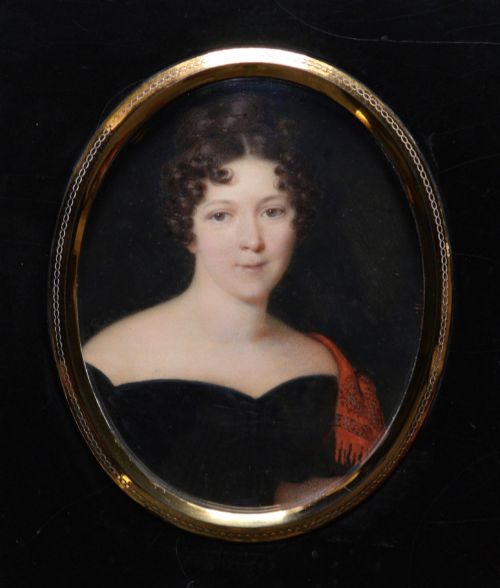
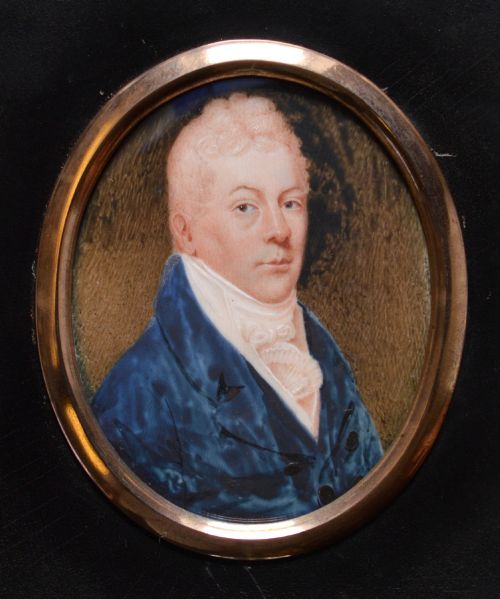
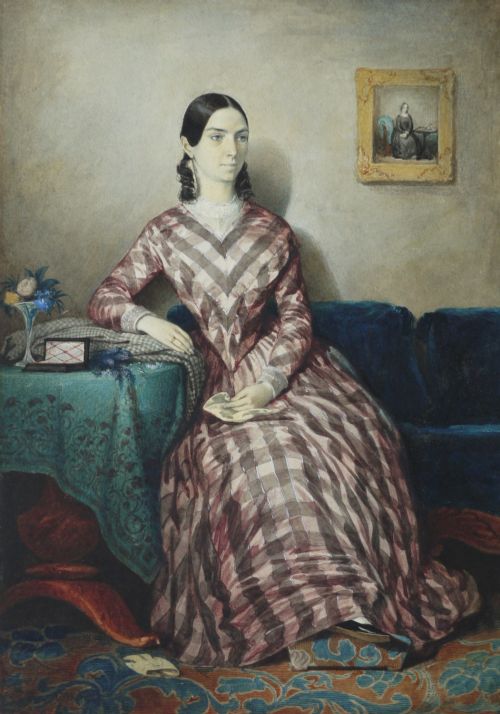
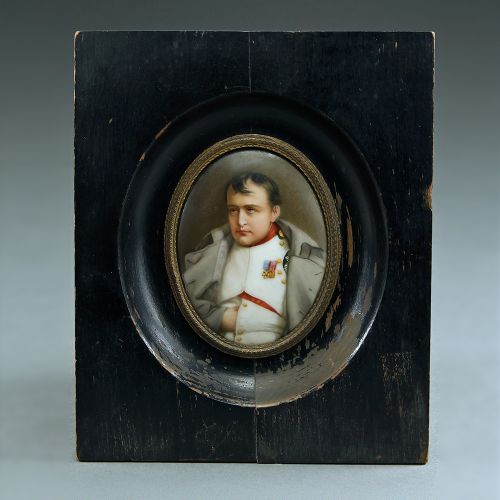
An antique painted portrait miniature represents small-scale likenesses produced across the eighteenth and nineteenth centuries, spanning Georgian, Regency and Victorian periods.
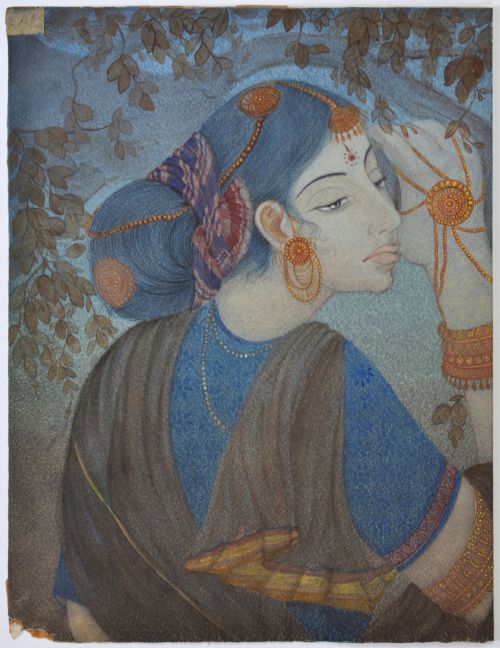
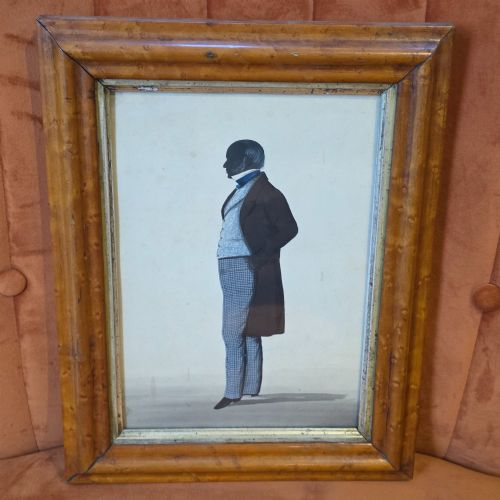
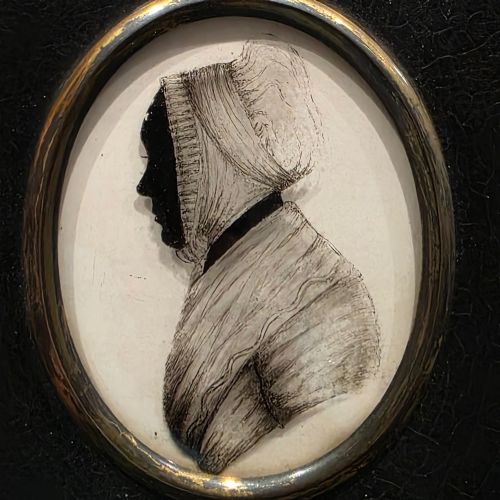
Collectors frequently encounter watercolour paintings on paper or glass, alongside enamel plaques and silhouettes housed in frames, brooches and pendants.
Subjects range from British School officers and country girls to named nobility and foreign emperors, often created as love tokens or keepsakes.
Materials and technique
Artists painted these works using watercolour, gouache and enamel upon surfaces such as paper, glass and bone.
Several tiny portraits spent centuries hiding inside jewellery rings as secret tokens of affection.
Judging quality
Quality rests upon the precision of the facial likeness and the delicacy of the brushwork handling.
The integrity of the original frame, whether gilt metal, ebonised wood or jewellery mount, elevates the piece.
Henri Fradelle·Henry Bone·Thomas John Horsley·Horace Hone·Charles Shirreff·Richard Cosway·John Miers·John C D Engleheart·Frederick Buck·Karl Joseph Stieler
The Antique Painted Portrait Miniature Glossary
- Silhouette
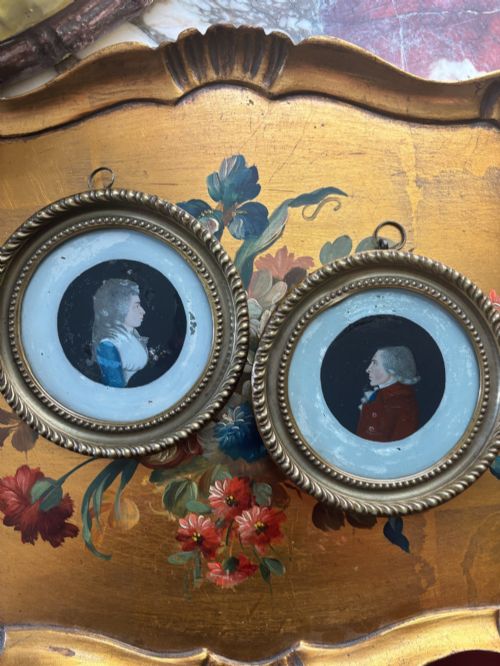
- A solid profile portrait, often cut from paper or painted in black with highlighted details in gold leaf.
- Enamel
- A durable coloured glassy substance fused to a metal plate through firing, seen on several eighteenth-century plaques.
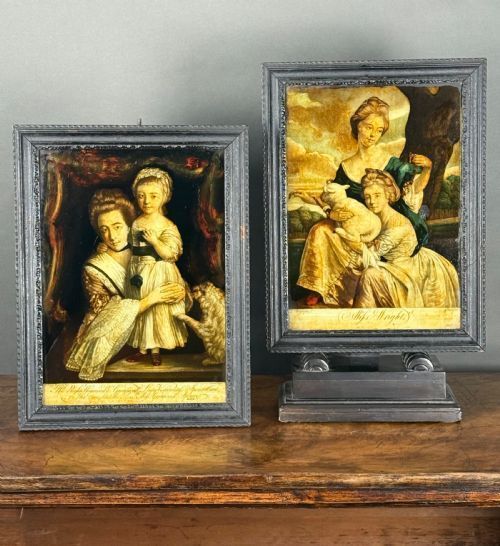
- Verre eglomise
- A traditional process of cold painting and gilding on the reverse side of glass.
- Locket
- A small ornamental case worn on a necklace or as a brooch, frequently containing a miniature painting.
Antique Painted Portrait Miniature: Frequently Asked Questions
How were portrait miniatures worn?
Many examples were set into brooches, rings and pendants to be worn close to the heart as sentimental love tokens.
Others remained in simple wooden or gilt frames designed to stand on a desk or hang upon a wall.
What materials did artists use?
Makers relied primarily on watercolour and gouache applied to paper or glass, alongside enamel fired onto metal plaques.
Mountings commonly utilised gold, gilt metal, brass and wood, sometimes accented with seed pearls.
How do I date a miniature?
Stylistic clues within the sitter's costume and hair, combined with the period framing methods, help narrow the timeframe.
Signatures or contemporary inscriptions on the reverse also point toward specific Georgian or Victorian decades.
Are silhouettes considered miniatures?
Profile portraits cut from paper or reverse-painted on glass are closely grouped with miniatures from the same eras.
These pieces share the same domestic scale and intimate framing styles as painted works.