


Antique Painted Pewter
These antique painted pewter pieces bring centuries of folk art and domestic craft into a room, offering rich colour and historic character.
Antique Painted Pewter
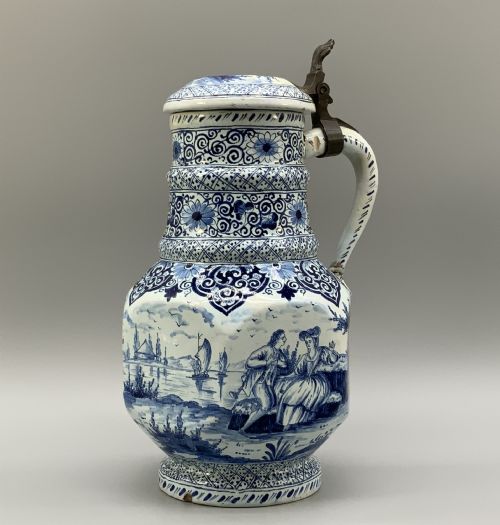
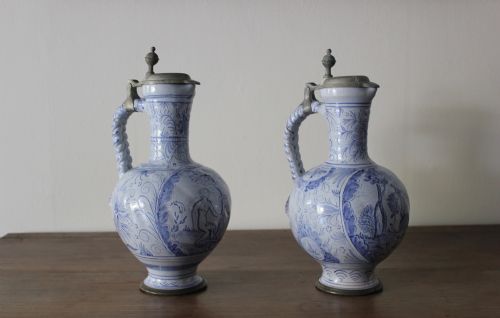
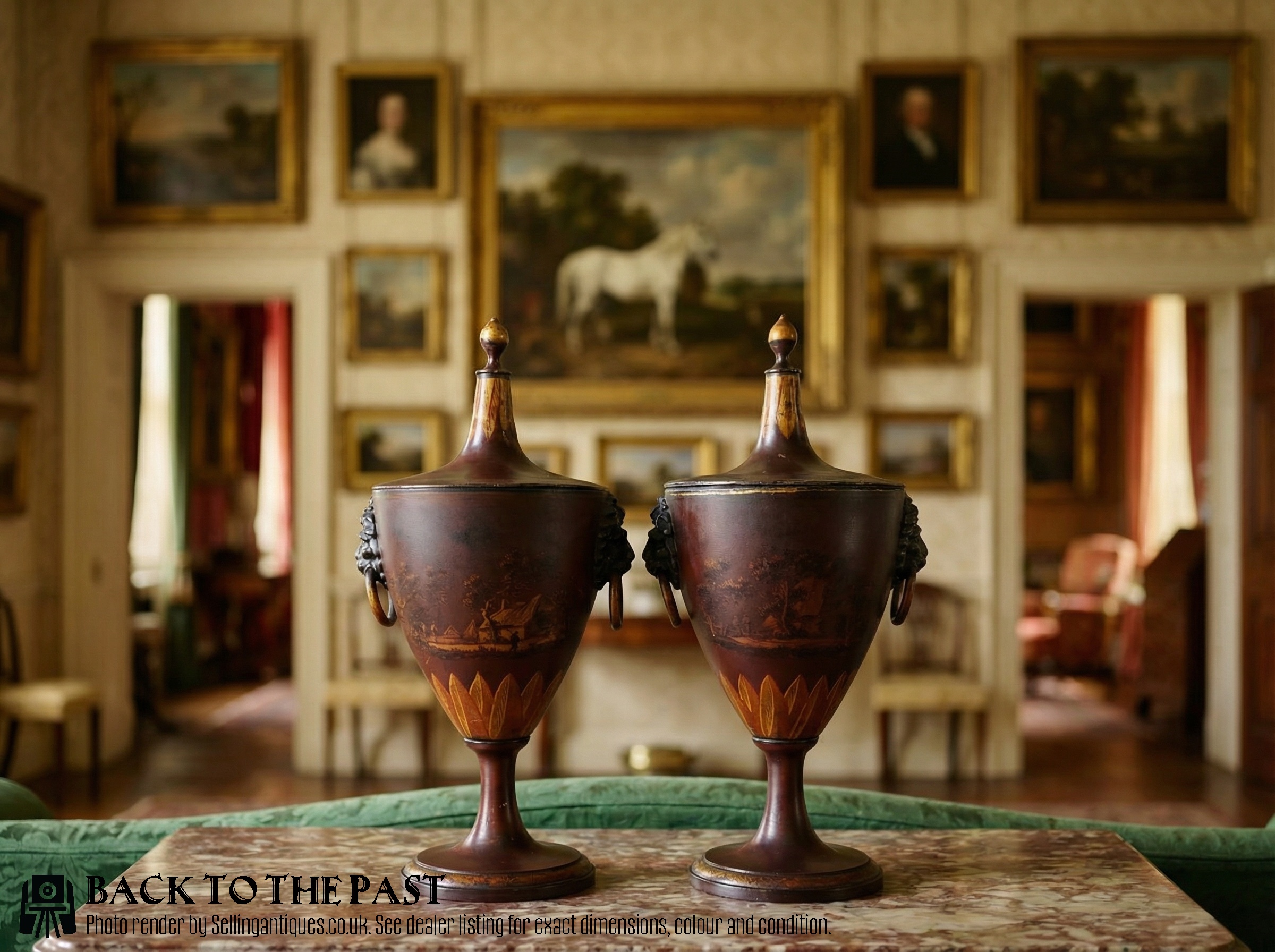
When you search for antique painted pewter, you find items spanning centuries of European craftsmanship, though the selection includes related regional vessels and decorative objects from the seventeenth century onwards. These pieces range from neo-classical chestnut urns to framed watercolours, reflecting diverse domestic uses across Britain and continental Europe.
You are most likely to encounter eighteenth-century forms alongside nineteenth-century decorative items, such as japanned chestnut urns or framed paintings. The variety covers everything from folk art wall racks to delicate glassware and pottery, giving you a broad view of historical material culture.
How they were made
The objects combine patinated metalwork with enamel, tin glaze, and oil paint, showing how makers applied surface decoration to hard materials. Craftsmen utilised traditional techniques like japanning on metal surfaces to achieve durable, glossy finishes.
Makers also worked extensively with earthenware, glass, and canvas, applying polychrome enamels and watercolours by hand. These varied substrates demonstrate the broad material vocabulary available to period artisans.
A painted spoon rack hangs quietly on the wall, holding fast to centuries of domestic routine.
What varies in quality
Quality depends on the crispness of the hand-painted details and the preservation of the original surface finishes, whether enamel, japanning, or glaze. Pieces with intact, vibrant polychrome decoration stand apart from those with worn or faded surfaces.
The refinement of the underlying form also dictates the tier of the piece, distinguishing rustic folk art creations from formally designed neo-classical items. Stronger proportions and careful execution in both the metalwork and the applied art indicate superior craftsmanship.
The Antique Painted Pewter Glossary
- Japanning
- A type of European finish that emulates Asian lacquer work by applying layers of varnish and heat-cured paints. It appears frequently on metal and wooden objects from the Georgian and Victorian periods.
- Polychrome
- Decorated in multiple colours. This term describes ceramics, glass, and metalwork that feature varied painted palettes rather than a single monochrome glaze.
- Ewers
- Large jugs with wide spouts used historically for pouring water or wine. They often served decorative roles on sideboards and in grand dining rooms.
- Spoon rack
- A wall-mounted wooden or metal rack designed to display domestic spoons. These pieces formed a standard part of traditional kitchen furnishings in Dutch and German households.
- Aesthetic movement
- A late nineteenth-century design ethos prioritising visual beauty over narrative or moral content. It influenced frames, paintings, and decorative arts across Europe.
Antique Painted Pewter: Frequently Asked Questions
What is antique painted pewter?
Antique painted pewter encompasses historic metal vessels and decorative objects finished with applied colours, japanning, or enamels. These items reflect traditional domestic and decorative arts from across Europe.
Collectors prize them for their surviving surface decoration and the glimpse they provide into historical interior styling. The category often intersects with related folk art materials from the seventeenth to the nineteenth centuries.
How were these pieces used?
Many of these items served practical household functions, such as holding liquids, storing dining implements, or displaying watercolours. Others acted purely as decorative ornaments within domestic spaces.
Over time, objects like chestnut urns and wall racks transitioned from active service to display pieces. Their dual nature of utility and artistry makes them versatile additions to historic interiors.
How do I date antique painted pieces?
Dating relies on stylistic markers, material composition, and the specific methods used for surface decoration. Neo-classical designs, japanning techniques, and enamel palettes each correspond to distinct periods.
Comparing a piece's construction to documented examples from the seventeenth, eighteenth, and nineteenth centuries helps establish its origin. Examining the wear patterns on the painted surfaces also offers clues to its age.
How do I care for painted metal?
Preserving painted metal requires keeping pieces away from direct sunlight and excessive moisture to protect the delicate finishes. Gentle dusting with a soft cloth prevents dirt accumulation without risking the surface.
Avoid using metal polishes or harsh chemical cleaners on the painted areas, as these substances strip historical pigments. Stable indoor humidity ensures the underlying metal and surface decoration remain secure.