

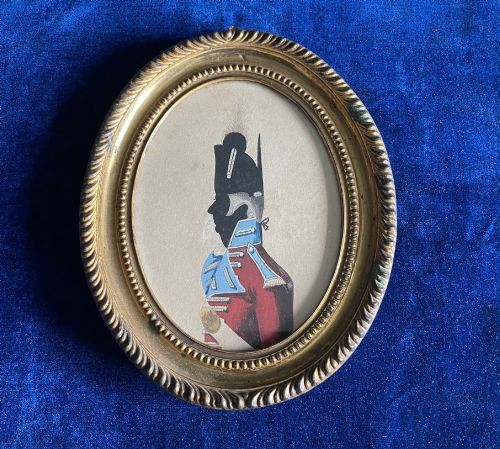


Antique Oval Silhouette Frame
An antique oval silhouette frame houses delicate profile likenesses from the Georgian, Regency, and Victorian eras, bringing intimate human history to a wall.
Antique Oval Silhouette Frame
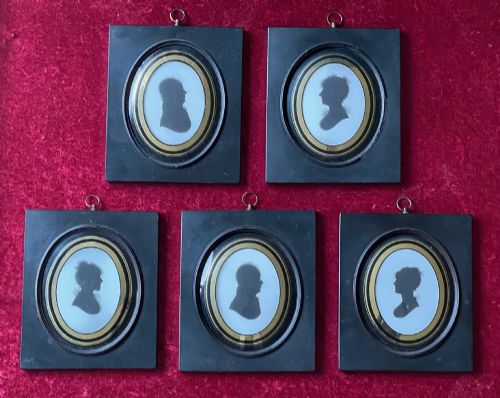
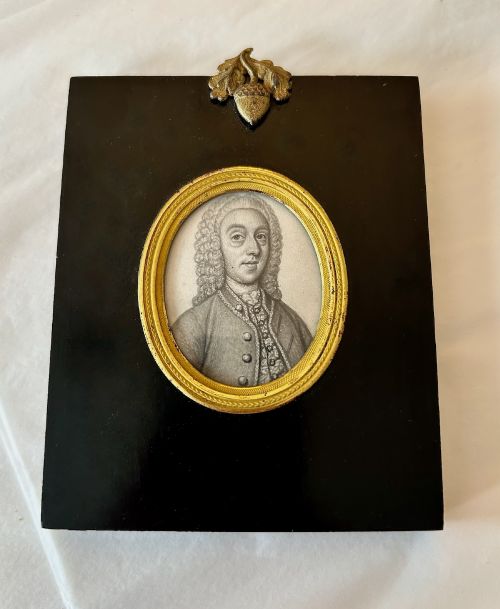
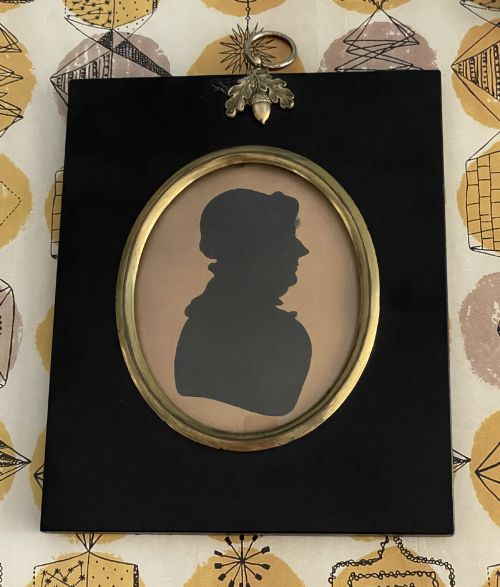
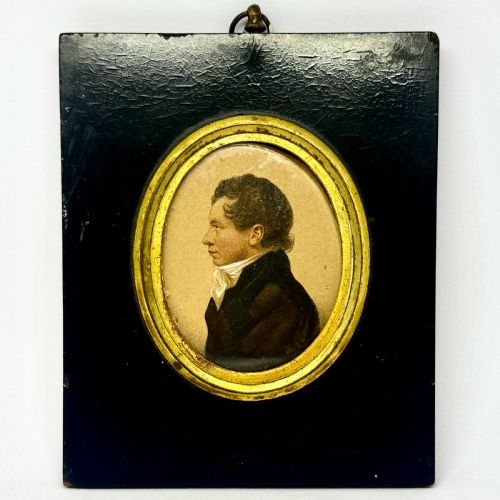
When searching for an antique oval silhouette frame, a buyer is looking at portrait miniatures and framed wall art spanning the eighteenth and nineteenth centuries. These pieces present profiles of ladies, gentlemen, and children captured through cut paper, ink, or paint.
The versions most likely to be met on this page include Georgian and Regency examples, often featuring ebonised wood or gilded surrounds. Many encase paper, glass, or plaster works created by notable profile artists of the period.
The forms range from simple wall-hung portraits to elaborate painted silhouettes with detailed attire such as turban caps. Each piece preserves a distinct likeness from a time before photography recorded every face.
Materials and construction
The construction relies on traditional timber framing, frequently utilising ebonised wood or polished brass to enclose the fragile artwork. Gold leaf accents often highlight the inner bezels, drawing the eye directly to the dark profile within.
Inside the protective glazing, the portraits utilise paper, card, or plaster as a base. Artists applied ink and paint directly onto these surfaces or reverse-painted the glass, creating permanent monochrome images that have survived across centuries.
Antique Oval Silhouette Frame Retail Price Guide 2026
Typical asking prices for oval silhouette frame among the pieces listed under this phrase on Sellingantiques today, from the lower quarter to the upper quarter. They describe what is for sale here now, not the wider market.
A few sitters wear remarkably tall turban caps, proving that eighteenth-century fashion could be just as baffling as today's trends.
Markers of quality
The craftsmanship of the housing itself also dictates the standard, with heavy brass mounts, solid wood surrounds, and original convex glass showing superior provenance. Intact original backing papers and legible signature inscriptions further elevate the standing of the piece.
George Atkinson·James Gillespie·John Miers·John Smith of Edinburgh·Nathaniel Bermingham
The Antique Oval Silhouette Frame Glossary
- Silhouette
- A solid shape of a person's profile, usually filled in with black ink or cut from dark paper. These portraits offer a direct glimpse into historical appearance.
- Reverse painting
- A technique where an artist paints directly onto the underside of glass so the image is viewed through the clean surface above. This method protects the pigment from dust and damage.
- Ebonised wood
- Timber treated and polished to resemble genuine ebony, providing a deep black finish. It is frequently found on Regency and Victorian picture frames.
- Plaster
- A fine composite material used as a solid white ground for some profile portraits. Artists mounted dark paper or painted directly onto these moulded plaques.
Antique Oval Silhouette Frame: Frequently Asked Questions
How do I date an antique silhouette frame?
Dating relies heavily on the clothing styles, hairstyles, and framing materials visible in the piece. Georgian and Regency examples often feature distinct bonnet shapes, high waistlines, or specific ebonised wood profiles.
Examining the reverse of the frame can also reveal old trade labels, handwritten ink inscriptions, or early paper backings that confirm the period of production.
What materials make up the picture frames?
These frames are predominantly constructed from wood, particularly ebonised varieties that provide a stark contrast to the light wall. Many incorporate fine brassbezels, gilded metal ornaments, and convex glass covers.
The combination of dark wood and metallic trim was designed to enhance the miniature portrait without overpowering the delicate paper or plaster artwork inside.
How should I hang these framed portraits at home?
These pieces suit small wall spaces, narrow alcoves, or gallery arrangements alongside other period artworks. Because sunlight can fade old paper and ink over time, position them away from direct, strong illumination.
Maintaining stable indoor humidity also helps preserve the original timber frame and the fragile materials housed within.