



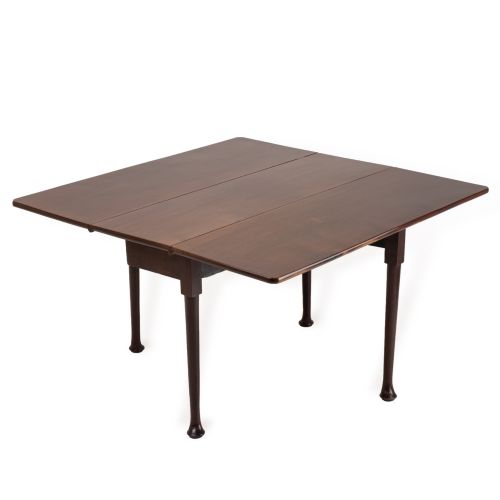


Antique Oval Extension Table
An antique oval extension table brings period character and flexible dining capacity to a room.
Antique Oval Extension Table
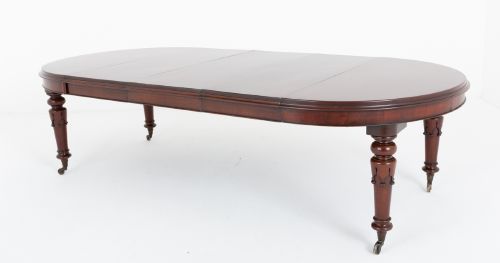
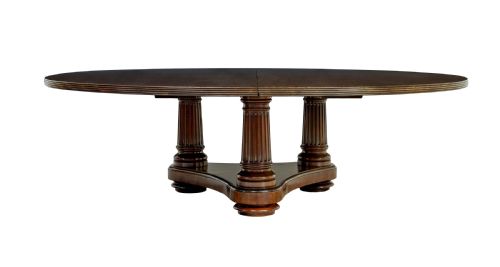
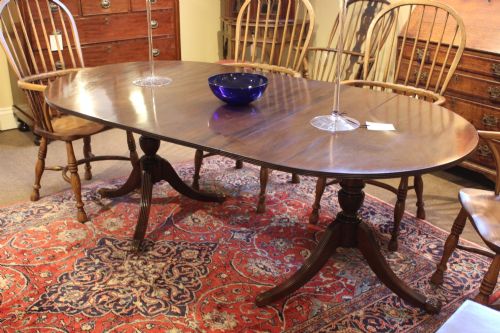
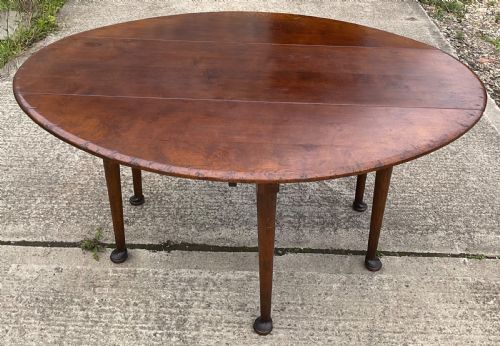
An antique oval extension table is a dining piece designed to expand for larger gatherings while maintaining a graceful curved profile when closed. When searching for this form, buyers encounter designs spanning the seventeenth century through to the mid-twentieth century, encompassing drop-leaf gatelegs and pillar-supported extending formats.
The materials on this page reflect centuries of cabinet-making traditions, dominated by rich timbers such as mahogany and oak alongside burr walnut and satinwood. Styles range from restrained Georgian and Regency proportions to robust Victorian and Edwardian interpretations, as well as revival pieces.
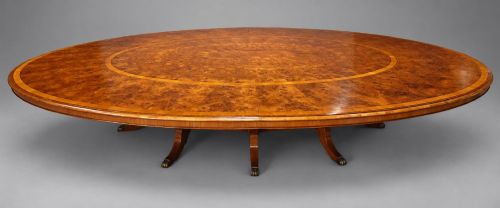
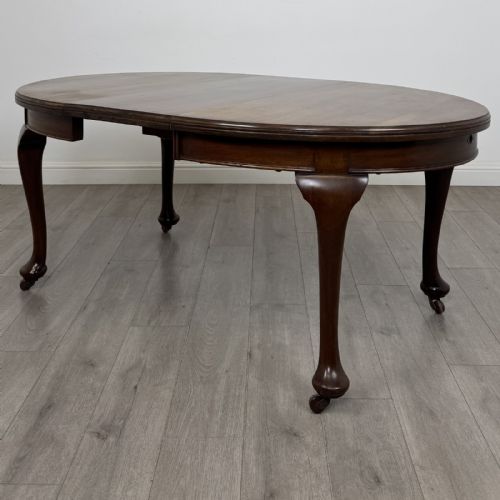
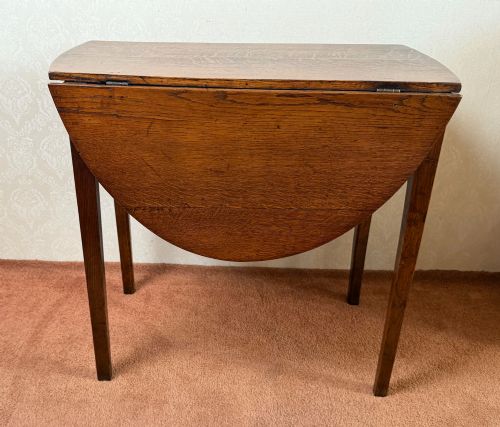
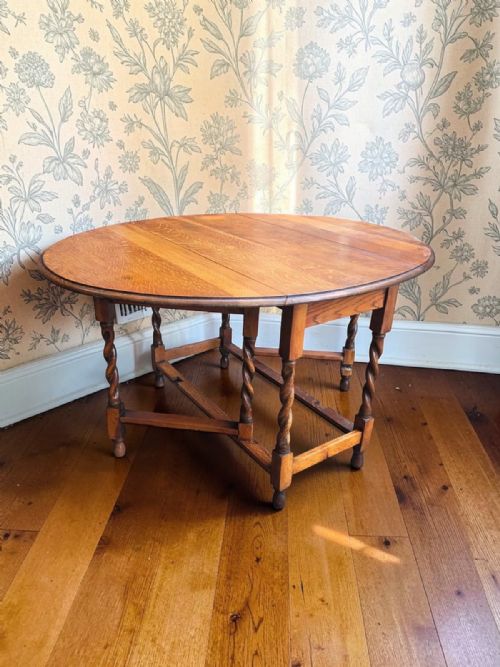
The most common formats met here are twin-pillar extending dining tables and drop-leaf gateleg tables with barley twist or turned supports. These variations provide either mechanical leaf-insertion systems or folding flaps to accommodate different room sizes and seating needs.
How they were made
Cabinet-makers constructed these tables using solid hardwoods such as mahogany and oak, often selecting finely figured timbers for visible top surfaces. Structural stability was achieved through substantial framework, including gateleg actions with hinged flaps or robust pillar and pedestal bases.
Joinery techniques relied on traditional methods like mortise and tenon joints to withstand the physical demands of daily dining use and extension mechanisms. Brass fittings frequently reinforced drop-leaf hinges, castor wheels on pillar bases, and mechanical winding systems for extending leaves.
Antique Oval Extension Table Retail Price Guide 2026
Typical asking prices for oval extension table among the pieces listed under this phrase on Sellingantiques today, from the lower quarter to the upper quarter. They describe what is for sale here now, not the wider market.
Materials recorded across the available pieces include mahogany, oak, burr walnut, satinwood, and brass.
What varies in quality
The grade of timber selection largely dictates the visual appeal, with premium examples displaying exceptional grain patterns, such as burr walnut or highly figured mahogany, across the entire top surface. Finer pieces demonstrate superior joinery precision, ensuring that extending leaves align seamlessly with the main table when opened.
The integrity of the structural mechanism, whether a smooth-running pillar track or a sturdy gateleg action, separates standard utility tables from exceptional collector pieces. Original brass hardware, well-preserved patination on the wood, and balanced proportions across all extended configurations also distinguish finer examples.
The Antique Oval Extension Table Glossary
- Drop leaf table
- A table with a fixed centre section and hinged flaps on either side that fold down when not in use. These flaps are supported by swing-out legs or gate actions.
- Gateleg table
- A table supported by leg frames that swing outward like a gate to hold up hinged drop leaves. This construction provides sturdy support for the extended top.
- Pillar and pedestal table
- A table where the top is supported by one or more central columns standing on a branched base. This design allows generous legroom around the perimeter of the dining area.
- Barley twist
- A decorative turning technique resembling a spiralling rope carved into furniture legs and supports. This detail frequently appears on oak tables from the seventeenth century and later revival periods.
- Extension table
- A dining table equipped with a mechanism or removable leaves to increase its overall length. Such pieces allow hosts to adapt seating capacity for different occasions.
Antique Oval Extension Table: Frequently Asked Questions
How do I extend an antique table?
Many pillar tables utilise a central winding mechanism operated by a removable handle, which separates the top to allow the insertion of additional leaves. Drop-leaf and gateleg versions simply require lifting the hinged flaps and swinging the supporting legs outward into position.
Ensuring the mechanism is clean and properly aligned prevents friction or jamming during operation. Gentle handling protects the historical timber and joining surfaces from unnecessary wear.
How do I clean and maintain the wood?
Routine maintenance involves dusting with a soft, dry cloth and occasionally applying quality beeswax to nourish the timber finish. Avoid placing tables near direct heat sources or strong sunlight, which can dry out the wood and cause fading.
Using placemats and coasters protects the polished surface from moisture rings and thermal shock. Careful placement preserves the historic patination developed over centuries of use.
How do I seat guests comfortably?
Consider the leg configuration of the table, as pillar bases offer more unobstructed perimeter space than traditional gateleg frames with multiple vertical supports. Measuring the room and allowing ample clearance for chairs to pull out ensures practical daily use.
Tables described as extending to seat larger groups typically require all designated leaves to be inserted. Reviewing the extended length helps determine appropriate seating arrangements for dinner parties.
How do I date an antique table?
Dating relies on examining construction methods, timber choices, hardware types, and stylistic indicators associated with specific periods like the Georgian or Victorian eras. Hand-cut joinery, specific turning styles, and the type of secondary woods used underneath provide reliable clues for origin.
Comparing structural details against established historical timelines helps narrow down the decade or movement of manufacture. Consulting the listed period markers on individual items offers further context for identification.