

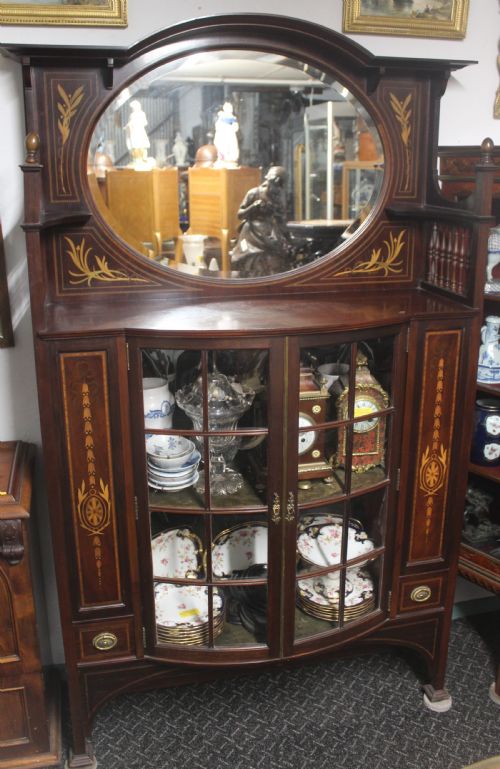
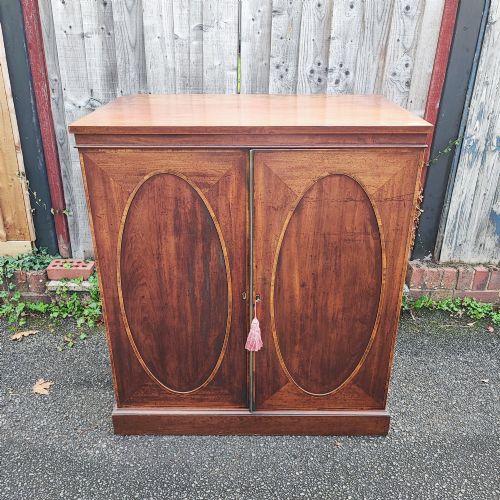
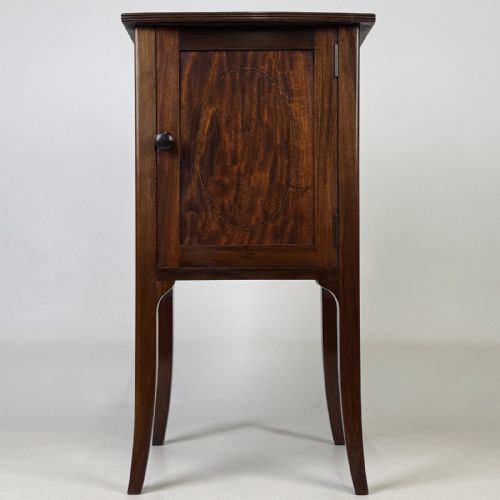
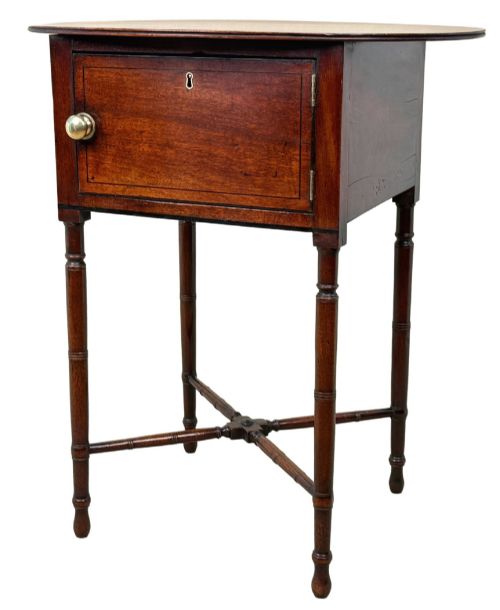


Antique Oval Cupboard
An antique oval cupboard brings distinct curved lines and figured timber into a room, offering practical storage with a softened silhouette.
Antique Oval Cupboard
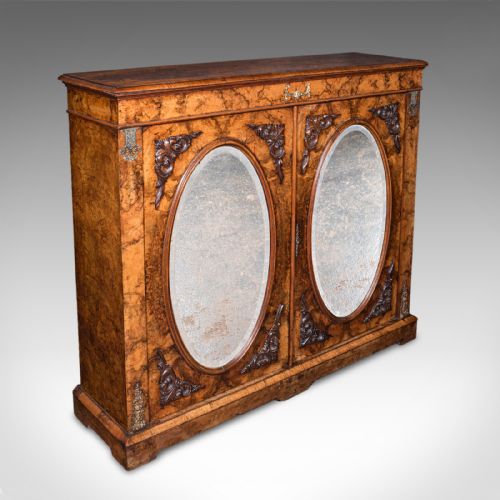
An antique oval cupboard is an enclosed storage piece defined by its curved footprint, though the listings here encompass related forms such as bedside cabinets, commodes, and night tables from the 17th century through the Edwardian period. Buyers searching this phrase encounter case furniture built from walnut, mahogany, and painted hardwoods, often incorporating panel doors or marble tops.
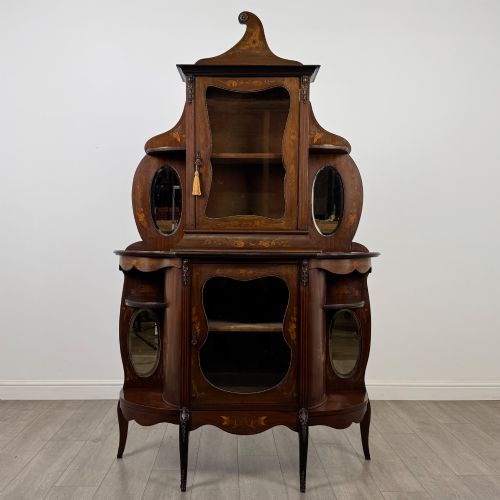
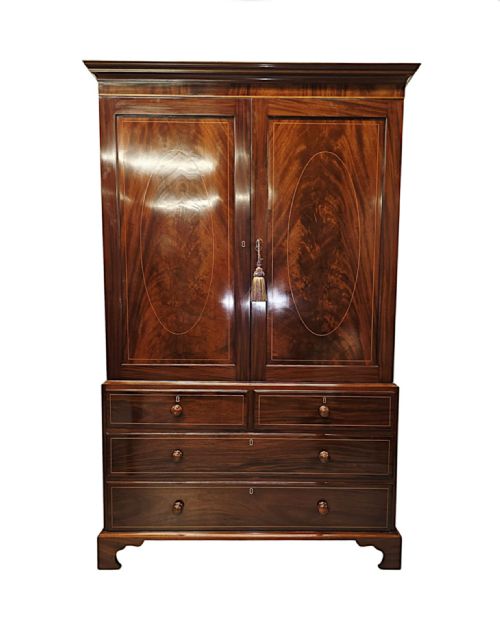
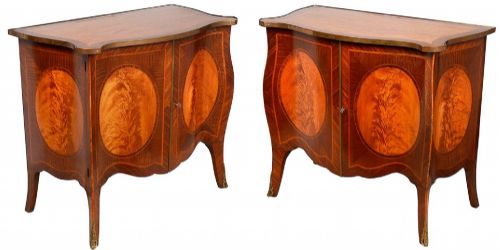
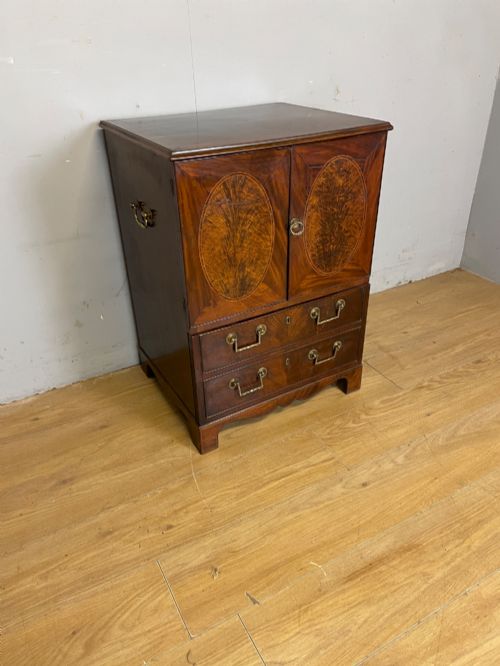
The selection ranges from George III gentleman's presses and Georgian linen presses to French bedside tables and Victorian display cabinets, showing how cabinetmakers adapted the curved format for bedrooms and reception rooms. While some pieces feature strict geometry, others adopt serpentine or demi-lune profiles that create a similar rounded presence in an interior.
Materials and construction methods
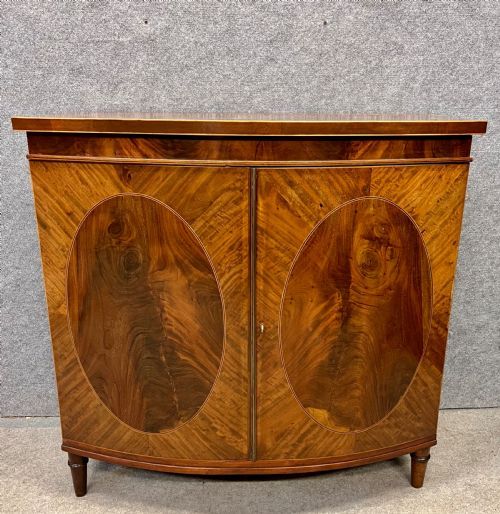
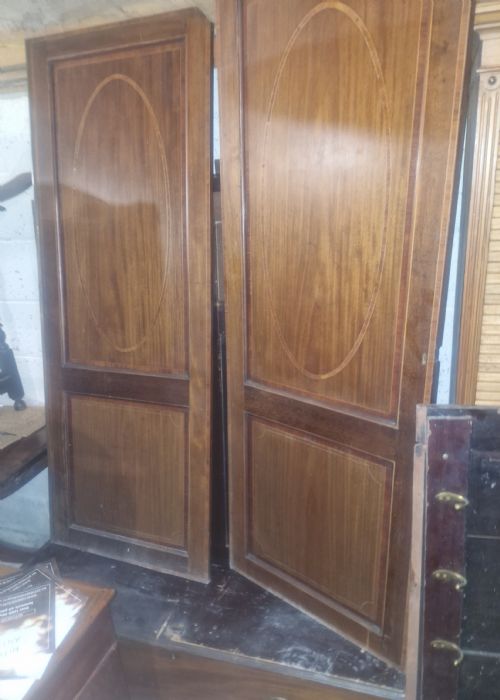
Cabinetmakers constructed these pieces using solid hardwoods like mahogany, walnut, and oak, frequently applying veneers of flame mahogany or decorative oyster cuts to curved carcases. Satinwood banding, brass hardware, and intricate inlay add contrast to the primary timber surfaces.
The rounded forms required specialised joinery to bend wood or shape solid timber frames to precise curves, particularly for doors and tops. Many French and English examples incorporate inset marble tops of breche d'alep or glass panels, supported by fitted internal shelving and drawers.
Antique Oval Cupboard Retail Price Guide 2026
Typical asking prices for oval cupboard among the pieces listed under this phrase on Sellingantiques today, from the lower quarter to the upper quarter. They describe what is for sale here now, not the wider market.
Several bedside cabinets appear equipped with marble tops specifically intended for bathroom use.
Evaluating distinction and craftsmanship
Quality rests in the handling of the curved timber and the precision of the inlay, where master makers achieved seamless transitions along rounded fronts and door edges. The choice of figured mahogany or decorative walnut veneer dictates the visual depth of the exterior.
Interior execution separates standard utility pieces from finer commissions, seen in the dovetailing of internal drawers, original brass mounts, and the condition of integrated marble slabs. The integrity of the carcase frame against natural wood movement over centuries also marks the distinction.
The Antique Oval Cupboard Glossary
- Crossbanded
- A border technique where veneer is laid perpendicular to the grain of the main surface. This frames the primary timber panels on cabinet doors and tabletops.
- Serpentine
- A furniture front curved in a wave shape with a convex centre flanked by concave ends. It creates dynamic movement across the face of a commode or sideboard.
- Linen Press
- A tall wardrobe or cupboard designed originally for storing folded textiles on sliding trays. Georgian examples frequently combine upper press doors with lower chest drawers.
- Oyster Veneer
- Thin circular slices cut across small branches of olive or walnut to resemble oyster shells. It produces dense, repeating patterns across 17th-century carcase surfaces.
- Demi-Lune
- A half-moon shape used for tabletops and cabinet footprints. It allows sideboards and commodes to sit flush against a wall while projecting a curved edge.
Antique Oval Cupboard: Frequently Asked Questions
Where did people use oval cupboards?
These cabinets served primarily in bedrooms, dressing rooms, and morning rooms for storing garments, linen, or personal items. Their curved footprints allowed them to fit into tighter corners or alcoves where sharp rectangular corners proved impractical.
In grander settings, smaller bedside versions sat beside four-poster beds, holding night lamps and small accessories beneath marble tops.
How do I care for antique mahogany?
Keep wooden surfaces away from direct sunlight and heat sources to prevent the timber from drying out or splitting. Dust regularly with a dry, soft cloth and apply a quality beeswax sparingly when the wood appears dry.
Avoid using silicone-based polishes or placing damp items directly onto antique tops, especially on pieces featuring delicate veneer or inlaid borders.
Are marble tops original to these cabinets?
Many French bedside tables and commodes from the 19th and early 20th centuries were built specifically to receive heavy stone surfaces like breche d'alep. These marble slabs provided durable, stain-resistant tops for washing equipment and nighttime pitchers.
Examine the seating of the stone within the wooden frame to ensure it matches the period construction and fits the rebate correctly.
How do I distinguish George III from Victorian pieces?
George III furniture typically relies on architectural proportions, fine flame mahogany, and subtle satinwood stringing without heavy ornamentation. The timber has usually developed a deep, mellow patina over two and a half centuries.
Victorian pieces often display heavier proportions, darker finishes, and more robust figured walnut or applied mouldings, reflecting the industrial manufacturing shifts of the 19th century.