



Antique Outdoor Garden Vessels
Antique outdoor garden vessels bring classic architectural presence to a terrace, combining centuries of weathering with robust materials.

Antique Outdoor Garden Vessels
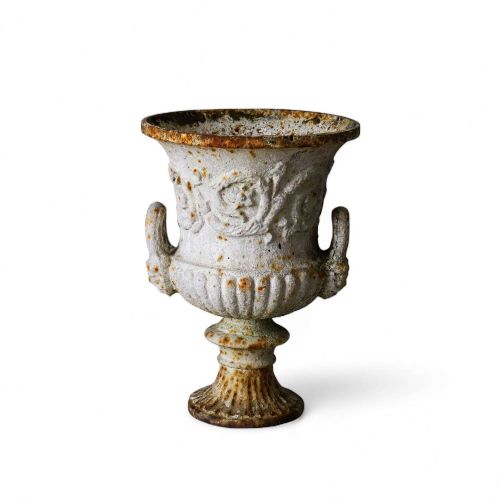
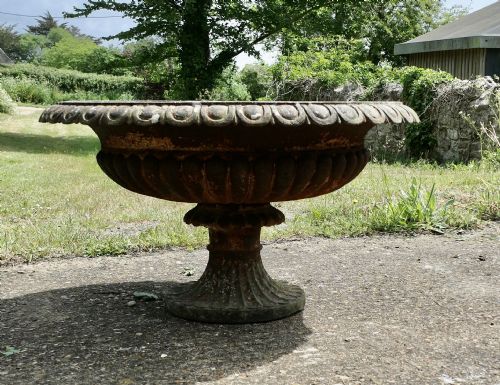
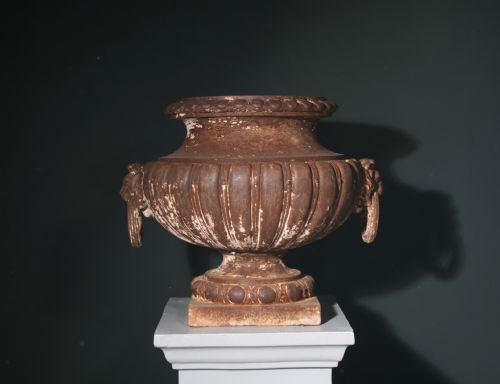
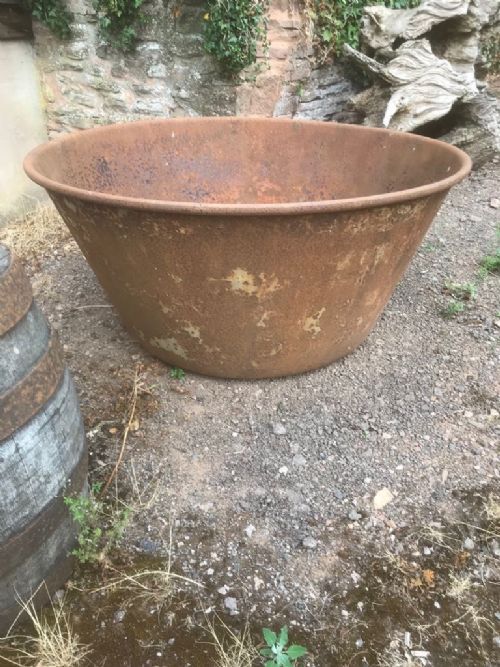
When you search for antique outdoor garden vessels, you are looking at substantial containers created to hold plants, water, or oil in a landscape setting. These pieces range from grand campana urns and massive oil jars to monumental temple vases designed to anchor a garden scheme.
You are most likely to meet nineteenth-century examples on this page, particularly Victorian cast iron pieces and weathered copper pots. These forms draw on classical revival, French neoclassical, and rustic traditions, serving as focal points for terraces, lawns, and courtyards.
Materials and construction methods
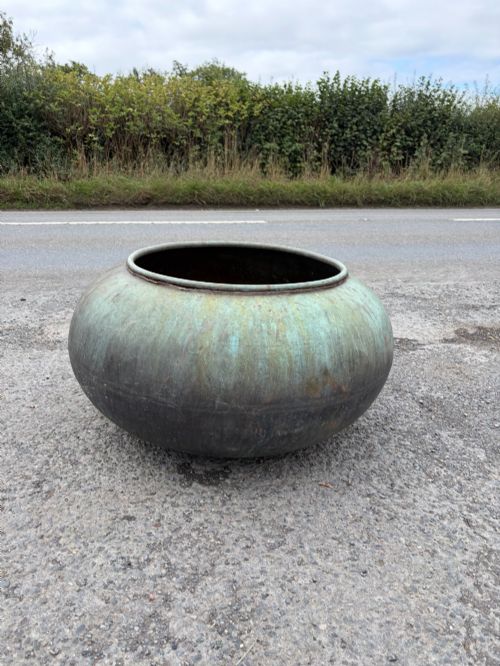
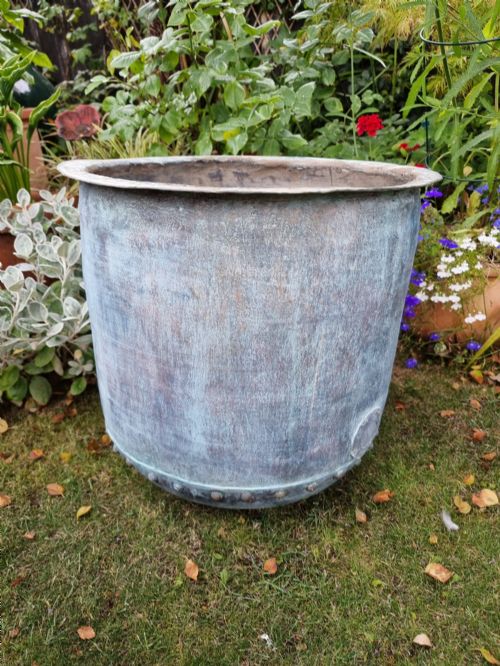
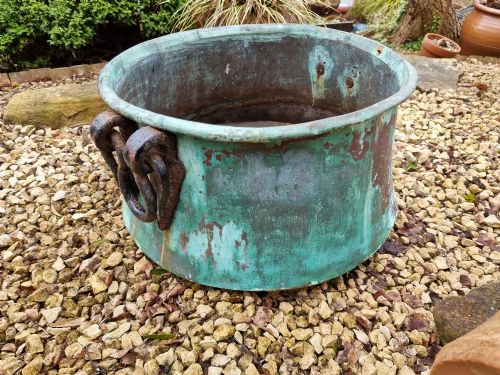
The makers of these garden vessels relied heavily on durable metals and fired earth that could withstand the elements. Cast iron and bronze were poured into detailed moulds to produce crisp classical ornamentation, while copper was beaten and joined to form large display pots and log bins.
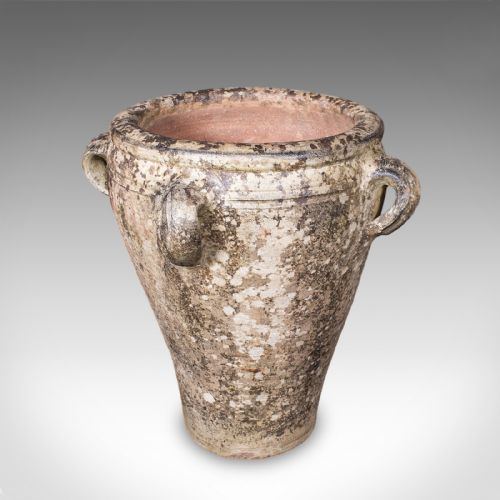
Terracotta, clay, and earthenware were shaped and fired to create porous vessels suited for holding plants and large oil jars. Carved stone offered an alternative method, relying on stonemasons to carve monumental urns directly from solid blocks.
Antique Outdoor Garden Vessels Retail Price Guide 2026
Typical asking prices for outdoor garden vessels among the pieces listed under this phrase on Sellingantiques today, from the lower quarter to the upper quarter. They describe what is for sale here now, not the wider market.
Objects range from utilitarian French copper pots and large garden planters to Japanese bronze temple vases and carved stone campana urns.
Distinctions in quality and execution
Quality in these pieces rests upon the crispness of the casting and the depth of the ornamentation. Finer cast iron and bronze examples display sharply defined relief work and balanced proportions, whereas simpler utility pots prioritize straightforward function.
The natural patina accumulated over decades contributes greatly to the character of a vessel. Authentic weathering, verdigris finishes, and surface distress show how a piece has aged outdoors, separating honest time-worn surfaces from lesser examples.
Andrew Handyside·Val D Osne Foundry
The Antique Outdoor Garden Vessels Glossary
- Campana urn
- A bell-shaped garden vessel with a flared rim and a pedestal foot. This classical form became particularly popular during the Victorian era for formal garden displays.
- Verdigris
- A green patina that forms naturally on copper, brass, or bronze through atmospheric weathering. Collectors value this stable oxidation for its colour and protective qualities.
- Usubata
- A Japanese bronze vessel traditionally used for flower arrangements or garden display. These pieces often feature distinct patination and ritual or decorative motifs.
- Terracotta
- Fired unglazed clay of a brownish-red colour used for pots and jars. It allows plant roots to breathe through the porous material while withstanding outdoor temperatures.
Antique Outdoor Garden Vessels: Frequently Asked Questions
Can I leave cast iron urns outside all winter?
Cast iron garden vessels are built to withstand outdoor conditions and tolerate low temperatures. However, trapped water inside a planted urn can freeze and expand, risking structural damage.
To protect the vessel, ensure proper drainage holes remain clear and elevate the base slightly off the ground during freezing weather.
What causes copper verdigris on garden pots?
Verdigris is the natural result of copper reacting over many decades to moisture, oxygen, and carbon dioxide in the air. This chemical process forms a protective green layer on the surface.
Removing this patina strips away the history of the piece, so most collectors prefer to leave the weathered surface entirely undisturbed.
How do I distinguish nineteenth-century cast iron from later copies?
Nineteenth-century cast iron pieces usually display heavier weight, distinct mould seams smoothed by hand, and deep layers of historical paint or rust. Foundry marks and registration numbers can also help confirm the period.
Examine the sharpness of the decorative details and the character of the surface corrosion to understand the age of the metal.