

Antique Outdoor Chairs
These antique outdoor chairs span robust cast iron frameworks and intricate wirework, offering lasting character for gardens and conservatories.
Antique Outdoor Chairs
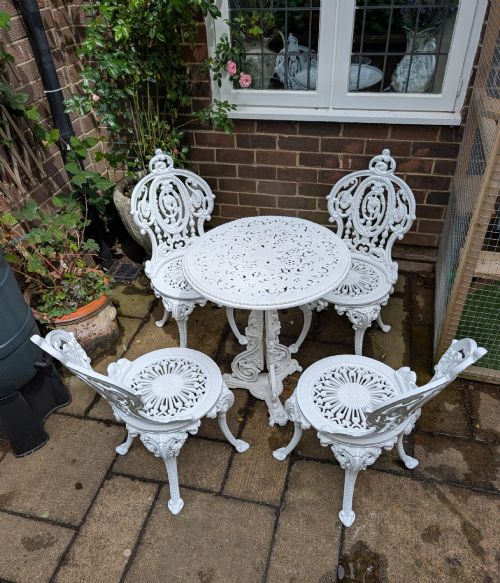
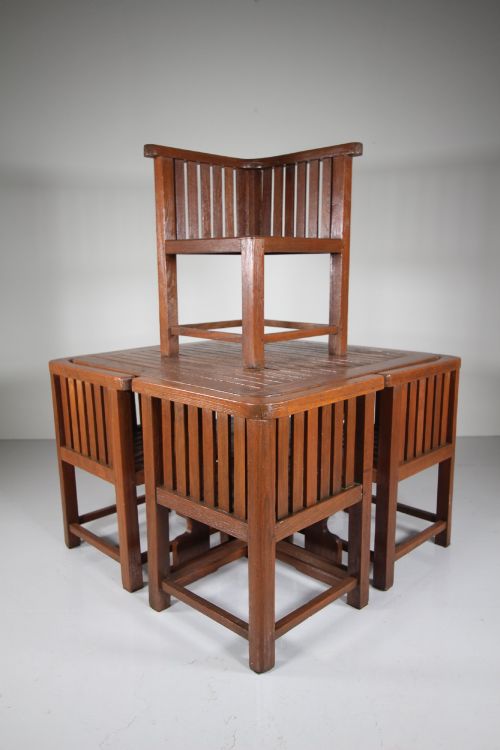
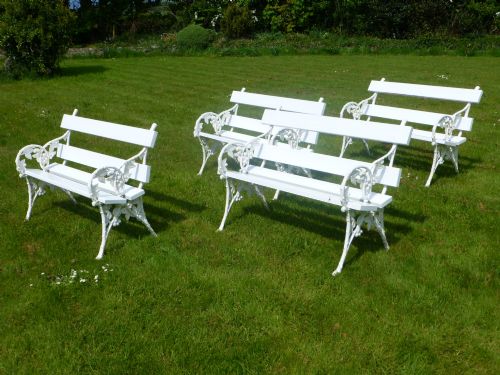
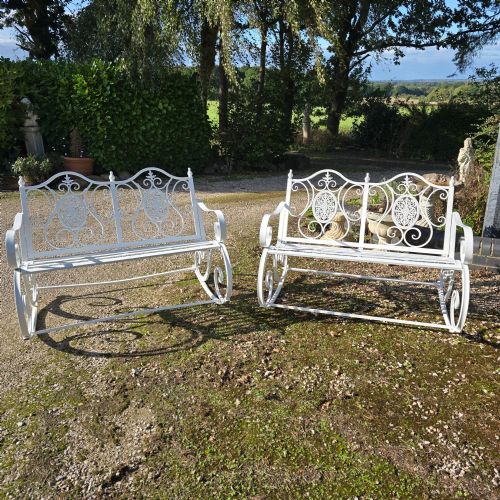
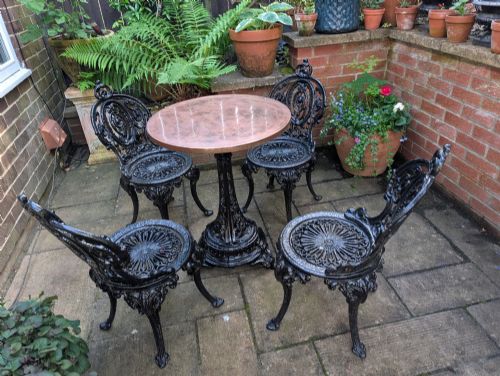
When you search for antique outdoor chairs, you encounter a robust selection of seating designed for gardens, terraces, and conservatories, originating from the nineteenth and early twentieth centuries. The pieces available range from single garden armchairs and folding iron seats to substantial dining sets and conversation benches.
You are most likely to meet heavy cast iron examples from the Victorian era and the nineteen-thirties, alongside French wrought iron designs and wirework pieces. These items serve both functional seating needs and decorative roles in modern and traditional landscape settings.
The selection encompasses diverse stylistic influences, including French Country aesthetics, Regency strapwork, and Art Deco patterns. Makers and foundries utilised resilient metals and timber to produce furniture capable of withstanding external environments over generations.
Materials and construction
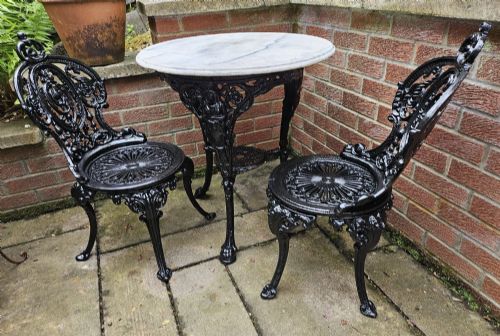
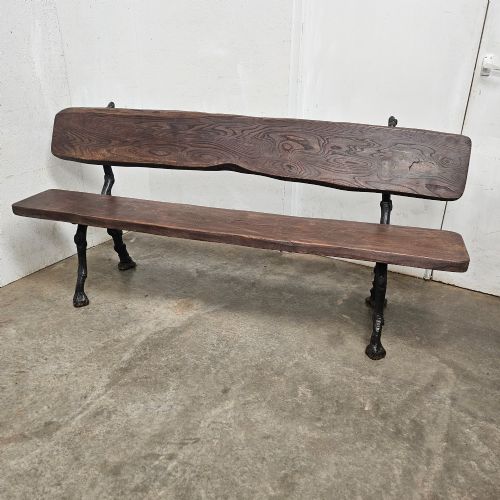
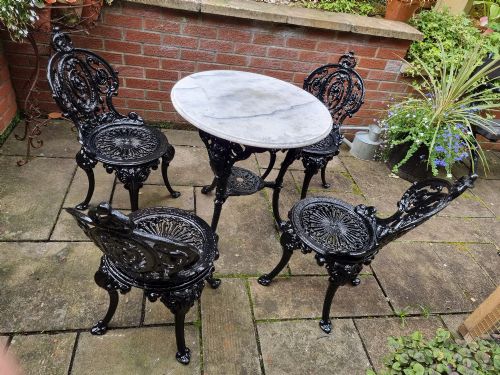
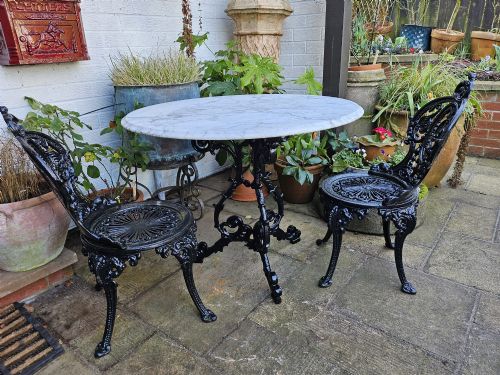
Makers utilised durable metals such as cast iron and wrought iron for framing structural elements, often combining them with timber or marble tops for tables. Cast iron components were poured into detailed moulds, creating ornate patterns like blackberry and leaf motifs or gothic designs.
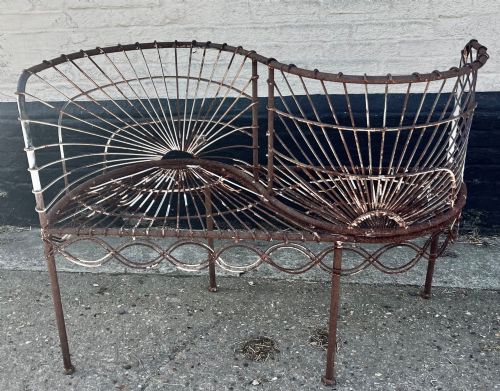
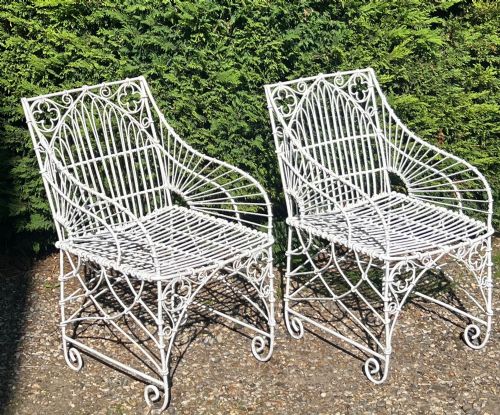
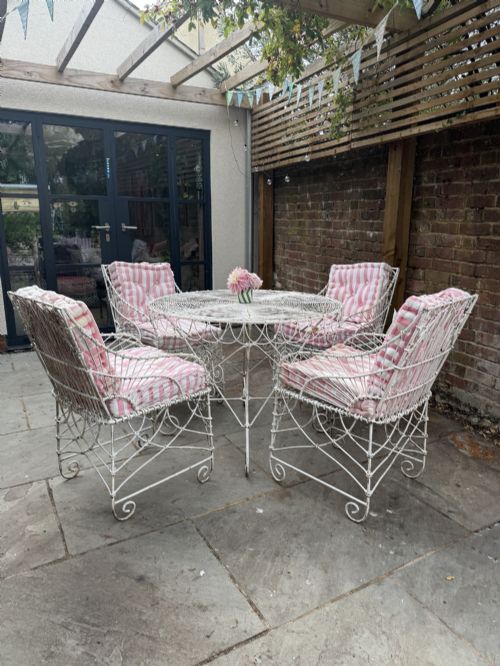
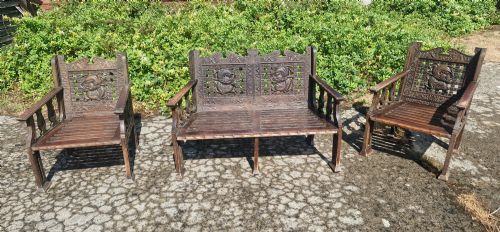
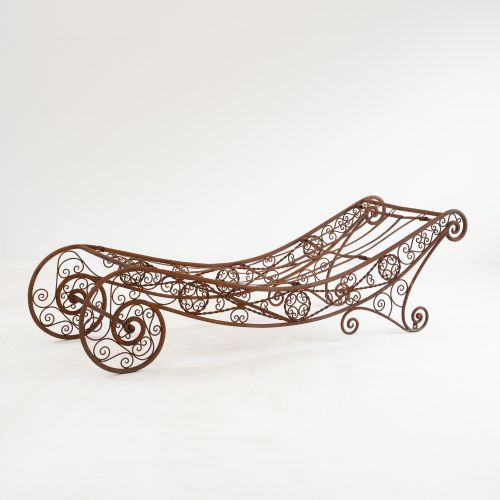
Wirework construction involved bending and welding metal wire into geometric or plant-inspired forms, resulting in lighter yet sturdy garden seats and tables. Artisans also incorporated natural materials such as rattan, wicker, and elm wood into conservatory and garden furniture.
Surface treatments included paint applications to protect the underlying metal and wood from weathering. Metal frameworks frequently exhibit patination developed through long exposure to external elements.
Antique Outdoor Chairs Retail Price Guide 2026
Typical asking prices for outdoor chairs among the pieces listed under this phrase on Sellingantiques today, from the lower quarter to the upper quarter. They describe what is for sale here now, not the wider market.
Listings feature cast iron, wrought iron, wirework, timber, and rattan across periods from the nineteenth century to nineteen-thirty.
Defining quality
Quality rests in the crispness of the casting detail and the complexity of the foundry work, where deep relief patterns indicate superior craftsmanship. Pieces associated with notable foundries or specific designers display a higher degree of sculptural refinement in elements like lion masks and strapwork.
The structural integrity of the metalwork and the preservation of original components separate standard items from finer examples. Balanced proportions and the survival of matching sets or benches elevate the desirability of the seating.
Material combination also plays a role, with integrated marble tops or complex faux bois wooden finishes demonstrating advanced manufacturing techniques. The harmonious ageing of paint layers and metal patination contributes to the overall visual merit.
Falkirk foundry·Christopher Dresser·Angraves of Leicester·Val D'osne
The Antique Outdoor Chairs Glossary
- Cast iron
- A strong, rigid alloy poured into moulds to create ornate and heavy garden furniture. It allows for intricate relief patterns such as foliage and gothic tracery.
- Wrought iron
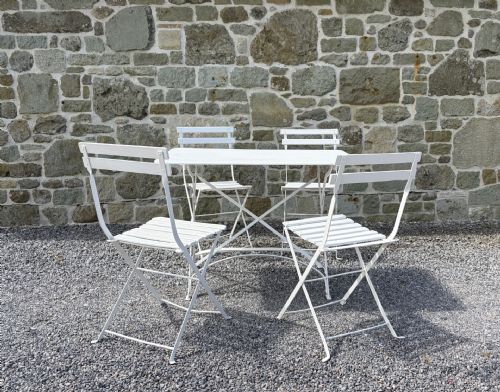
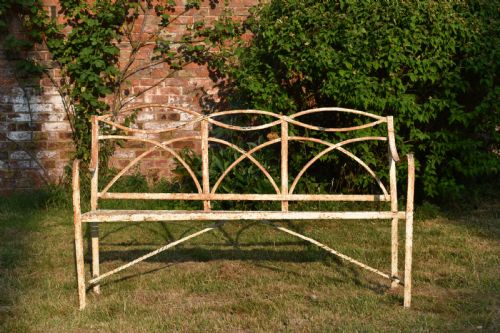
- Iron heated and hammered into shape by hand or machine, producing strong and relatively flexible frames. It is commonly found in curved scrollwork and folding chair designs.
- Wirework
- A technique of bending and joining metal wire into mesh or decorative patterns for garden seats and tables. This method creates lighter, semi-transparent furniture.
- Faux bois
- An artistic imitation of wood grain applied to concrete, iron, or plaster surfaces. French artisans frequently employed this finish on garden benches and seats.
- Strapwork
- A decorative motif composed of flat, interlaced bands resembling leather straps. This style appears on Regency and later metal garden seating.
Antique Outdoor Chairs: Frequently Asked Questions
How do I care for antique garden chairs?
Protect metal and wooden frames by storing them indoors or using breathable covers during harsh winter weather.
Maintain painted surfaces with appropriate coatings to prevent corrosion while preserving the historical patination.
Can these chairs stay outside year round?
Cast iron and heavy wrought iron pieces withstand outdoor conditions well due to their robust metallic composition.
Items incorporating timber, wicker, or rattan benefit from sheltered placement to prevent moisture damage.
How do I identify Victorian garden furniture?
Look for heavy cast iron construction featuring botanical motifs, gothic arches, or structural strapwork characteristic of the nineteenth century.
Foundry marks and stylistic proportions often point towards specific production periods between eighteen-eighty and nineteen-hundred.