
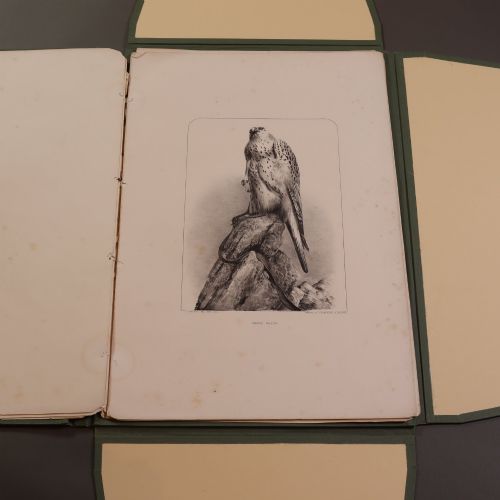


Antique Ornithological Illustration
An antique ornithological illustration captures avian life with precise detail, bringing character and natural history directly to your walls.
Antique Ornithological Illustration
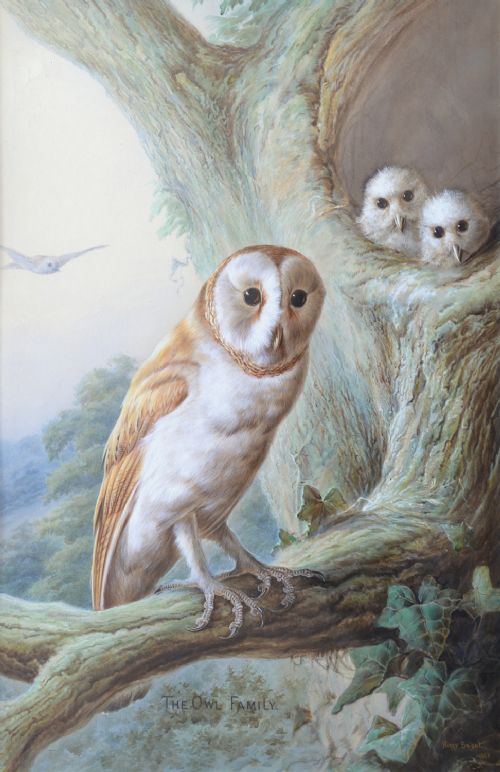
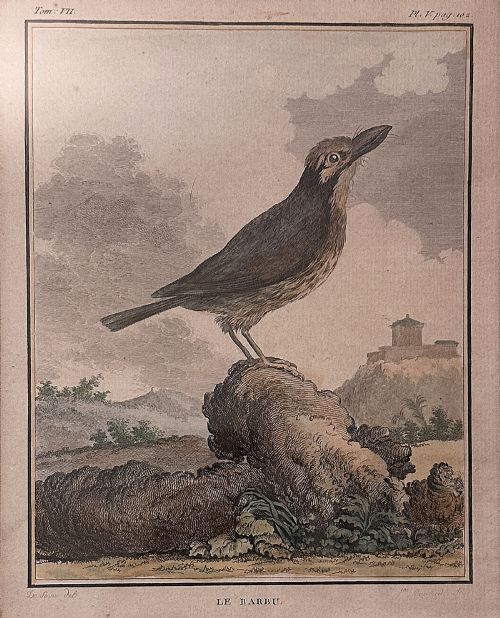
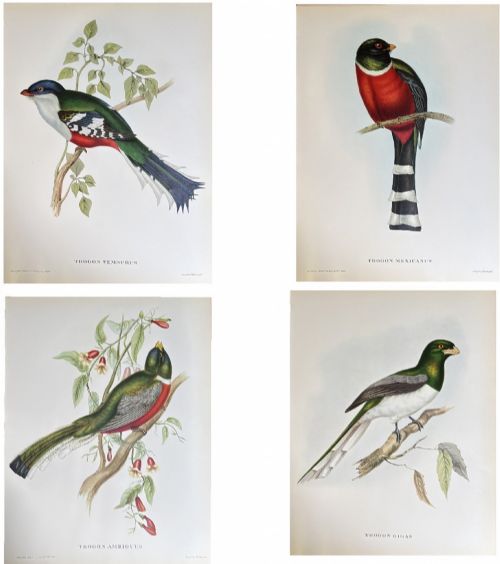
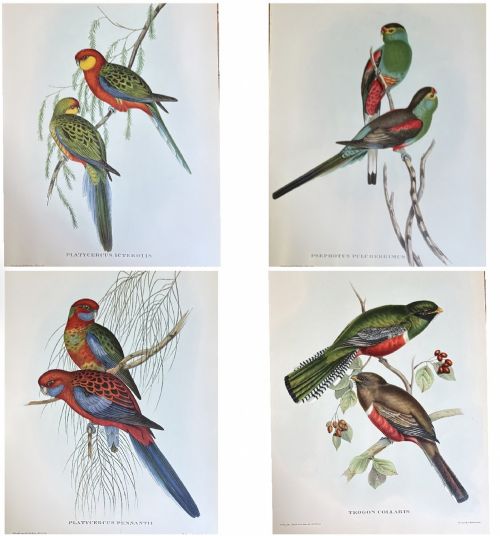
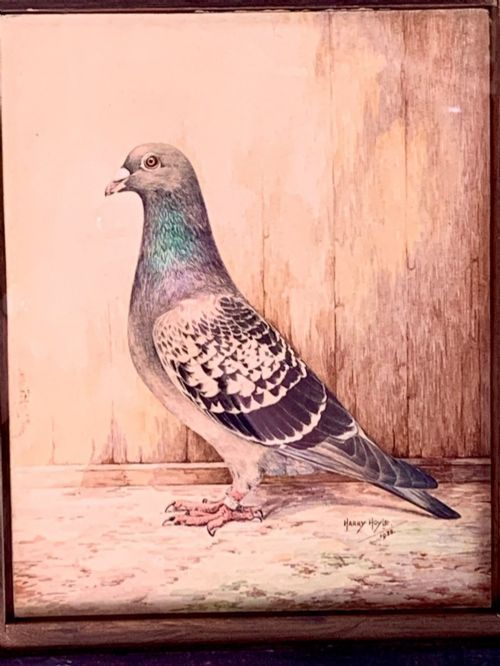
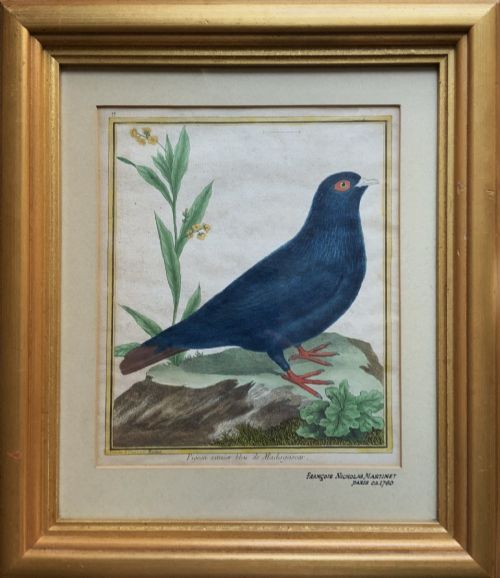
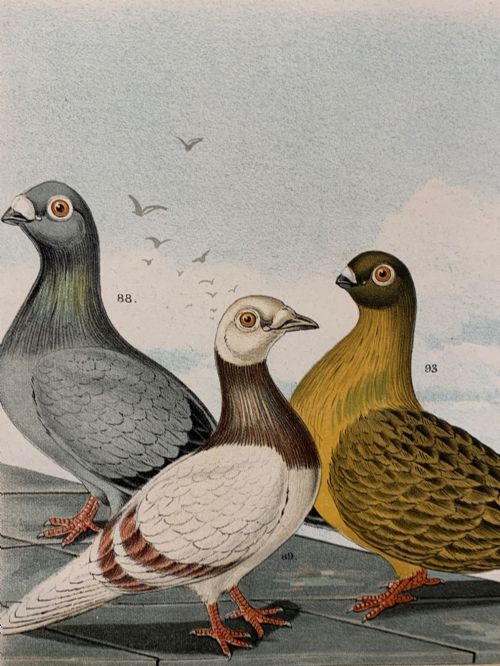
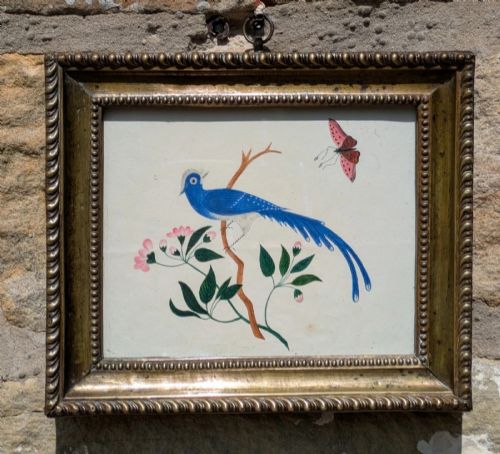
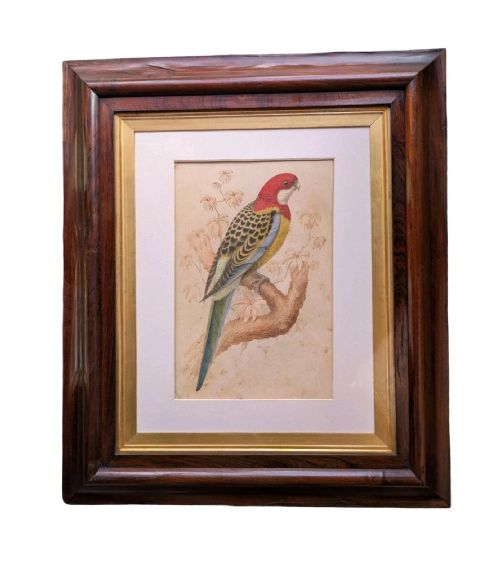
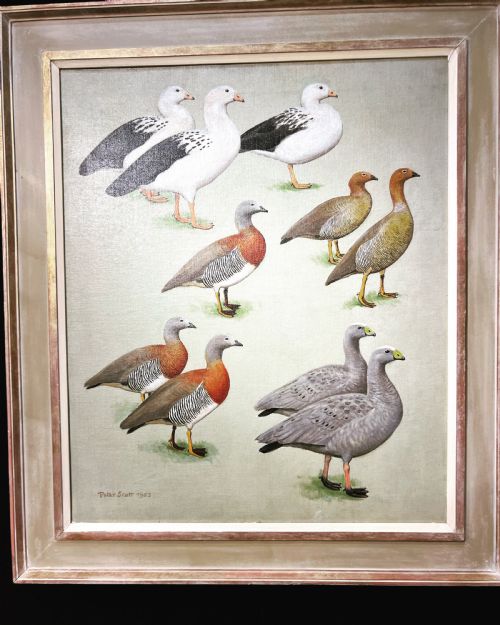
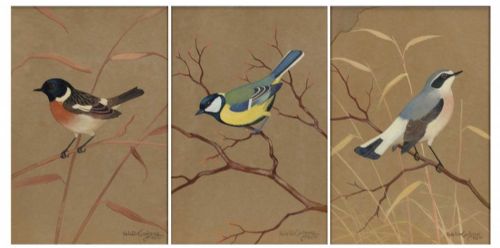
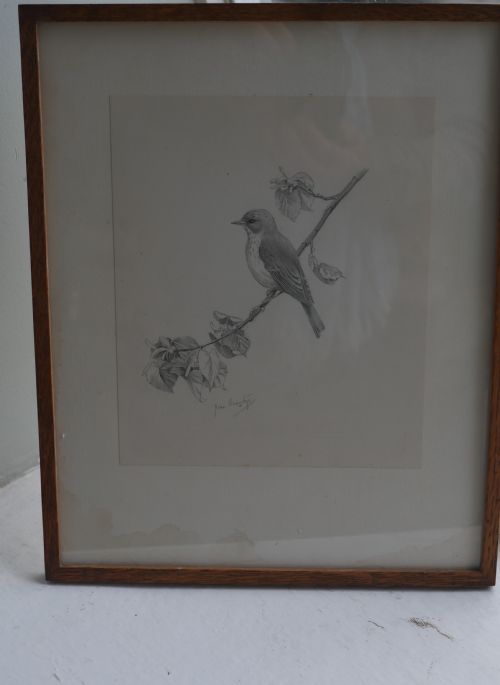
An antique ornithological illustration records bird species through various artistic mediums including hand-coloured engravings, lithographs, and delicate watercolour paintings. These works span multiple eras from the eighteenth century through the mid-twentieth century, capturing subjects ranging from exotic parrots and tropical birds to British game and garden species.
The selections on this page appear in various formats, such as framed wall art, individual prints, and sets produced by natural history illustrators and artists. Buyers regularly encounter pieces reflecting distinct periods like the Georgian era, Victorian natural history, and mid-century British realism.
Materials and technique
These pieces rely on paper grounds treated with watercolour, ink, and hand-applied pigments to bring printed lines and painted studies to life. Many engravings and lithographs received meticulous hand-colouring shortly after printing to capture the accurate plumage of each bird species.
Framing often incorporates wood, ebonised surrounds, and gilt or gold leaf mounts that protect the paper works while complementing the visual weight of the art.
Listings feature works executed on paper using watercolour, ink, and hand-coloured engraving across the 18th, 19th, and 20th centuries.
Evaluating the standard
Quality rests upon the precision of the draughtsmanship and the fidelity of the bird's anatomical depiction by the artist or naturalist. Hand-coloured plates showing vibrant, well-preserved pigment without fading demonstrate superior execution.
The depth of the paper condition, clarity of the plate mark in engravings, and the integration of period frames such as ebonised wood with gilt mounts further distinguish finer examples.
François-Nicolas Martinet·John Hancock·Harry Bright·George Edwards·William Swainson·Edward Lear
The Antique Ornithological Illustration Glossary
- Lithograph
- A planographic printing method using a stone or metal plate to produce crisp lines on paper. This technique allowed artists to create detailed multi-colour plates for natural history publications.
- Hand-coloured engraving
- An intyped metal plate image enhanced manually with watercolours or washes. This method added vibrant life to monochrome printed bird studies.
- Plate mark
- The indentation left on paper by the edge of a printing plate under pressure. It confirms the traditional printmaking origin of an antique work.
- Gilt wood
- Wood framing finished with a thin layer of gold leaf. This material provides a reflective, ornate border that enhances framed watercolours and prints.
Antique Ornithological Illustration: Frequently Asked Questions
How should I hang these prints?
Protect works on paper from direct sunlight to prevent the watercolour pigments and hand-coloured inks from fading over time. Use appropriate picture wire and secure fixings suited to the weight of the framed piece.
Pair single studies or sets together to create a balanced arrangement on the wall, keeping them at eye level for optimal viewing.
What periods do these illustrations cover?
The available pieces span several centuries, starting from the eighteenth century and moving through the Georgian, Regency, and Victorian periods. Later examples extend into Edwardian times and mid-century twentieth-century realism.
Each era brings distinct printing techniques and artistic styles, allowing collectors to find works matching specific historical aesthetics.
Are these works original or modern copies?
The listings comprise period originals created during the dates associated with each item, ranging from historical engravings to mid-century watercolours. Paper stock, printing methods, and framing details reflect the period of production.
Examining the physical characteristics helps confirm the age and authenticity of each individual ornithological study.
What birds are typically depicted?
Subjects range widely across avian categories, including tropical birds, parrots, garden birds, ducks, and various pigeon breeds. Artists studied both exotic specimens and familiar British wildlife with scientific accuracy.
This variety enables collectors to focus on specific species or assemble diverse natural history groupings.