

Antique Ornate Mirror
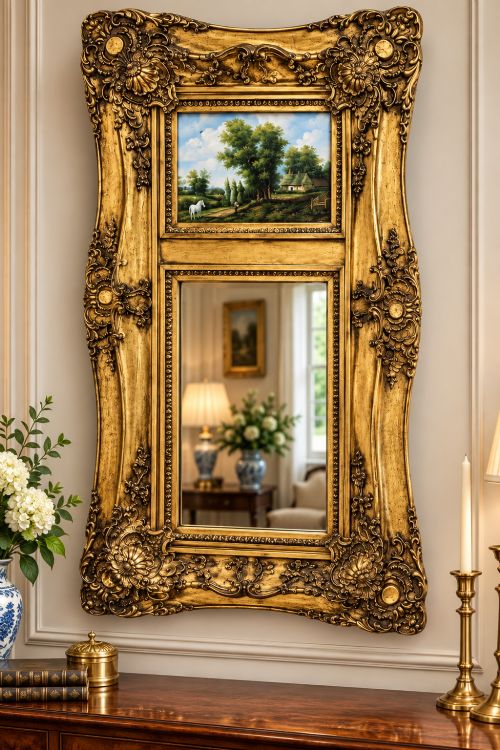
Selecting an antique ornate mirror brings heavy timber frames, shimmering gilt gesso and centuries of continental craftsmanship directly into a modern interior.
Antique Ornate Mirror
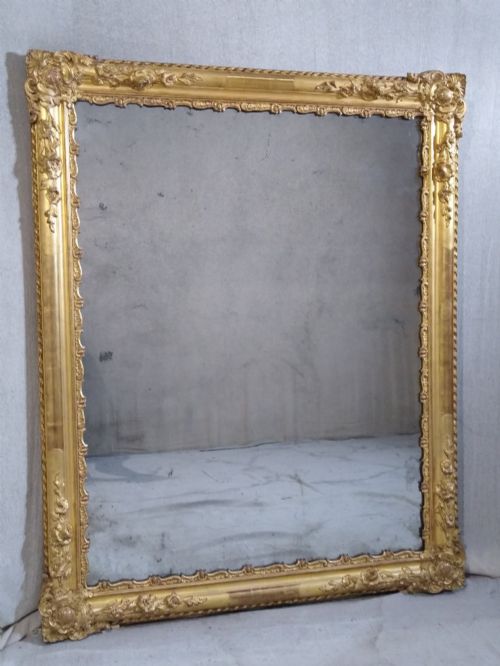
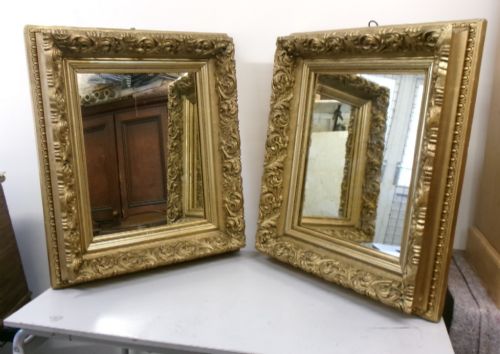
An antique ornate mirror spans several centuries of design, with the nineteenth century supplying the majority of pieces currently available on the market.
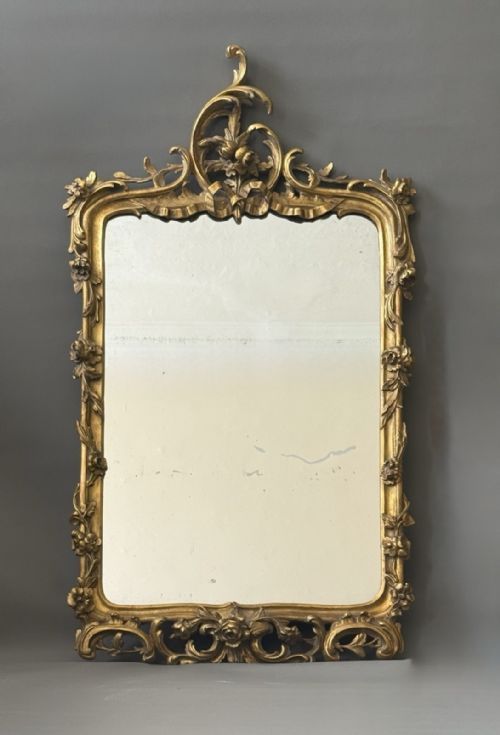
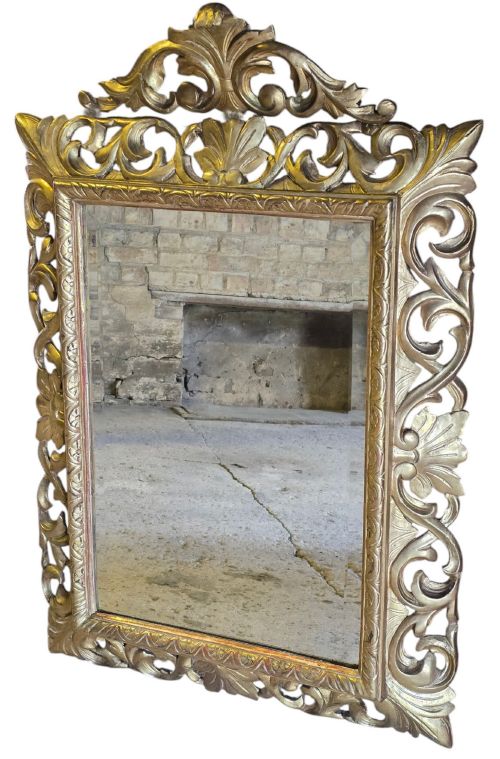
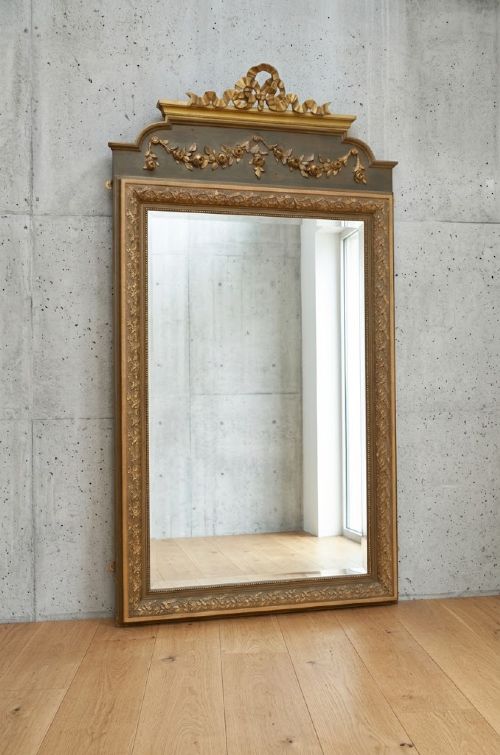
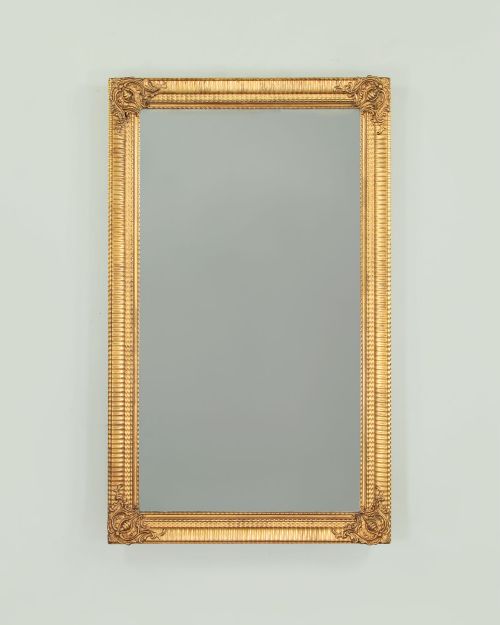
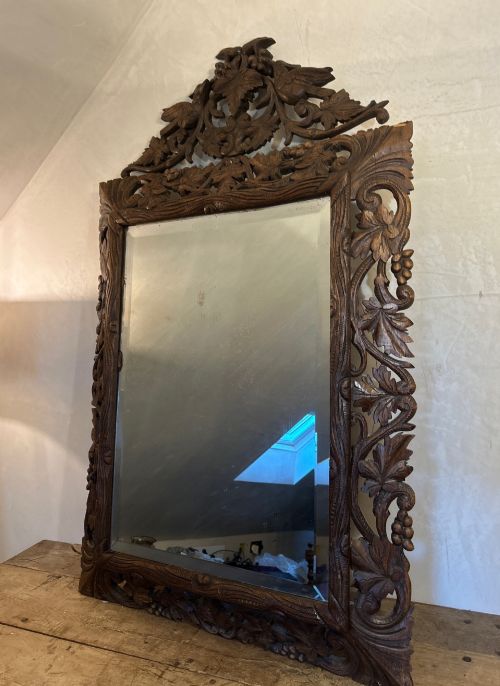
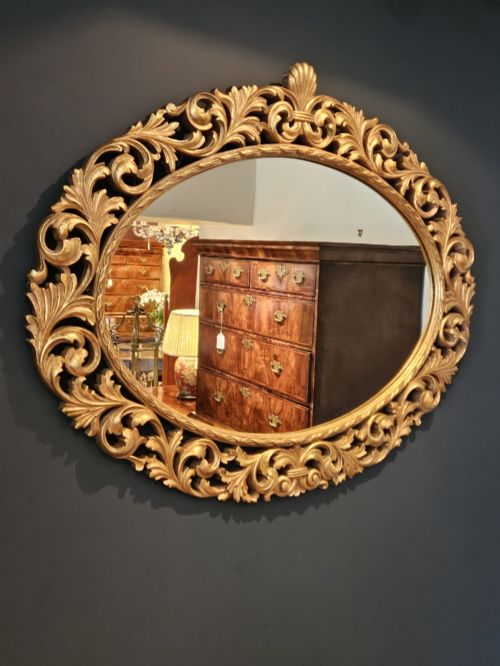
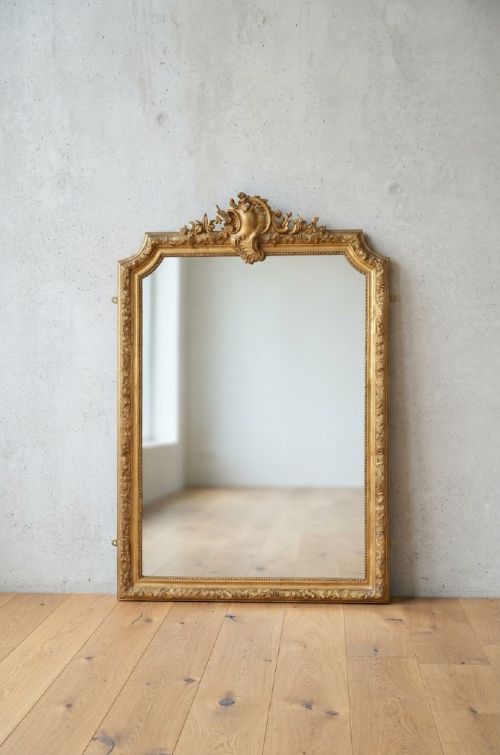
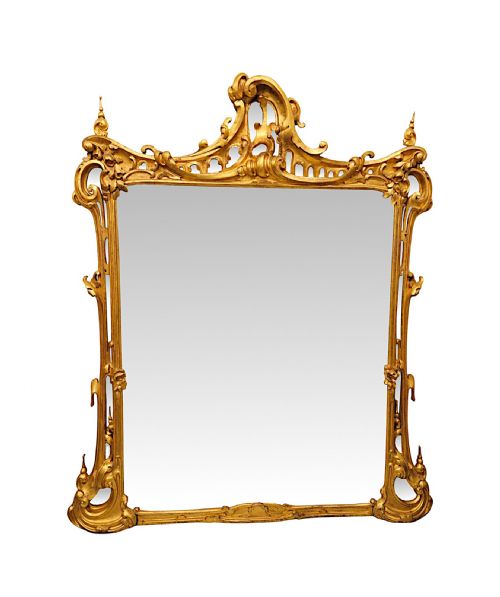
Stylistic influences range from heavy Victorian carved wood to delicate French Rococo and Florentine giltwood creations.
How They Were Made
Traditional frames rely on solid timber foundations carved from oak, mahogany, or pine, which provide structural stability for heavy glass plates.
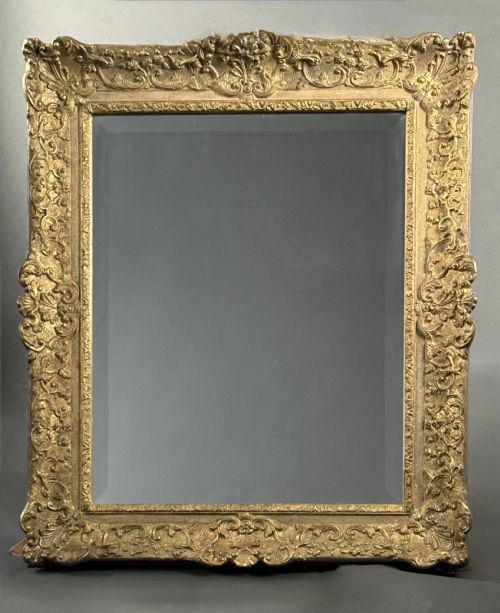
Many surfaces receive layers of gesso built up over the wood, allowing artisans to mould intricate scrolls, floral motifs, and crests.
Gold leaf or liquid metallic paint is applied over the prepared gesso base, often accompanied by silver-gilt or ebonised finishes.
The selection includes pieces spanning from the 18th century through to the Edwardian era, utilising giltwood, gesso, and cast bronze.
What Varies in Quality
The depth and intricacy of the hand-carved wood elements distinguish superior frames from simpler moulded compositions.
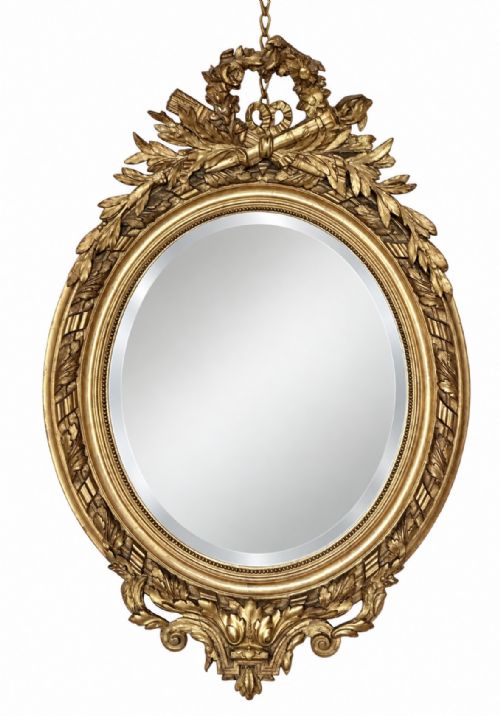
Original mirror plates display varying degrees of foxing and silver degradation, though crisp, bevelled glass often indicates higher production standards.
The integrity of the original gesso reliefwork and the richness of the gilding determine the overall preservation of the piece.
The Antique Ornate Mirror Glossary
- Giltwood
- Wood that has been coated with gold leaf or gold powder. This surface treatment creates a luminous metallic finish popular in ornate period frames.
- Gesso
- A plaster-like mixture applied to wood frames. Artisans carve and mould this material into raised decorative patterns before gilding.
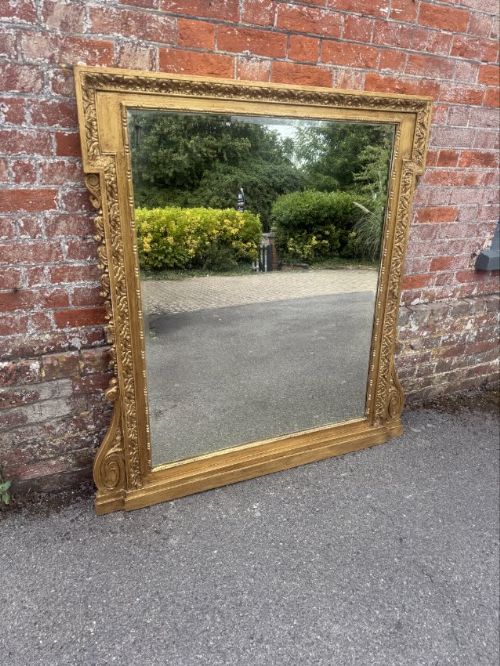
- Overmantel
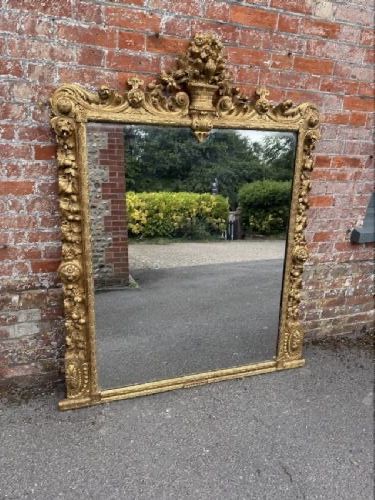
- A large mirror designed to sit directly above a fireplace mantel. These pieces frequently feature arched or shaped tops suited to period chimneys.
- Pier Glass
- A tall mirror intended to hang on the wall space between windows. These mirrors reflect additional light into darker Victorian and Georgian rooms.
- Girandole
- A decorative wall mirror fitted with attached candle sconces. The candle flames reflect in the glass to illuminate the surrounding space.
Antique Ornate Mirror: Frequently Asked Questions
Where should I hang an overmantel mirror?
These large architectural pieces traditionally anchor the space directly above a fireplace mantelpiece, drawing the eye upward and reflecting light across the room.
They also function effectively on main living room walls when secured firmly into wall studs to support their substantial weight.
How do I clean an antique mirror plate?
Use a soft, dry microfibre cloth to gently remove dust from the glass surface without disturbing the surrounding frame.
Avoid commercial liquid glass cleaners, as moisture can seep behind the silvering and cause accelerated corrosion.
Are original mirror plates always bevelled?
Bevelling became more common toward the end of the nineteenth century, but many earlier eighteenth- and early nineteenth-century plates remain flat.
Unbevelled glass often exhibits natural imperfections and minor distortions characteristic of historical manufacturing methods.
How can I tell a Victorian mirror from a French Rococo piece?
Victorian examples typically feature heavier timber construction with deep mouldings and distinct floral or vine motifs influenced by British tastes.
French Rococo pieces lean toward asymmetrical scrolling leafwork, lighter crested tops, and lighter painted or gilded finishes.