



Antique Ornamental Figurine
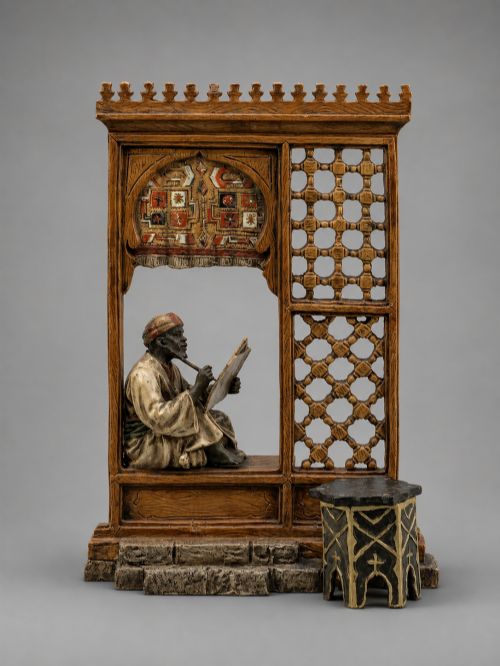
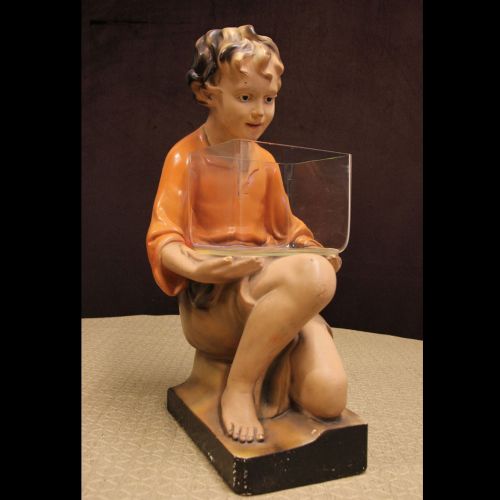
These antique ornamental figurine pieces bring cabinet display and mantelpiece charm into a room, offering craftsmanship in porcelain, bronze, and pottery.
Antique Ornamental Figurine
An antique ornamental figurine encompasses small sculptural figures, mantle clocks, quill holders, and decorative subjects produced across the eighteenth and nineteenth centuries. Buyers searching for an antique ornamental figurine encounter figures modelled in hard-paste porcelain, earthenware, and patinated bronze, often drawing upon Rococo Revival and Victorian styles.
The selection on this page ranges from English porcelain works by Chelsea and Derby to German figures from Ludwigsburg and Royal Berlin, alongside French bronze animal forms and Staffordshire pottery portrait pieces. These works served as mantelpiece ornaments, cabinet displays, and functional quill holders in period interiors.
How they were made
Many of these objects utilise hard-paste or soft-paste porcelain shaped in moulds, then hand-painted with detailed enamels and finished with selective gilding or gold leaf. Staffordshire and earthenware pieces are similarly moulded from local clay bodies and decorated with painted glazes.
Metal sculptures and clock cases combine patinated bronze with cast ormolu, employing mercury gilding and chasing techniques to achieve crisp surface ornamentation. Stone carvings rely on hand-chiselling techniques applied to dense regional minerals.
Antique Ornamental Figurine Retail Price Guide 2026
Typical asking prices for ornamental figurine among the pieces listed under this phrase on Sellingantiques today, from the lower quarter to the upper quarter. They describe what is for sale here now, not the wider market.
Dogs and geese make unexpected appearances here, holding ink quills or serving as silent witnesses to nineteenth-century mantelpiece life.
What varies in quality
The standard of modelling and crispness of hand-painted detail distinguish finer factory output from standard commercial production. Earlier eighteenth-century works typically display more delicate facial expressions and intricate underglaze or enamel brushwork.
The integration of materials also dictates overall calibre, such as the precision found in French ormolu mounts paired with cast bronze or the depth of glaze on English earthenware portrait figures.
Chelsea Anchor Mark·Royal Worcester·Derby Porcelain·Ludwigsburg Porcelain·Royal Berlin
The Antique Ornamental Figurine Glossary
- Hard-paste porcelain
- A dense ceramic composition fired at very high temperatures, made from kaolin and petuntse. It produces a hard, impermeable body often used by continental European factories.
- Ormolu
- Finely ground high-carat gold applied to a cast bronze base using a mercury amalgamation technique. It provides a bright, durable golden finish on decorative metalwork and clock mounts.
- Enamel
- A glassy substance fused to metal or ceramic surfaces through firing to add colour and decoration. It offers a smooth, glossy finish resistant to fading.
- Glaze
- A glassy coating applied to pottery and porcelain before a final kiln firing to seal the porous body. It adds waterproof qualities and surface shine.
Antique Ornamental Figurine: Frequently Asked Questions
What materials were used for these figures?
These decorative pieces were primarily shaped from hard-paste porcelain, earthenware pottery, and patinated bronze.
Secondary materials such as ormolu, gold leaf, and enamel added surface colour and metallic detail to the finished objects.
How do I identify a Victorian piece?
Victorian examples often display heavier Staffordshire earthenware bodies, rich polychrome glazes, and subjects ranging from royal portrait figures to functional quill holders.
Stylistic cues draw heavily on mid-nineteenth-century taste, contrasting with the lighter Rococo curves of earlier centuries.
Where were these ornamental items placed?
In period homes, these figures and clocks typically occupied prominent positions on mantelpieces, entrance tables, and glass-fronted display cabinets.
Some objects, such as quill holders, combined decorative figural sculpture with a practical desk function.
How can I tell eighteenth-century figures apart?
Eighteenth-century porcelain works from factories like Chelsea, Derby, and Ludwigsburg are distinguished by paste composition, glaze texture, and underglaze factory marks.
Modelling styles also reflect regional aesthetics, shifting from German courtly figures to English pastoral subjects.