




Antique Oriental Tea Caddies
Antique oriental tea caddies are decorative storage vessels made for dried leaves, offering rich tactile history and distinctive cultural artistry for your home.
Antique Oriental Tea Caddies
Antique oriental tea caddies are decorative storage vessels designed to hold loose leaves safely away from air and light. When you search for antique oriental tea caddies, you encounter items originating from various periods including the nineteenth century and Regency eras.
The selections available here span multiple forms and origins, featuring Chinese export pieces, Japanese Meiji period jars, and intricately decorated boxes. You are most likely to meet wooden, lacquered, or porcelain vessels shaped as caddies, jars, or canisters.
How they were made
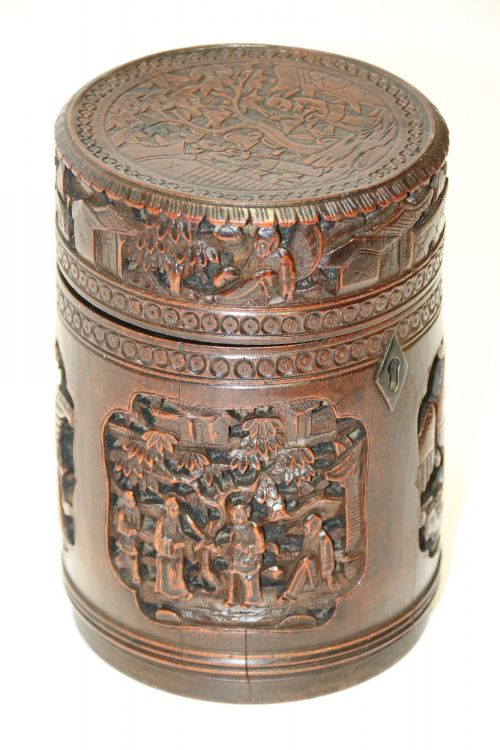
Materials recorded in these pieces include carved hard wood, bamboo, porcelain, brass, and pewter, often enriched with gold leaf or enamel. Makers employed traditional woodworking, ceramic throwing, and glazing techniques to shape each container.
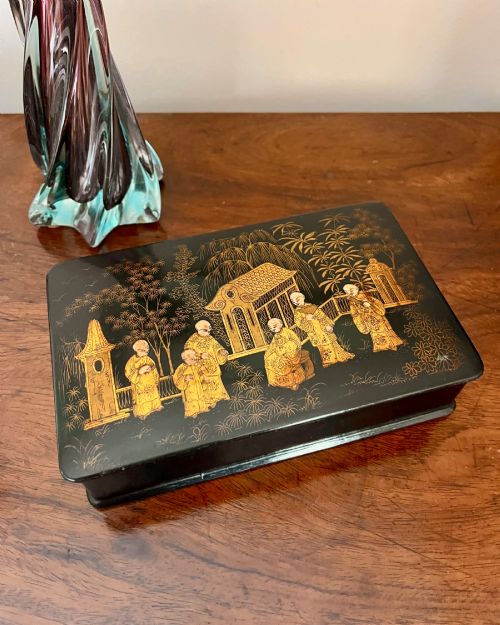
Surface decoration frequently involves intricate lacquer work, handpainted details, and crackle glazes characteristic of Qing dynasty production and Japanese Satsuma or Kutani traditions. These combined methods yielded durable, highly ornate vessels designed for daily utility and display.
Listings feature items from the nineteenth century, Victorian era, Edwardian period, and Regency years, alongside twentieth-century examples.
What varies in quality
Quality in these items depends upon the precision of the carving, the finesse of the handpainted details, and the preservation of delicate materials like lacquer and gold leaf. Superior examples display crisp definition in bamboo or wood and cleanly fired porcelain glazes.
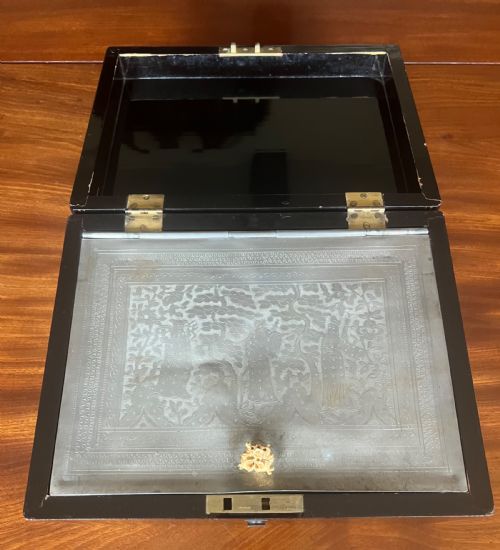
The refinement of historical decorative motifs, such as chinoiserie scenes or figural Rakan depictions, separates standard containers from exceptional works. Original closures, intact lids, and well-maintained interior compartments further distinguish the finer pieces.
Tokyo Taizan·Herend
The Antique Oriental Tea Caddies Glossary
- Chinoiserie
- European artistic style reflecting Chinese motifs and decorative techniques. It appears frequently on lacquered boxes and wooden tea containers.
- Meiji Period
- Era of Japanese history lasting from eighteen sixty-eight to nineteen twelve. Pieces from this time often feature detailed Satsuma or Kutani ceramic work.
- Qing Dynasty
- The last imperial dynasty of China, spanning from sixteen forty-four to nineteen twelve. Items from this era include crackle glazed porcelain canisters.
- Regency
- British design period spanning the early nineteenth century. Caddies from this time often utilise bold decorative lacquer and classical forms.
- Ginger Jar
- Ceramic storage vessel with a rounded body and flat base. These jars frequently serve alongside traditional caddies in tea storage collections.
Antique Oriental Tea Caddies: Frequently Asked Questions
How were antique tea caddies used?
These vessels stored expensive loose tea leaves securely to protect them from moisture and loss of aroma in the drawing room. Wealthy households kept them locked inside tea chests to portion out leaves safely.
Servants or hosts used matching caddy spoons to transfer the leaves directly into the teapot. The containers combined practical utility with ornamental display on dining and parlor tables.
How do I care for wooden caddies?
Keep wooden and lacquered caddies away from direct sunlight and sudden temperature changes to prevent the wood or lacquer from cracking. Dust them gently with a dry, soft cloth without applying modern chemical polishes.
Maintain stable indoor humidity levels to protect delicate gold leaf and carved details. Treating the surfaces with care preserves the historic finish for years to come.
Can I use them for tea now?
Most collectors prefer to display these historical containers as decorative art rather than using them for modern storage. Older materials and interior linings may not meet current food safety standards for loose consumables.
Displaying them empty protects their fragile internal compartments and historical linings from wear. They function best as focal points on sideboards or shelving units.
How do I identify a Meiji piece?
Japanese Meiji period items typically display intricate handpainted details, such as figural Rakan scenes or signature Satsuma crackle glazes. These pieces reflect the artistic output of Japan between eighteen sixty-eight and nineteen twelve.
Look for maker signatures or specific regional pottery styles characteristic of late nineteenth century workshops. Comparing the decorative motifs with documented Meiji examples confirms the origin.
What is a ginger jar?
Ginger jars are ceramic storage vessels featuring rounded bodies, wide shoulders, and matching fitted lids. Originally utilised to transport spices and preserves, they later became popular decorative items.
Their form complements tea caddies within oriental ceramic collections and display arrangements. They showcase painted enamel and porcelain techniques from Chinese and Japanese kilns.