





Antique Oriental Metalware
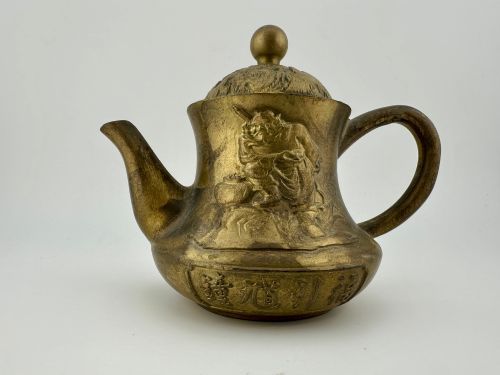
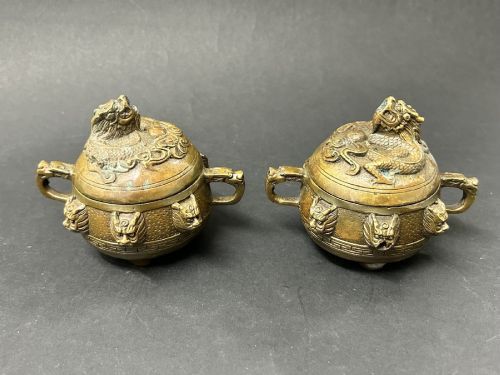
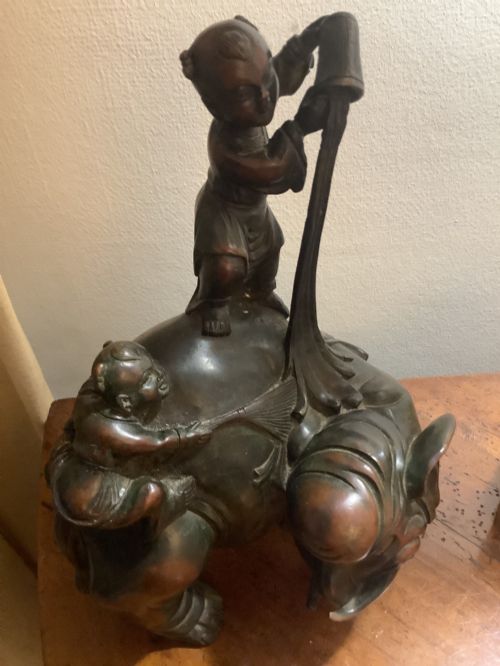
Antique oriental metalware brings enduring craftsmanship and cultural depth into your interior through vessels forged in bronze, brass, and enamel.
Antique Oriental Metalware
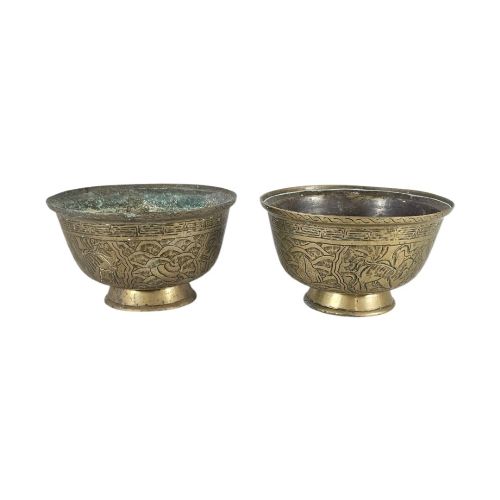
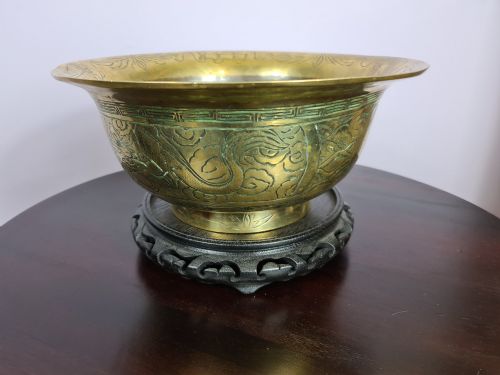
The selection ranges from scholar's censers and ceremonial gu ritual vessels to decorative bowls, plates, and sake kettles inlaid with hardstone or detailed with relief panels. These items reflect traditional Eastern aesthetic values, utilising motifs derived from nature, folklore, and dynastic history.
Vessels on this page emerge from distinct regional traditions, combining utilitarian form with intricate surface ornamentation. Whether examining a heavy bronze vase or a white metal lotus dish, each piece demonstrates the historical metalworking skills of Asian artisans.
Materials and Construction
Metalworkers utilised copper alloys such as bronze and brass as the primary foundation for casting heavy vessels, censers, and vases. Molten metal was poured into moulds to create solid structural forms before artisans refined the surfaces through chasing and engraving.
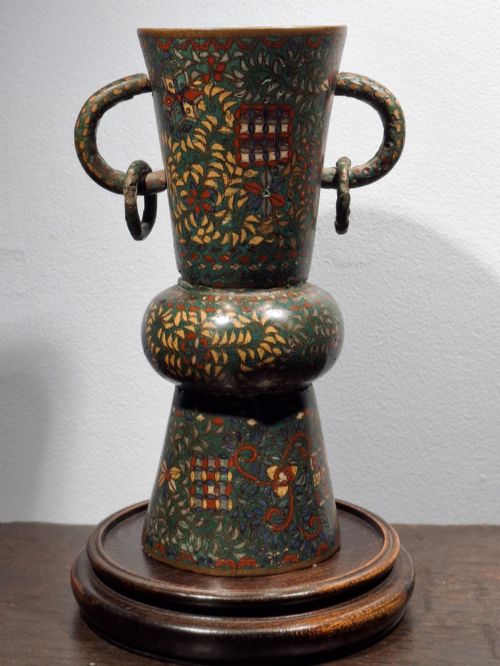
Surface decoration frequently incorporated champleve and cloisonne enamel techniques, where glass pastes were fused within metal compartments to produce vibrant coloured patterns. Craftsmen also applied white metal and inlaid jade or hardstone to accent specific details on bowls and censers.
Antique Oriental Metalware Retail Price Guide 2026
Typical asking prices for oriental metalware among the pieces listed under this phrase on Sellingantiques today, from the lower quarter to the upper quarter. They describe what is for sale here now, not the wider market.
The inventory spans the Ming and Qing dynasties, the Edo and Meiji periods, and Victorian manufacturing eras.
Judging Quality
Quality rests upon the precision of the casting and the crispness of the chased or carved relief work. Superior items display balanced proportions, clean lines, and securely fitted components like censer covers and stands.
The sophistication of the surface decoration, whether through meticulous cloisonne enamel cells or the subtlety of hardstone inlay, separates standard production from exceptional examples. Weight and structural integrity further indicate the standard of the original workshop.
The Antique Oriental Metalware Glossary
- Censer
- A vessel designed for burning incense during ceremonial or domestic practices. These items often feature pierced covers to allow fragrant smoke to disperse.
- Cloisonne
- An enamelling technique where metal wires are soldered to a base to create cells filled with vitreous paste, which is then fired and polished.
- Gu
- An ancient ritual vessel form characterised by a flared trumpet neck, slender central stem, and expanded base. These ceremonial pieces were later adapted into decorative posy vases.
- Champleve
- An enamelling method where troughs or cavities are gouged into the metal surface and filled with enamel prior to firing. This technique produces bold, coloured patterns across bronze objects.
- Tsubo
- A traditional Japanese jar or vase form featuring a rounded body and a defined neck, frequently cast in bronze during the Meiji period.
Antique Oriental Metalware: Frequently Asked Questions
How are antique oriental bronze censers cleaned?
Maintain these metal surfaces simply by dusting with a soft, dry cloth to preserve any historical patina or finish. Avoid using chemical polishes, water, or abrasive materials that might damage delicate enamel work or ancient metal surfaces.
Allow the natural ageing process to remain visible, as removing the accumulated character of centuries diminishes the historical integrity of the piece.
What is a Ming dynasty bronze scholar's censer?
These censers were utilised by scholars for burning incense during meditation, writing, or contemplation in traditional studies. They were cast in heavy bronze and decorated with subtle relief panels representing classical motifs.
Such vessels reflect the refined aesthetic values of the period and represent some of the earliest metalwork forms found in regional collections.
Can antique brass and bronze bowls be used daily?
While these decorative bowls and dishes were originally created for functional or ritual purposes, modern placement usually involves display rather than heavy domestic use. Placing them on stable surfaces protects fragile inlays, white metal finishes, and historic patinas from accidental wear.
If utilised for holding items, ensure soft liners protect the interior base from scratching.