

Antique Oriental Frame
These pieces gather framed Oriental art, mirrors and textiles from the nineteenth and early twentieth centuries, offering a distinct cultural presence for the wall.
Antique Oriental Frame
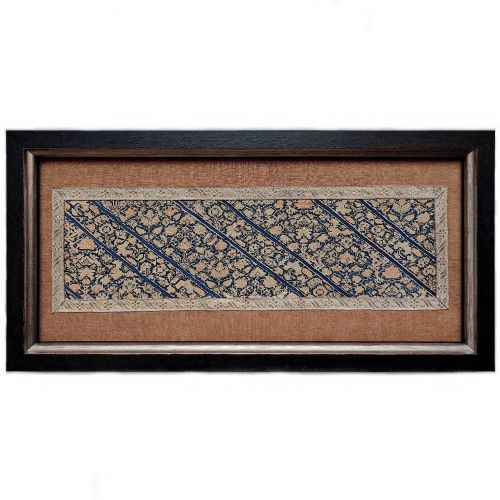
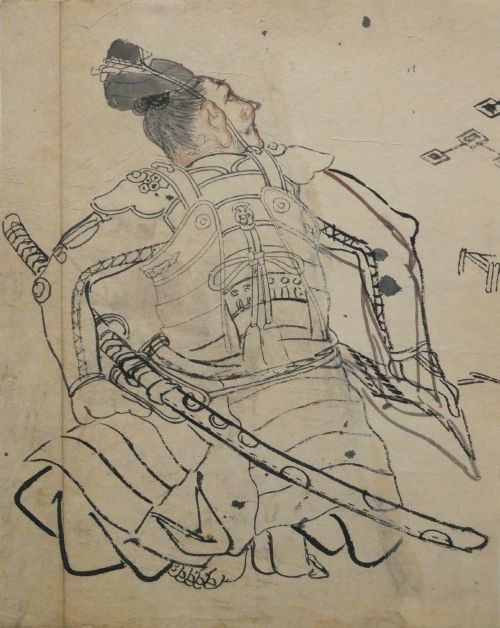
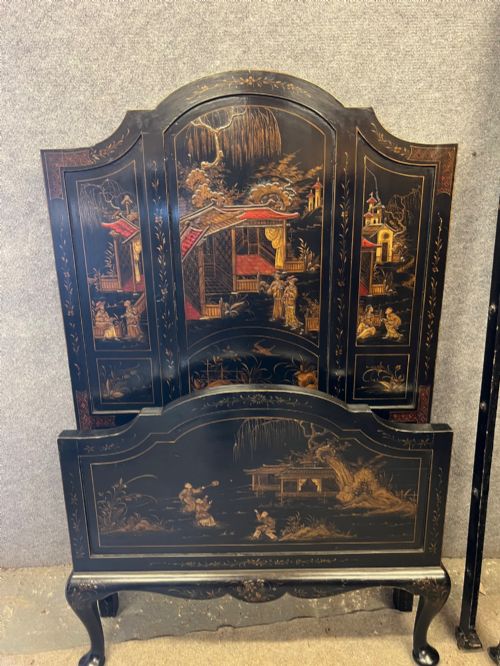
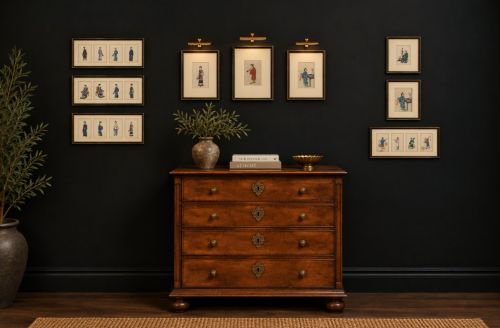
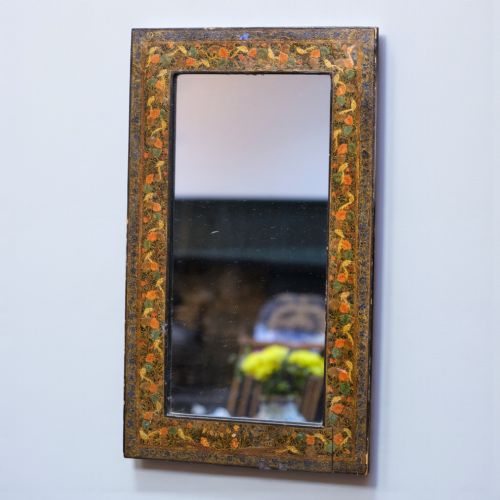
The search for an antique oriental frame leads through a diverse gathering of wall mirrors, paintings, scrolls and textiles spanning the nineteenth and early twentieth centuries. Pieces range from carved wood mirrors originating in Kashmir and Hoshiarpur to Chinese export watercolours and Japanese woodblock prints set in period surrounds.
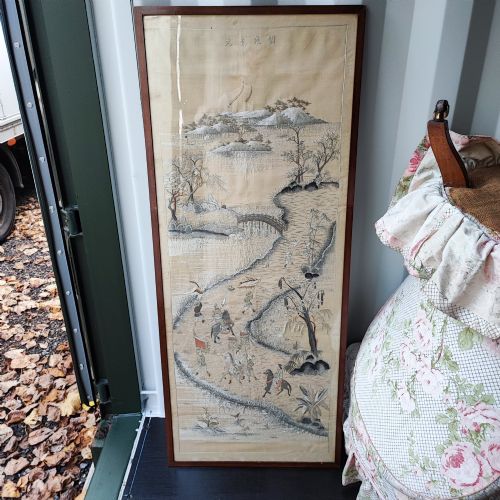
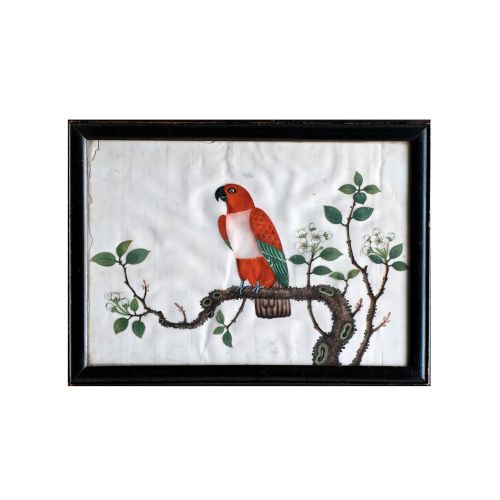
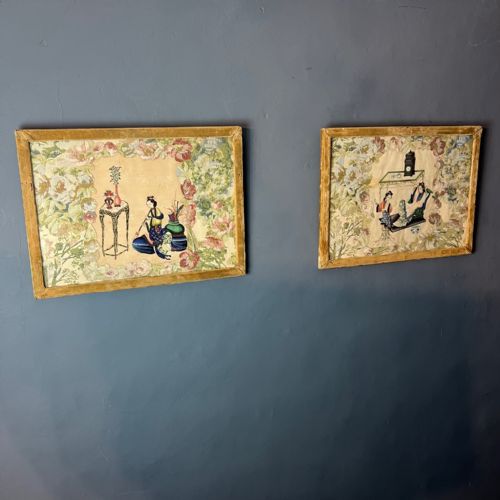
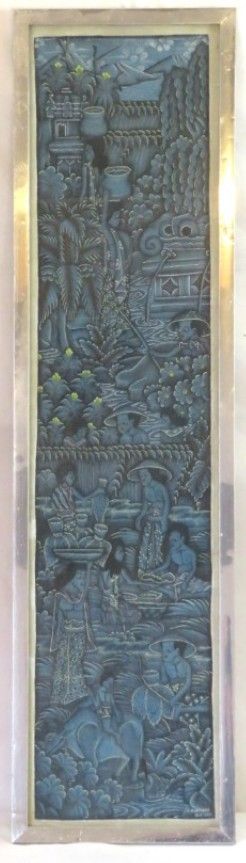
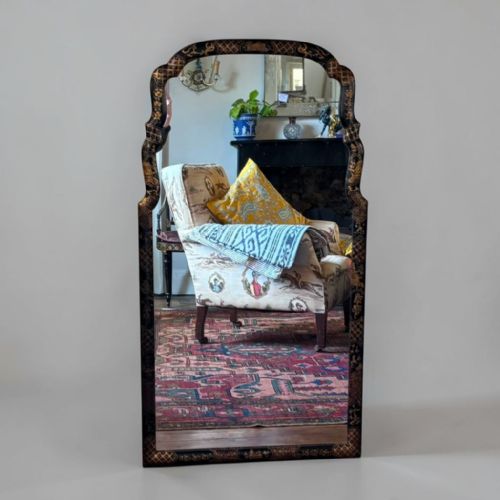
Buyers are most likely to encounter Chinoiserie wall mirrors finished in lacquer or gilt, alongside framed silk embroideries and pith paintings from the Qing dynasty. These items reflect both traditional eastern craftsmanship and the western taste for exotic interior decoration that emerged across the Edwardian era.
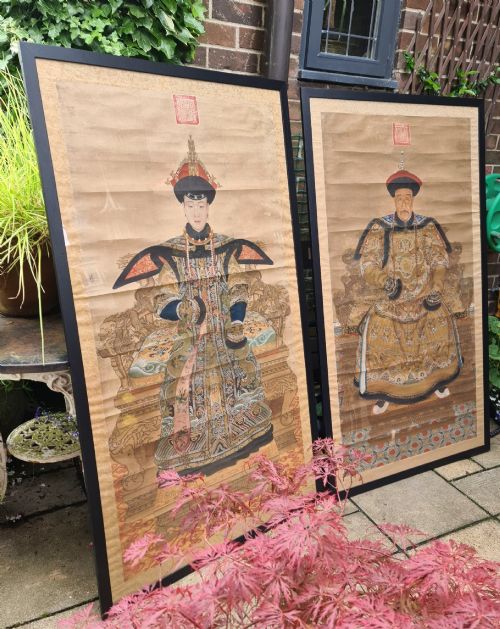
Forms vary significantly, encompassing single wall hangings, pairs of decorative mirrors, and larger ancestral scrolls designed to command a room. The materials housing these works are integral to the object, connecting the visual art directly to its regional woodworking and framing traditions.
Materials and construction methods
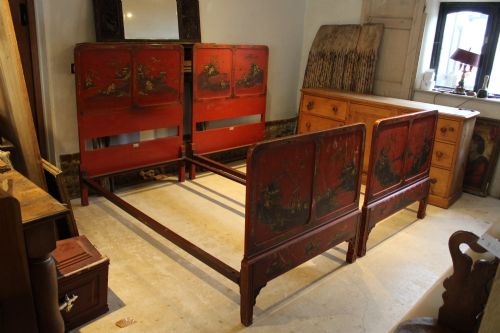
Construction relies heavily on traditional regional timbers, including suanpan wood and walnut, shaped into intricate frames for mirrors and panels. Surface decoration frequently employs applied gold leaf, red lacquer, and detailed brass or bone inlay as seen in pieces from Kashmir and Syria.
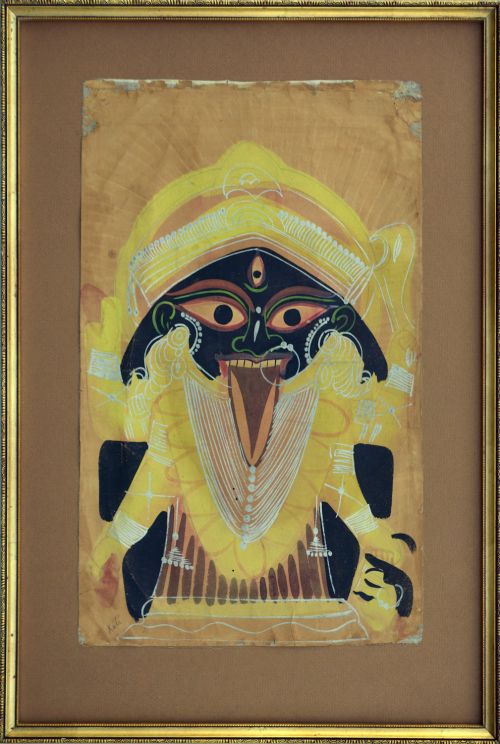
The artworks housed within these surrounds utilise diverse media such as gouache on pith paper, watercolours on silk, and woodblock printing on paper. Glass protection is common for delicate textiles and watercolours, secured within hand-assembled wooden rebates typical of the period.
Antique Oriental Frame Retail Price Guide 2026
Typical asking prices for oriental frame among the pieces listed under this phrase on Sellingantiques today, from the lower quarter to the upper quarter. They describe what is for sale here now, not the wider market.
Several mirrors feature intricate hand-carved frames that clearly spent a century admiring different walls before finally finding their way here.
Judging quality and execution
Quality rests upon the precision of the framecarving and the stability of traditional surface treatments like lacquer and gold leaf. Finer examples display crisp detail in inlaid brass or carved woodwork without modern structural replacements.
The integrity of the internal artwork or mirror plate heavily influences the overall standard, with hand-painted silks and early woodblock prints holding greater visual authority. Original glass and undisturbed backing materials further distinguish superior examples from heavily restored pieces.
Kitagawa Utamaro·Frederick Goodall·Warwick Goble
The Antique Oriental Frame Glossary
- Chinoiserie
- European interpretation and imitation of Chinese and East Asian artistic traditions, often applied to mirrors and furniture. This style gained immense popularity during the eighteenth and early twentieth centuries.
- Pith paper
- A delicate material made from the pith of the Tetrapanax papyrifer plant, commonly used in nineteenth-century Chinese export watercolours. Paintings on this surface possess a distinct velvety texture.
- Woodblock print
- A technique for printing text, images or patterns used widely in Japan, where ink is transferred from carved wooden blocks to paper. Works by notable printmakers form a significant part of eastern framed art.
- Qing Dynasty
- The final imperial dynasty of China, lasting from the seventeenth century until nineteen twelve. Many surviving textiles, scrolls and mirror frames originate from the later decades of this period.
Antique Oriental Frame: Frequently Asked Questions
How do I hang a heavy carved mirror?
Heavy carved wood and brass inlaid mirrors require secure wall fixings suited to the specific weight of the timber and glass. Using professional wall anchors into masonry or finding studs in plasterboard ensures the piece hangs safely.
Verify that the hanging wire or integrated brackets on the back of the frame are structurally sound before mounting. Distributing the weight across two points prevents strain on the original antique joints.
Are silk paintings sensitive to light?
Silk and paper artworks from the nineteenth century are highly susceptible to fading when exposed to direct sunlight. Positioning these framed pieces away from bright windows preserves the natural pigments of the watercolours and threads.
Using museum-grade UV-filtering glass provides an additional layer of protection against environmental degradation. This helps maintain the integrity of delicate embroidered panels and painted scrolls over time.
How do I clean an antique lacquered frame?
Dust lacquered and gilded frames gently with a soft, dry microfibre cloth to remove surface particles without scratching. Avoid chemical cleaners or excessive moisture, which can damage aged lacquer and delicate gold leaf surfaces.
For stubborn dust in carved crevices, a clean artist's paintbrush can lift debris safely. Maintaining a stable indoor humidity prevents the underlying wood from expanding and cracking the lacquer finish.
How can I tell the age of a Chinoiserie mirror?
Examining the construction of the wooden frame, the backing boards, and the characteristics of the mirror plate helps determine age. Older mirrors often feature bevelled glass with minor oxidation and hand-cut joinery rather than modern fixings.
The style of the lacquer work and the specific pigments used in the painted decoration also offer clues to the manufacturing period. Comparing the construction to dated examples narrows down the likely decade of origin.