

Antique Oriental Chairs
These antique oriental chairs bring centuries of refined craftsmanship and distinct regional forms straight into a modern interior.
Antique Oriental Chairs
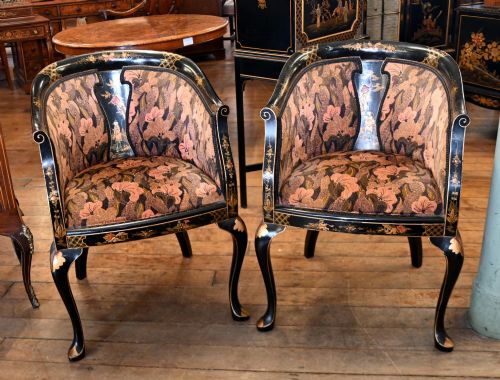
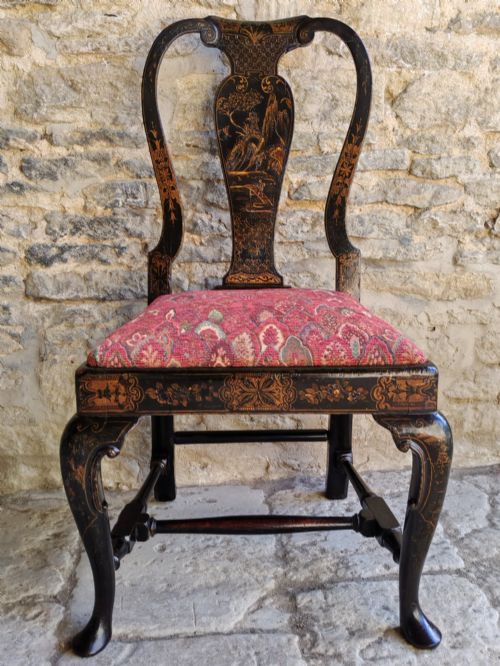
When a buyer searches for antique oriental chairs, they encounter a diverse selection of seating originating primarily from China and surrounding regions, spanning the eighteenth century through to the early twentieth century. The inventory on this page draws heavily from the nineteenth century, alongside earlier eighteenth-century examples and later pieces from the nineteen-twenties.
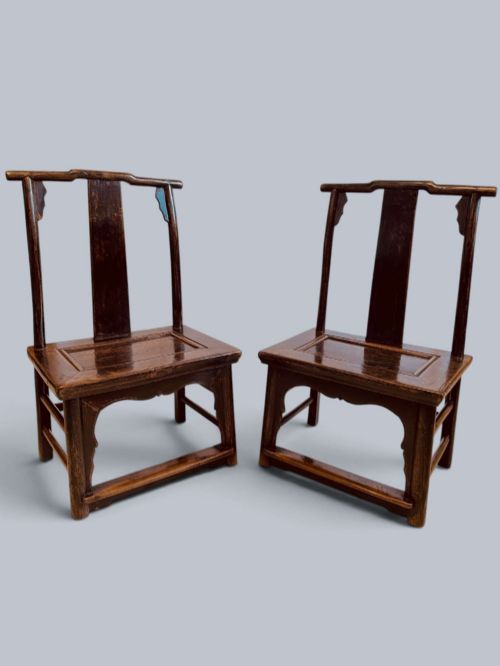
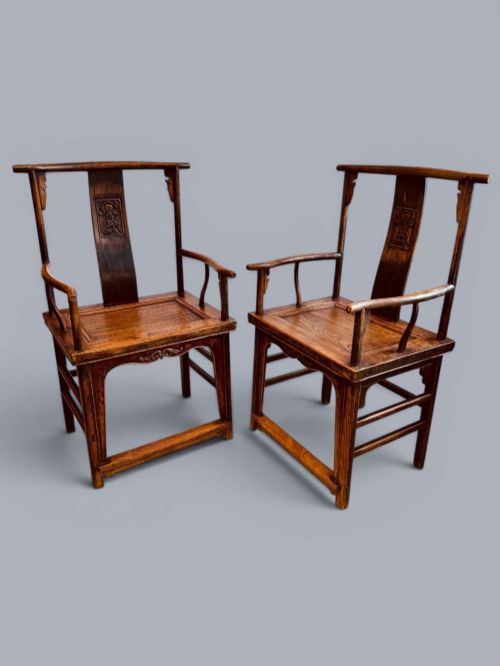
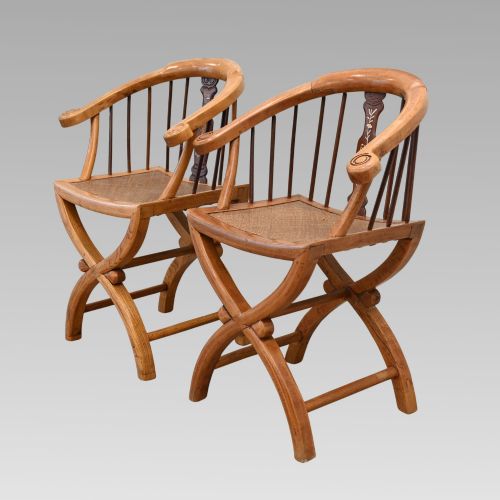
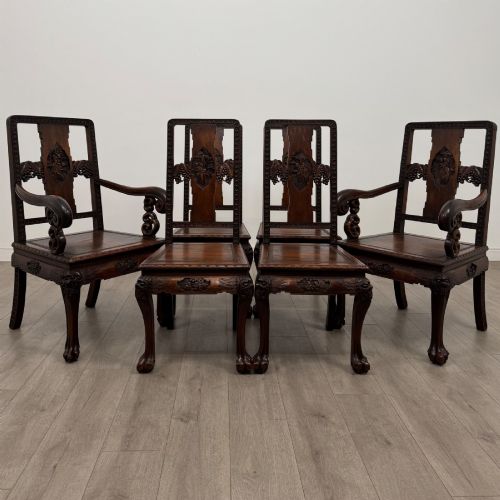
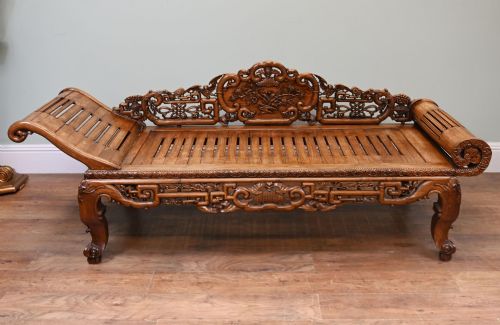
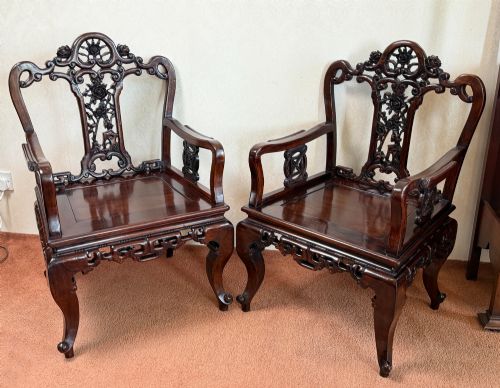
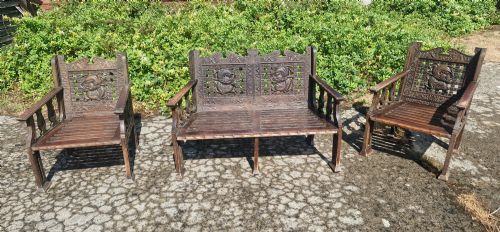
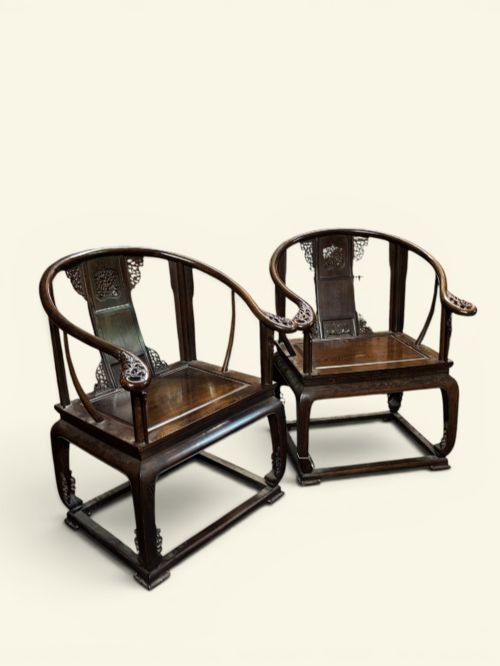
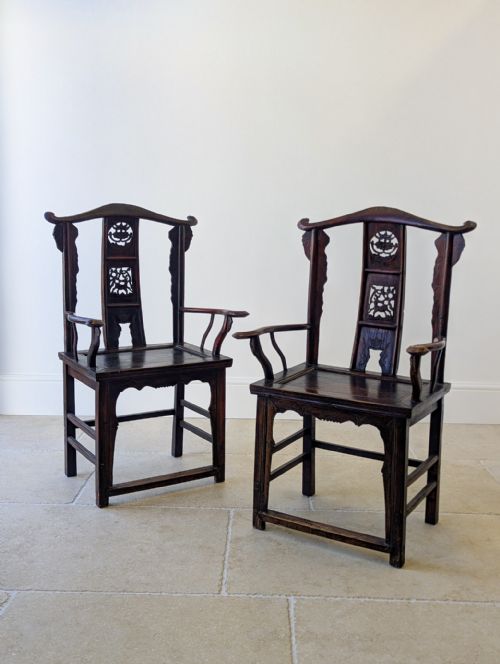
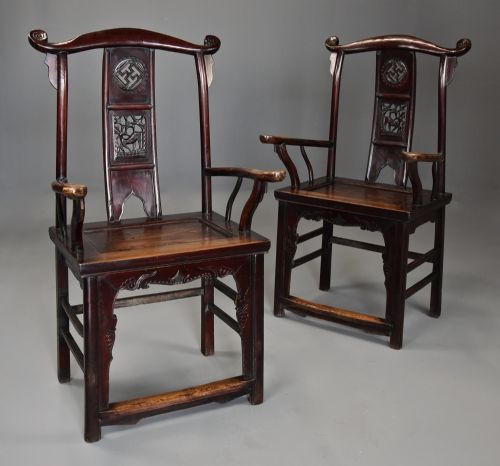
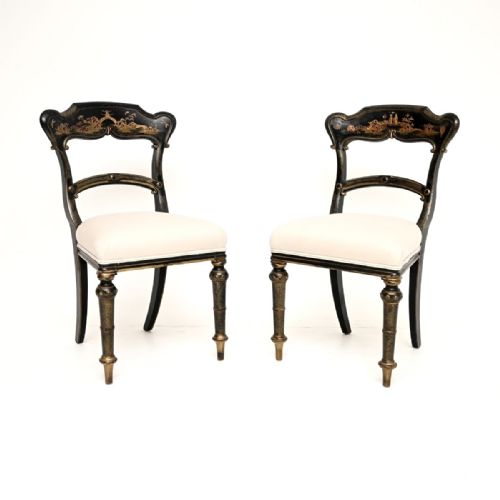
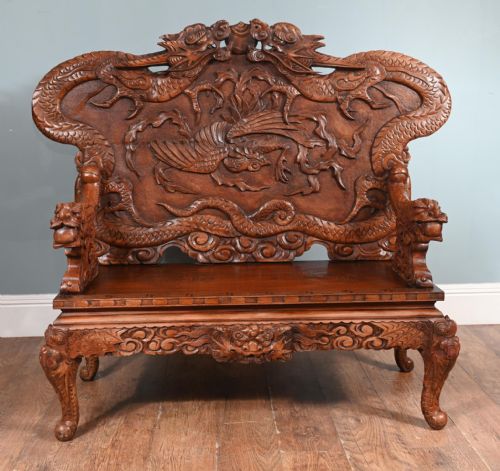
The forms vary widely, ranging from classic horseshoe-back armchairs and yoke-back models to side chairs, benches, settling seats, and occasional parlour suites. Buyers frequently find pairs of elm or hardwood armchairs, often linked to the Qing Dynasty or later export traditions.
Regional influences such as Anglo-Indian design also appear alongside domestic Chinese forms like lamp hanger chairs and throne chairs. These items function equally well as standalone sculptural pieces or as matching seating for domestic interiors and studies.
How they were made
Carpenters utilised dense native timbers such as elm, teak, rosewood, huanghuali, and hongmu, selecting each for its structural integrity and grain. Joinery often relied on traditional interlocking wooden joints rather than metal fasteners, allowing the timber to expand and contract naturally.
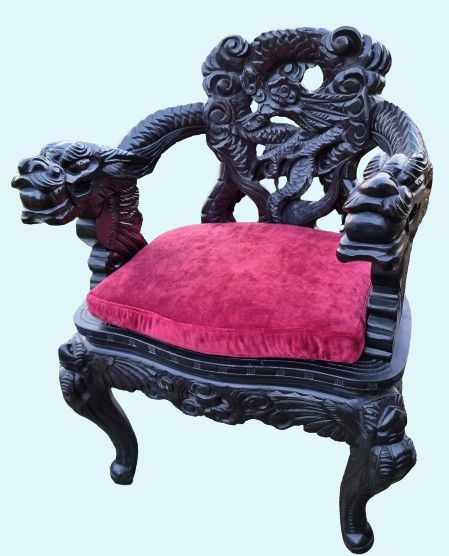
Surface finishes involved layered applications of lacquer, cinnabar, paint, or natural wax to protect the wood and build a deep patina. Artisans also incorporated cane work for seating panels and applied intricate brass inlays or deep relief carvings depicting dragons and traditional motifs.
Antique Oriental Chairs Retail Price Guide 2026
Typical asking prices for oriental chairs among the pieces listed under this phrase on Sellingantiques today, from the lower quarter to the upper quarter. They describe what is for sale here now, not the wider market.
Listings feature woods spanning elm, teak, rosewood, and huanghuali across the eighteenth, nineteenth, and early twentieth centuries.
What varies in quality
The standard of carving distinguishes exceptional examples from standard production, with superior pieces displaying crisp, deep relief work on the crest rails and back splats. The integrity of the original timber and the retention of an unblemished natural or lacquered patina play a decisive role in establishing the standing of a piece.
The complexity of the form itself dictates the level of craftsmanship required, particularly in complex structures like folding horseshoe-back throne chairs and continuous crestrail designs. Original surfaces, such as surviving red lacquer or cane work, elevate the integrity of the object compared to later refinishing.
The Antique Oriental Chairs Glossary
- Yoke-back
- A chair design featuring a top rail that curves upwards at the ends, resembling an ox yoke. This form provided comfortable head and neck support for the sitter.
- Horseshoe-back
- A continuous, curved arm and back rail that sweeps down in a single fluid line. This ergonomic shape allows the user to rest their arms comfortably at various angles.
- Cinnabar lacquer
- A decorative technique involving multiple coats of red vermilion lacquer carved with detailed motifs. It requires immense patience from the artisan, who carves into the hardened layers.
- Hongmu
- A translation meaning red wood, referring to a category of dense, heavy Asian hardwoods used in elite furniture production. It possesses a dark, rich colour that deepens with age.
- Lamp hanger
- A style of armchair featuring a protruding top rail reminiscent of traditional street lamp supports. The design is typical of classical Chinese scholar furniture.
Antique Oriental Chairs: Frequently Asked Questions
How do I identify a Qing Dynasty chair?
Qing Dynasty chairs typically display robust proportions, dense hardwoods like hongmu or elm, and detailed carved motifs reflecting traditional symbolism.
Examining the construction methods and the depth of the patina helps confirm the period of manufacture.
Were these chairs used for dining?
Most antique oriental chairs functioned as seating for scholars, officials, or formal reception rooms rather than standard dining use. Side chairs and armchairs were positioned against walls or around low tables for tea.
Lower seating heights and distinctive arm designs suited traditional domestic rituals.
How should I care for lacquered wood?
Lacquered surfaces require gentle cleaning with a soft, dry cloth to prevent dust accumulation. Avoid exposure to direct sunlight and extreme humidity fluctuations, which can cause the lacquer to crack.
Applying mild furniture wax occasionally helps preserve the finish on unlacquered hardwood sections.