



Antique Okimono
Antique okimono are Japanese display carvings and metalwork sculptures created to adorn domestic spaces.
Antique Okimono
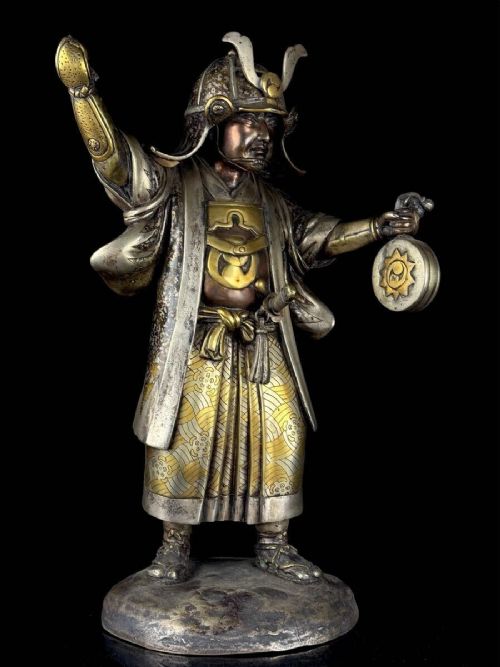
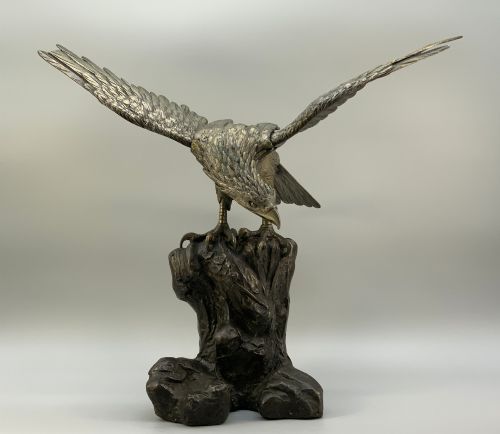
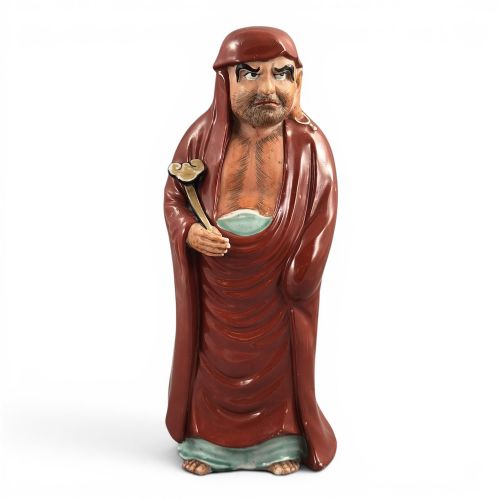
When you search for antique okimono, you encounter standalone Japanese decorative sculptures designed strictly for display rather than utility. These pieces take the form of animals, human figures, and mythical subjects intended for alcoves or cabinet tops.
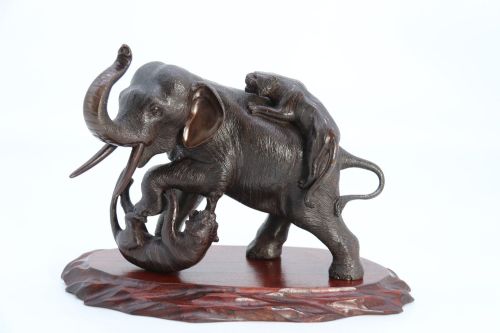
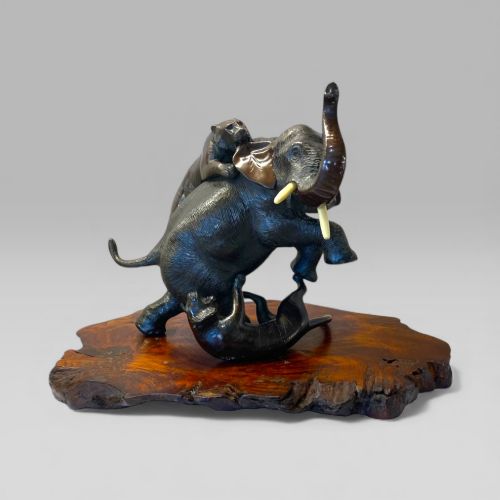
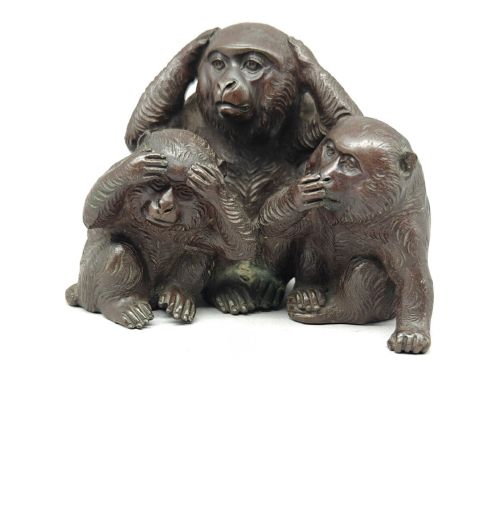
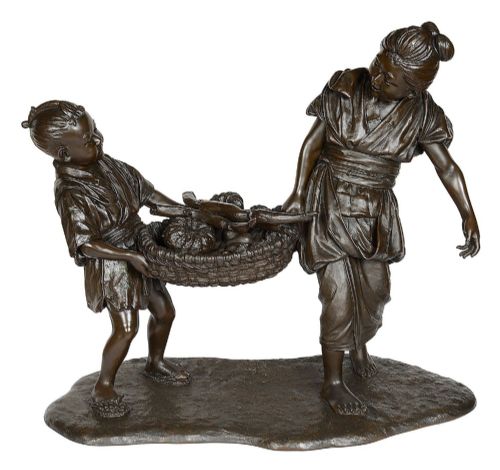
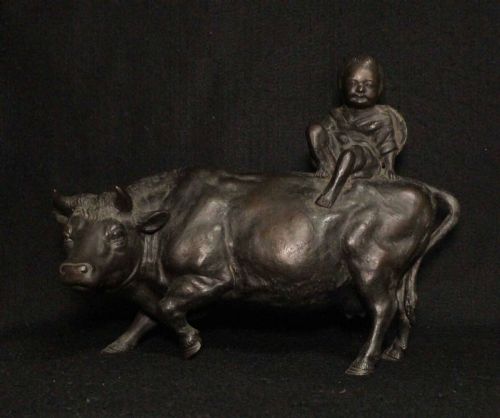
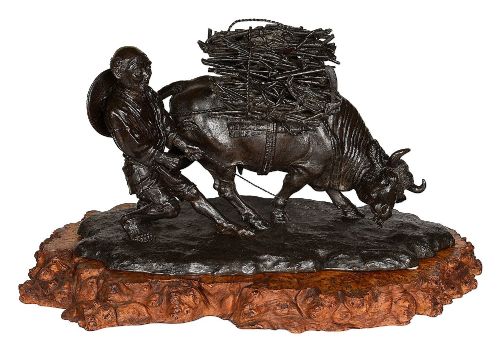
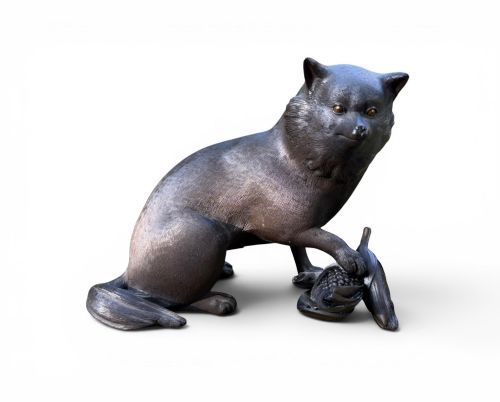
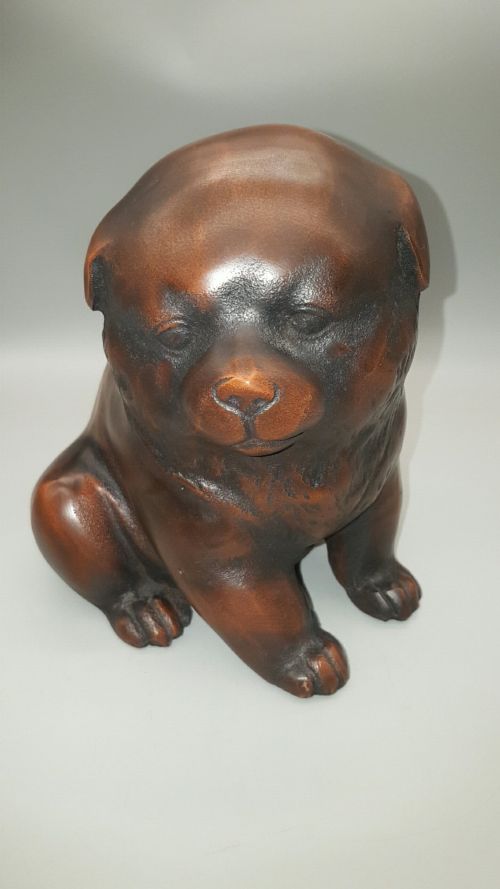
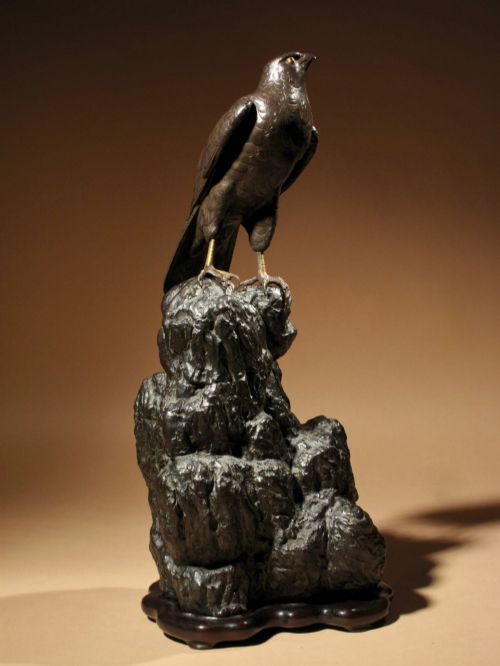
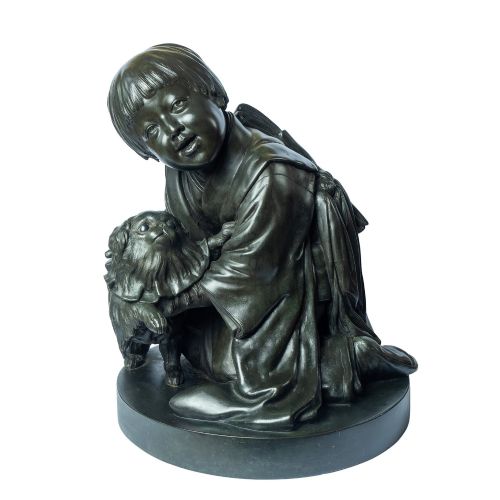
The selections here are dominated by works from the Meiji period and the nineteenth century, executed in cast bronze, carved wood, and ceramic forms such as Satsuma and Hirado porcelain. Animals ranging from elephants and tigers to insects and domestic puppies appear frequently.
Figural subjects draw heavily from folklore and daily life, depicting scholars, deities, and labourers engaged in ordinary tasks. Smaller netsuke carvings also bridge the boundary between functional toggles and miniature display pieces.
How they were made
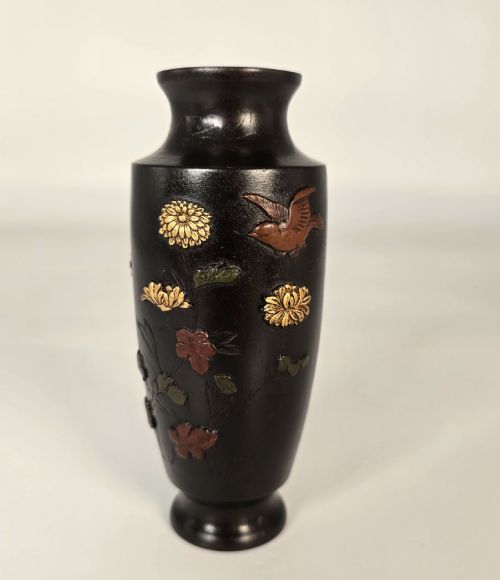
Metalwork okimono rely on lost-wax casting in bronze, often enhanced with patination, gold inlay, shakudo, and mixed-metal details to create texture and tone. Artisans manipulate the alloy surfaces to render fur, feathers, and shell with striking fidelity.
Carved pieces utilise boxwood, bamboo, and hardwoods, shaped with fine hand tools to bring out the grain and allow for intricate, articulated elements. Ceramic examples employ regional kilns, porcelain clays, and enamels for glazed finishes.
Antique Okimono Retail Price Guide 2026
Typical asking prices for okimono among the pieces listed under this phrase on Sellingantiques today, from the lower quarter to the upper quarter. They describe what is for sale here now, not the wider market.
Several bronze creatures feature fully articulated legs and antennae that move just like their living counterparts.
What varies in quality
The distinction between standard commercial output and superior work lies in the sharpness of the casting or carving and the naturalism of the posture. Master metalworkers and carvers capture musculature, tension, and anatomical accuracy with remarkable precision.
Signatures by recognised artists or workshops elevate a piece, reflecting the maker's reputation and command over specialised techniques like articulated joints or complex patination. Surface preservation and the retention of original inlay details also dictate the standing of an object.
Jomi Eisuke·Tsunemitsu·Shosai·Kaniya Kuniharu·Makuzu Kozan II·Tomochika·Kizan·Seiunsai Miyamoto Sei·Unno Shomin
The Antique Okimono Glossary
- Okimono
- A Japanese freestanding ornamental sculpture made for interior display. These decorative objects range from miniature wood carvings to large bronze figures.
- Shakudo
- A Japanese billon of copper and small amounts of gold that turns a dark blue-black or purple when patinated. Metalworkers utilise this alloy for contrasting decorative elements on bronze sculptures.
- Netsuke
- A small carved toggle fastened to the end of a cord attached to a pouch or small container worn on a traditional kimono sash. Many examples double as miniature okimono.
- Patinated Bronze
- A metal sculpture treated with chemical solutions to produce a specific surface colour and finish. This process protects the bronze while enhancing the visual depth of the form.
- Meiji Period
- The era of Japanese history running from 1868 to 1912, marked by a massive output of metalwork and ivory or wood carvings destined for export.
Antique Okimono: Frequently Asked Questions
What is an okimono?
An okimono is a traditional Japanese decorative sculpture made for placement in a room or on a display shelf. The word translates directly to placing object.
Unlike utilitarian items, these pieces exist purely for aesthetic appreciation. They capture animals, deities, and genre scenes with high artistic skill.
How do I display okimono?
These sculptures suit flat surfaces such as sideboards, mantelpieces, or dedicated display cabinets where viewers can examine them closely. Larger bronze animal figures sometimes sit directly on the floor or in garden settings.
Lighting plays a key role in revealing the fine patination on bronzes and the intricate grain of wood carvings. Keeping them out of direct sunlight protects delicate finishes and organic materials.
How do I identify Meiji period pieces?
Meiji period items often feature high realism, intricate mixed-metal details, and sophisticated patination techniques developed for international exhibitions. Many carry artist signatures or studio marks on the base.
The subject matter frequently reflects the opening of Japan to Western trade, combining traditional folklore subjects with unprecedented technical naturalism in bronze, wood, and ceramic.