

Antique Oil Print
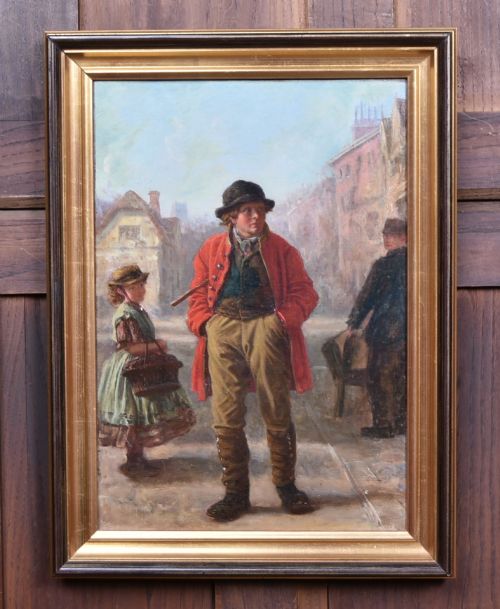
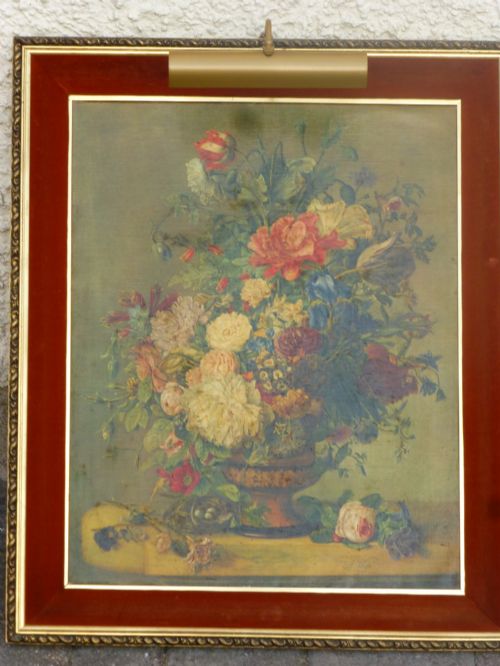
An antique oil print captures the rich brushwork and luminous tones of traditional painting, offering a decorative focal point for domestic interiors.
Antique Oil Print
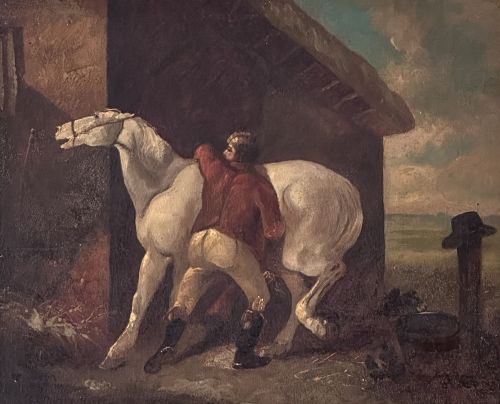
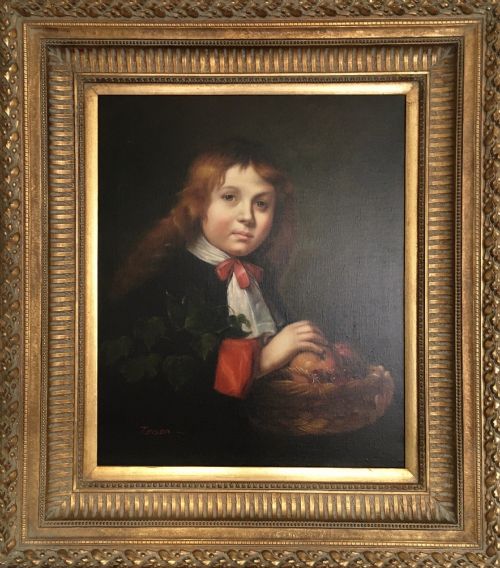
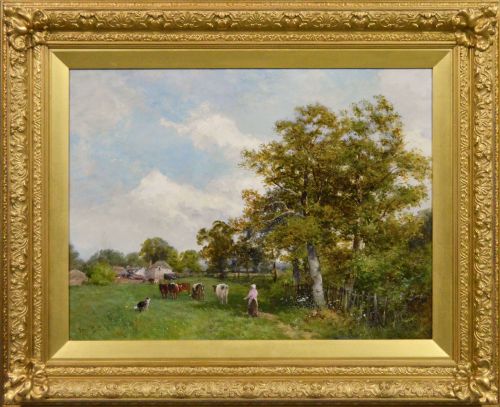
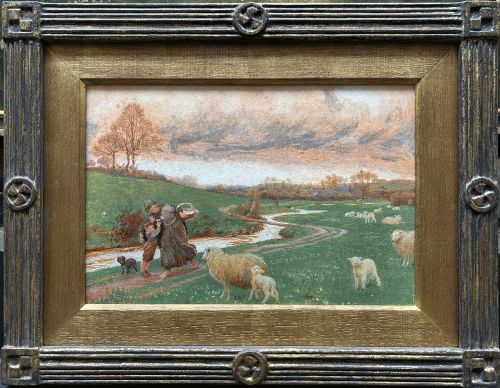
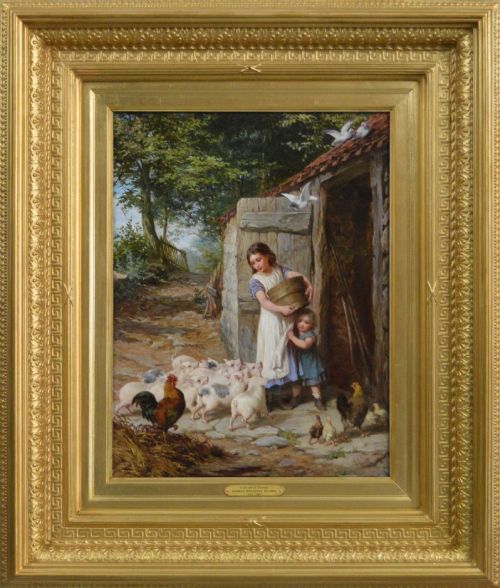
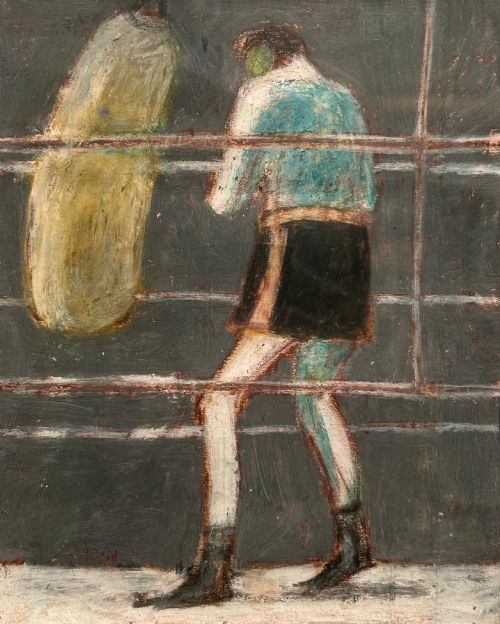
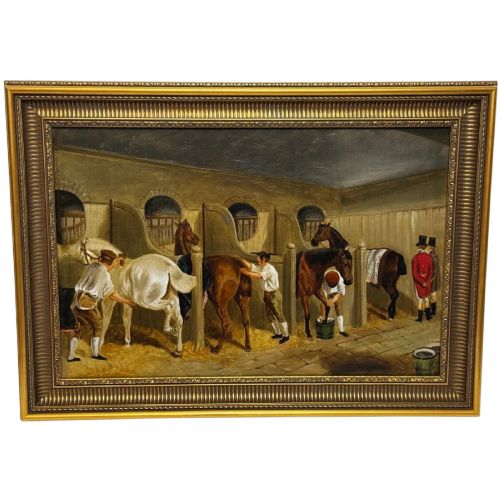
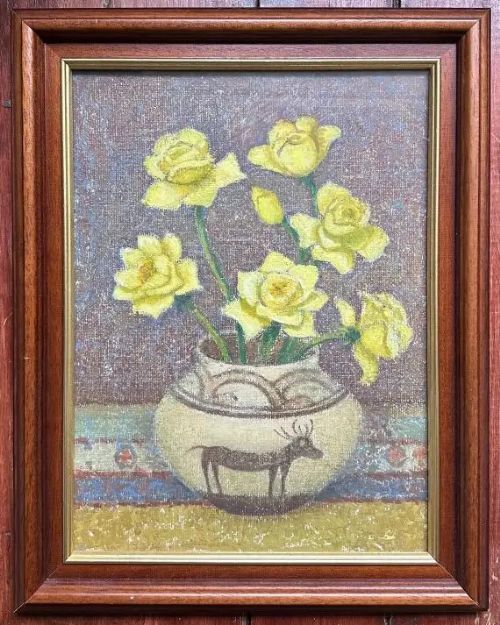
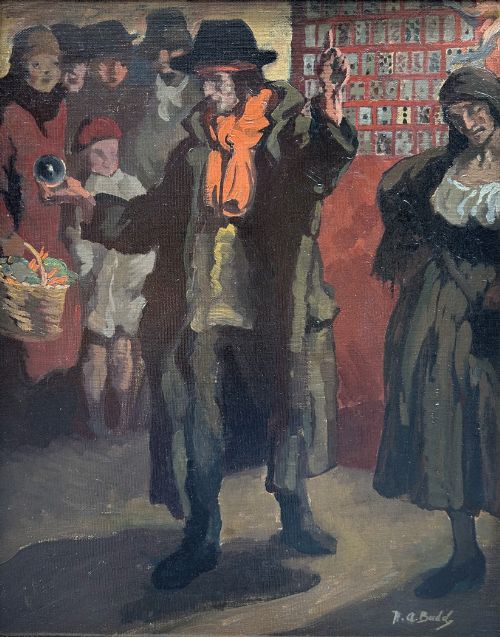
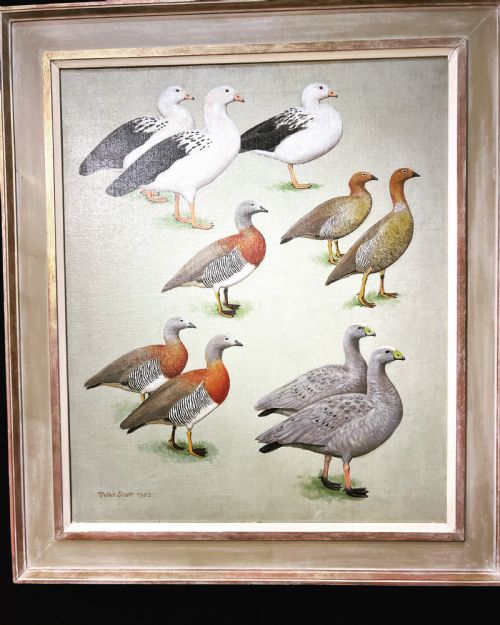
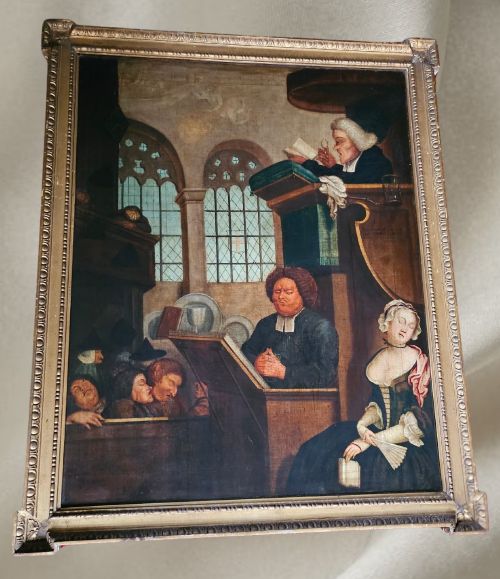
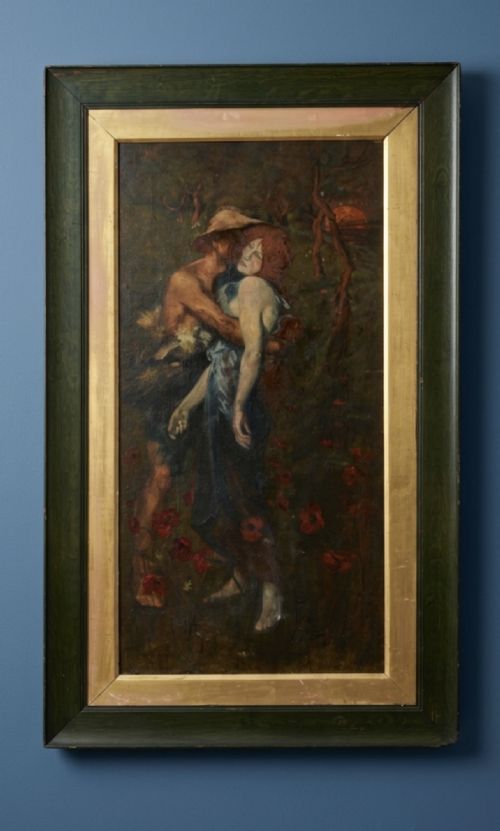
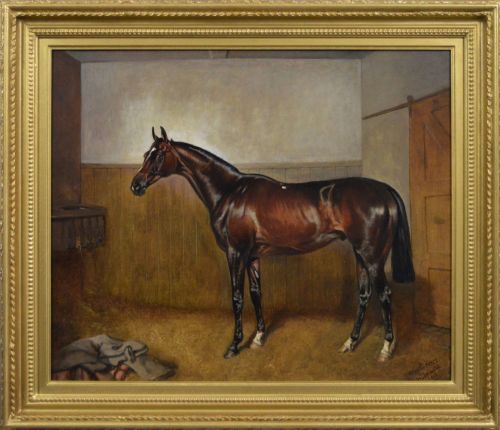
When buyers search for an antique oil print, they encounter a diverse selection of framed artworks spanning multiple centuries and subjects. The inventory on this page consists predominantly of nineteenth-century and Victorian oil paintings, equestrian scenes, portraits, and landscapes rendered on canvas or board.
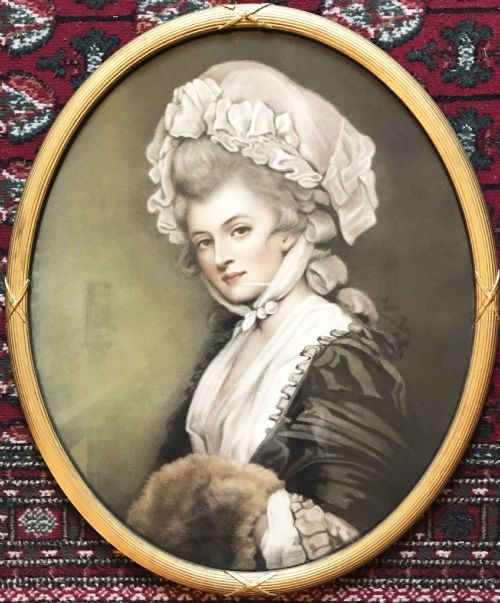
Beyond traditional hand-painted oils, the category includes embellished oleographs and glazed portrait prints that reproduce earlier masterpieces. These works bridge the gap between unique fine art and period reproduction, framed in heavy giltwood or wood mouldings suited to traditional interiors.
How they were made
The physical construction of these pieces relies on traditional painterly materials such as oil pigments applied to stretched canvas, wooden boards, or paper supports. Many works incorporate gesso and giltwood frames that provide structural support and decorative ornamentation.
Print-based iterations utilise mechanical reproduction techniques, sometimes enhanced with surface texturing or hand-applied varnish to simulate the impasto and finish of genuine oil paintings. Glazing in glass is frequently employed to protect paper prints and delicate oleographs from environmental damage.
Antique Oil Print Retail Price Guide 2026
Typical asking prices for oil print among the pieces listed under this phrase on Sellingantiques today, from the lower quarter to the upper quarter. They describe what is for sale here now, not the wider market.
Listings feature works spanning from the seventeenth century through to the mid-twentieth century, with a strong concentration of Victorian material.
What varies in quality
Quality in these artworks is determined by the fidelity of the composition, the skill of the brushwork, and the originality of the execution. Hand-painted canvases by named artists command greater attention than mass-produced mechanical prints, though technical execution varies widely across both mediums.
The integrity of the framing materials also influences the overall standard of the piece. Intricate giltwood frames with original gesso moulding indicate higher period craftsmanship compared to plain or later replacement surrounds.
David Bates·George Augustus Holmes·John Alfred Wheeler·Charles Burton Barber·Alfred Wheeler
The Antique Oil Print Glossary
- Oleograph
- A mechanical colour lithograph produced on canvas to imitate an oil painting. The surface is often embossed to simulate brush texture.
- Giltwood
- Timber that has been coated with a thin layer of gold leaf or gilt paint. It is commonly found on traditional nineteenth-century picture frames.
- Gesso
- A plaster-like binder mixture applied to wood or canvas before painting or gilding. It provides a smooth base for intricate frame mouldings.
- Impasto
- The technique of laying paint thickly on a canvas so that it stands out from the surface. This creates a tactile, three-dimensional quality in oil paintings.
Antique Oil Print: Frequently Asked Questions
What is an oleograph?
An oleograph is a mechanical colour print produced on canvas to resemble an oil painting. Manufacturers used lithographic stones to build up layers of ink, often pressing the surface to mimic canvas texture.
These pieces offered Victorian households an affordable way to display popular artistic imagery. They bridge the gap between fine art and industrial printing.
How do I care for framed oils?
Painted canvases require stable indoor humidity and protection from direct sunlight to prevent pigment fading and canvas slackening. Dust frames gently with a dry, soft cloth without applying moisture or chemical cleaning agents.
Glazed pieces should be cleaned with standard glass cleaner applied to a cloth rather than sprayed directly. This prevents liquid from seeping behind the glass and damaging the paper or print beneath.
Are these works original?
The selection includes both genuine hand-painted oil works and period reproduction prints. Catalogues specify whether a piece is an original oil on canvas or a print reproduction.
Examining the surface under magnification reveals the difference between flat printed dots and raised brush strokes. Signatures and stretcher bars also help establish the authenticity of painted works.
How were Victorian frames made?
Victorian frames were constructed from timber carcasses covered in gesso and finished with gold leaf or metallic paint. Artisans carved or moulded intricate floral and geometric patterns into the gesso layer.
These heavy surrounds were designed to complement the grandeur of nineteenth-century oil paintings. Original frames often display shrinkage cracks and minor gilt wear consistent with age.