



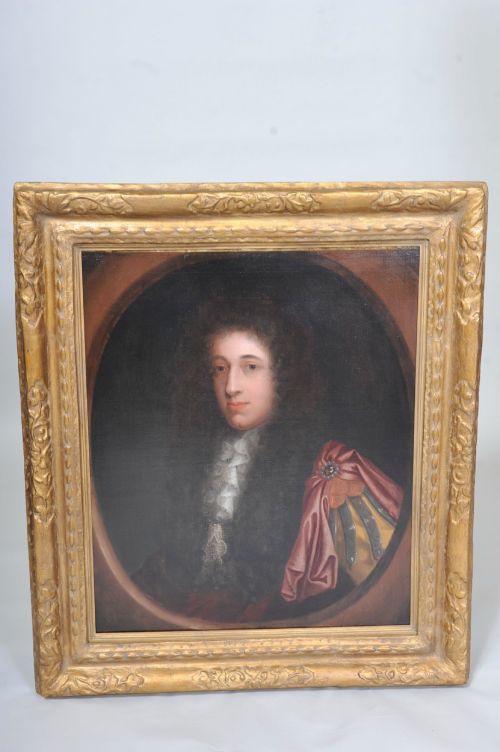
Antique Oil Picture Painting
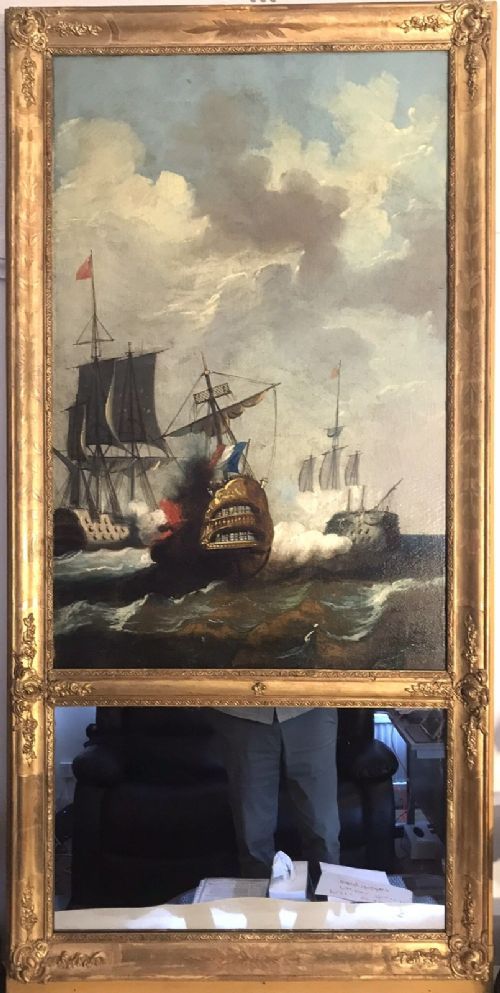
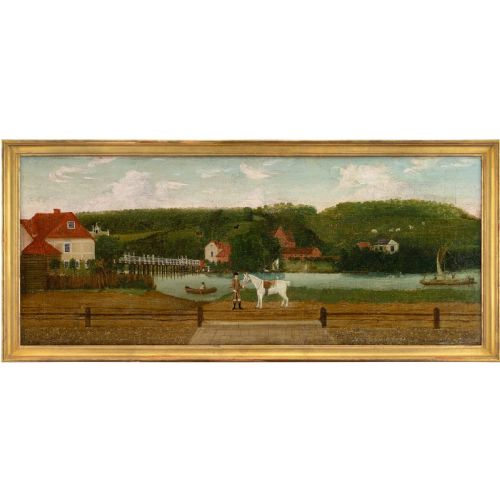
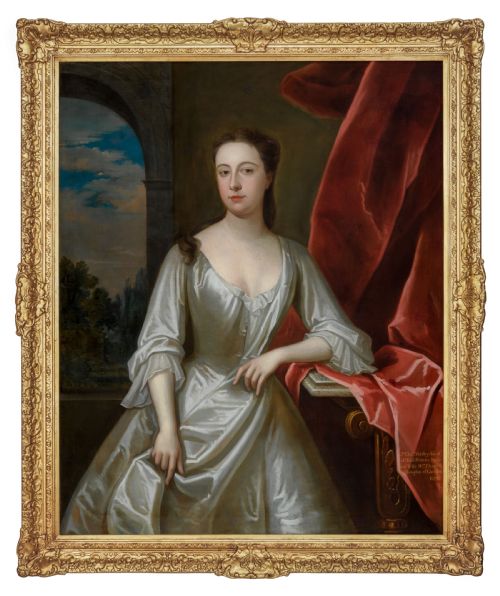
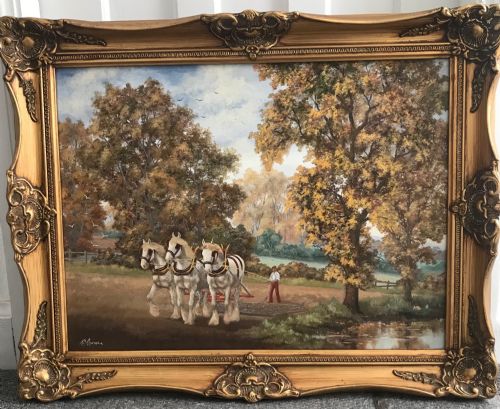
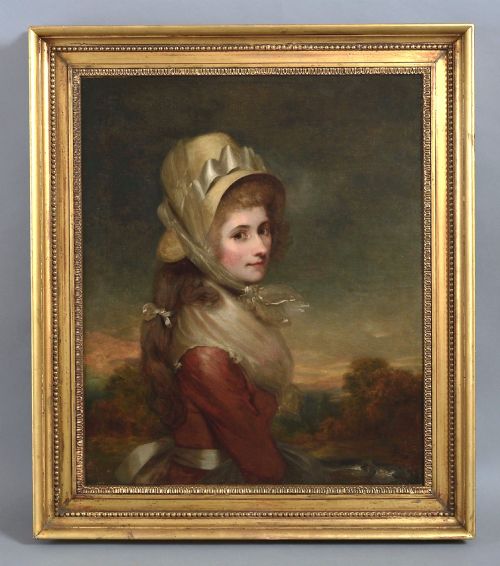
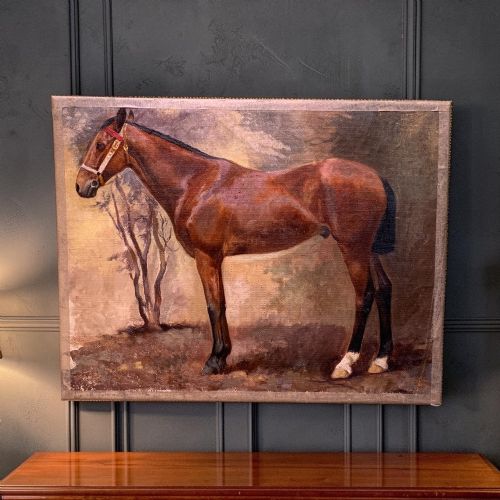
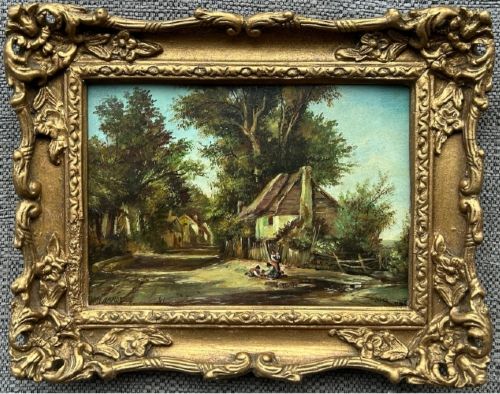
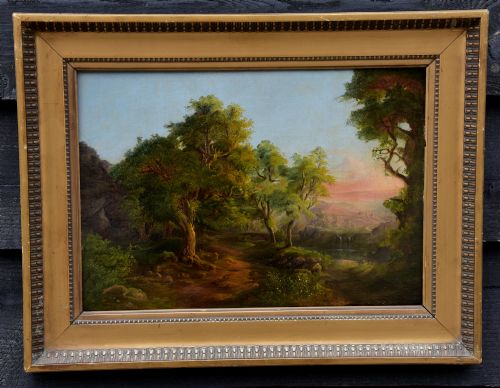
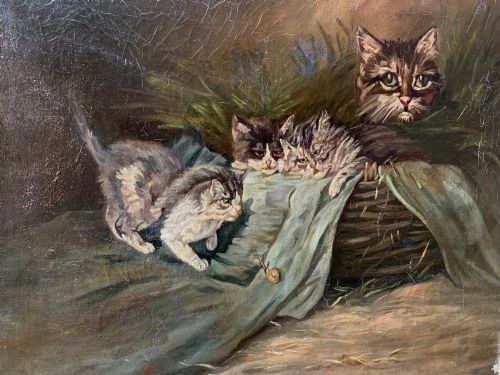
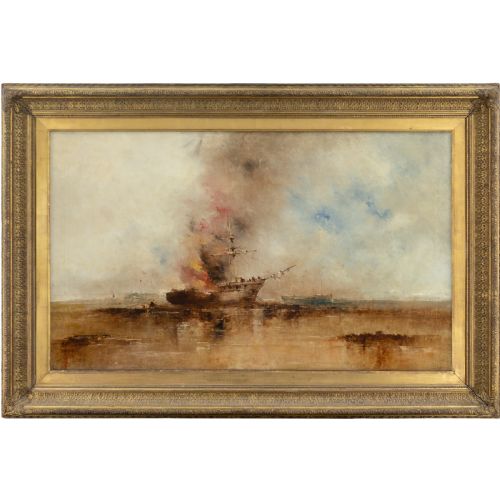
An antique oil picture painting captures centuries of portraiture, landscape, and still life executed in rich pigments upon canvas, wood, or board.
Antique Oil Picture Painting
An antique oil picture painting encompasses centuries of visual art, stretching from the seventeenth century through the Georgian, Victorian, and Edwardian eras into the mid-twentieth century.
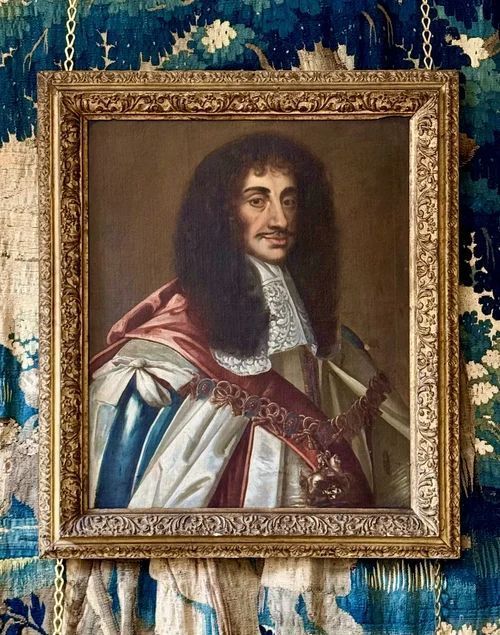
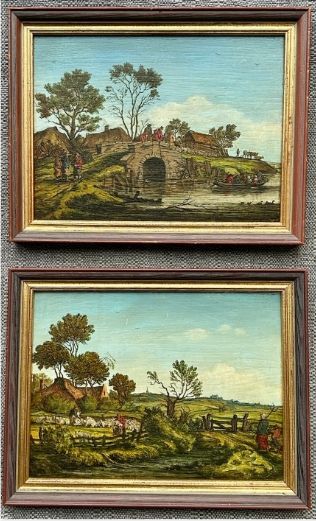
Buyers encounter a wide variety of subjects, including stately portraits of nobility, pastoral landscapes, coastal seascapes, and detailed still lifes of fruit and flowers.
The selections span distinct regional traditions, featuring works from British, French, Flemish, and Italian schools across canvas, wood panels, and board supports.
How they were made
Artists applied oil paint composed of pigmented powders suspended in drying oils onto stretched canvas or rigid supports such as wood panels and boards.
Many works retain their period surrounds, constructed from gilt wood, carved gesso, or elaborate swept gilt frames that complement the depth of the pigments.
What varies in quality
The standard of an antique oil picture painting rests upon the confidence of the brushwork, the depth of composition, and the handling of light and shadow.
A superior piece demonstrates anatomical precision in figures or naturalism in landscapes, whereas lesser examples rely on formulaic execution and stiffer application.
Sir Godfrey Kneller·Sir Martin Archer Shee·Sir Anthony van Dyck·Sir Peter Lely·Joshua Reynolds·George Houston·David Bates·Francis Moltino·Frederik Christian Kiærskou·F. E. Jamieson
The Antique Oil Picture Painting Glossary
- Oil on Canvas
- A traditional painting medium where pigmented oil is brushed onto a woven fabric support stretched across a wooden frame.
- Gesso
- A plaster-like mixture applied to wooden frames or panels to prepare a smooth surface for gilding and ornamentation.
- Giltwood
- Timber carved and coated with a thin layer of gold leaf or metallic powder, frequently used for period picture frames.
- Wood Panel
- A rigid support constructed from timber, commonly utilised for European paintings before canvas became the dominant medium.
Antique Oil Picture Painting: Frequently Asked Questions
How do I clean an antique oil picture painting?
Surface dust can be gently removed with a very soft, dry brush, avoiding any pressure on the paint layer.
Professional restoration is required for deep cleaning or repairing aged varnish to prevent damage to the original pigments.
Are these paintings supplied in original frames?
Many works retain period surrounds such as carved gesso or giltwood frames that match the era of the canvas.
Some pieces are reframed over time to suit interior decor changes, which is typically noted in individual descriptions.
How can I tell the period of a painting?
Dating relies upon costume details in portraits, stylistic markers of regional schools, and the physical composition of the canvas or wood panel.
Signatures, inscriptions, and historical framing techniques also provide concrete evidence for chronological placement.
What is the difference between canvas and board?
Canvas provides flexibility and texture through its woven textile support, while wood panels and boards offer a completely rigid surface.
Earlier European works frequently utilised timber panels, whereas nineteenth and twentieth-century pieces commonly employed stretched canvas or board.