
Antique Oil Canvas Portrait
When choosing an antique oil canvas portrait, you invite centuries of human personality and social history directly into your domestic spaces.
An Overview of Antique Oil Canvas Portraits
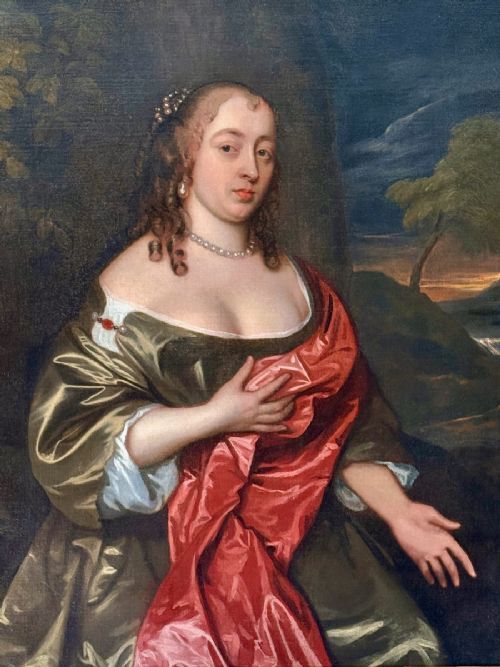
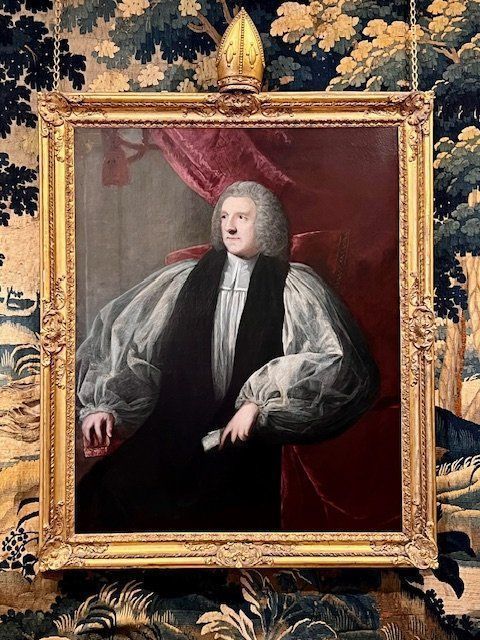
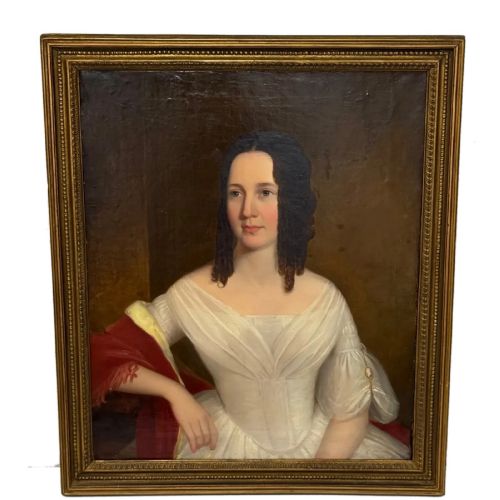
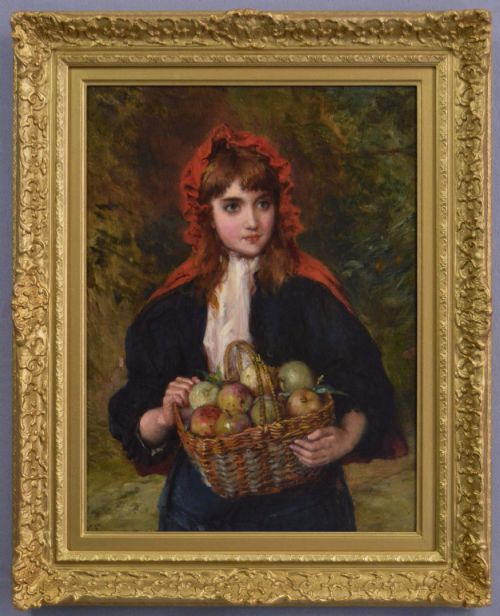
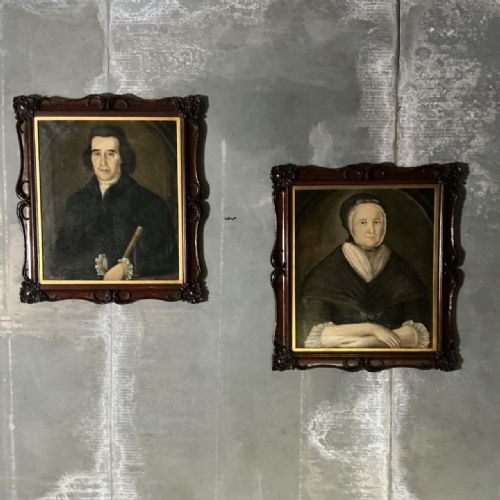
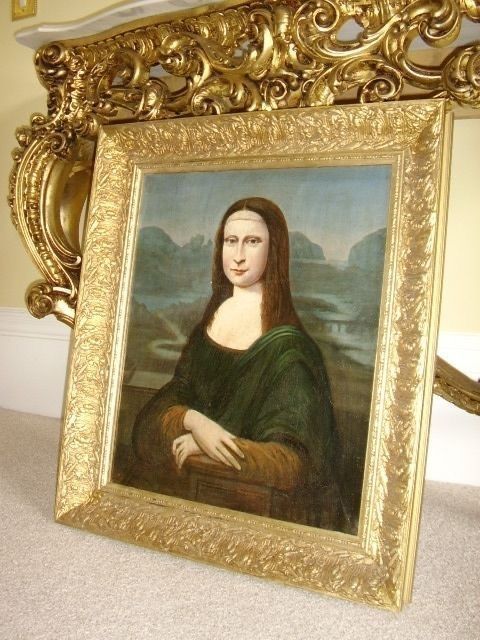
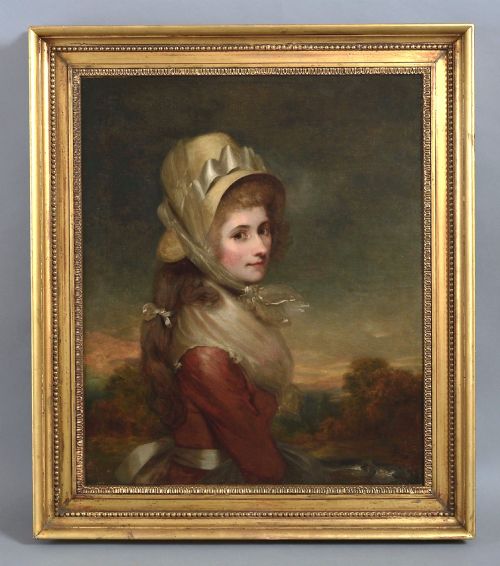
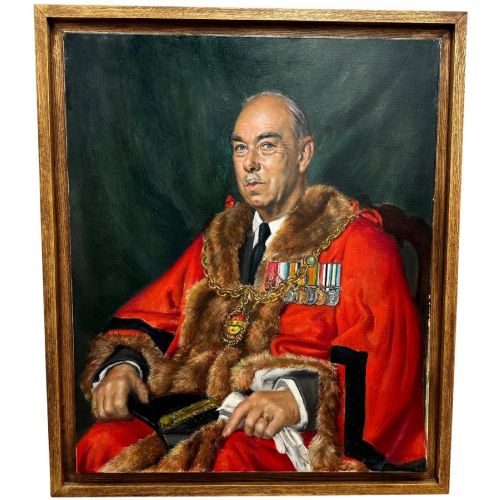
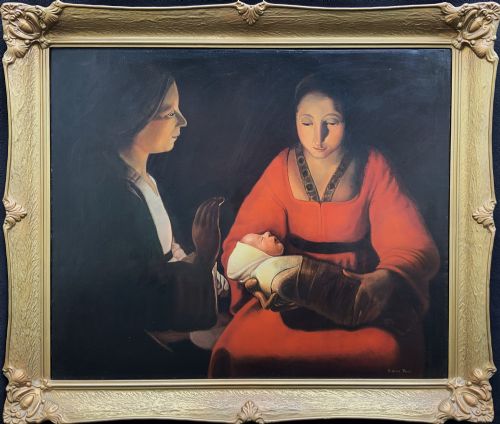
An antique oil canvas portrait captures individual likenesses across the seventeenth, eighteenth, and nineteenth centuries, ranging from formal aristocratic commissions to vernacular naive school depictions of cats, country girls, and children. The pieces available traverse diverse periods including the Georgian, Regency, Baroque, and Victorian eras, presenting subjects in naval jackets, armour, silk dresses, or rustic attire.
The subjects span notable figures, military officers, local gentlemen, and anonymous sitters rendered by named masters, studio circles, or regional British and European schools. Whether encountering a sombre seventeenth-century gentleman or a lively nineteenth-century child, each work provides a direct visual link to historical eras through traditional painted portraiture.
Materials and Techniques
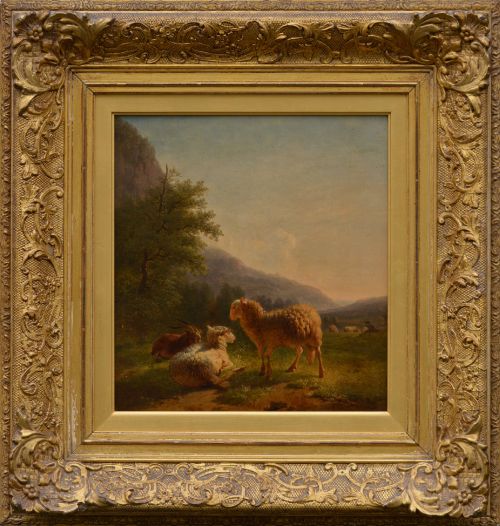
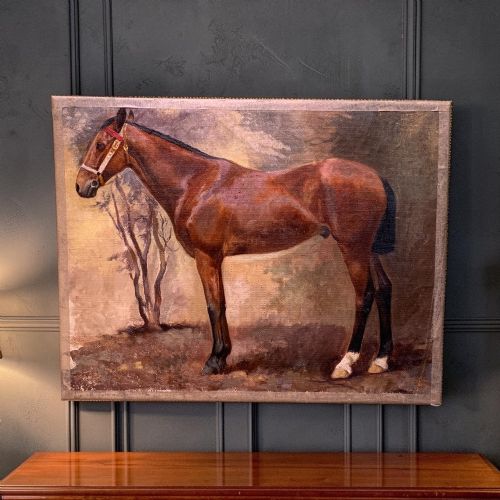
Artists built these works utilising oil paint applied to woven canvas supports, sometimes mounted to wood panels or board. Canvases were frequently housed within period frames constructed from wood, giltwood, gold leaf, and ebonised wood.
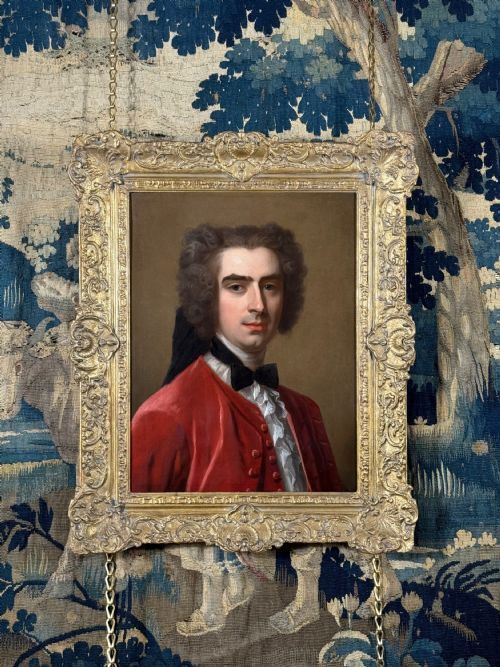
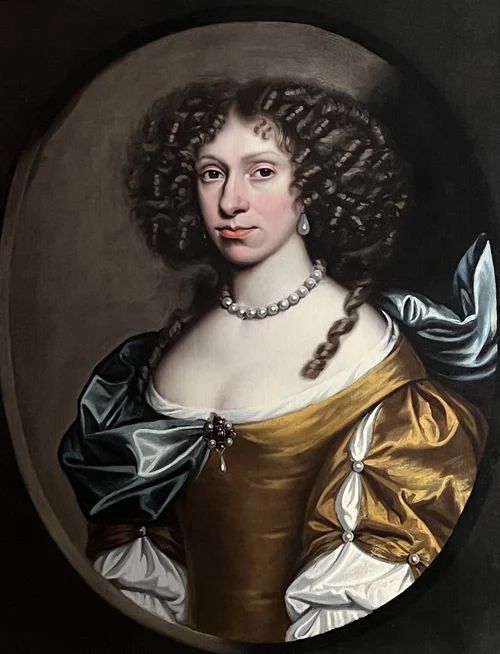
Makers layered pigments to achieve depth in garments such as lace cravats and silk gowns, employing subtle tones for flesh and shadow. Studio assistants and masters alike manipulated these oil mediums to capture the precise textures of hair, fabric, and surrounding landscape elements.
Retail Price Guide 2026
Typical UK retail prices for oil canvas portrait, calculated from the Sellingantiques database of over a million retail prices indexed since 2003. This retail price guide relies exclusively on Sellingantiques data; no external sources or auction records are used, so the figures do not describe the wider market.
Listings feature works spanning the 17th, 18th, and 19th centuries, executed in oil on canvas and housed in giltwood frames.
Distinctions in Quality
Attribution and provenance heavily influence distinction within the medium. Works linked directly to established portrait circles, documented studios, or signed by known painters carry greater artistic authority than anonymous regional school pieces.
Sir Joshua Reynolds·John Riley·Alfred Holst Tourrier·Moritz Stifter·William Wissing·Sir Peter Lely·Herman Verelst·Michael Dahl·Jacob Huysmans·Jonathan Richardson·Sir John Hunter Thompson·Mary Beale·Pierre Mignard·Louis Tocqué·John Michael Wright·Henry John Dobson·Sir Godfrey Kneller·Robert James Gordon
The Antique Oil Canvas Portrait Glossary
- Circle of
- A designation indicating the artist worked in close proximity to a master, absorbing their distinct style and technique without being the master themselves. This term often appears in seventeenth-century portrait attributions.
- Naive school
- A classification for paintings created by artists lacking formal academic training, resulting in charmingly direct perspectives and unpretentious representations.
- Provenance
- The documented history of ownership surrounding a work of art, tracing its passage from the original commission through subsequent collections.
- Giltwood
- Wood that has been decorated with a thin layer of gold leaf or gilt powder, commonly utilised on period frames surrounding these portraits.
- Studio of
- A term denoting that a painting emerged from a master's workshop, often executed by assistants under the master's supervision or following their established compositions.
Frequently Asked Questions
How do I date an antique portrait?
Dating relies heavily on the sitter's costume, including the shape of lace collars, the cut of coats, and the styling of wigs or hair. Background elements like furniture, drapery, and landscape conventions also shift noticeably between the seventeenth and nineteenth centuries.
Secondary clues involve the physical canvas support, stretcher construction, and framing materials. Examining archival records or signatures, when present, helps anchor the work to a specific decade.
What is the naive school style?
The naive school encompasses works by self-taught painters who prioritized direct observation over academic proportion and perspective. These paintings often display charmingly simplified forms, flat backgrounds, and intensely honest characterisations.
Far from lacking skill, these portraits possess a distinct folk art appeal that records everyday people and animals with remarkable intimacy.
How were these paintings displayed originally?
Historically, portraits hung in the panelled parlours, galleries, and stairwells of country houses and town residences to project family lineage and social standing. They served as central anchors for domestic interior schemes.
Today, collectors place them in both period settings and modern rooms, where the rich tones of oil paint and antique frames create a striking focal point.
What does circle of an artist mean?
The term indicates that a painter was closely associated with a master, working within their sphere and adopting their specific methods. These works reflect the aesthetic standards and palette of the primary artist.
Such attribution bridges the gap between direct master works and anonymous school pieces, offering high technical execution tied to a major artistic name.