


Antique Occasional Box
These antique occasional box pieces range from work tables to bijouterie cabinets, offering compact storage and display surfaces for the home.
Antique Occasional Box
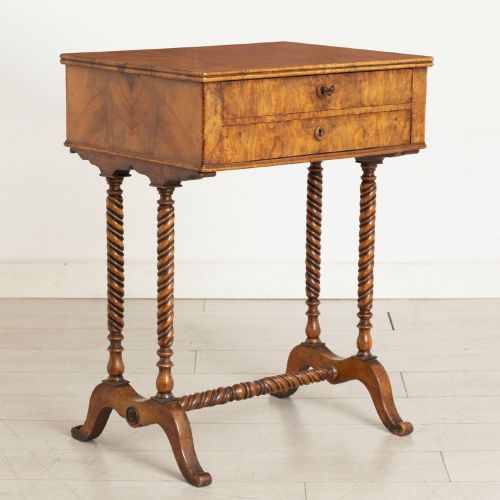
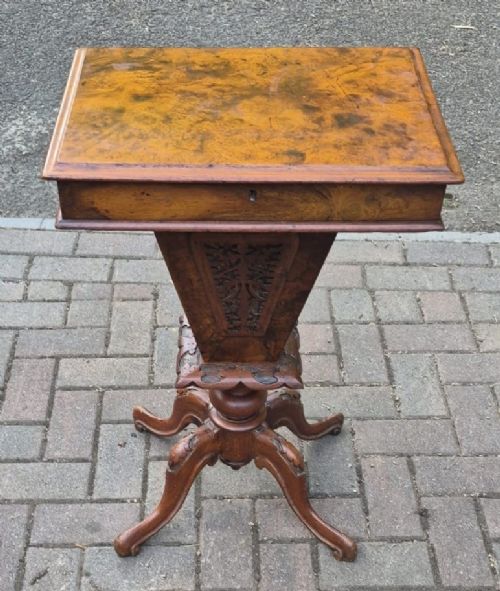
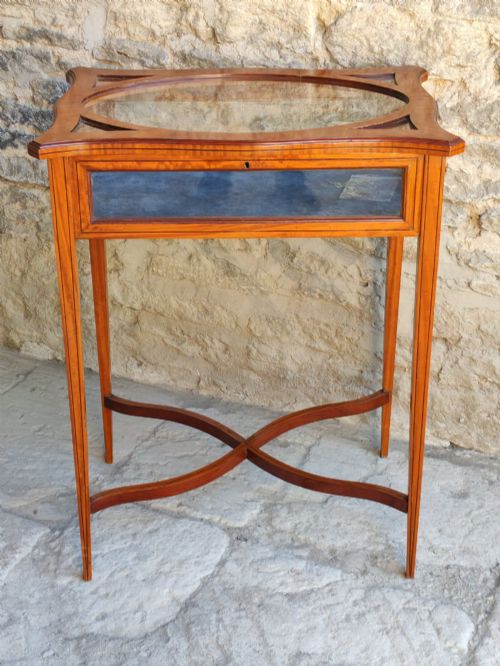
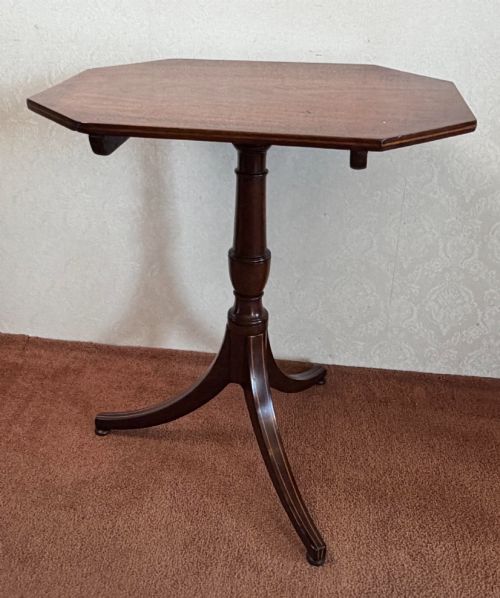
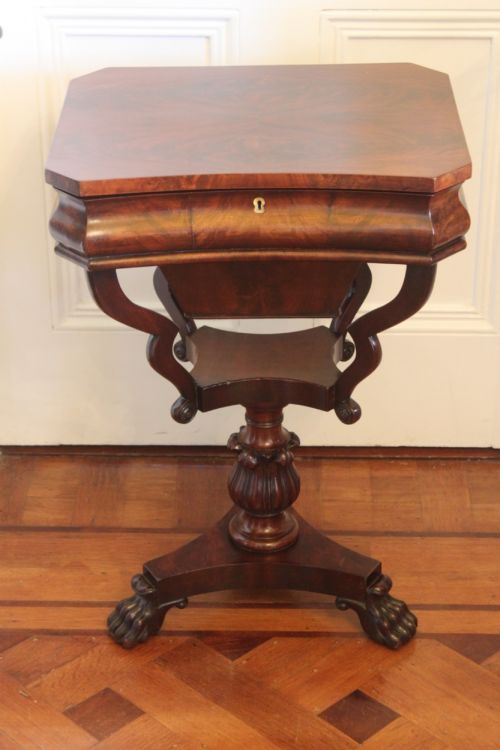
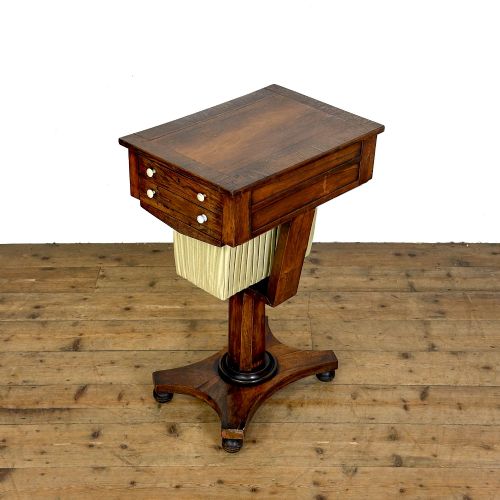
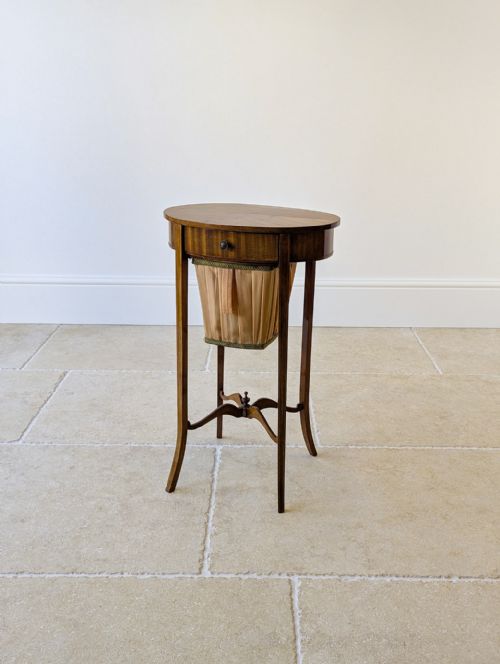
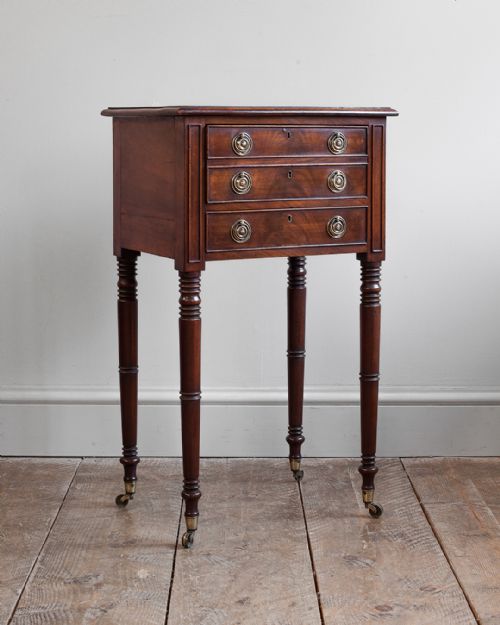
An antique occasional box typically manifests as a work table, sewing table, or bijouterie cabinet designed to sit beside seating or in reception rooms. These pieces provide lidded compartments or glazed display surfaces combined with small proportions suitable for occasional use.
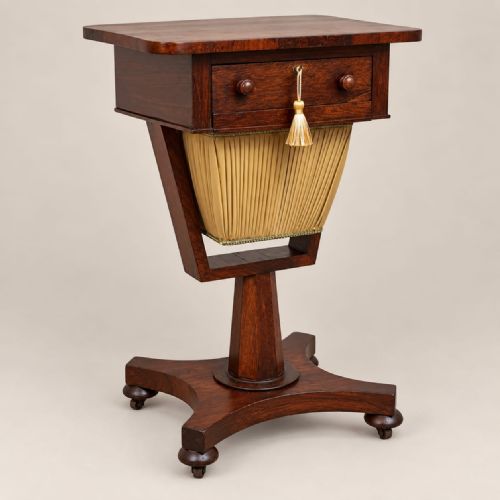
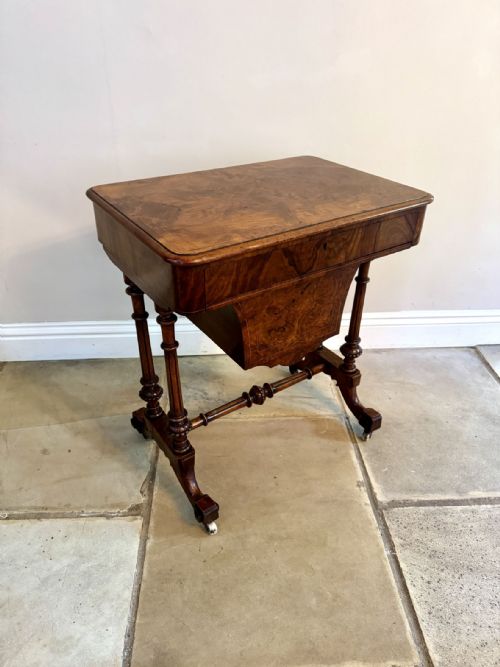
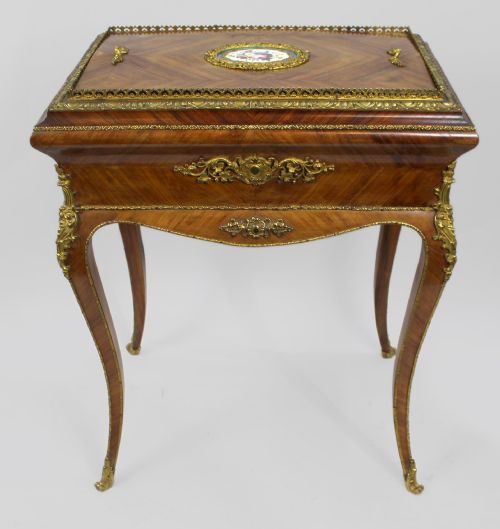
The selection here draws heavily from the nineteenth century, featuring Victorian burr walnut and mahogany work tables alongside Regency rosewood examples. Buyers will frequently encounter fitted interiors containing compartments for sewing implements or letters.
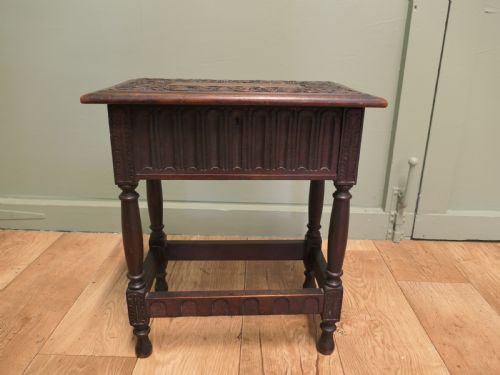
Earlier formats emerge in oak, including box stools and joint tables originating in the seventeenth century. Later Edwardian satinwood and serpentine bijouterie tables round out the choices available on the market.
Materials and construction methods
Cabinet makers utilised dense hardwoods such as mahogany, rosewood, and walnut, often applying finely figured veneers over softer secondary woods. Burr walnut and satinwood surfaces display striking grain patterns chosen for decorative impact on table tops and lid panels.
Inlaid details utilise contrasting timbers like boxwood, alongside Ormolu mounts and porcelain plaques on French inspired pieces. Structural joinery incorporates turned pedestals, tripod bases, and fitted interior compartments constructed with precision.
Antique Occasional Box Retail Price Guide 2026
Typical asking prices for occasional box among the pieces listed under this phrase on Sellingantiques today, from the lower quarter to the upper quarter. They describe what is for sale here now, not the wider market.
Listings feature periods spanning from the seventeenth century through to the Edwardian era, incorporating mahogany, walnut, rosewood, and oak.
Determining quality in small furniture
Distinctions in quality rest upon the selection of timber veneers and the crispness of carved or inlaid decoration. Superior examples demonstrate continuous grain matching and tight, stable joinery across lidded compartments and drop leaves.
The interior fitment contributes significantly to the merit of a work table, with original silk bags, partitioned trays, and working locks carrying greater weight. Secondary woods, internal lining timbers, and the subtlety of turned supports further differentiate standard production from finer workshop output.
The Antique Occasional Box Glossary
- Bijouterie table
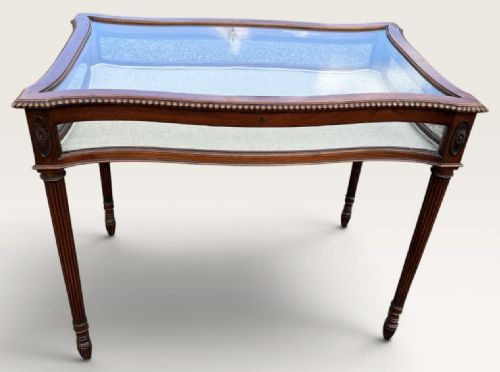
- A glass topped display table designed for exhibiting small ornaments and curiosities. These cabinets often feature velvet lined interiors and hinged lids.
- Work table
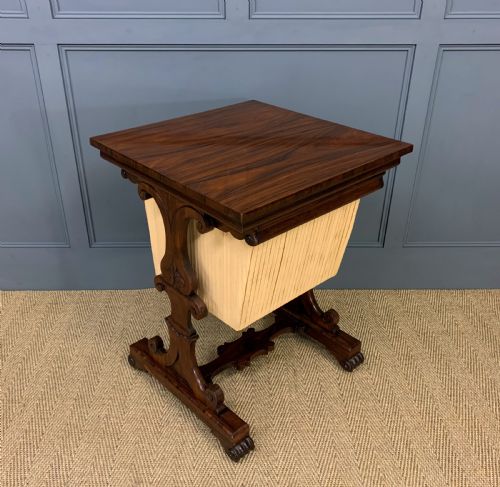
- A small occasional table fitted with a drawer or hanging bag for needlework and sewing supplies. They gained immense popularity during the Georgian and Victorian periods.
- Teapoy
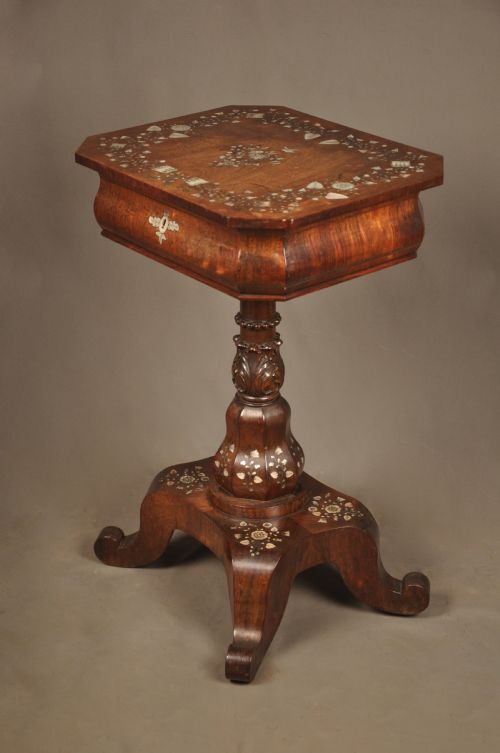
- A small box or chest mounted on a central pillar and tripod base, originally used for storing tea leaves. Later nineteenth century versions often doubled as work or writing tables.
- Joint stool
- An early form of wooden stool constructed with mortise and tenon joints, occasionally serving double duty as a low table or box. These sturdy pieces date back to the seventeenth century.
Antique Occasional Box: Frequently Asked Questions
What is an occasional box table?
An occasional box table is a multi-functional item of furniture combining a flat surface with a lidded compartment or interior well. These pieces served practical purposes in sitting rooms for needlework, writing, or holding small items.
Over the nineteenth century, designs evolved from simple wooden boxes on stands to sophisticated glazed bijouterie tables and fitted sewing cabinets.
How were work tables used in the nineteenth century?
Victorian and Regency work tables functioned as mobile desks and sewing stations where women kept threads, patterns, and correspondence. The lidded top opened to reveal compartmentalised trays, while suspended fabric bags held ongoing needlework projects.
When closed, the pieces operated as side tables or lamp tables beside chairs and sofas, blending utility with formal room decor.
How do I care for antique veneered furniture?
Protect antique mahogany, rosewood, and walnut surfaces by keeping them away from direct sunlight and steady heat sources that can dry out the timber. Maintain a stable room temperature to prevent the underlying wood from expanding and causing veneer to lift.
Apply occasional microcrystalline wax to nourish the polish and clean the grain without leaving heavy chemical residues on delicate inlay.