




Antique Oak Pulpit
These antique oak pulpit pieces and lecterns bring ecclesiastical presence and heavy timber construction directly into domestic and commercial spaces.
Antique Oak Pulpit
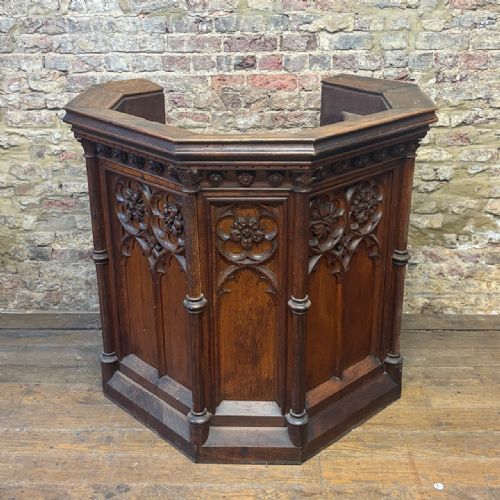
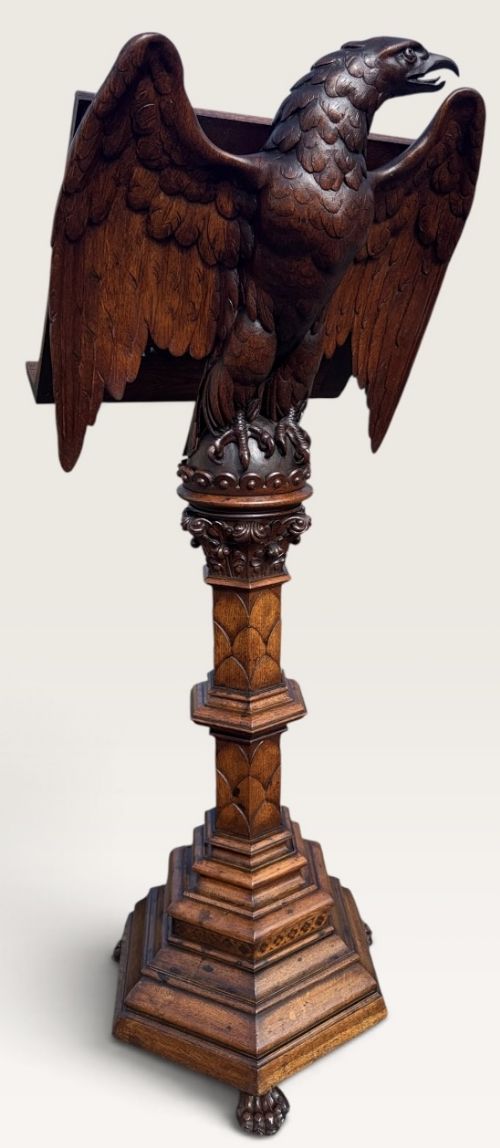
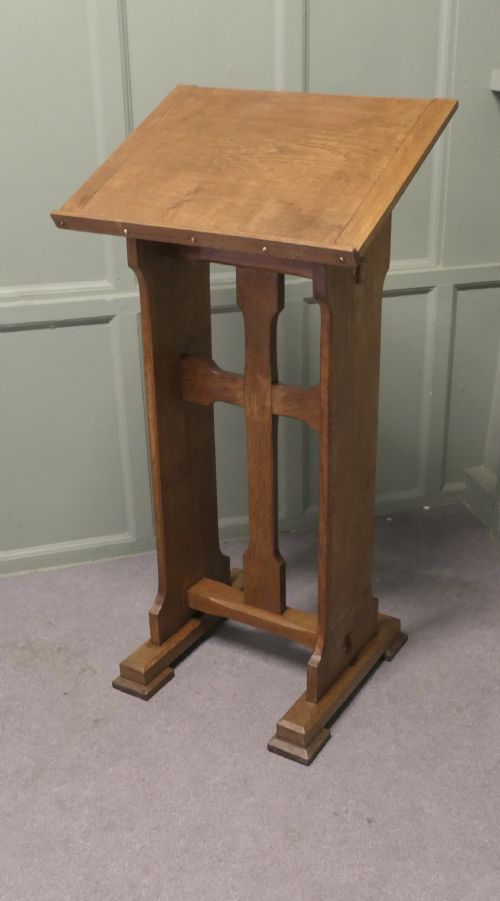
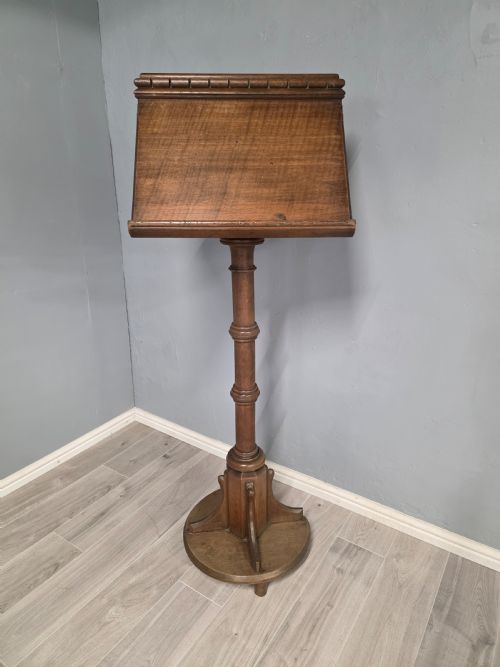
The pieces listed on this page span the late nineteenth century into the early twentieth century, taking the form of church pulpits, podiums, and eagle lecterns. Most examples reflect Victorian and Arts and Crafts movements, translating ecclesiastical grandeur into usable furniture for churches, halls, and reception areas.
How they were made
Cabinet makers utilised solid oak as the primary structural material, often combining it with secondary softwoods like pine for internal platforms or backing panels. Metal elements such as brass appear on specific fittings, providing functional contrast to the heavy dark timber.
Carving defines the surface decoration, with artisans chiselling intricate Gothic Revival motifs and sculptural figures directly into the solid wood. Construction relied on traditional joinery methods suited to heavy architectural furniture that needed to withstand decades of daily service.
Antique Oak Pulpit Retail Price Guide 2026
Typical asking prices for oak pulpit among the pieces listed under this phrase on Sellingantiques today, from the lower quarter to the upper quarter. They describe what is for sale here now, not the wider market.
Materials across these ecclesiastical items include solid oak and pine, occasionally accented with brass fittings on reading stands and eagle lecterns.
What varies in quality
Quality rests principally on the ambition of the carving and the sculptural depth of figures like the carved eagle lecterns. Crisp, deeply undercut foliage and well-proportioned architectural tracery separate standard ecclesiastical joinery from exceptional artistic production.
The choice of timber grain and the integrity of the original construction also dictate the standing of a piece. Golden oak finishes and substantial proportions from the Arts and Crafts period command attention through refined material selection rather than heavy ornamentation.
The Antique Oak Pulpit Glossary
- Gothic Revival
- An architectural and decorative style drawing inspiration from medieval forms, featuring pointed arches and heavy tracery. This aesthetic dominates nineteenth century church furnishings.
- Lectern
- A tall stand with a slanted top designed to hold a book for a speaker. These objects form the vast majority of reading furniture found in this category.
- Podium
- A small raised platform or stand for a speaker, sometimes adapted from ecclesiastical furniture for modern reception use. Golden oak examples from the Arts and Crafts period serve this function.
- Ecclesiastical
- Relating to the Christian Church or its clergy, describing items originally commissioned for house of worship interiors. This encompasses both pulpits and church lecterns.
Antique Oak Pulpit: Frequently Asked Questions
What is an antique oak pulpit used for today?
These pieces serve as striking focal points in large hallways, restaurant receptions, or studies. People utilise the slanted top to display large books or menus.
Their commanding height and architectural presence make them natural podiums for speaking engagements or decorative room dividers.
How do I date an antique oak pulpit?
Dating relies on stylistic clues like Gothic Revival motifs or Arts and Crafts simplicity, alongside the treatment of the oak timber. Pieces from the late nineteenth century often display heavier carved relief work.
Turn of the century examples shift towards cleaner golden oak surfaces and simpler structural lines while retaining solid timber construction.
Are these pulpits made entirely of oak?
Primary structural elements and visible surfaces consist of solid oak, chosen for its durability and grain. Secondary timbers like pine occasionally appear in internal or concealed areas.
Brass components also feature on specific fittings and book rests to complement the dark wooden frames.
Where did these pulpits and lecterns originate?
Almost all examples originate from ecclesiastical settings, having been commissioned for Victorian churches and chapels. The craftsmanship reflects the revival movements popular in British church architecture.
Over time, many pieces transitioned from religious spaces into secular public buildings and private collections.