

Antique Oak Plaque
An antique oak plaque brings centuries of carved timber into a room, offering deep relief work and historic imagery for wall display.
Antique Oak Plaque
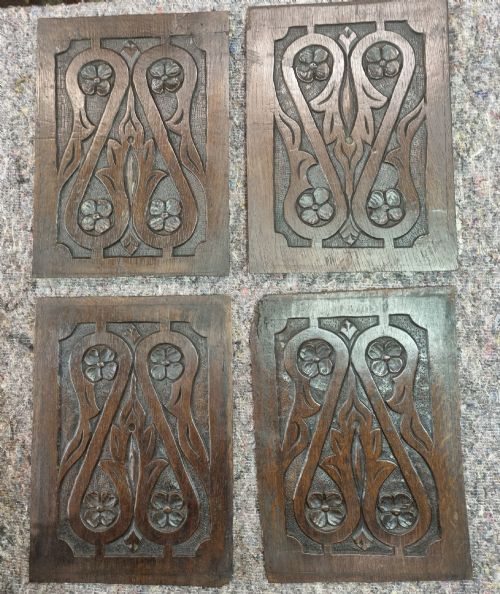
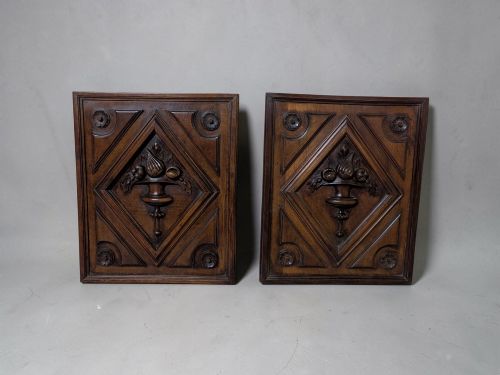
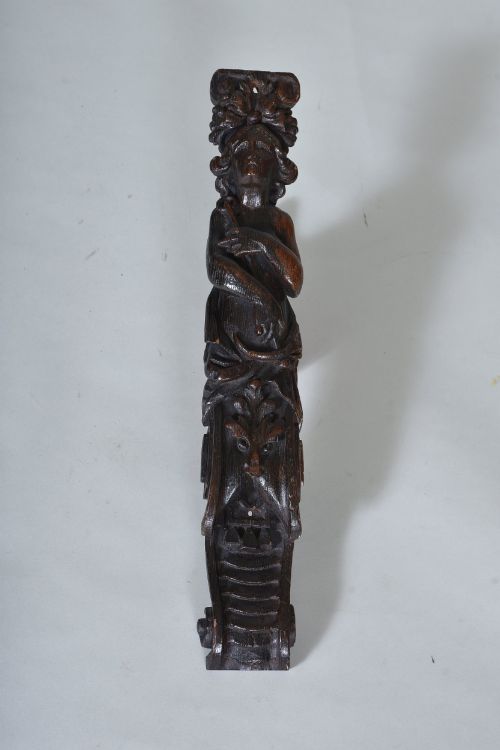
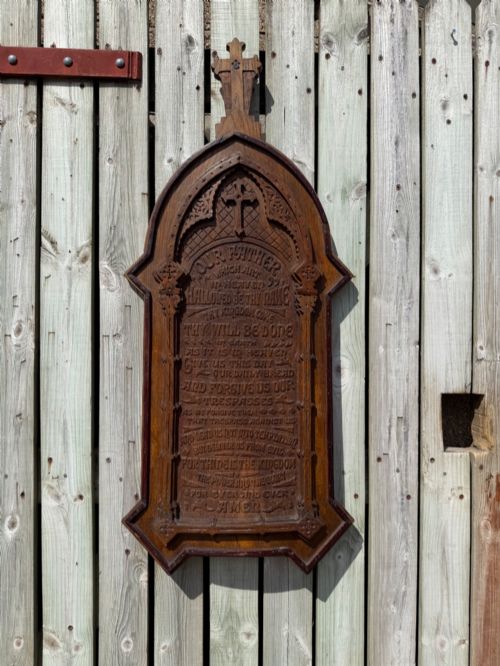
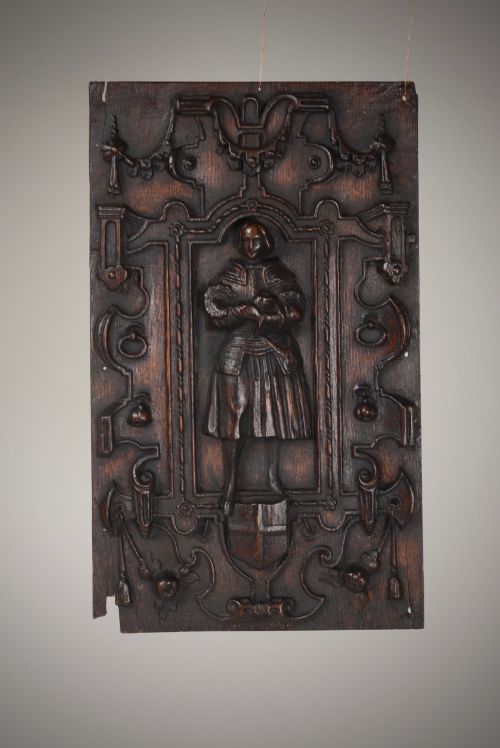
An antique oak plaque encompasses wall panels, carved reliefs, and architectural salvage shaped from heavy timber. Buyers searching this phrase meet examples spanning from the seventeenth century through the Victorian period and into the early twentieth century.
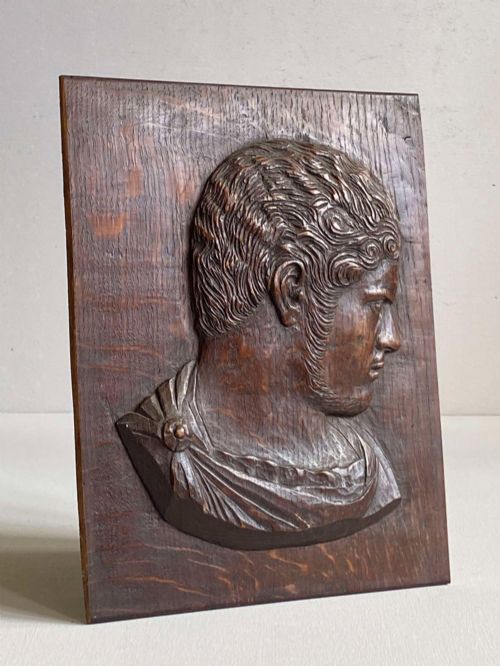
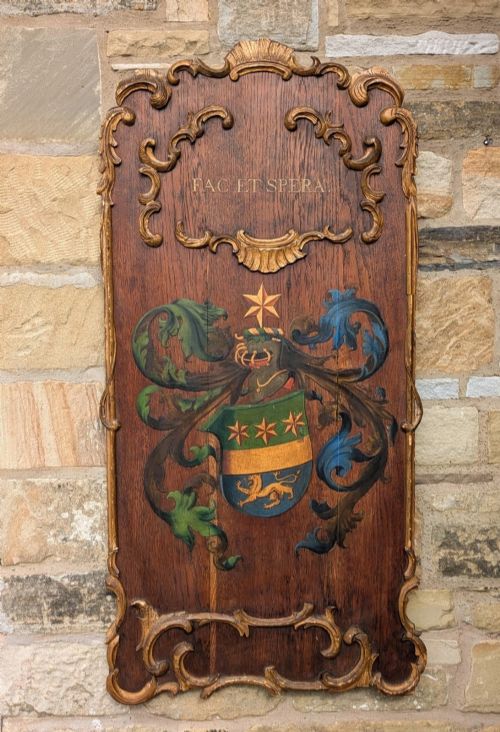
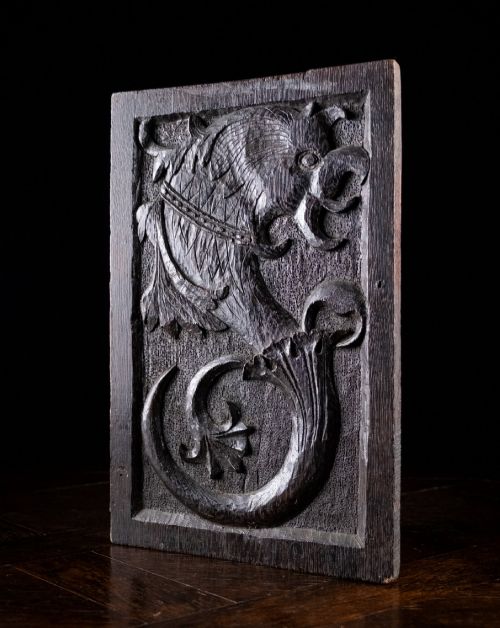
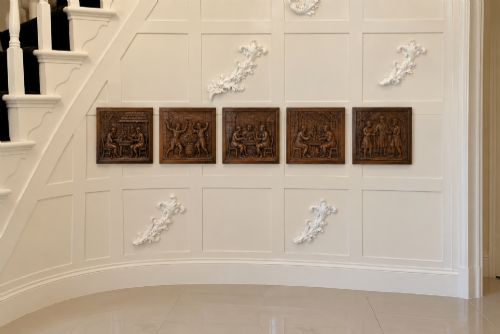
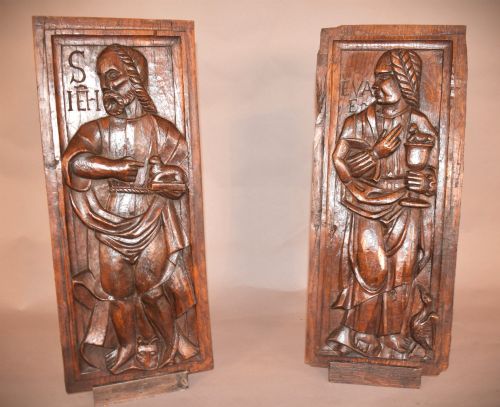
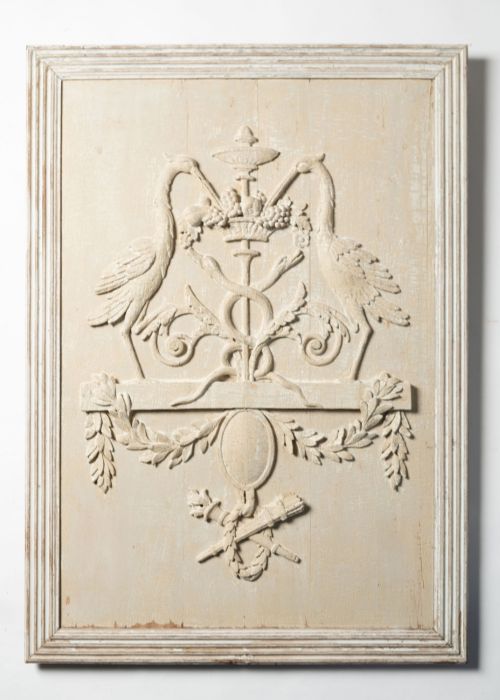
The forms range from religious scenes and tavern gatherings to heraldic coats of arms and mythological figures like Neptune. Many pieces originate as architectural elements or furniture components repurposed for wall display.
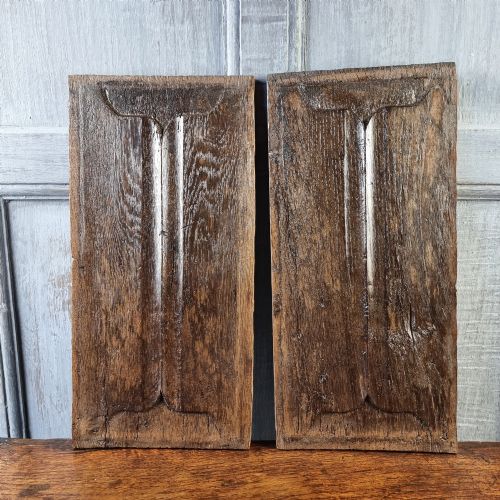
Earlier pieces show seventeenth-century linenfold designs and high-relief allegorical carvings, while later examples include nineteenth-century Black Forest animal plaques and Gothic Revival portraits.
Materials and Techniques
The primary material is oak, selected for its dense grain and durability, complemented occasionally by fruitwood, glass, brass mounts, and bone. Carvers utilised hand chisels and gouges to achieve low and high relief surfaces directly on the timber.
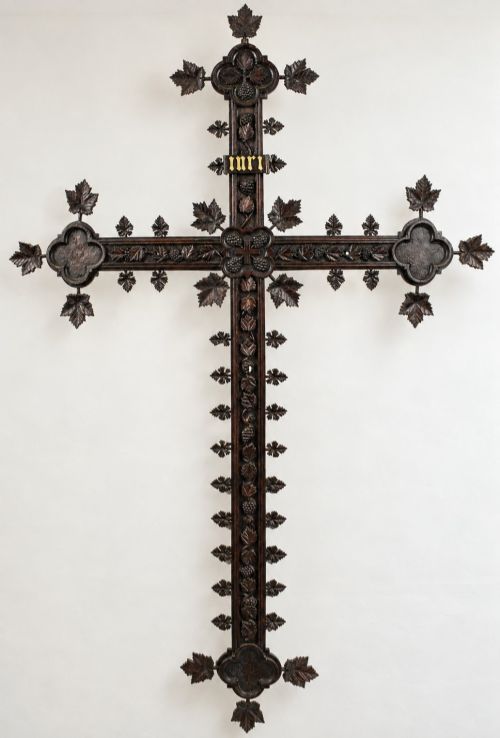
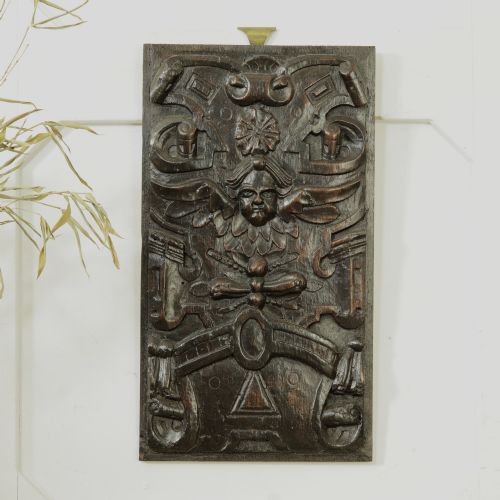
Many panels display deep hand carving with blackened recesses to accentuate the figures, while others integrate painted details, gilt accents, or inlaid mother of pearl.
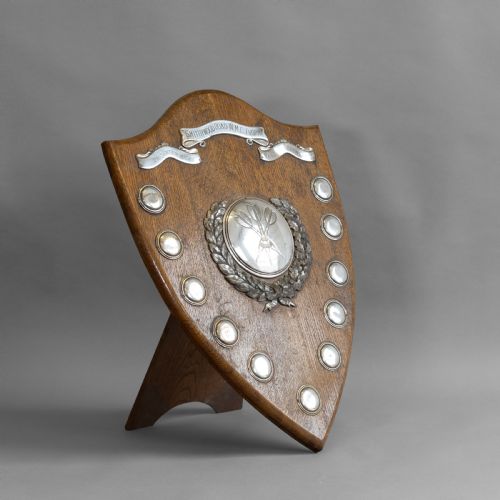
Mounting systems vary from simple timber frames and iron hanging brackets to shields and backing boards added during later centuries to support wall presentation.
Antique Oak Plaque Retail Price Guide 2026
Typical asking prices for oak plaque among the pieces listed under this phrase on Sellingantiques today, from the lower quarter to the upper quarter. They describe what is for sale here now, not the wider market.
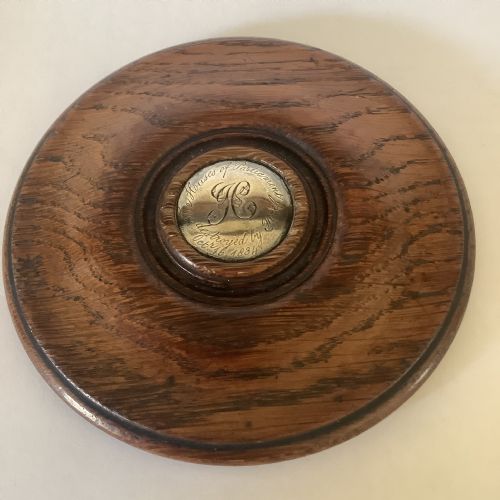
Several plaques double as functional objects, including a calendar, a dinner gong, a key board, and an oak snuff box.
Factors of Quality
The integrity of the timber and the preservation of the original surface patination distinguish superior panels from heavily restored or later sanded examples. Well-modelled compositions with distinct historical or mythological subjects command greater attention.
Peter Spicer and Sons·Nanninga Uitterdyke
The Antique Oak Plaque Glossary
- Linenfold
- A style of wood carving imitating folded parchment or linen, common on sixteenth and seventeenth-century panels. This motif provides flat surfaces with a textured textile appearance.
- Relief
- Sculpture technique where figures project from a background plane, divided into low relief and high relief. High relief sculptures stand out significantly from the backing timber.
- Gothic Revival
- An architectural and decorative style drawing on medieval forms, prominent during the Victorian period. Pieces in this style often incorporate pointed arches and tracery.
- Black Forest
- A style of detailed animal and foliage carving originating from the mountainous region of Germany during the nineteenth century. These plaques frequently depict game birds, stags, and forest scenes.
Antique Oak Plaque: Frequently Asked Questions
How do I hang an antique oak plaque safely?
Heavy carved oak plaques require secure wall fixings suited to the weight of the dense timber. Steel brackets or strong concealed wire attached to the primary frame ensure stable suspension without straining the ancient wood.
Position the plaque away from direct heat sources and strong sunlight to prevent the timber from drying out, cracking, or warping over time.
How do I clean an antique carved plaque?
Dust the carved recesses gently using a soft-bristled brush to remove accumulated particles without abrading the surface. Avoid using liquid cleaners, polishes, or damp cloths, which can penetrate unsealed historic wood and damage the patina.
Periodic inspection with a dry cloth maintains the appearance of the timber while preserving the original wax or oil finish applied by earlier carvers.
How can I tell a seventeenth-century panel from a later copy?
Seventeenth-century panels display tool marks left by hand chisels, irregular grain patterns, and dry, oxidized timber surfaces developed over centuries of exposure. Closer inspection often reveals pegged mortise and tenon joints or shrinkage cracks consistent with age.
Later copies frequently show mechanical saw marks, uniform staining, and softer detailing that lacks the crisp definition characteristic of period workshop production.
Were these always intended as wall decorations?
Many oak plaques and panels began as structural parts of church furniture, overmantels, coffers, or tavern wall panelling. Changing fashions in interior design led later owners to extract individual carved sections for independent display.
Other items were created specifically as wall art, architectural salvage, or presentation pieces from their inception, reflecting the shifting uses of carved wood through different eras.