
Antique Oak Hall Settle
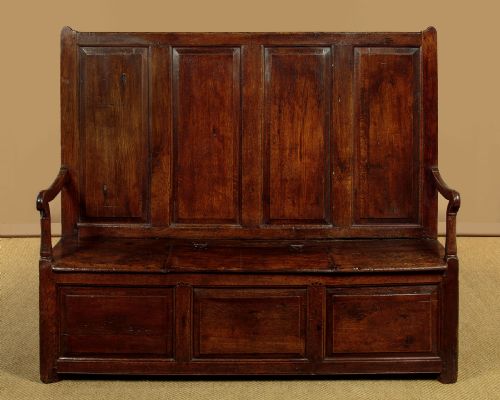
An antique oak hall settle provided a high-backed barrier against draughts in historic hallways while offering sturdy seating.
Antique Oak Hall Settle
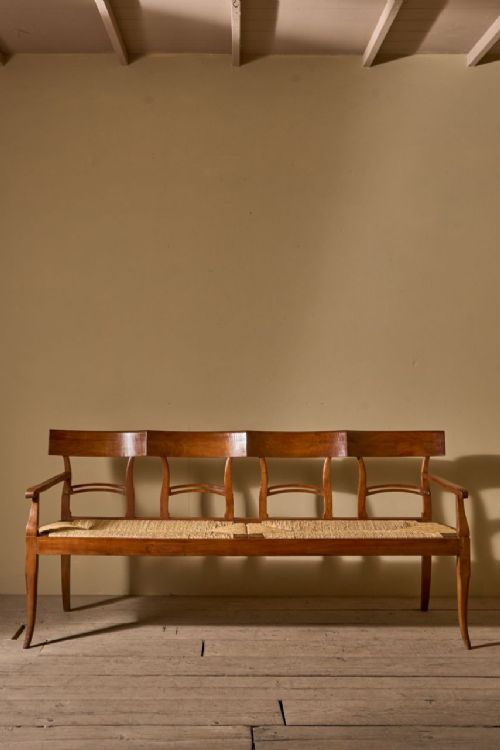
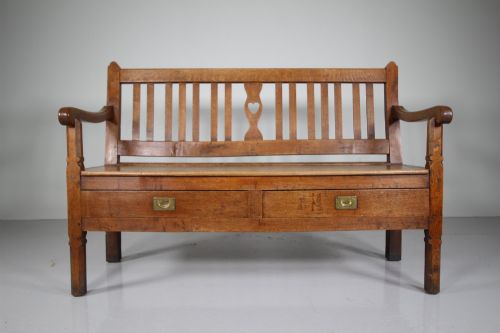
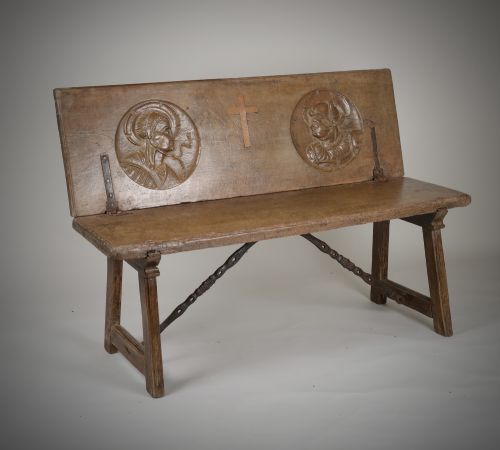
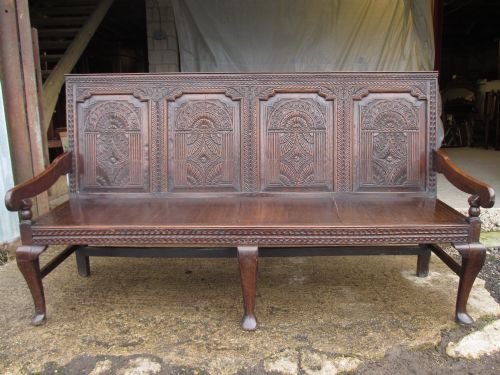
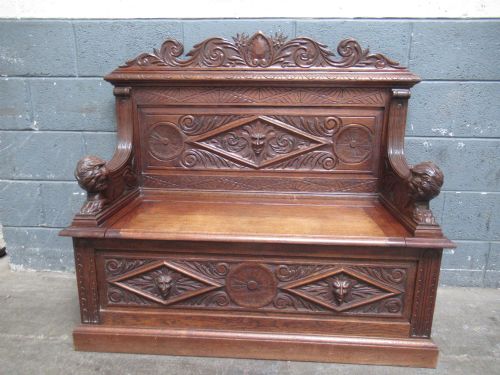
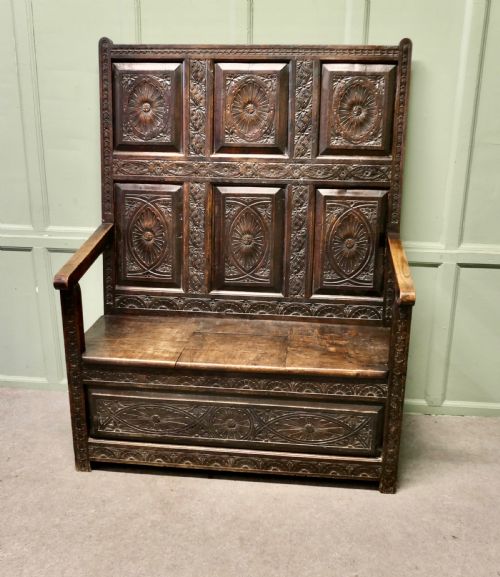
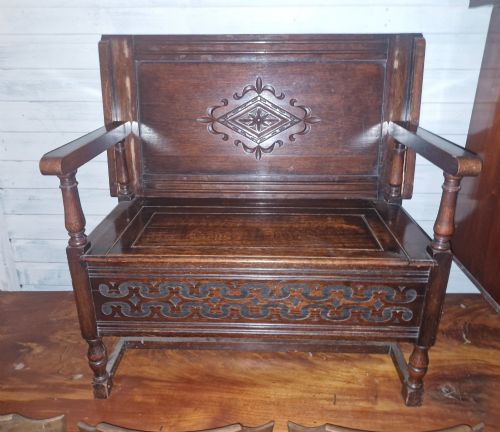
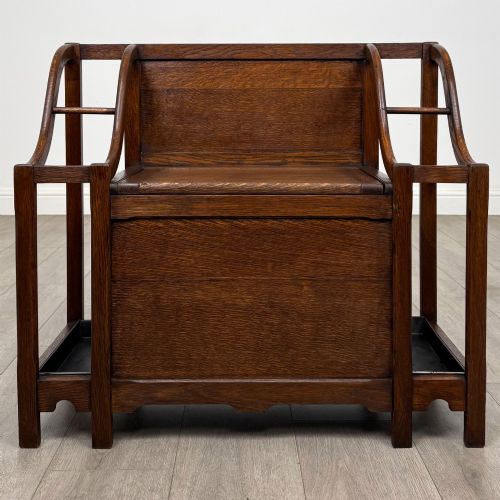
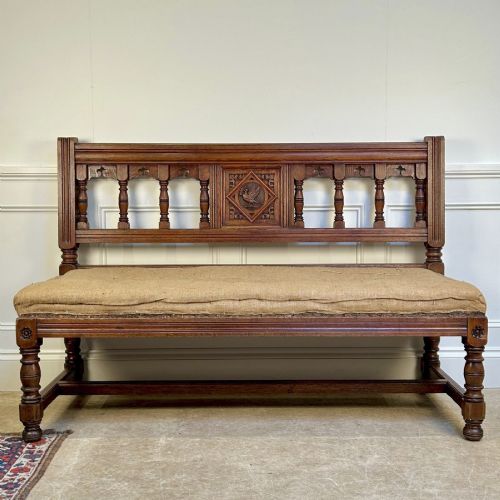
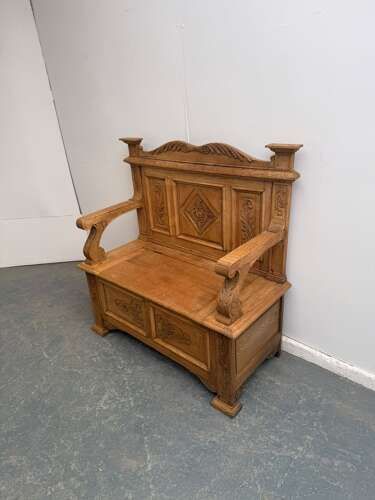
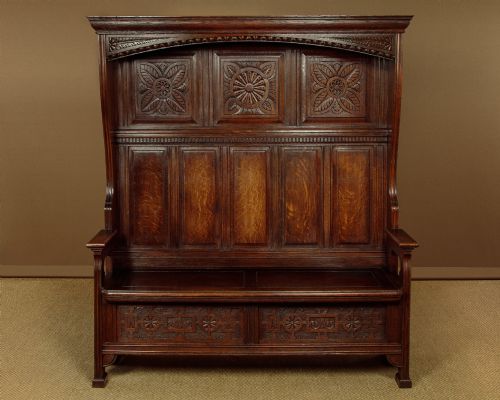
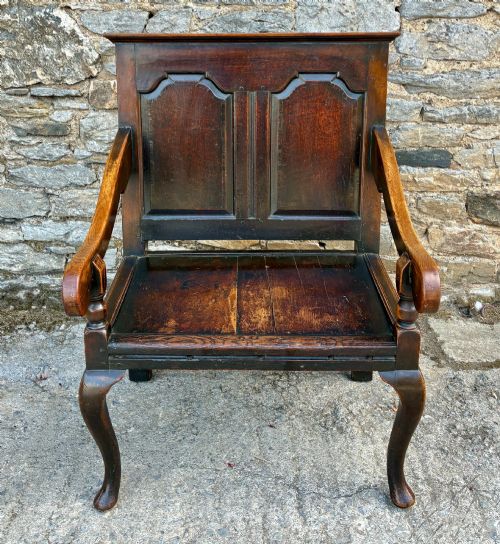
An antique oak hall settle is a substantial wooden bench designed for communal spaces, entrances and hallways, frequently incorporating a high panelled back to deflect cold air. The pieces on this page span from seventeenth-century country examples to later Victorian, Edwardian and revival interpretations.
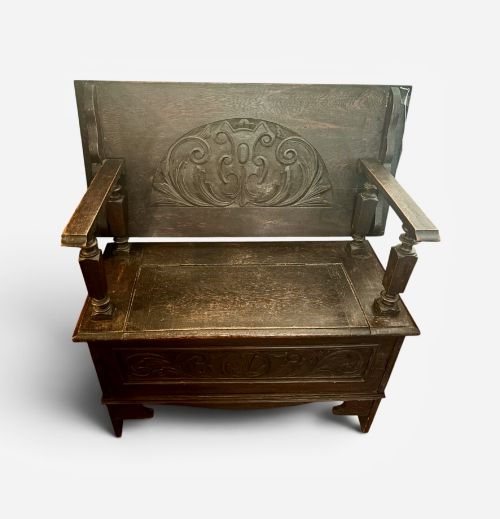
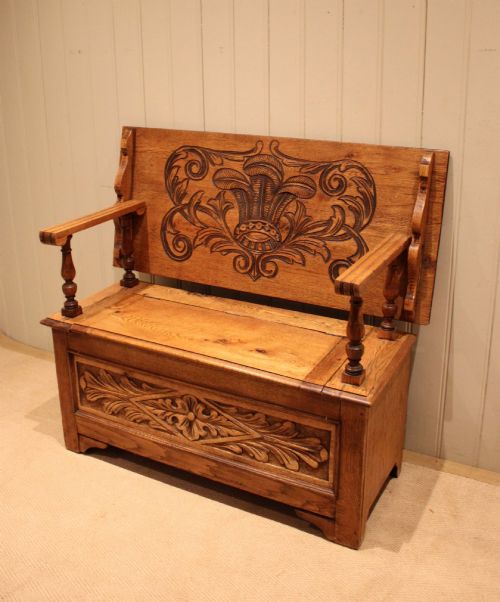
Buyers will encounter various forms, ranging from simple open-framed benches to enclosed box settles featuring lift-up seats or convertible monk's bench tops. These items served functional roles in domestic interiors long before entering the antiques market.
The materials reflect traditional vernacular cabinet-making, dominated by solid oak complemented by occasional secondary timbers such as ash or cherrywood, alongside iron and brass fixings.
How they were made
Makers constructed these sturdy items primarily from solid timber using traditional frame-and-panel techniques that allowed the wood to expand and contract naturally without splitting. Pegged mortise and tenon joints held the structural framework together securely.
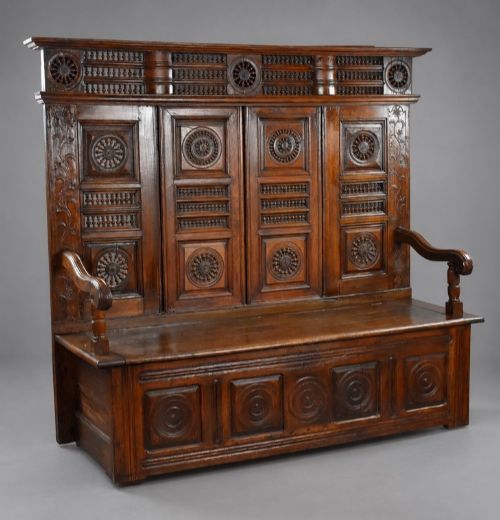
Surface decoration often involved hand-carving applied directly onto the solid oak panels, displaying motifs from geometric strapwork to figurative elements like the Green Man. Wax polishing finished the surfaces to highlight the natural grain and figure of the timber.
Some oak settles feature secret compartments originally designed to hide family valuables from wandering travellers.
What varies in quality
Quality in an antique oak hall settle rests primarily in the integrity of its construction and the depth of the timber's figure. Pieces retaining their original floorboards, back panels and operational hinge mechanisms command greater admiration than those rebuilt from disparate elements.
The sophistication of the carving distinguishes standard regional items from exceptional commissions. Crisp, deeply carved relief work executed with confident tool marks separates finer workshop productions from later, heavier revivals.
Gillows·Liberty·Shapland & Petter
The Antique Oak Hall Settle Glossary
- Box settle
- A form of seating featuring a built-in compartment beneath the seat accessed via a lift-up lid. This storage space originally kept blankets and household goods dry and secure.
- Monk's bench
- A versatile item with a hinged back that folds down over the armrests to form a table top. It combined two household functions in compact quarters.
- Panel-back
- A construction method utilising wooden stiles and rails enclosing thinner floating panels. This technique prevented the large backboards from warping.
- Strapwork
- A decorative carving motif resembling interlaced bands or folded leather straps. It is frequently found on Elizabethan and Jacobean revival panels.
- Vernacular furniture
- Domestic pieces made by local craftsmen using regional traditions and readily available materials rather than following metropolitan high-style designs.
Antique Oak Hall Settle: Frequently Asked Questions
What is an antique oak hall settle?
An antique oak hall settle is a heavy wooden bench featuring a high back and solid armrests designed for entrance halls.
Historically placed near front doors, these pieces blocked cold draughts and provided secure seating for visitors waiting in domestic or public spaces.
How were box settles used?
Box settles doubled as seating and storage chests for household items like boots, linens and firewood.
The hinged seat lid allowed easy access to the compartment below while keeping the contents tucked safely out of sight.
How do I date an oak settle?
Dating relies on examining construction methods, tool marks, timber shrinkage patterns and decorative carving styles.
Early seventeenth-century examples display hand-split panels and pegged joints, whereas nineteenth-century revivals often utilise machine-sawn components and softer internal framing.
Where should I place a settle?
These long benches suit large hallways, boot rooms or spacious kitchens where their architectural backs create an inviting focal point.
Ensure adequate floor space is available, as their high backs and deep seats require room to breathe without overwhelming a narrow passage.