


Antique Oak Entry Table
These antique oak entry table pieces bring sturdy timber presence to a hallway, offering practical surface space rooted in centuries of craftsmanship.
What these pieces are
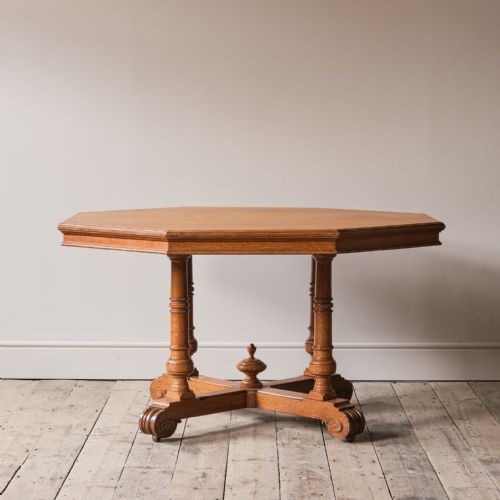
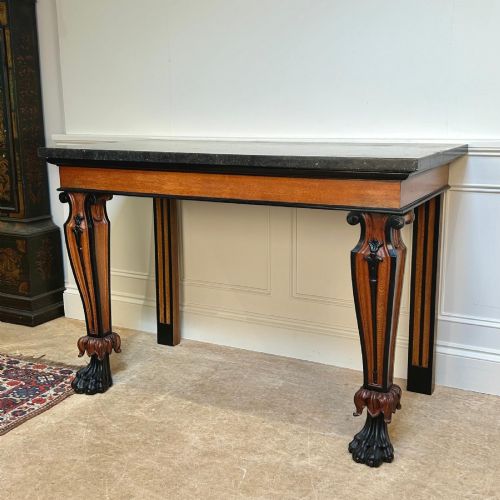
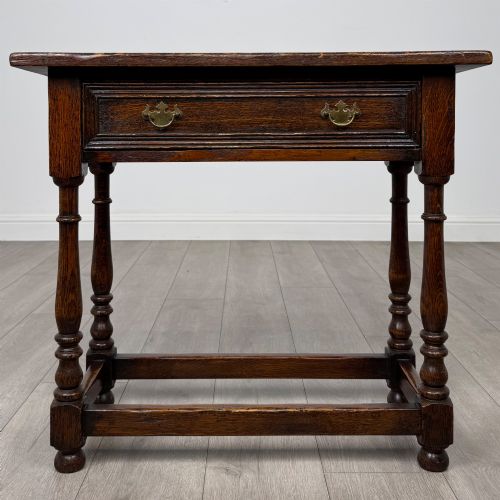
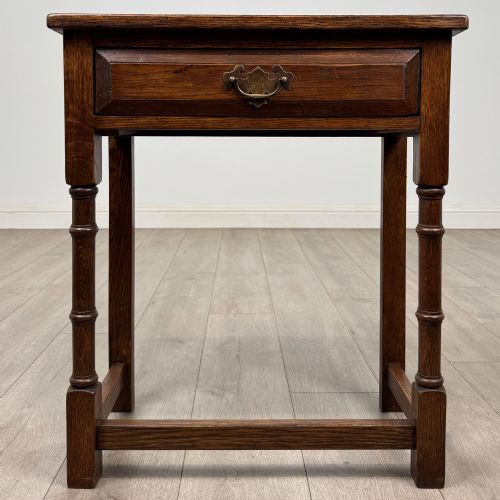
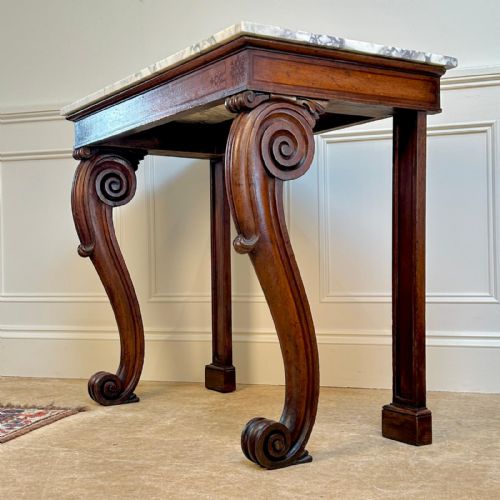
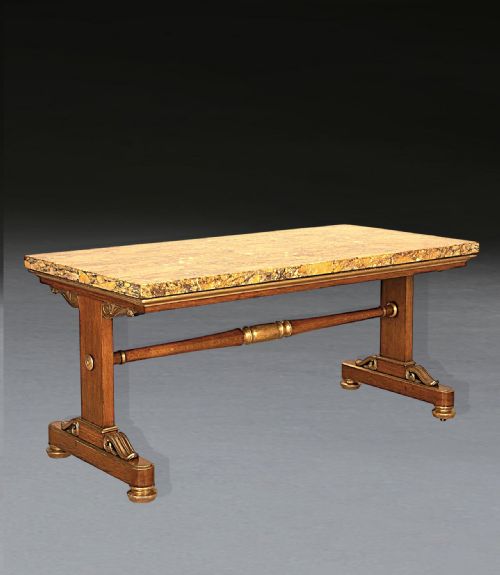
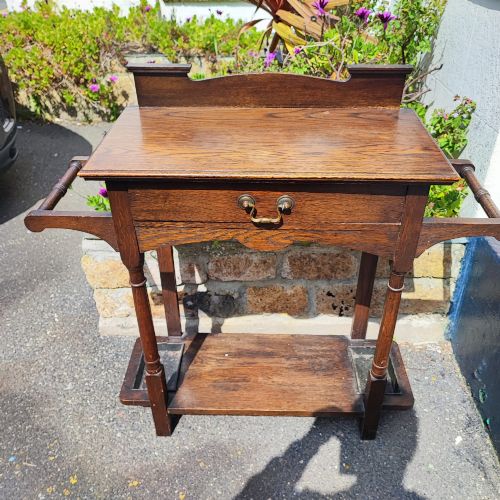
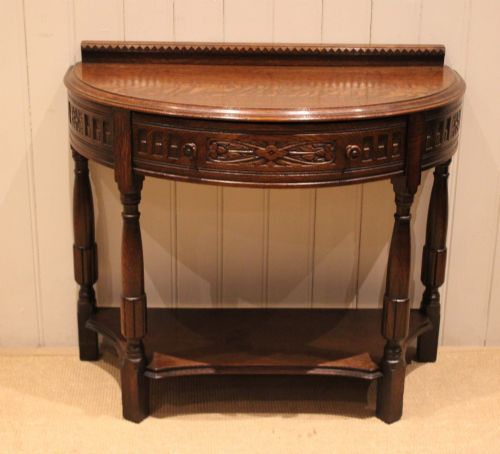
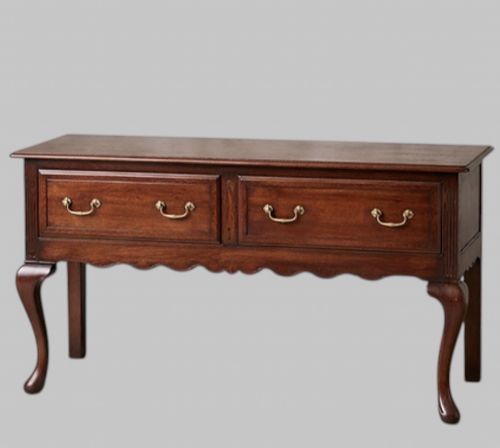
An antique oak entry table appears in several distinct forms across this selection, serving hallways and corridors with durable wooden surfaces. Buyers seeking an antique oak entry table will encounter formats such as side tables, console tables, and centre tables. These pieces originate from various eras, spanning the Georgian period, the Victorian era, the nineteenth century, and nineteen twenty.
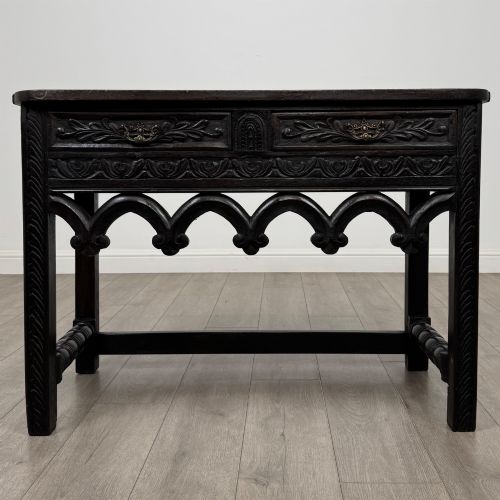
The aesthetic vocabulary varies noticeably among the items listed, drawing on diverse design traditions. Examples range from French provincial and Queen Anne sensibilities to Gothic revival and Georgian styling. Such variety ensures that whether a hall requires a lowboy configuration or an oval silhouette, an appropriate timber form presents itself.
How they were made
Construction relies primarily upon solid oak timber, selected for its robust grain and enduring strength. Certain examples incorporate brass hardware or detailing, adding metallic contrast to the warm wood tones.
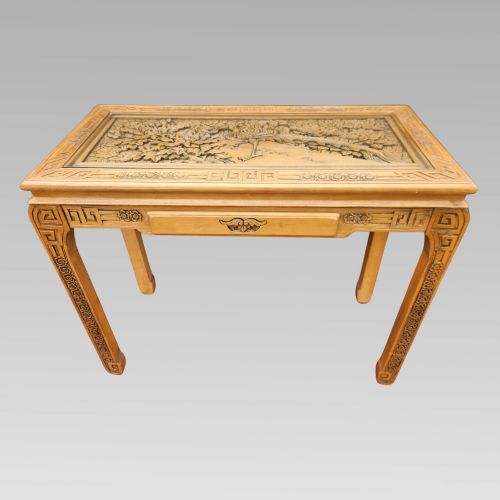
Surface treatments and shaping techniques define the character of each piece. Carved ornamentation appears on specific nineteenth-century Gothic examples, while other surfaces undergo bleaching to achieve a lighter tone on oval centre hall tables.
Retail Price Guide 2026
Typical UK retail prices for oak entry table, calculated from the Sellingantiques database of over a million retail prices indexed since 2003. This retail price guide relies exclusively on Sellingantiques data; no external sources or auction records are used, so the figures do not describe the wider market.
Current listings feature oak as the sole primary material, paired occasionally with brass, spanning the Georgian era to nineteen twenty.
What varies in quality
Distinction across the range stems from the ambition of the design and the precision of the timber work. Elaborately carved Gothic motifs or refined Queen Anne proportions elevate a piece beyond plain utilitarian joinery.
The treatment of the material also dictates the standing of an item, whether through the careful bleaching of an oval top or the integrity of foundational side table construction from the Georgian or Victorian eras.
The Antique Oak Entry Table Glossary
- Lowboy
- A small oak side table fitted with drawers, originating in the early eighteenth century. These low tables frequently served domestic spaces for storage and display.
- Console table
- A table designed to be fixed against a wall, sometimes supported by front legs. In narrow entryways, this form maximises floor space while providing a surface.
- Centre table
- A freestanding table intended to stand in the middle of a room or hall rather than against a wall. Oval versions allow movement around the perimeter in larger entrance spaces.
- Gothic revival
- A nineteenth-century design style drawing inspiration from medieval architecture and ornament. Pieces often feature pointed arches, tracery, and deep relief carving.
- Georgian
- A period spanning the eighteenth and early nineteenth centuries characterised by classical proportions and restraint. Furniture from this era places emphasis on balanced joinery.
Frequently Asked Questions
What is an antique oak entry table used for?
These tables provide a functional surface in hallways for placing correspondence, keys, or decorative objects upon arrival. Their compact footprints suit narrow thoroughfares.
Historically, larger hall and centre tables also served to anchor grander entrance spaces, displaying lighting or floral arrangements.
How do I date an oak entry table?
Dating relies on observing construction methods, timber patination, and stylistic markers such as Gothic revival carving or Georgian proportions. Hardware and secondary woods offer further clues.
Comparing the silhouette against known period designs helps narrow the decade of manufacture.
Are these tables suitable for small hallways?
Many side and console formats feature shallow depths designed specifically for narrow circulation spaces. Selecting a slender profile ensures passage remains unobstructed.
Measuring the available clearance helps determine whether a console or a compact side table fits best.
How do I care for antique oak furniture?
Maintain the timber by dusting regularly with a soft, dry cloth and avoiding placement near direct heat sources or strong sunlight. Proper humidity prevents the wood from drying out.
Periodic application of suitable furniture wax preserves the finish and nourishes the historic grain without building up heavy residue.