

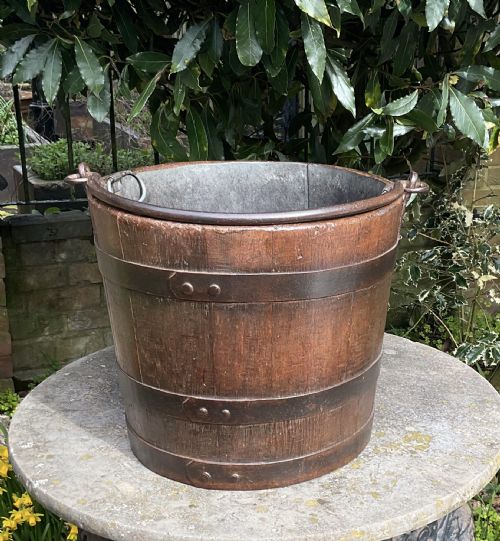


Antique Oak Bucket
An antique oak bucket brings solid timber and metal binding together for utility and fireside storage, holding a practical history of hearth and garden.
Antique Oak Bucket
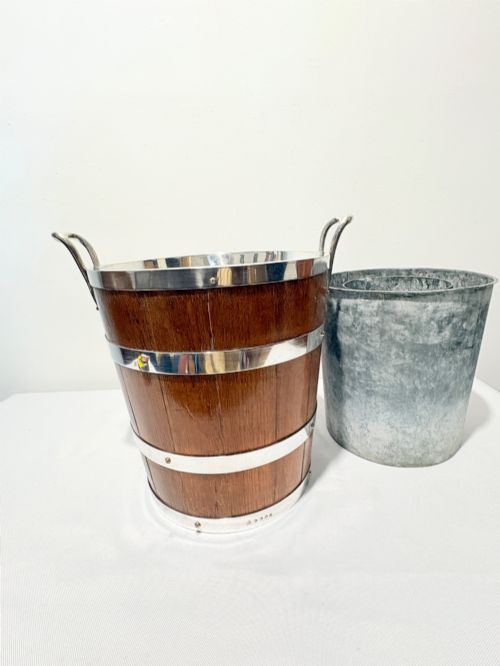
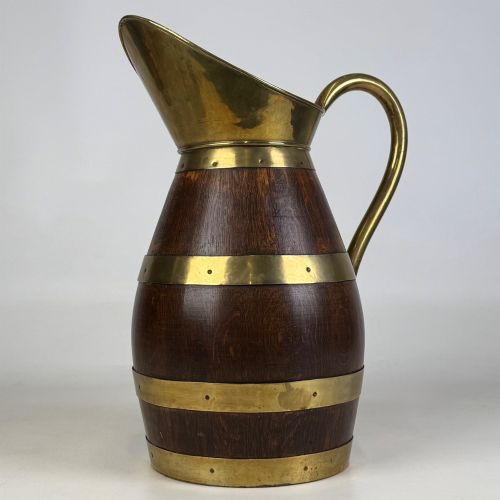
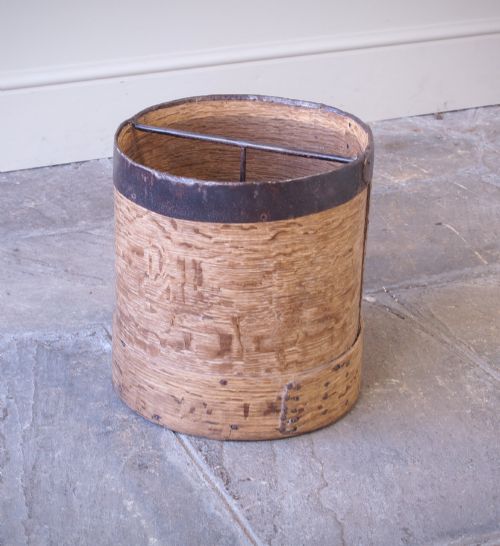
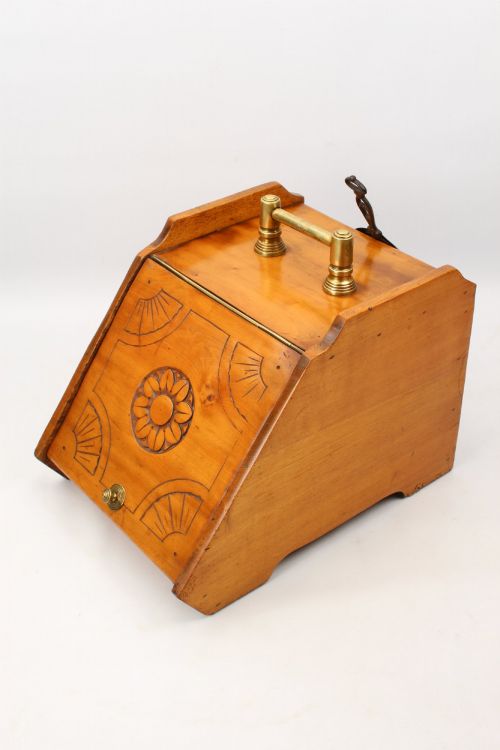
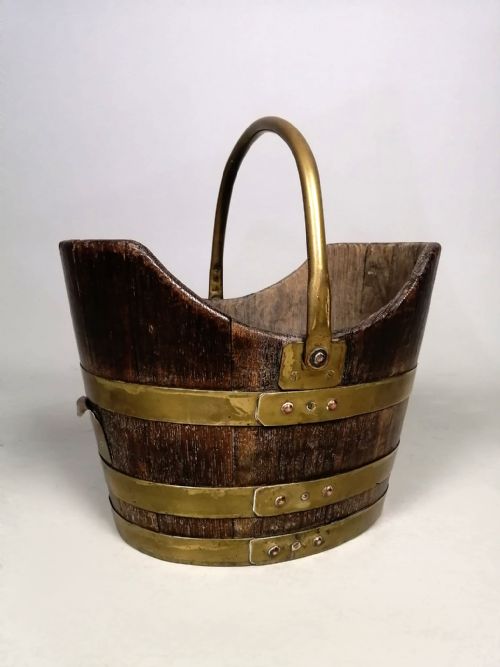
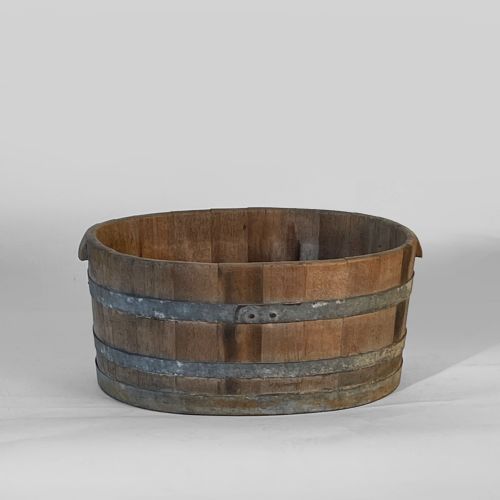
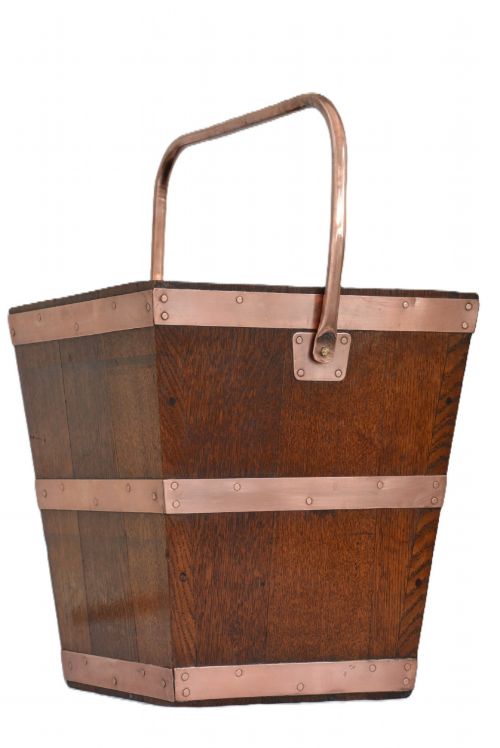
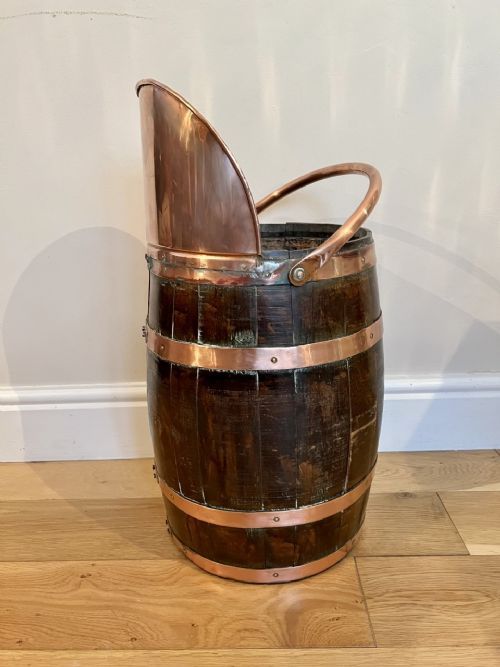
An antique oak bucket encompasses vessels constructed for domestic, garden, and hearthside utility, spanning Victorian, Edwardian, and Georgian periods. When searching for an antique oak bucket, buyers encounter diverse forms ranging from coopered wine coolers and champagne vessels to coal scuttles, peat buckets, and stick stands.
The most common examples on this page are coopered vessels reinforced with brass, iron, or copper bands, reflecting traditional barrel-making techniques. These pieces serve functional roles as log bins, umbrella stands, and planters, rooted in English, Dutch, and French country traditions.
Form follows function across these items, with heavy handles, liners, and crests appearing on pieces designed for naval, fireside, or garden use. Whether styled as a country grain measure or a refined silver-plated ice bucket, each piece relies on sturdy oak construction.
Materials and construction methods
The construction of an antique oak bucket relies on coopered staves bound tightly by metal hoops, typically forged from brass, iron, or copper. This traditional method allows the timber staves to expand and contract naturally with atmospheric changes while maintaining structural integrity.
Makers utilised solid oak alongside supporting metals like wrought iron and silver plate, frequently adding internal liners of ceramic or metal for practical containment. Handles, swinging bails, and armorial crests provide structural reinforcement and decorative detail.
Antique Oak Bucket Retail Price Guide 2026
Typical asking prices for oak bucket among the pieces listed under this phrase on Sellingantiques today, from the lower quarter to the upper quarter. They describe what is for sale here now, not the wider market.
Object forms span fireside storage, coopered wine coolers, umbrella stands, and garden planters.
Distinctions in quality and execution
Quality in these pieces rests upon the precision of the cooperage and the harmony between timber staves and metal mounts. Tighter joints, well-fitted original liners, and substantial brass or copper banding separate superior examples from standard utility wares.
The presence of maker details, armorial crests, or specialised fitments such as ceramic creamware liners elevates a piece beyond everyday domestic utility. Original patination on the oak and intact metal fittings indicate careful preservation over generations.
The Antique Oak Bucket Glossary
- Coopered
- Constructed from curved wooden staves assembled edge-to-edge and bound by metal hoops, much like a barrel. This technique ensures the vessel holds shape under weight or moisture.
- Purdonium
- A specialised coal box or container designed for domestic hearthside use, often featuring a sloping front and a shovel compartment. These Victorian and Edwardian items kept fuel neatly stored near the fire.
- Jardiniere
- An ornamental pot or stand designed to hold growing plants or flowers. In oak, these vessels often feature coopered bodies with brass or metal banding.
- Peat bucket
- A deep container traditionally used to store and transport turf or peat for fuel by the hearth. They frequently appear with swing handles and sturdy metal mounts.
- Treen
- Small handmade wooden domestic objects fashioned by turning or carving. These items display the natural grain of the wood and utilitarian history.
Antique Oak Bucket: Frequently Asked Questions
How were antique oak buckets originally used?
These vessels served diverse utilitarian purposes ranging from holding coal and peat by the fireside to cooling wine and champagne. Many functioned as garden planters, umbrella stands, or washing tubs in domestic households.
Over time, robust construction allowed them to transition from heavy daily service into decorative household storage and display pieces.
Are original metal liners common?
Original liners, whether in ceramic creamware or silver-plated metal, appear in specific items like ice buckets and wine coolers. They protected the timber from moisture and temperature extremes during service.
Many surviving pieces retain their metal or ceramic inserts, which adds significantly to their completeness and historical interest.
How do I care for an oak bucket?
Maintain the timber by keeping the oak away from direct heat sources and sudden humidity shifts that might stress the coopered staves. Occasional application of suitable wax helps preserve the natural finish of the wood.
Avoid submerging the piece in water, especially if metal bands or internal linings are present, to prevent rust and wood movement.
How do I distinguish Georgian from Victorian examples?
Georgian pieces generally exhibit earlier cabinet-making characteristics, simpler lines, and heavier brass banding associated with eighteenth-century hearths. Victorian and Edwardian items often display more ornate carving, varied hardware, and specialised domestic functions like coal purdoniums.
Examining the construction methods, metal types, and patination provides clear clues to the manufacturing period.