




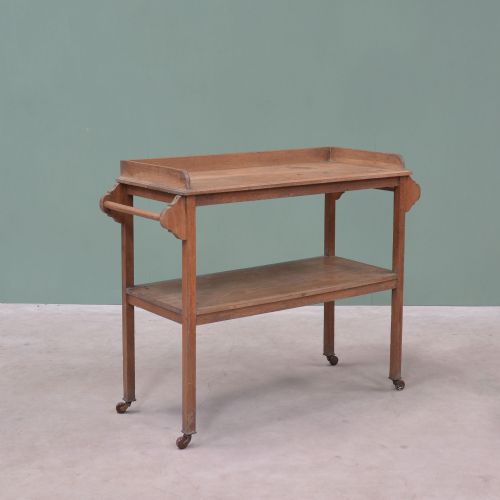
Antique Oak Bar
An antique oak bar brings tangible hospitality history into a home, offering sturdy timber surfaces and period character for modern entertaining.
Antique Oak Bar
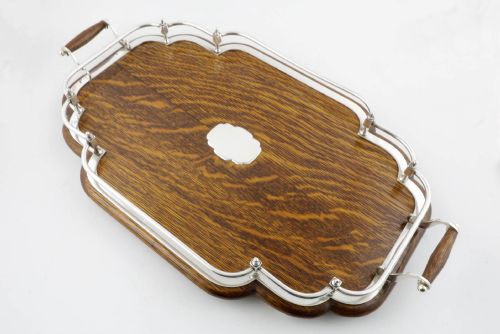
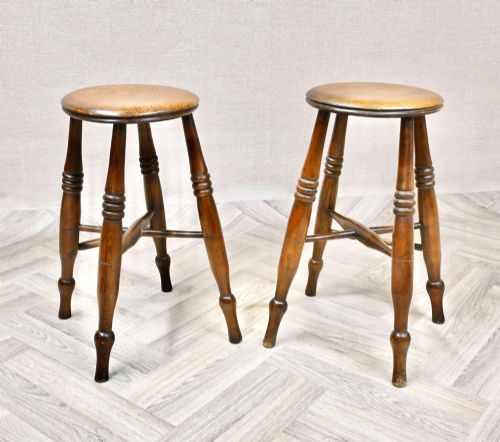
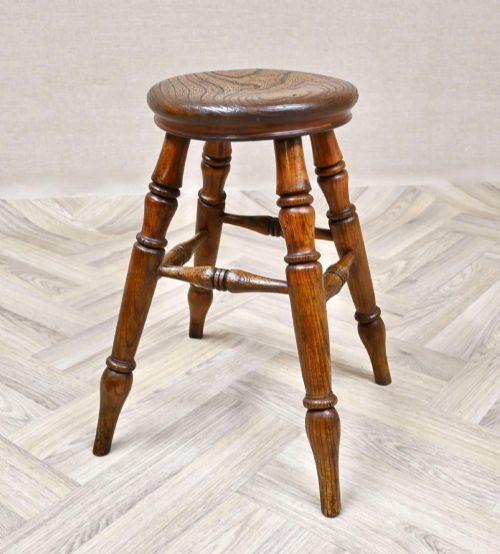
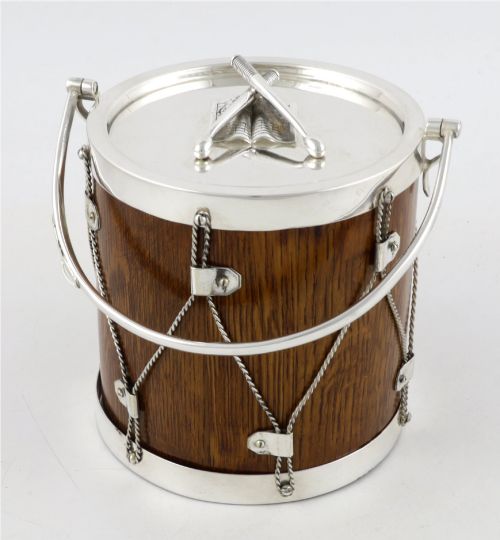
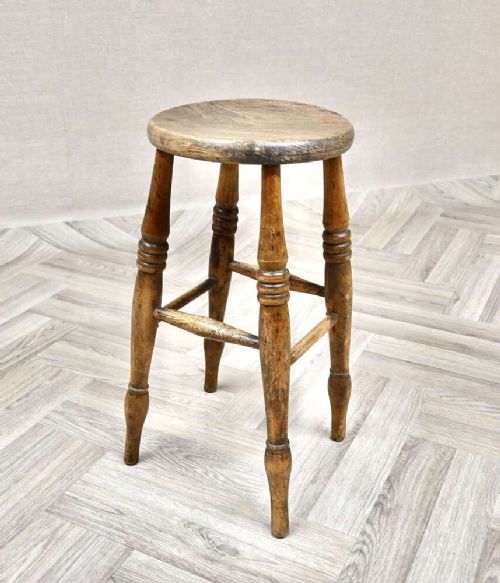
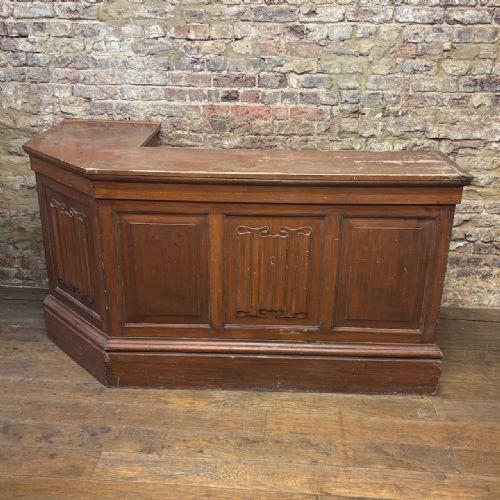
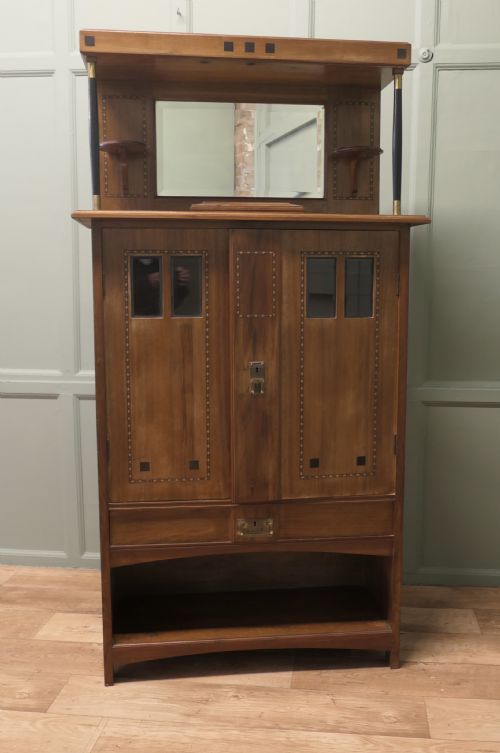
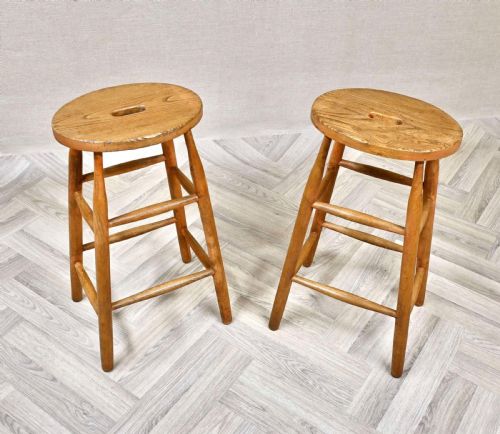
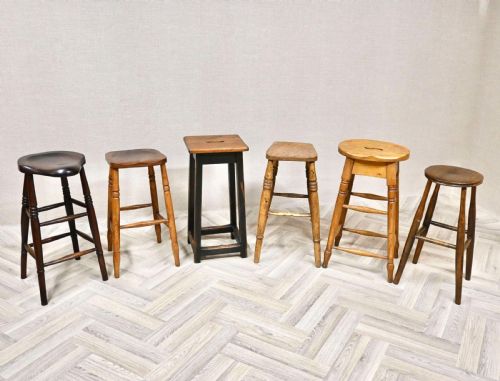
When searching for an antique oak bar, buyers encounter a diverse range of forms, including commercial counters, tall tavern stools, fitted tantalus dry bars, and freestanding hospitality stations.
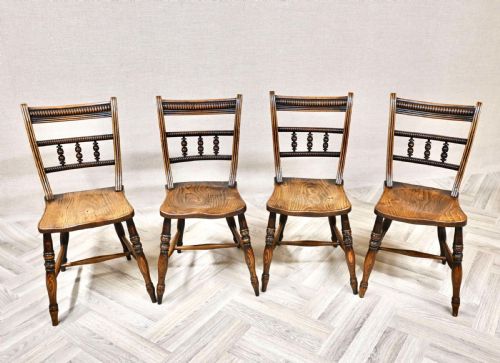
The pieces spanning this category originate from nineteenth century public houses, Edwardian domestic settings, and Georgian country houses, utilising robust timbers like oak and wild elm.
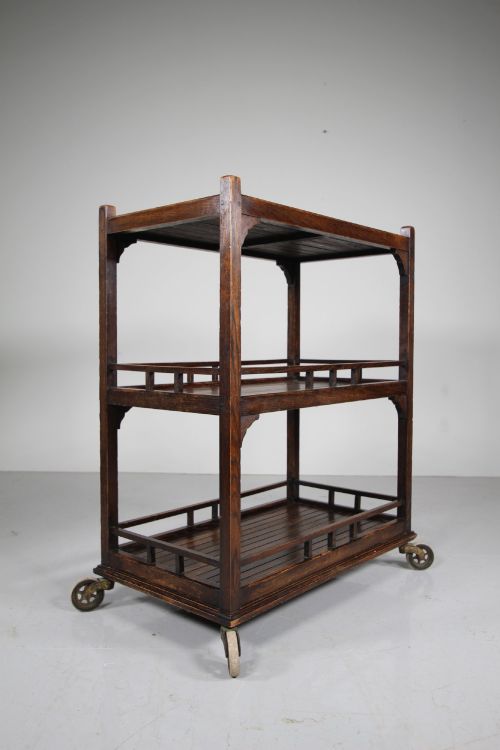
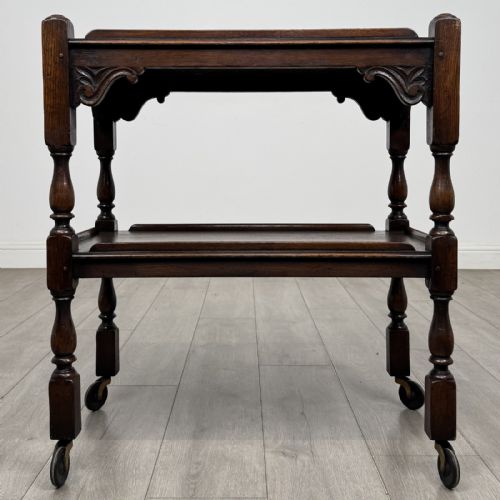
Most commonly, buyers find smaller domestic service items such as tea trolleys and drinks cabinets alongside heavy commercial counters and seating designed for public or home drinking spaces.
Judging the quality
Quality reveals itself in the selection of timber figures, such as pollard oak or burr walnut veneers, and the integrity of the joinery used on heavy counters and game compendiums.
Refined surface carving, original brass hardware, and intact glass components elevate finer domestic entertaining cabinets far above utilitarian workshop benches.
Antique Oak Bar Retail Price Guide 2026
Typical asking prices for oak bar among the pieces listed under this phrase on Sellingantiques today, from the lower quarter to the upper quarter. They describe what is for sale here now, not the wider market.
One recorded item is an American prisoner art diorama depicting a monkey saloon bar.
Heals
The Antique Oak Bar Glossary
- Bar back chair
- A seating form designed to fit comfortably against high counters or bar rails. These chairs often incorporate sturdy stretchers and supportive armrests.
- Wild elm
- A tough, interlocking timber frequently utilised for rustic tavern seating and heavy stools. Its grain resists splitting under constant commercial strain.
- Games compendium
- A multi-functional box or cabinet housing equipment for various tabletop pastimes. They often accompany dry bars and tantalus sets from the nineteenth century.
- Secessionist
- A stylistic movement focusing on clean geometric lines and minimal ornament. Pieces from this design period reject heavy Victorian revival clutter.
Antique Oak Bar: Frequently Asked Questions
What is an antique tantalus dry bar?
A tantalus dry bar combines a secure locking frame for crystal decanters with integrated storage for glasses and games. These pieces were popular for upscale entertaining in nineteenth century homes.
They allow hosts to display fine spirits safely while keeping the contents locked away when not in use.
How do I identify commercial tavern furniture?
Commercial pieces generally display heavier timber dimensions and robust construction methods designed for public houses. Tall stools and counters show considerable wear patterns from daily patronage.
Domestic equivalents like tea trolleys and hostess stations typically feature lighter frames, wheels, and removable service trays.
Where were home bars placed historically?
Home bars and drinks cabinets found their places in drawing rooms, studies, and dedicated entertaining spaces of large country houses. They served as central stations for hosting guests.
Today, these items adapt easily into modern living areas to store glassware and bottles while adding period architectural interest.
How do I care for oak bar surfaces?
Oak surfaces benefit from regular dusting with a dry cloth and occasional treatment with appropriate wood waxes to nourish the grain. Avoiding excessive moisture protects antique polishes and joins.
Keeping timber pieces away from direct heat sources prevents the historic oak from warping or cracking over time.