

Antique Nude Artwork
Antique nude artwork captures the human form across centuries of academic tradition and modernist experimentation, offering collectors profound insight into historical draughtsmanship and figurative expression.
Antique Nude Artwork
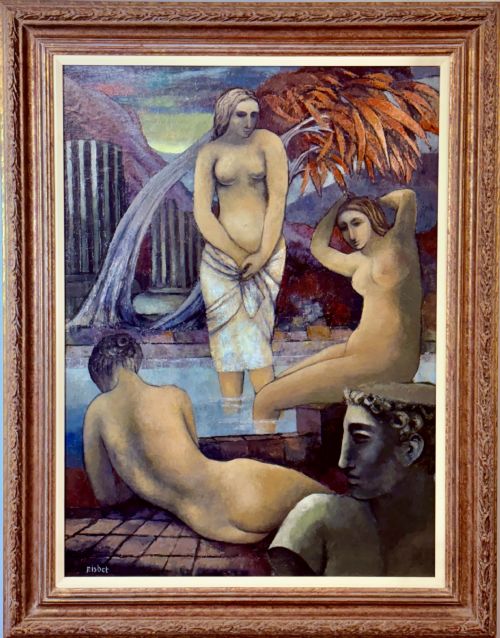
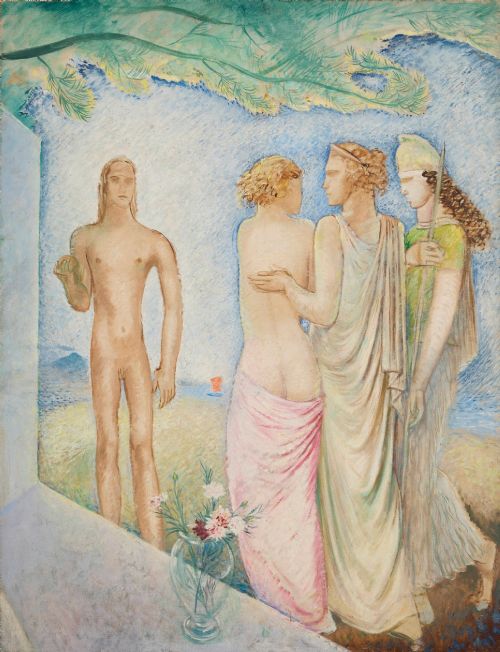
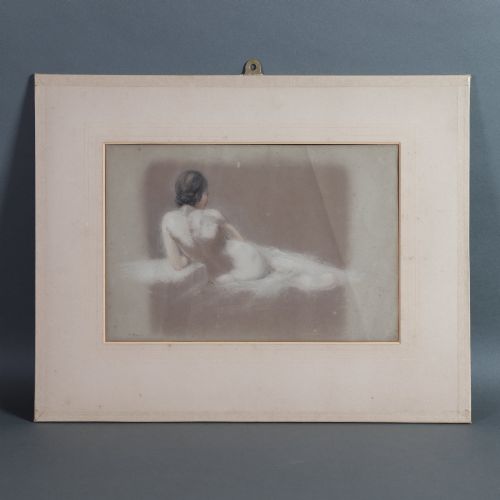
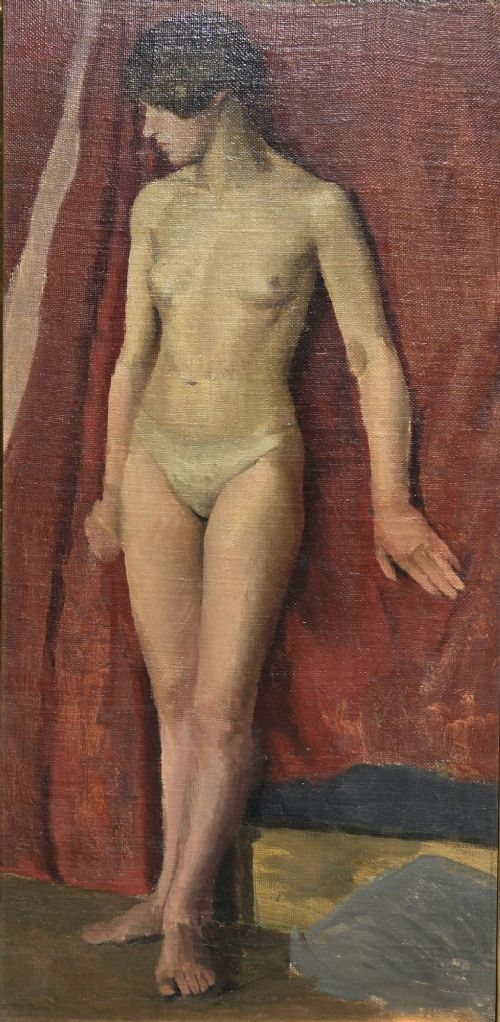
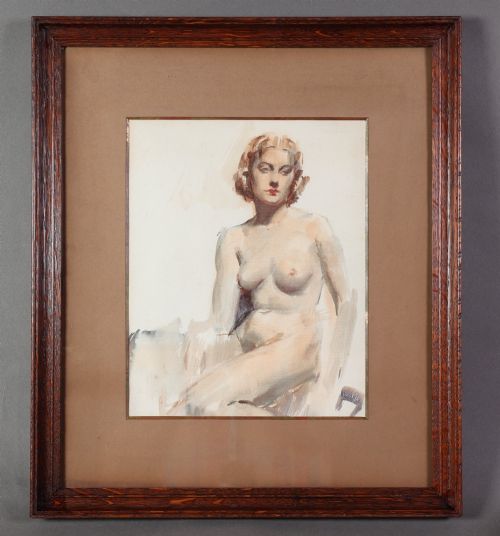
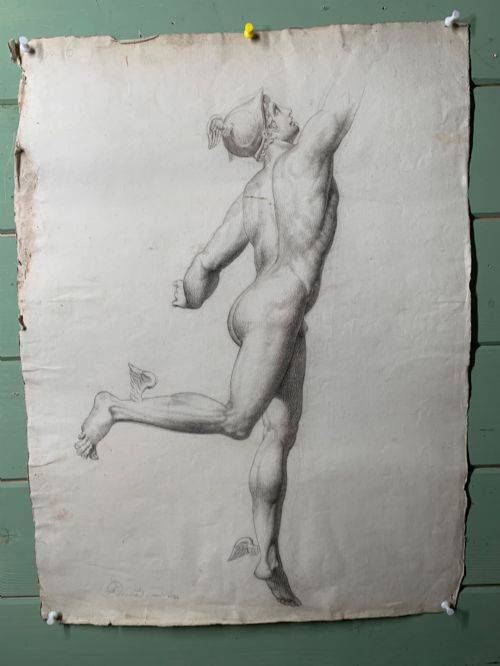
When you search for antique nude artwork, you encounter a diverse selection of pieces ranging from rigorous academic life studies to avant-garde interpretations. The material on this page spans from the seventeenth century through to the early decades of the twentieth century, capturing evolving attitudes towards the human figure in art.
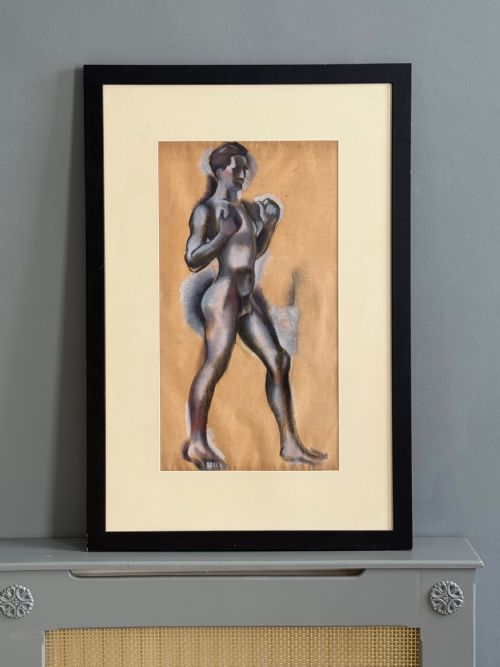
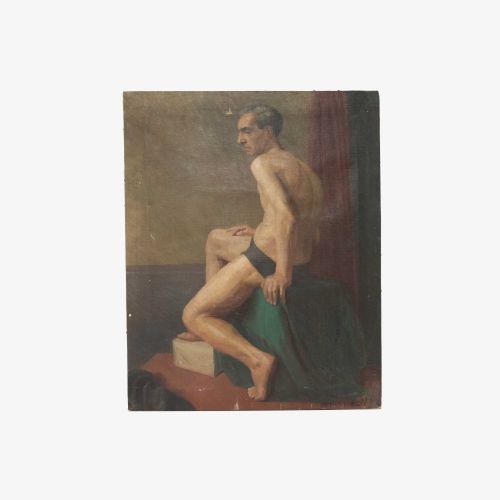
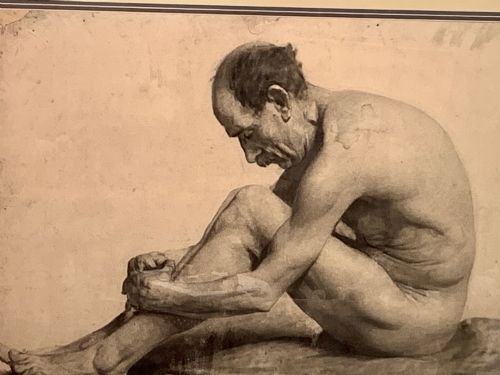
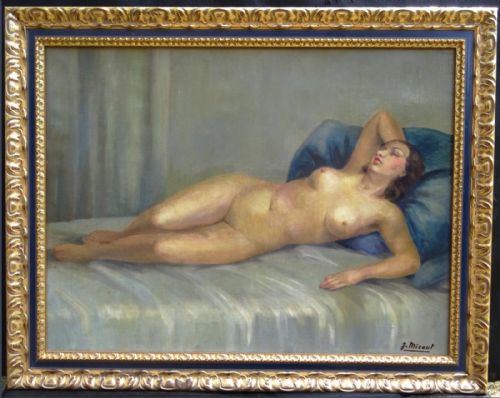
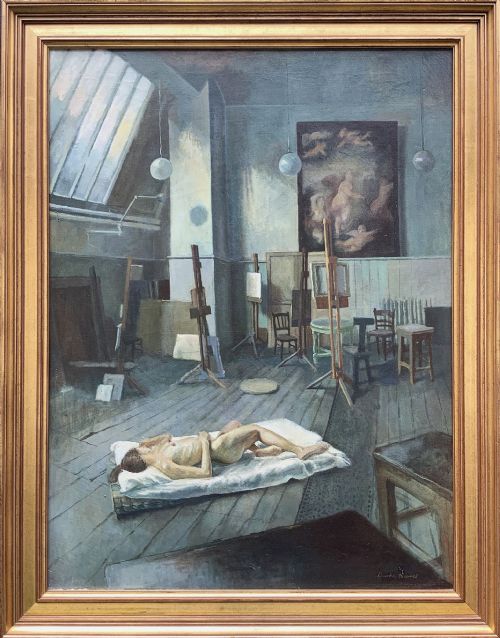
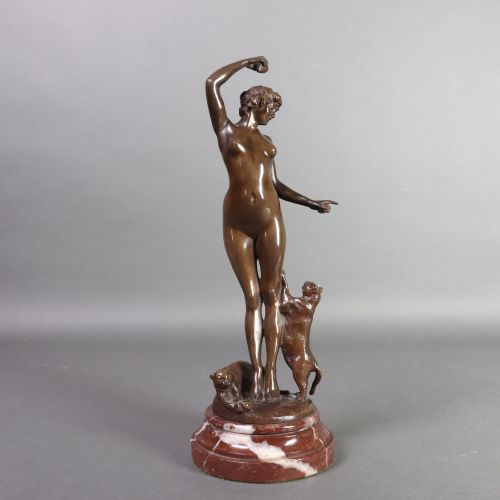
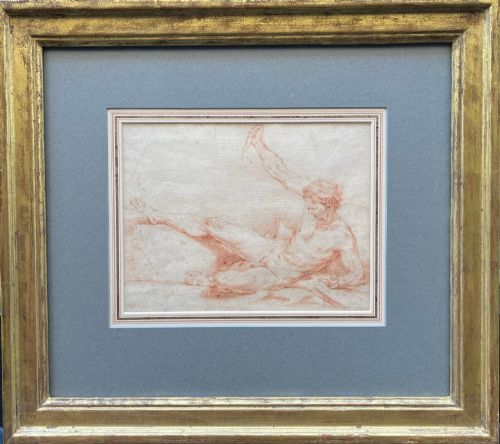
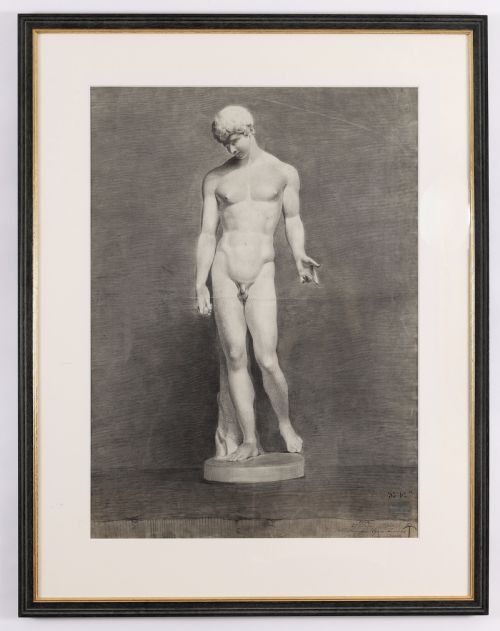
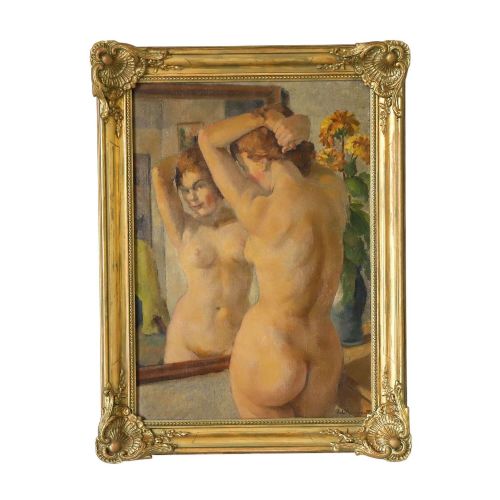
The most common formats on this page include framed drawings, oil paintings, and charcoal studies originating from British and European traditions. Works range from preparatory sketches for larger mythological compositions to finished oil paintings executed in Impressionist, Art Deco, and Academic styles.
How They Were Made
The pieces recorded here rely primarily on traditional mediums such as oil paint on canvas, panel, or board, combined with charcoal, red chalk, graphite, and ink on paper. Artists utilised these materials to capture light, shadow, and anatomical precision through layered washes, fine hatching, and deliberate strokes.
Support materials vary from stretched canvas and heavy gessoed wood panels to delicate laid paper and card. Framing often incorporates period giltwood or simple moulded timber that preserves the work while reflecting the aesthetic standards of its respective century.
Antique Nude Artwork Retail Price Guide 2026
Typical asking prices for nude artwork among the pieces listed under this phrase on Sellingantiques today, from the lower quarter to the upper quarter. They describe what is for sale here now, not the wider market.
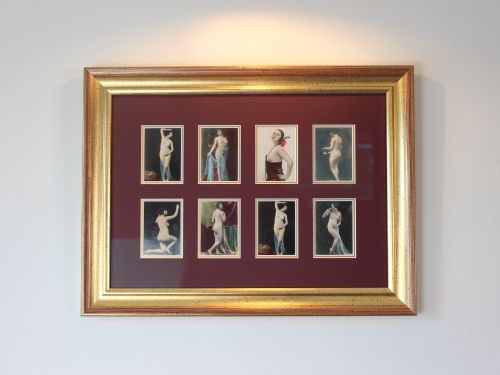
The listings span multiple centuries, uniting 17th-century Dutch painting with 20th-century modernist drawings and photography.
What Varies in Quality
Quality in these figurative works rests upon the surety of the line, the accuracy of anatomical proportion, and the subtlety of tonal modelling. Superior pieces demonstrate a confident understanding of musculature, posture, and gesture achieved through direct life observation rather than mechanical reproduction.
The distinction between standard works and master examples also lies in the expressive handling of the medium, whether through the delicate layering of oil glazes or the energetic economy of a charcoal study. Provenance and the documented skill of the artist further elevate the standing of individual pieces within the tradition.
Gustave Dussart·William Etty·Hyacinthe Colin de Vermont·Julian Mandel·Henry Arthur Roberts·Raymond Moritz·André Charles Voillemot·Gaetan Dumas·Allan Douglas Davidson·Cornelis Van Poelenburgh·Demetrios Galanis·James Clark·William Edward Frost·Sir William Russell Flint·Arthur Hacker·Fernand Jean Barbier·Peter Paul Rubens·Winifred Eugene Ballard
The Antique Nude Artwork Glossary
- Academic Realism
- A style of painting and drawing produced under the influence of European academies of art, prioritising strict adherence to classical standards, precise anatomy, and historical or mythological subjects. This approach ensured that the human form was rendered with rigorous structural integrity.
- Coloured Chalk Drawing
- A technique utilising multiple hues of dry chalk on tinted or neutral paper to build form and highlight flesh tones rapidly. Artists often employed this method for preparatory life studies.
- Collotype
- An early photomechanical planigraphic printing process that uses hardened gelatin to produce continuous tone photographic reproductions. It allowed for fine-art prints that retained the subtle nuances of original photographs.
- Grand Tour
- A traditional trip of Europe undertaken by upper-class European young men of sufficient means to flourish their cultural education. Artwork acquired during these travels often included classical engravings and figurative studies.
- Intimist
- An artistic style focusing on quiet, private interior scenes depicting domestic life and personal moments. Painters working in this manner used muted palettes and soft lighting to create an atmosphere of intimacy.
Antique Nude Artwork: Frequently Asked Questions
What is an academic life study?
An academic life study is a detailed drawing or painting of a live model executed within a structured studio or art school environment. These works prioritise accurate proportion, musculature, and shading.
Historically, artists produced these pieces to master the complexities of human anatomy before incorporating figures into larger narrative, historical, or mythological compositions.
How do I care for antique works on paper?
Works on paper require protection from direct sunlight and high humidity to prevent fading, foxing, and paper degradation. Framing with acid-free mounts and UV-filtering glass ensures longevity.
Keep these pieces in stable indoor environments away from direct heat sources to maintain the integrity of the charcoal, chalk, or ink.
What distinguishes Art Deco nudes?
Art Deco figurative works emphasise streamlined forms, stylised geometry, and modern elegance rather than classical realism. The compositions often reflect the changing social liberties of the early twentieth century.
Artists working in this period utilised clean outlines and simplified anatomical shapes to capture contemporary ideals of grace and movement.
Are these works original or prints?
The listings include both unique hand-drawn and painted originals alongside period photographic prints and graphic reproductions. Each listing specifies the exact medium, whether oil on canvas, charcoal on paper, or hand-tinted photography.
Reviewing the material details in the description clarifies whether a piece is a direct studio work or a published print of the era.