




Antique Novelty Silver Tool
An antique novelty silver tool brings functional wit to the desk or dressing table through miniature animals, vehicles and household items.
Antique Novelty Silver Tool
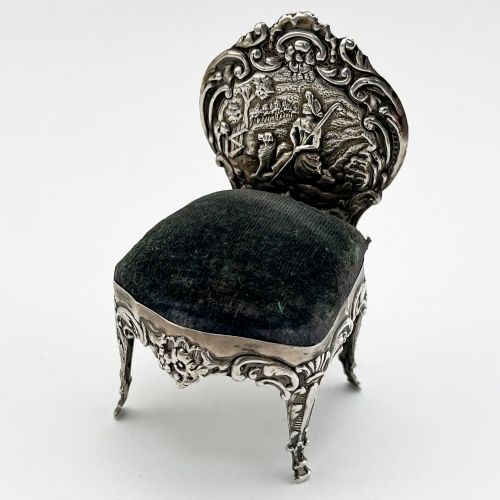
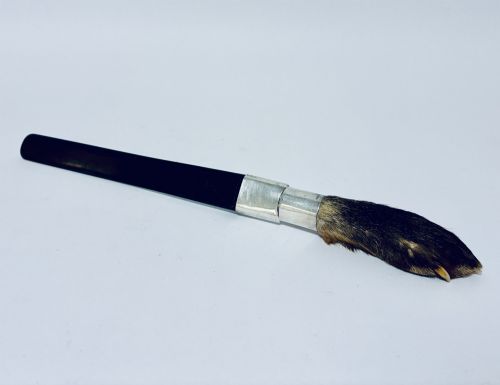
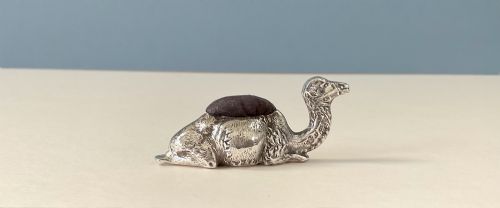
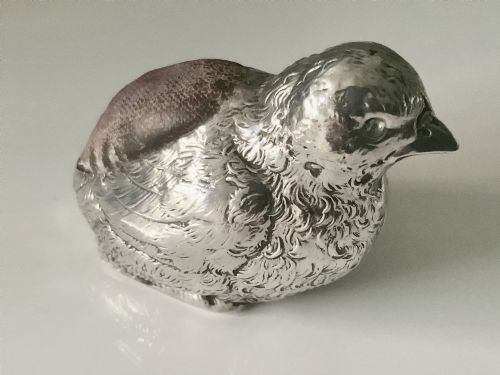
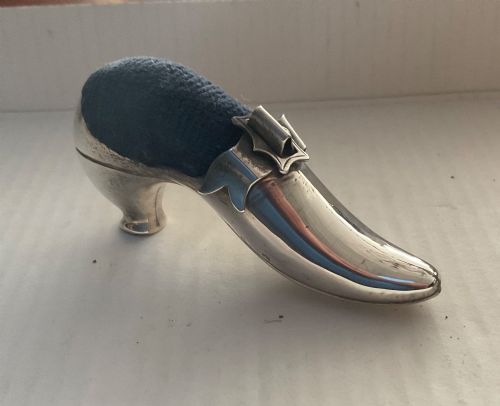
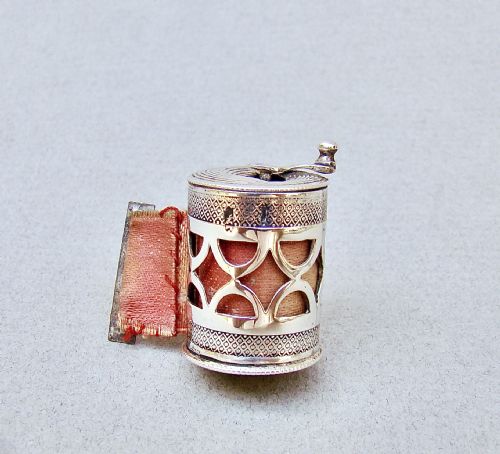
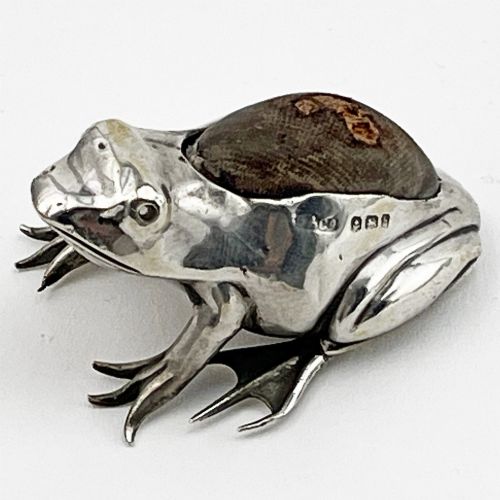
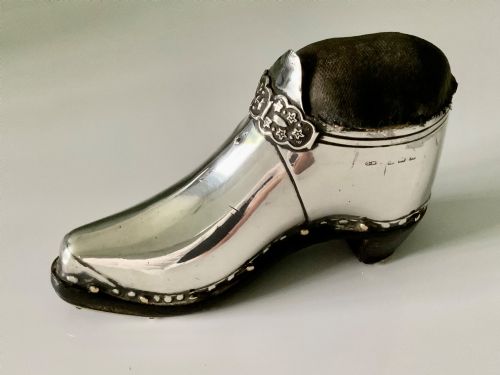
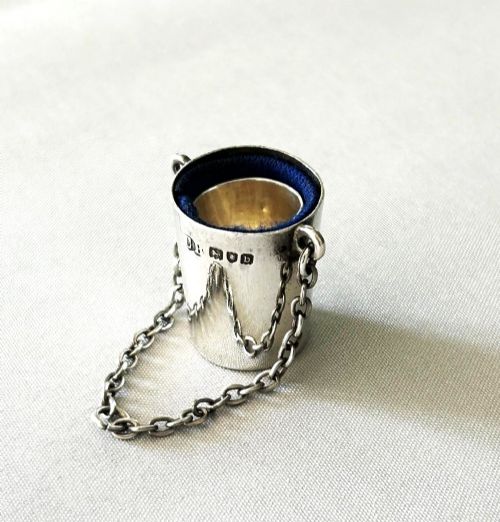
An antique novelty silver tool takes everyday implements and subjects them to playful transformation, turning practical objects into miniature animals, vehicles and household items. The selection concentrates heavily on figural pin cushions shaped as camels, bears, birds, frogs and boots, alongside sewing accessories, letter openers and apple corers.
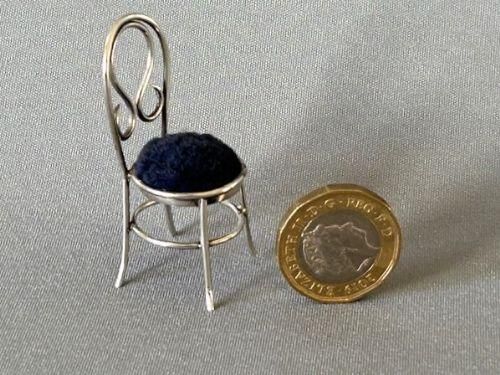
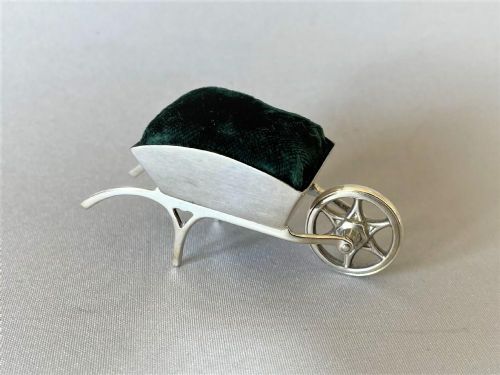
The pieces emerge principally from the Victorian, Edwardian and Georgian periods, showcasing the high technical skill and whimsical taste of silversmiths working in Britain and the Netherlands. Objects range from tiny swans and ducks to wheelbarrows, roller skates and railway lamps, each combining utility with sculptural charm.
What varies in quality
Quality rests upon the crispness of the chasing and the naturalism of the form, distinguishing a sharply modelled animal or vehicle from a softer, less detailed casting. The fidelity to the subject, whether a seated camel, a teddy bear or a railway lamp, dictates the distinction.
Originality of components, particularly the survival of the correct textile pad inside a pin cushion or the integrity of a steel blade in a tool, elevates the piece. Maker attribution and clear hallmarks further separate standard workshop output from exceptional work.
Listings feature items spanning the Georgian, Victorian, Edwardian and George V periods.
Adie & Lovekin·Sampson Mordan & Co.
The Antique Novelty Silver Tool Glossary
- Sterling silver
- A standard alloy of silver consisting of ninety-two point five percent silver by mass and seven point five percent other metals, usually copper. This composition provides the necessary durability for detailed miniature objects while maintaining a bright lustre.
- Pin cushion
- A small pad designed to hold pins and needles safely during sewing. In novelty pieces, this pad is housed within a silver sculptural shell shaped as an animal, vehicle or object.
- Chasing
- A metalsmithing technique where the artisan pushes metal from the front using hammer and punches to sink the surface and create raised decorative relief.
- Hallmark
- An official stamp applied by an assay office to indicate the purity of the metal, the maker and the year of manufacture. These marks offer precise dating and provenance for British silver.
- Button hook
- A long-handled tool with a small loop at the end, designed to fasten tight buttons on Victorian boots and gloves. Novelty examples feature decorative silver handles shaped as animals or figures.
Antique Novelty Silver Tool: Frequently Asked Questions
What were novelty silver tools used for?
These pieces served practical domestic functions while doubling as decorative conversation pieces for the home. Owners utilised them for sewing, opening letters, coring fruit or fastening garments.
Their clever shapes brought humour to mundane tasks, making them popular dressing table accessories and desk items during the Victorian and Edwardian eras.
How do I date an antique silver piece?
Dating relies primarily on the official hallmarks stamped into the metal by assay offices in cities such as Birmingham and London. These marks include letter codes for the year and symbols for the metal standard.
Stylistic cues such as the heavy ornamentation of the Victorian period or the lighter Edwardian aesthetic also help narrow down the decade of manufacture.
Why are animals so common in these designs?
Victorian and Edwardian society harboured a strong fascination with whimsical miniatures and natural history subjects. Silversmiths tapped into this taste by rendering everything from bears and pigs to frogs and birds in precious metal.
Humour played a major role in the design of these desk and sewing accessories, appealing to collectors who valued wit alongside craftsmanship.