





Antique Novelty Pottery
Antique novelty pottery brings witty, unexpected forms to the table, offering clever surprises like hidden frogs or whimsical animal shapes from centuries past.
Antique Novelty Pottery
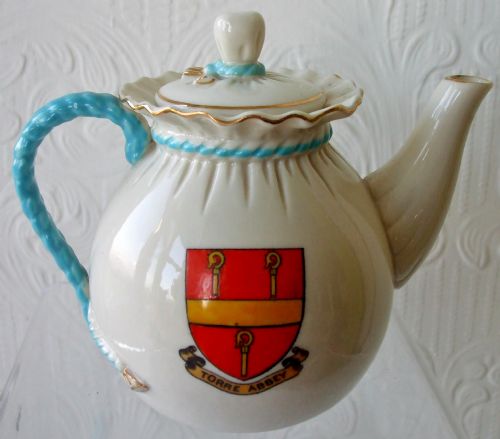
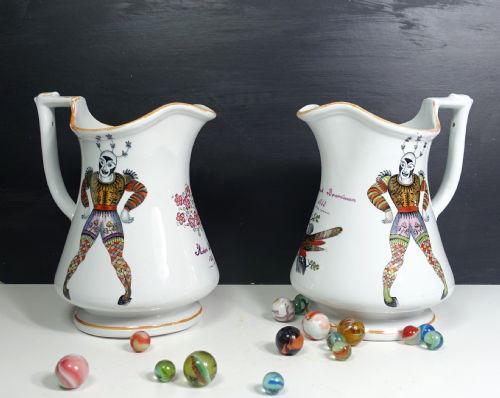
When you search for antique novelty pottery, you encounter a playful tradition of ceramic vessels designed to amuse, trick, or delight the drinker. These pieces range from practical drinking vessels like mugs and tankards to ornamental teapots, lamps, and tobacco jars.
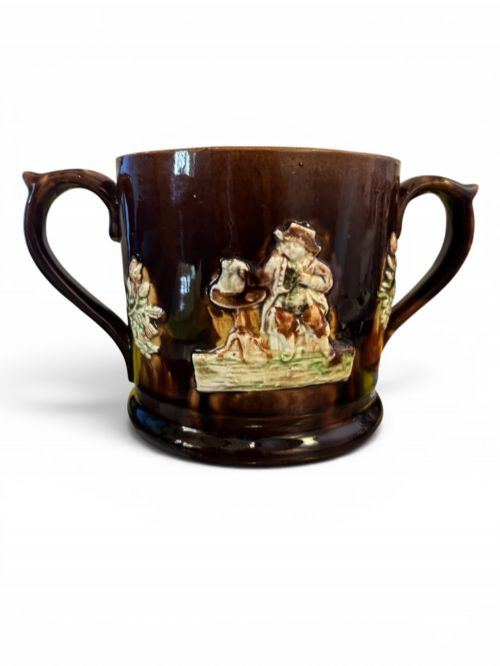
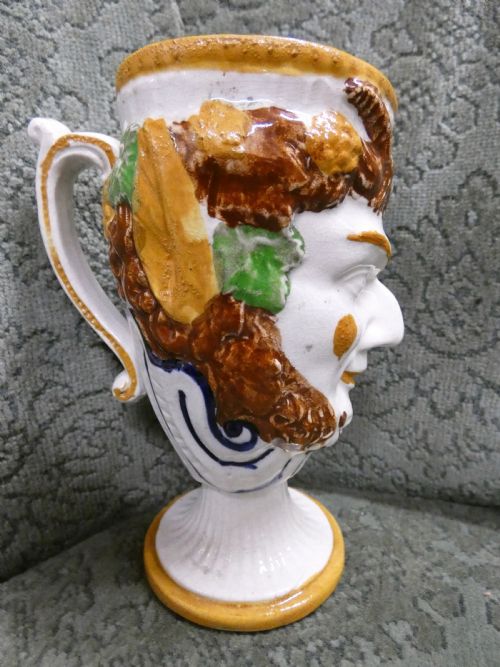
You are most likely to meet Victorian earthenware and Staffordshire figures on this page, often decorated with colourful lead glazes or majolica finishes. Many items take the form of animals, human characters, or clever puzzle pieces that require a specific method to use without spilling.
How they were made
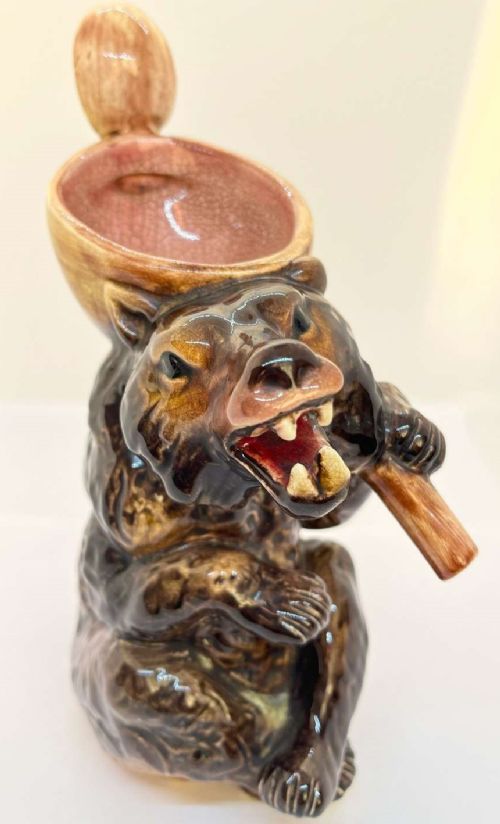
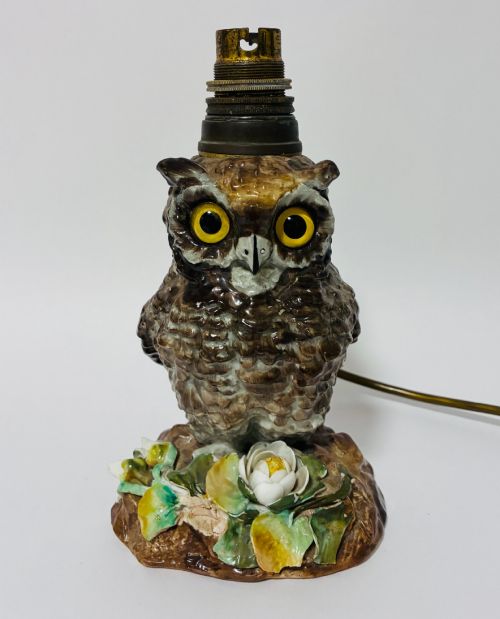
Potters shaped these amusing vessels using earthenware, stoneware, or ironstone, forming them into elaborate animal or human bodies. Moulds allowed workshops to replicate complex shapes like bears, owls, or seated men with consistent detail.
Makers applied rich lead glazes, polychrome enamel colours, and occasional touches of gold leaf to highlight texture and expression. Puzzle jugs and surprise mugs also required internal channels and perforated necks to achieve their hidden mechanical tricks.
Antique Novelty Pottery Retail Price Guide 2026
Typical asking prices for novelty pottery among the pieces listed under this phrase on Sellingantiques today, from the lower quarter to the upper quarter. They describe what is for sale here now, not the wider market.
The listings span the eighteenth, nineteenth, and early twentieth centuries, featuring earthenware, stoneware, and ironstone forms.
What varies in quality
Quality rests in the crispness of the moulding and the vibrancy of the glaze, which together define the character of the piece. Superior examples preserve fine facial expressions and careful hand-painting rather than blurred lines or muddy colours.
The complexity and cleverness of the design also set finer pieces apart, particularly in functional trick items like puzzle jugs or frog mugs. Well-executed internal engineering ensures the hidden mechanisms work reliably while maintaining a balanced, sturdy form.
Holdcroft·W.H. Goss·Staffordshire
The Antique Novelty Pottery Glossary
- Frog mug
- A drinking vessel featuring a small ceramic frog peering up from the bottom of the liquid. As the drinker finishes the beverage, the amphibian suddenly appears.
- Puzzle jug
- A vessel with a perforated neck that prevents normal drinking, forcing the user to cover hidden holes with their fingers to draw liquid through the spout.
- Majolica
- A type of earthenware covered in an opaque tin glaze and painted with bright metallic oxide colours. It gained immense popularity during the Victorian era for moulded ornamental wares.
- Pearlware
- A refined earthenware developed in the late eighteenth century featuring a subtle blueish tint in the glaze. It provided a smoother, whiter surface for hand-painted or transfer-printed decoration.
- Stoneware
- A dense, impermeable pottery fired at high temperatures until vitrified. It offers high durability for robust vessels like traditional jugs and mugs.
Antique Novelty Pottery: Frequently Asked Questions
How do frog mugs work?
A frog mug contains a small ceramic figure moulded inside the base or clinging to the rim. As the drinker finishes the ale or beer, the hidden creature emerges as a surprise.
These pieces were frequently used in taverns as drinking games or practical jokes among companions.
What is a puzzle jug used for?
A puzzle jug challenges the drinker to consume the contents without spilling, using a hollow handle and a perforated neck. The user must cover specific holes with their fingers to create suction through the correct channel.
They served as interactive table entertainment during communal gatherings in the eighteenth and nineteenth centuries.
How do I care for antique pottery?
Keep these ceramic pieces away from direct sunlight and dramatic temperature fluctuations to protect the glaze and enamel. Dust them gently with a soft, dry cloth rather than using liquid cleaners.
Avoid using them for serving food or drink, as older lead glazes and porous earthenware are unsuited for modern culinary use.
How do I date Victorian majolica?
Victorian majolica relies on moulded botanical or animal motifs combined with intense, pooled coloured glazes. Examining the base often reveals manufacturer marks, registration diamonds, or the characteristic texture of earthenware bodies.
Comparing the crispness of the relief work against known period examples helps confirm the approximate decade of manufacture.