


Antique Norwegian Jewellery
Antique Norwegian jewellery brings together brilliant enamel work and silver, offering striking twentieth-century design for daily wear.
Antique Norwegian Jewellery
Antique Norwegian jewellery encompasses wearable silver works created across the twentieth century, including the Victorian era, the 1900s, 1920s, 1930s, 1950s, and 1960s. These pieces include brooches, pendants, bracelets, and brooch and pin combinations that reflect distinct historical design movements.
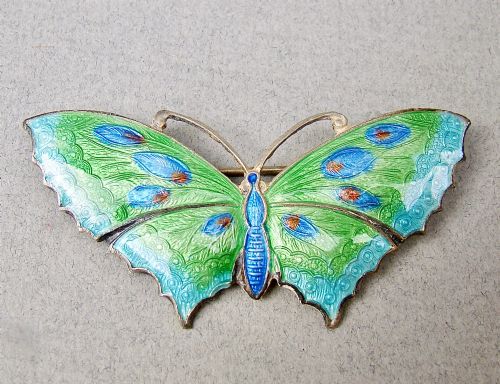
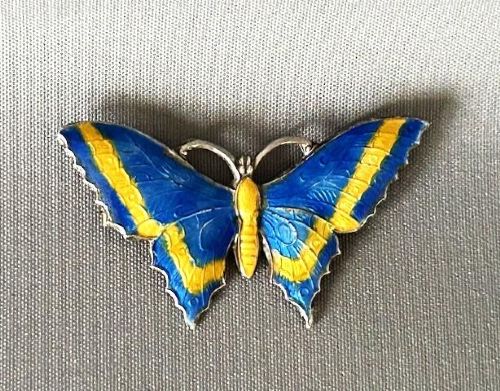
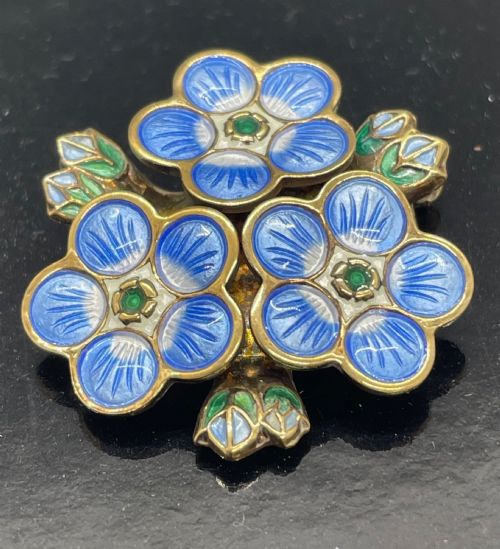
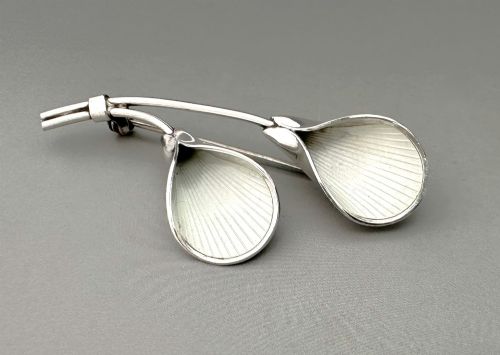
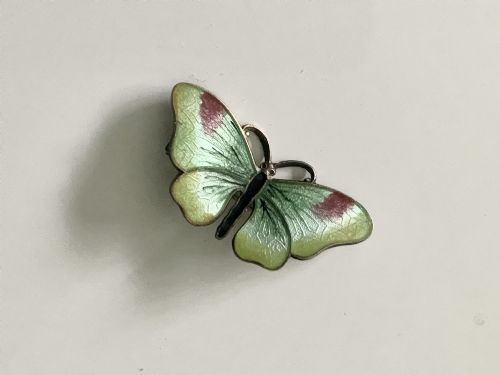
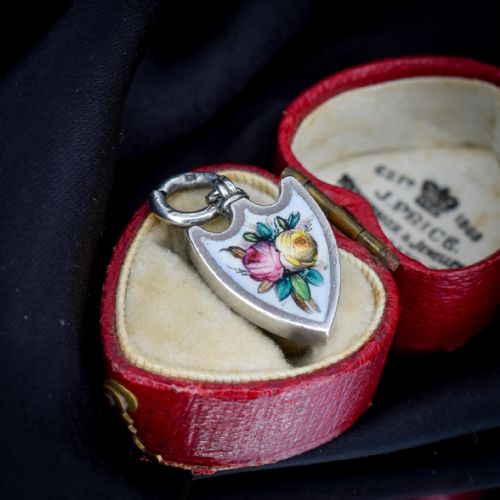
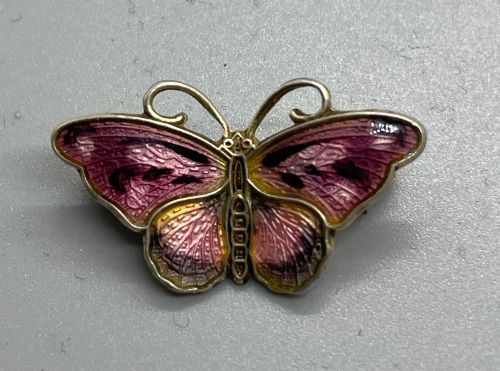
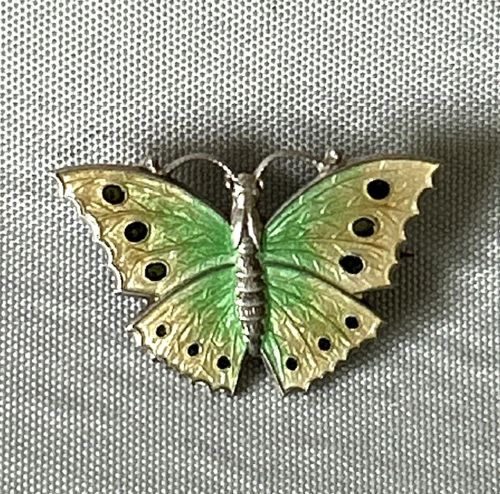
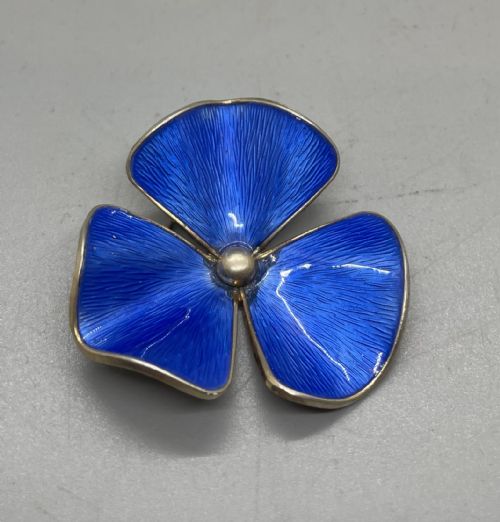
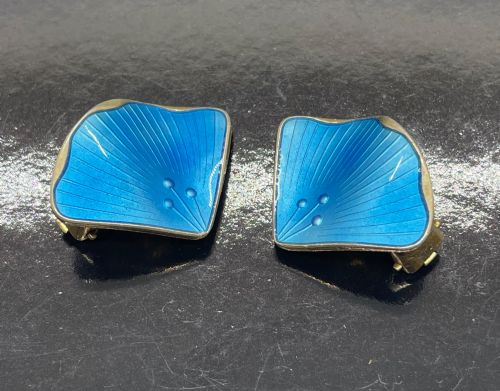
Buyers browsing antique Norwegian jewellery frequently encounter colourful enamel creations, particularly guilloche enamel items featuring floral motifs, royal crowns, shields, Viking ships, and butterflies. Silver filigree work also appears among the available forms.
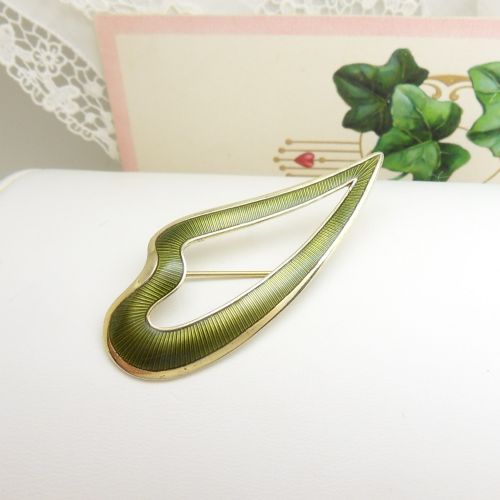
The aesthetic of these items shifts across eras, moving from ornate Victorian and Art Nouveau pieces through Art Deco and Scandinavian Modern styles up to Mid-Century Modern designs. Silver, sterling silver, and silver gilt serve as the primary foundational metals for these ornaments.
How these pieces were made
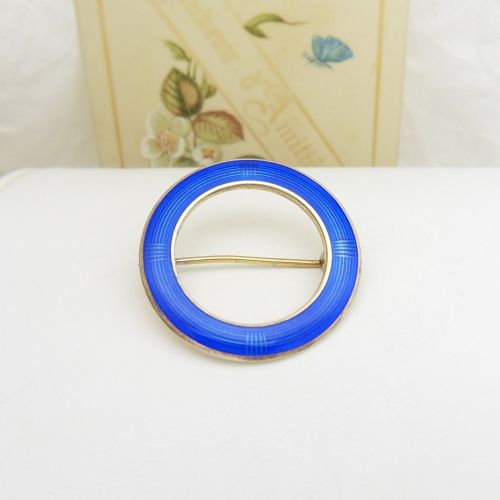
Makers of antique Norwegian jewellery utilised silver, sterling silver, and gold gilt alongside vitreous and guilloche enamel to create rich surface patterns and deep colour. Artisans applied translucent enamel over engine-turned metal grounds to produce shimmering light effects on pieces like butterfly brooches and floral pendants.
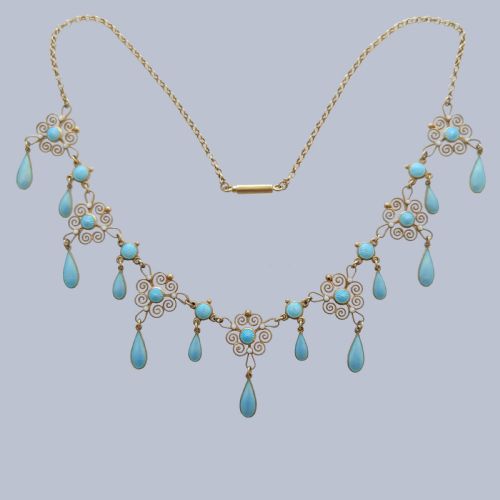
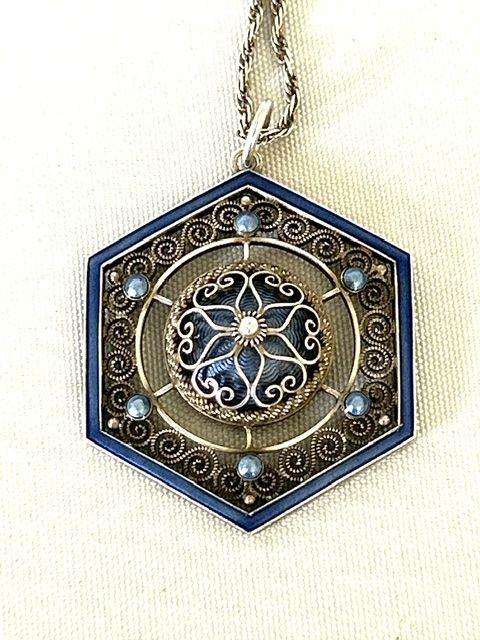
Intricate silver filigree work required skilled manual manipulation of fine metal wire into delicate openwork designs, seen clearly in bracelets and charms. Metal components were often gilded with gold to enhance the visual contrast against vibrant enamel colours.
Antique Norwegian Jewellery Retail Price Guide 2026
Typical asking prices for norwegian jewellery among the pieces listed under this phrase on Sellingantiques today, from the lower quarter to the upper quarter. They describe what is for sale here now, not the wider market.
Listings feature items from the Victorian era up through the 1960s, rendered in silver, sterling silver, and gold gilt with vitreous and guilloche enamel.
What varies in quality
The sophistication of the enamel work dictates much of the distinction in antique Norwegian jewellery, particularly the precision of the guilloche engraving beneath translucent layers. Pieces featuring complex multi-coloured shading or detailed miniature painting demand higher levels of artisan skill than simpler flat enamelling.
The complexity of the metal smithing also separates standard items from exceptional examples, notably where fine silver filigree is shaped by hand into intricate three-dimensional forms. Weight, substantial mountings, and clear maker or hallmarking contribute further to the distinction between ordinary production and master craftsmanship.
David Andersen·Marius Hammer·Gustav Gaudernack
The Antique Norwegian Jewellery Glossary
- Guilloche enamel
- A decorative technique where a metal surface is engraved with repetitive geometric patterns before a translucent enamel layer is applied over top. This lets light reflect through the coloured glass to create a shimmering effect.
- Silver gilt
- Silver that has been coated with a thin layer of gold on its surface. This finish provides the warm tone of gold while utilising a silver base metal.
- Vitreous enamel
- A material made by fusing powdered glass to a substrate by firing, usually at high temperatures. The resulting compound creates a durable, glossy coloured surface on metal jewellery.
- Silver filigree
- An intricate form of jewellery decoration made with fine threads of silver soldered together in openwork patterns. Artisans twist and bend the wire into delicate lace-like arrangements.
- Brooch
- A decorative jewellery item designed to be attached to clothing, frequently secured with a pin stem and catch mechanism on the reverse. These pieces often serve as miniature canvases for enamel work.
Antique Norwegian Jewellery: Frequently Asked Questions
What periods do these pieces span?
Antique Norwegian jewellery covers a broad timeline stretching from the Victorian era through the 1900s, 1920s, 1930s, and 1950s into the 1960s. Design styles shifted correspondingly from early ornate motifs to clean Scandinavian Modern lines.
Enamel techniques and silver smithing remained central throughout these decades, though the aesthetic vocabulary evolved with each successive design movement.
What motifs are most common?
Butterflies, flowers, and natural subjects appear frequently across brooches and pendants from this region. You will also encounter cultural or historical subjects such as Viking ships and royal crowns.
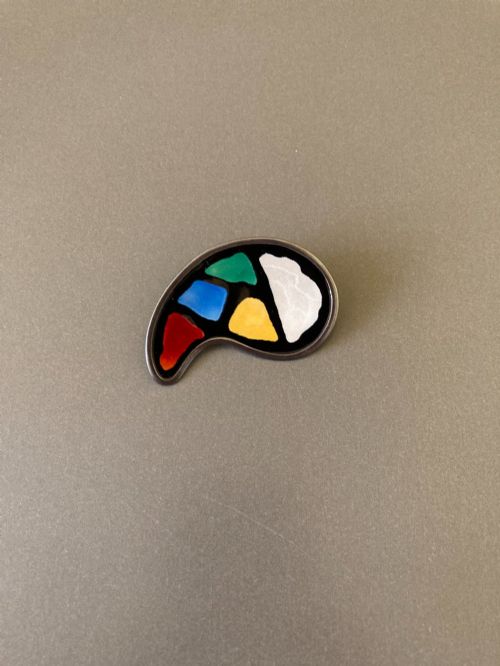
Geometric patterns and abstract forms become more prevalent in pieces from the later mid-century decades.
How should I care for enamel jewellery?
Vitreous and guilloche enamel require gentle handling because the glass surface can chip or scratch if struck against hard objects. Clean pieces softly with a damp cloth rather than harsh chemical dips.
Store items individually in soft pouches to protect both the delicate enamel work and the underlying silver gilt mounts.