



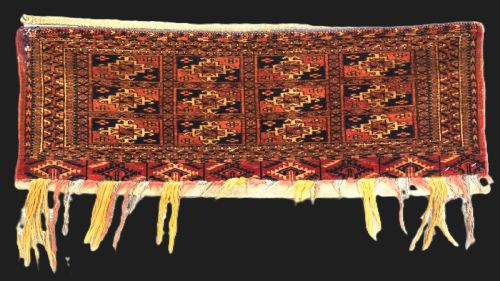

Antique Nomadic Pouch
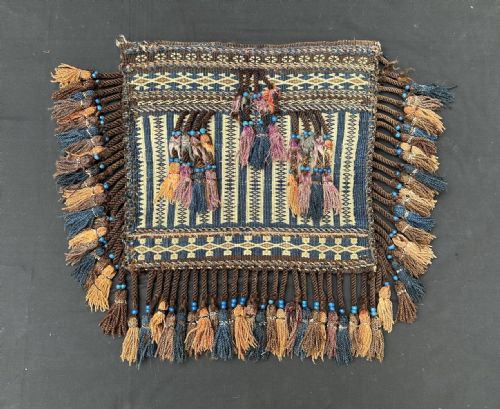
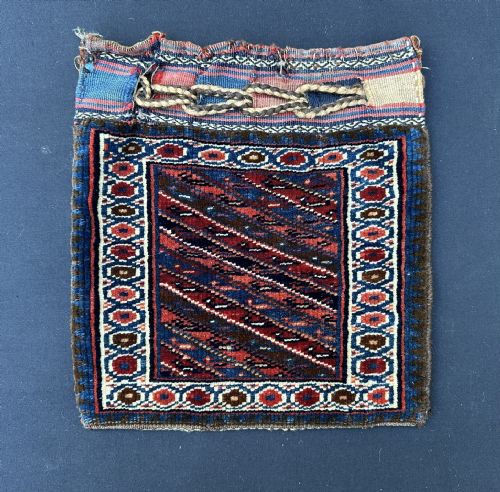
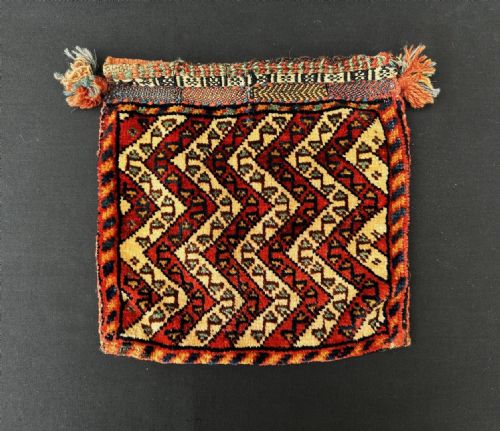
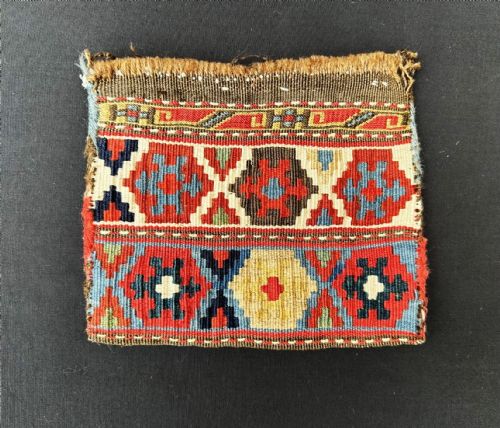
When collectors seek an antique nomadic pouch, they find woven tribal bags that served practical daily needs across Persia, Central Asia, and the Caucasus.
Antique Nomadic Pouch
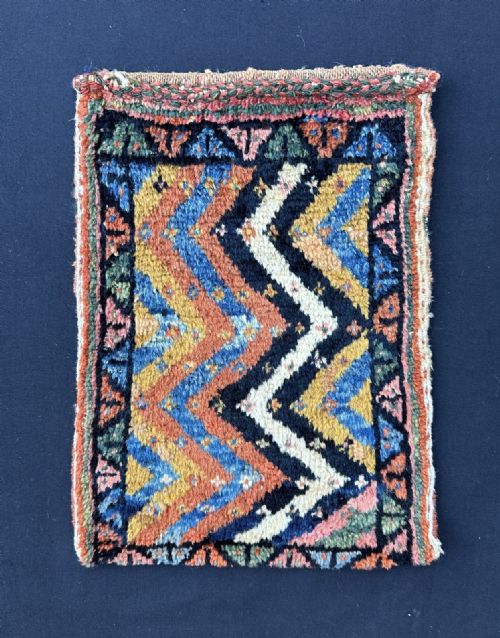
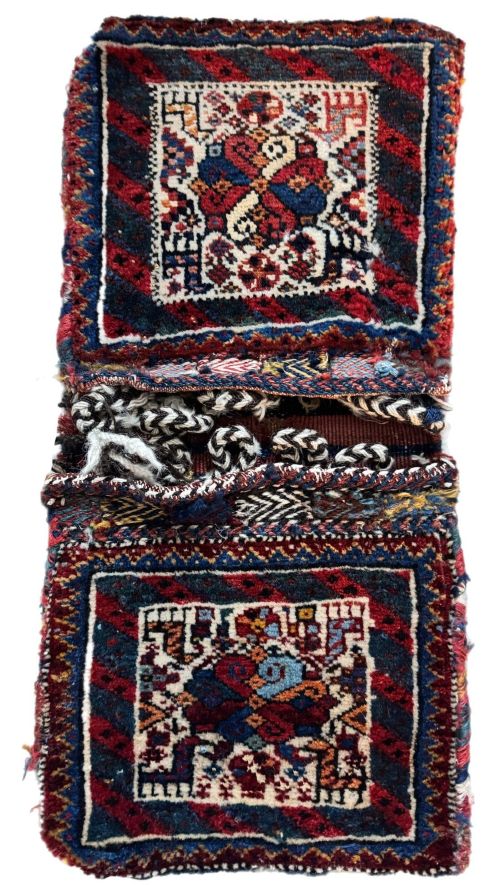
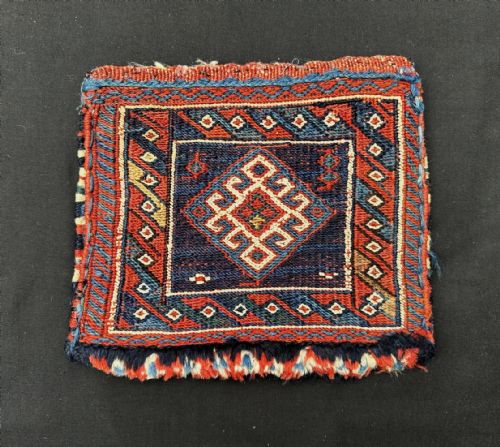
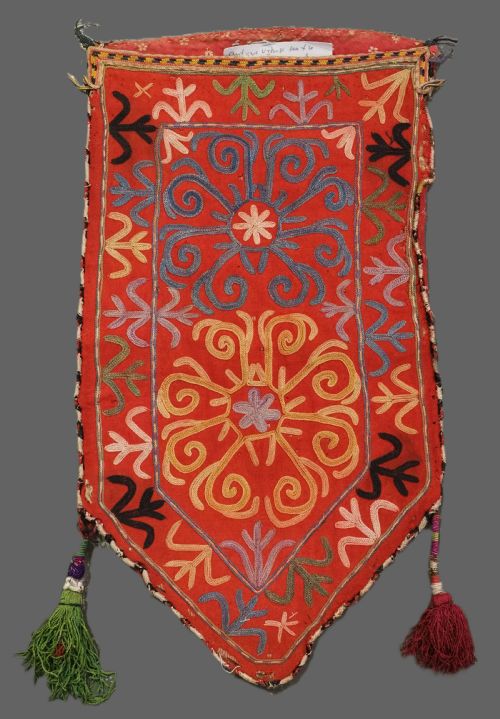
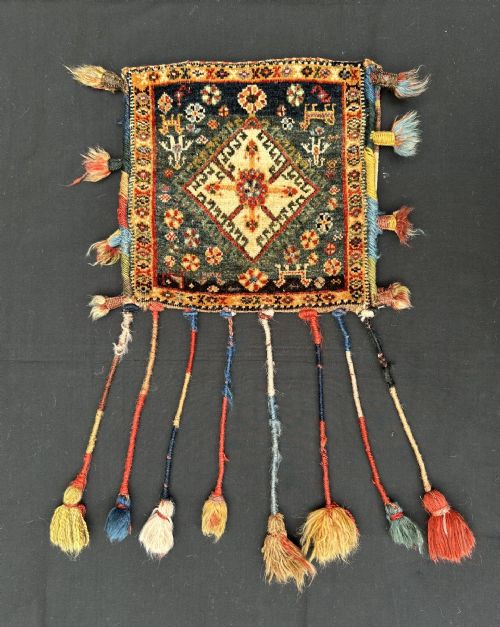
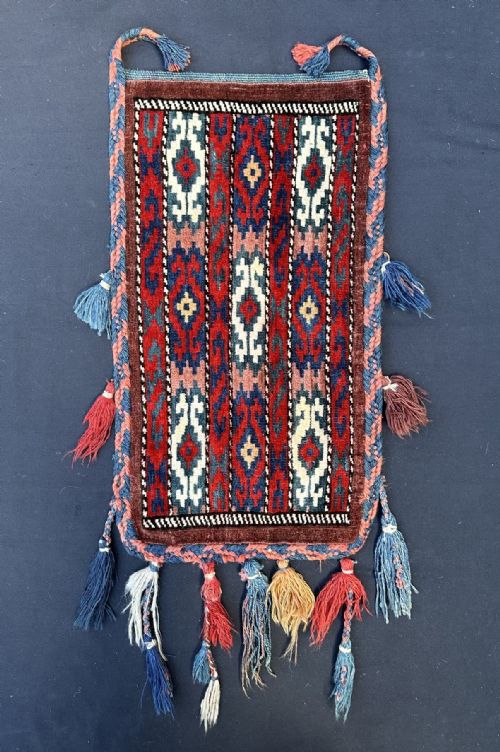
Makers utilised these portable containers for domestic storage, personal items, and transport during seasonal migrations. Forms range from small chantehs and vanity bags to larger torbas and chuvals designed for tent organisation. Each piece reflects the specific weaving traditions and regional patterns of its makers.
How they were made
Weavers relied principally on hand-spun wool and cotton foundations, dyed with natural colorants to achieve rich hues. Many examples incorporate supplementary materials such as silk, cowrie shells, and glass beads to embellish the surface design.
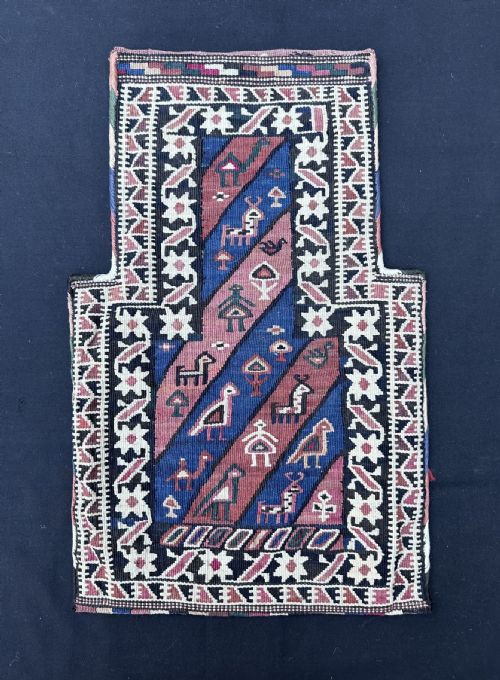
Techniques combine pile weaving with flatweave structures, plain weave backs, and banded weft work. Artisans constructed double-faced or double-sided bags to withstand the rigours of nomadic life while maintaining intricate tribal motifs.
Antique Nomadic Pouch Retail Price Guide 2026
Typical asking prices for nomadic pouch among the pieces listed under this phrase on Sellingantiques today, from the lower quarter to the upper quarter. They describe what is for sale here now, not the wider market.
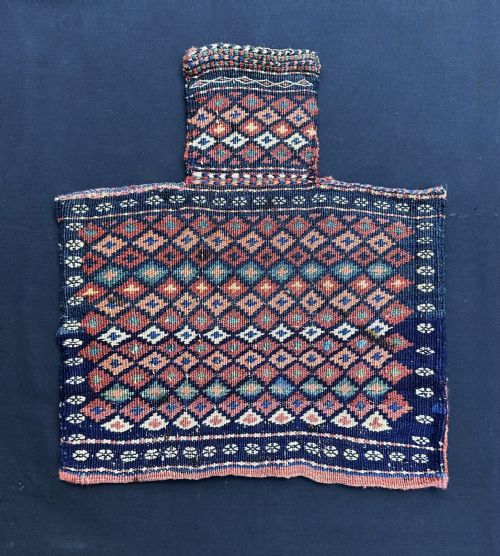
Salt bags were woven with narrow necks so the contents stayed put even when the camel broke into a brisk trot.
What varies in quality
Quality rests upon the fineness of the weave, the saturation and depth of the natural dyes, and the integrity of the original construction. Pieces retaining their complete plain weave backs or paired components demonstrate superior preservation.
Design execution and the complexity of tribal motifs distinguish standard utility items from exceptional textile art. The precision of geometric structures and the clever integration of decorative elements reveal the weaver's skill.
Baluch Tribes·Yomut Tribes·Tekke Turkmen·Shahsevan Nomads
The Antique Nomadic Pouch Glossary
- Chanteh
- A small tribal bag or vanity pouch used by nomads for personal possessions. These small containers often display intricate face designs and flatweave backs.
- Torba
- A small rectangular Turkmen storage bag traditionally hung inside a yurt. They frequently feature banded weft work and distinctive tribal guls.
- Chuval
- A large tent bag used for storing household goods and bedding within nomadic dwellings. These pieces often exhibit repeating primary motifs across the main field.
- Gul
- A medallion pattern or repeating octagonal motif utilised by Turkmen and other Central Asian tribes. Each design identifies the specific tribal group or sub-tribe of the maker.
Antique Nomadic Pouch: Frequently Asked Questions
What were antique nomadic pouches used for?
Nomads utilised these woven containers for carrying personal items, salt, spindles, and small household goods during seasonal migrations.
They also served as decorative storage within tents, keeping essential possessions organised and protected from damp ground.
How do I identify different tribal styles?
Tribal attribution relies on specific structural patterns, colour palettes, and characteristic motifs unique to each confederacy or region.
For instance, Yomut and Tekke pieces display distinct guls, while Persian tribal groups utilise specific geometric layouts and regional wool qualities.
What materials are used in these bags?
Authentic examples are constructed primarily from hand-spun wool and cotton, coloured using traditional natural dyes.
Some pieces incorporate silk highlights, glass beads, or cowrie shells to enhance the decorative surface.
How should I display a textile bag?
These flexible textiles can be mounted securely on a wall using non-damaging textile display methods or placed flat on suitable surfaces.
Protecting the wool from direct sunlight preserves the natural dyes and prevents fibre degradation over time.