



Antique Nickel Light
These antique nickel light pieces offer durable metallic sheen and utilitarian utility, bringing industrial brightness and period character to any interior scheme.
Antique Nickel Light
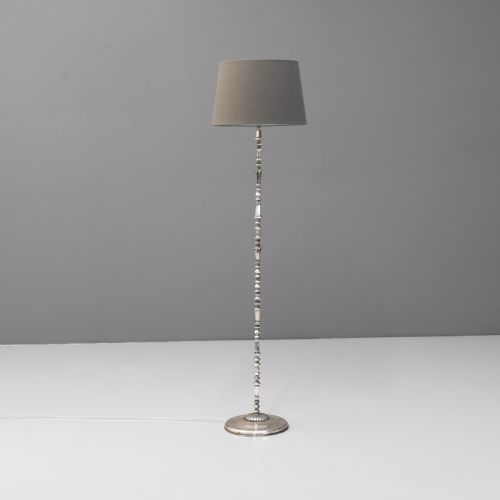
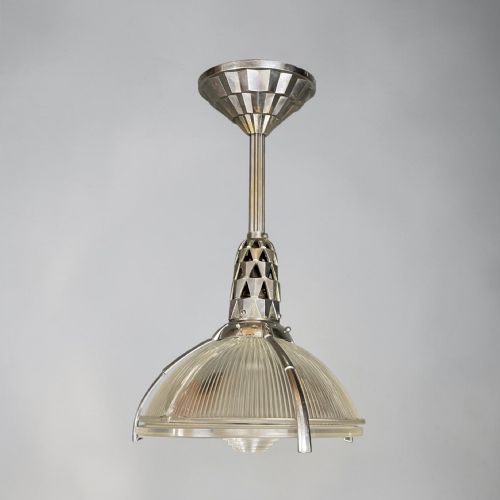
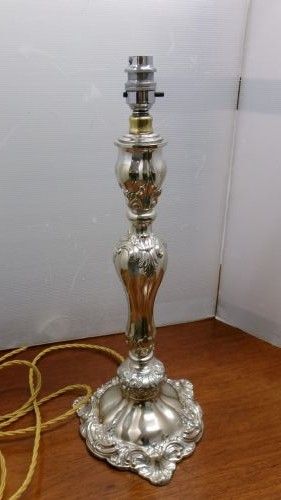
When you search for an antique nickel light, you encounter a varied selection of task lighting, maritime fittings, and grand chandeliers dating from the eighteenth century through to the interwar decades. The inventory spans simple desk lamps, travelling reading lamps, and robust ship gimbal lights alongside multi-armed chandeliers originating from French and Italian workshops.
You are most likely to meet Edwardian and nineteen-ten pieces finished in nickel plating, often designed for functional settings or maritime use where durability mattered. The selection also includes earlier brass and paktong candlesticks, together with silver-plated candelabra suites and occasional taxidermy lamp forms from the late nineteenth century.
The objects serve multiple illumination purposes, moving from ceiling lighting and wall lights down to portable reading lamps and table lamps. Makers such as Veritas Lamp Works appear among the offerings, providing specialised travelling equipment intended for practical everyday use.
Materials and construction methods
Makers utilised solid brass, paktong, and base metals as a foundation, applying electroplated nickel silver or standard nickel plating across the exterior surfaces to prevent corrosion and create a bright finish. This metallic layer provided a robust shield for items destined for marine environments or heavy desk use.
Construction involved precise metal spinning, casting, and assembly of multi-armed chandeliers and gimbal rings designed to keep lamps level aboard ships. Fabric elements accompany specific table and pendant designs, while crystal droplets complement the larger Italian and French chandeliers.
Antique Nickel Light Retail Price Guide 2026
Typical asking prices for nickel light among the pieces listed under this phrase on Sellingantiques today, from the lower quarter to the upper quarter. They describe what is for sale here now, not the wider market.
Materials recorded across the inventory include brass, fabric, crystal, electroplated nickel silver, and paktong.
Distinctions in manufacture and design
The integrity of the underlying metalwork and the retention of the original nickel or silver plate dictate the standard of each piece. Superior examples exhibit crisp casting details on arms and brackets, alongside fully functioning mechanical gimbal mechanisms that move smoothly without excessive play.
Design complexity also defines the higher end of the range, visible in multi-light chandeliers with integrated crystal work or signed travelling lamps by known makers. Simpler utilitarian items show quality through the thickness of the gauge metal used and the durability of the structural joints.
Veritas Lamp Works·Émile-Jacques Ruhlmann
The Antique Nickel Light Glossary
- Nickel plating
- The process of coating a base metal object with a thin layer of nickel to improve corrosion resistance and provide a bright, reflective surface.
- Paktong
- A copper-nickel-zinc alloy originating from China, historically used in the eighteenth century for high-quality candlesticks and decorative metalware before modern plating techniques became widespread.
- Gimbal
- A pivoted ring assembly that allows a lamp or compass to remain horizontal regardless of the motion of a ship or carriage.
- EPNS
- Electroplated nickel silver, denoting a base of nickel alloy coated with a layer of pure silver through an electrical process.
- Candelabra
- A branched candlestick or holder designed to carry multiple candles or light bulbs simultaneously.
Antique Nickel Light: Frequently Asked Questions
What is paktong?
Paktong is a traditional copper, nickel, and zinc alloy that arrived in Europe from China during the eighteenth century. It mimics the appearance of silver while offering exceptional strength for candlesticks.
Craftsmen prized this heavy material for its resistance to tarnish and its ability to take sharp cast details. Pieces from this era remain sought after by collectors of early lighting.
How do ship gimbal lamps work?
A gimbal lamp uses a system of concentric rings and pivots that counteract the rolling motion of a vessel. This keeps the burner and fuel reservoir level at all times.
Original maritime pieces show heavy brass and nickel construction built to withstand harsh saltwater conditions. They attach securely to cabin walls or bulkheads.
When was nickel plating common?
Nickel plating gained widespread industrial use during the late nineteenth century and remained popular through the Edwardian period and the Art Deco era. Manufacturers applied it to domestic and commercial lighting to provide a bright, easily cleaned surface.
The technique protected vulnerable base metals from rust while giving a modern metallic sheen to chandeliers and desk lamps.
How do I clean antique nickel?
Antique nickel requires gentle cleaning with a soft microfiber cloth and warm soapy water to avoid wearing through the thin historic plating. Abrasive polishes will strip the remaining finish from the base metal.
Preserving the existing surface texture maintains the authenticity and age character of the piece.