

Antique Needlepoint
These antique needlepoint textiles and upholstered furnishings bring tactile historic charm to domestic interiors through intricate hand-stitched wool and silk work.
Antique Needlepoint
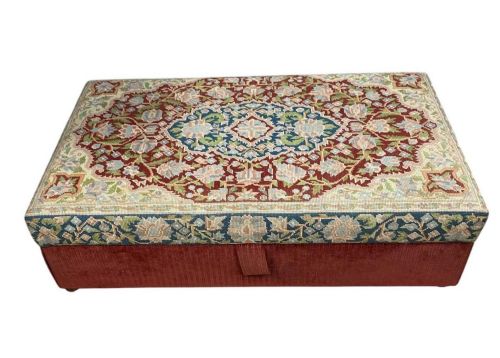
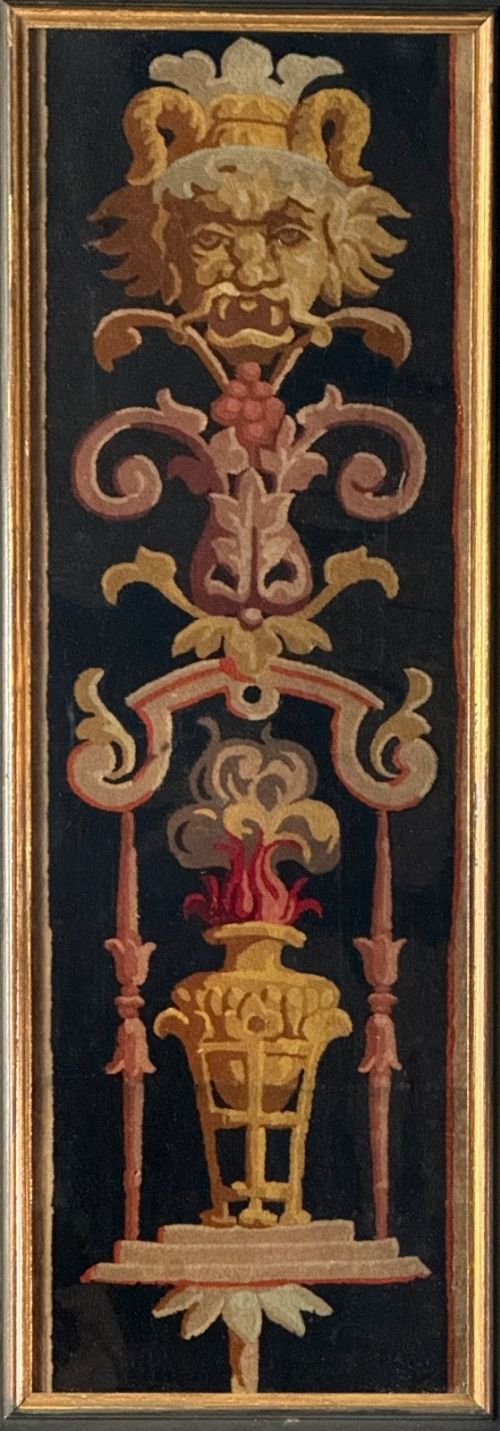
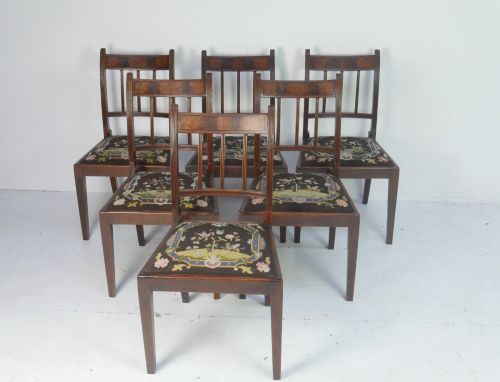
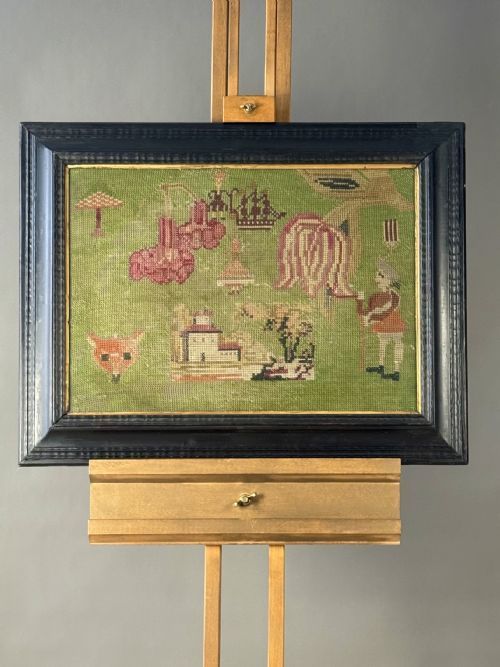
When searching for antique needlepoint, collectors encounter a diverse range of items spanning the seventeenth to the early twentieth century. The selection encompasses framed samplers, wall art, fire screens, and structural seating upholstered in period tapestry work.
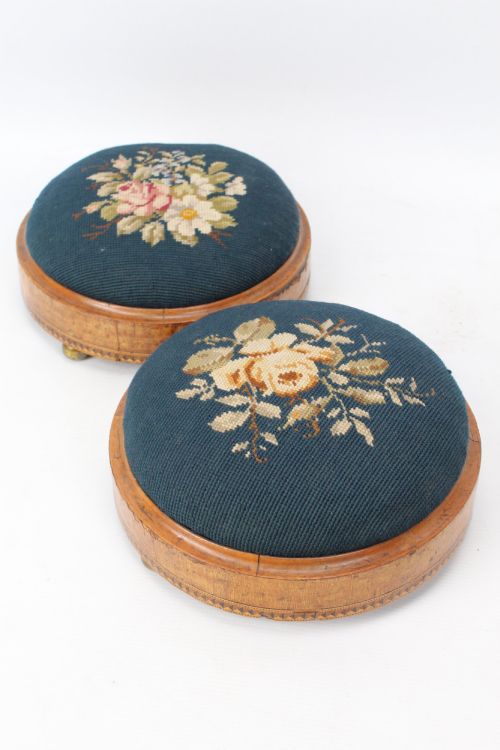
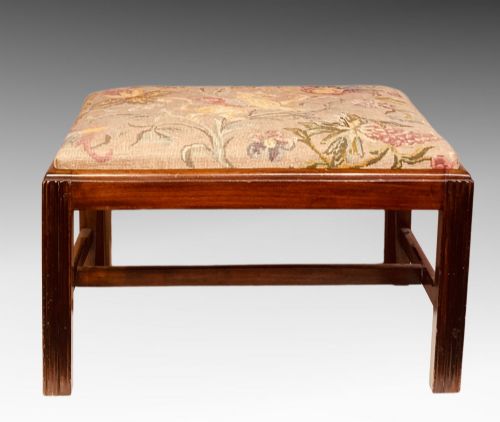
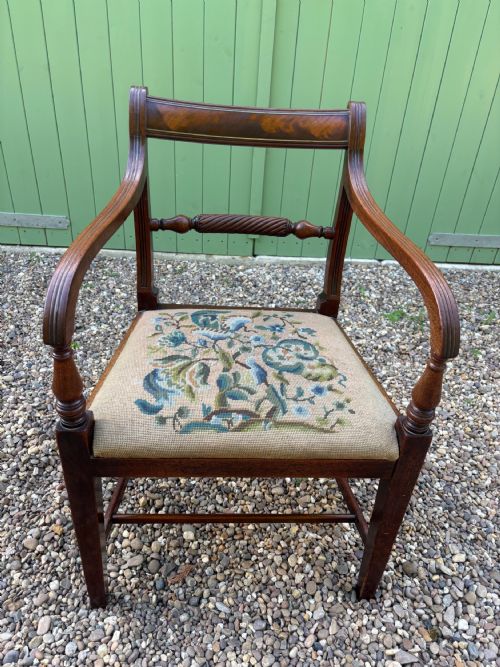
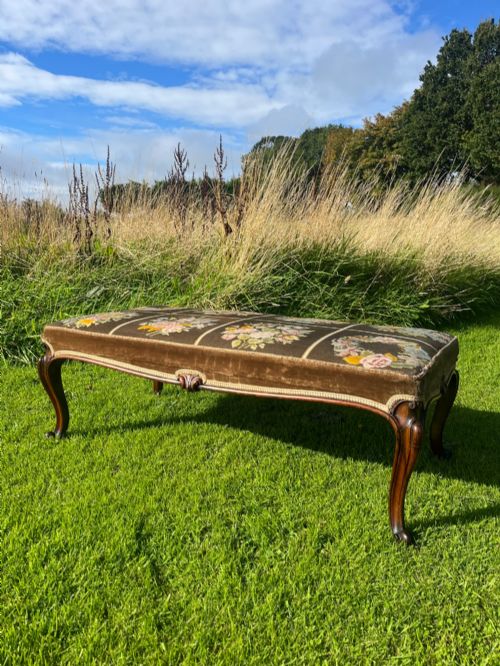
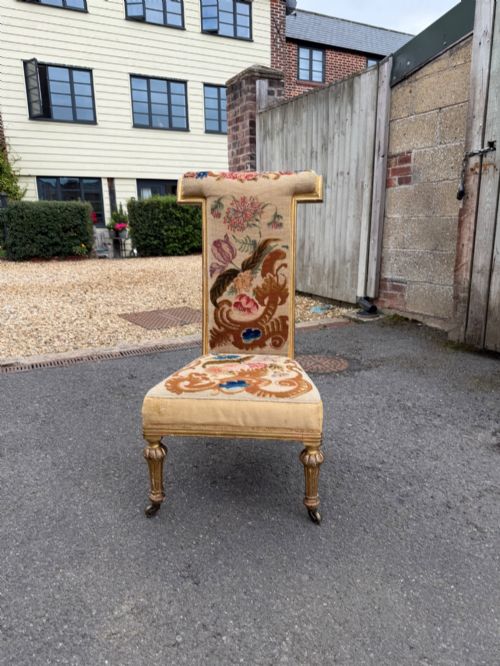
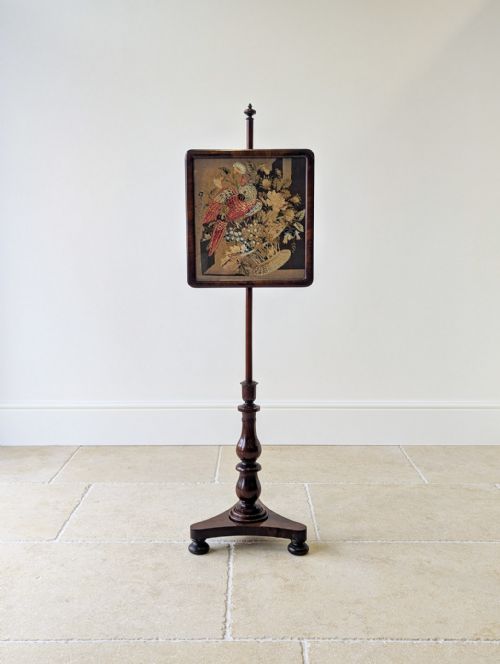
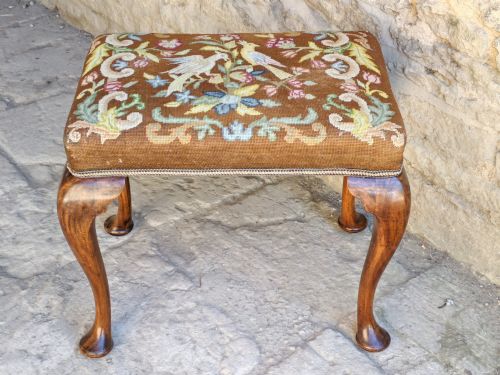
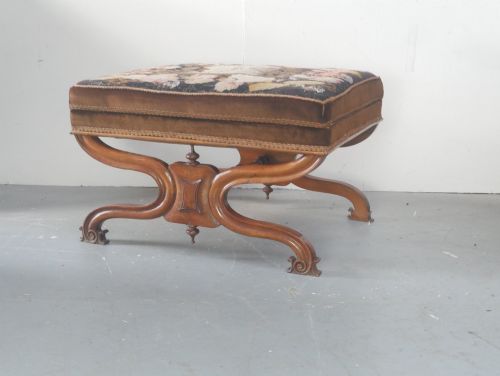
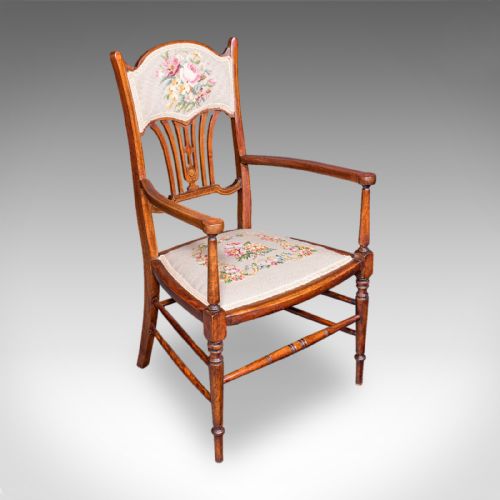
Footstools, pole screens, and armchairs from the Victorian and Edwardian eras dominate the current offerings. These functional domestic objects demonstrate how ornamental needlework was integrated into everyday nineteenth-century life.
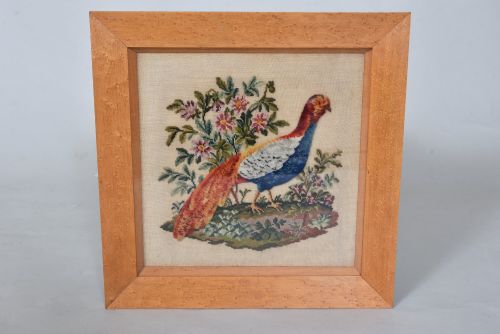
Earlier examples extend back to the seventeenth and eighteenth centuries, featuring embroidered panels and samplers created on linen or canvas foundations. These historical pieces showcase meticulous hand stitchery preserved within period frames or applied to classic furniture forms.
Materials and construction methods
The physical construction of these pieces relies heavily on durable natural textiles combined with traditional cabinet timbers such as mahogany, walnut, rosewood, and beech. Frames often feature hand-carved details specific to styles like Queen Anne, Victorian Rococo Revival, and Chippendale revival.
Needlepoint panels utilise wool, silk, and plushwork yarns stitched onto open-weave canvas or linen foundations. Many textile works incorporate specialised techniques such as Berlin work, producing densely coloured geometric or figurative patterns.
Listings feature needlepoint works spanning from the 17th century through the Edwardian era, incorporating mahogany, walnut, and rosewood frames.
Evaluating craftsmanship and condition
The standard of execution in the needlework itself dictates much of the visual merit. Tightly packed stitches, sophisticated colour blending, and complex pictorial detail distinguish superior samplers and upholstery from simpler domestic efforts.
The integrity of the supporting wooden frame or mount holds equal importance. Original burr maple frames, glass protection, and untouched structural joinery on chairs and footstools elevate the integrity of the piece.
Charles Tozer·Warings
The Antique Needlepoint Glossary
- Berlin work
- A style of nineteenth-century needlepoint worked in wool on canvas using printed grid charts. It became immensely popular for domestic upholstery and decorative panels during the Victorian period.
- Sampler
- A piece of needlework produced by a maker to demonstrate proficiency in various stitches and alphabets. They frequently include dates and the maker's age.
- Pole screen
- A freestanding wooden screen featuring an adjustable vertical panel designed to shield a person's face from the radiant heat of an open fireplace. The adjustable panel often displays needlepoint or tapestry decoration.
- Plushwork
- A specialist embroidery technique utilising cut loops of yarn to create a raised, velvety pile texture. This method adds tactile depth to animal and floral depictions.
- Prie Dieu
- A devotional chair featuring a low seat and an upper rest designed for kneeling during prayer. They are frequently upholstered in period needlework or tapestry.
Antique Needlepoint: Frequently Asked Questions
What is antique needlepoint?
Antique needlepoint encompasses hand-stitched textiles, samplers, and upholstered furnishings produced before the twentieth century. These works utilise wool and silk threads stitched onto canvas or linen.
They reflect the domestic handcraft traditions of periods ranging from the seventeenth century through the Edwardian era. Collectors prize them for their historical narrative and decorative textile artistry.
How do I care for antique needlepoint?
Protect textile pieces from direct sunlight to prevent the fading of natural wool and silk dyes. Keep them in stable humidity conditions to preserve both the fabric and the wooden frames.
Dust framed panels gently with a soft brush and avoid harsh chemical cleaners on any part of the textile or timber.
What is a Berlin work panel?
Berlin work is a type of nineteenth-century needlepoint created by following a colour-coded grid pattern. It allowed makers to produce intricate, brightly shaded floral and animal designs.
These panels were frequently mounted into footstools, fire screens, and chair seats during the Victorian period.
How were fire screens used?
Fire screens served a practical purpose in homes with open hearths by blocking excessive radiant heat from reaching the face. The adjustable needlepoint panel could be raised or lowered on a wooden pole.
Over time, as central heating emerged, these decorative screens transitioned into purely ornamental furnishings.