


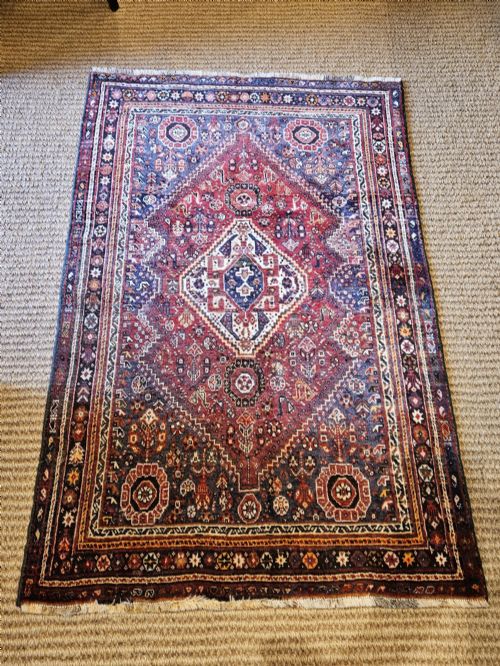
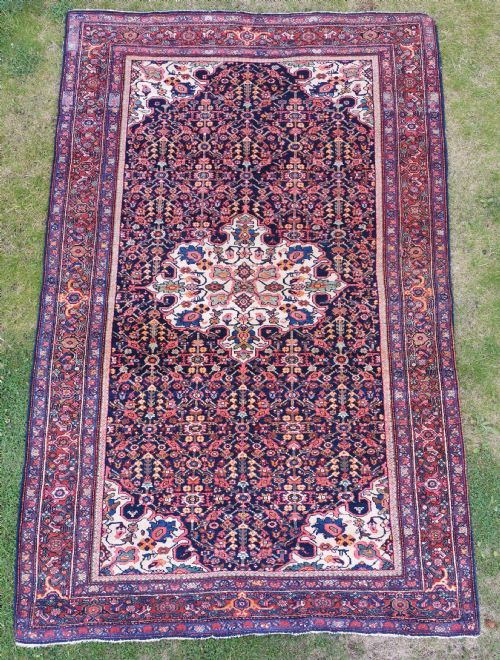
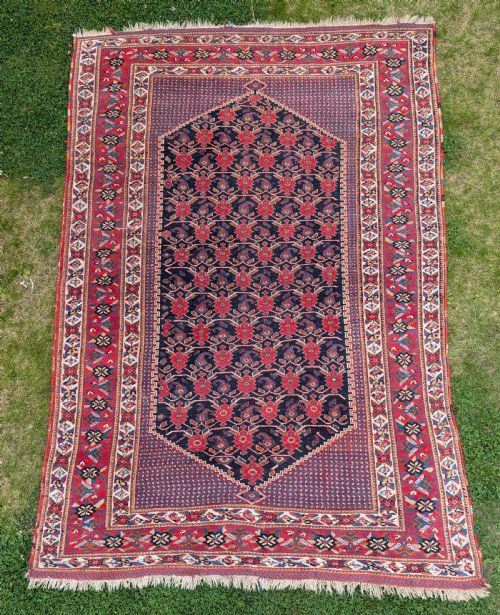
Antique Navy Rug
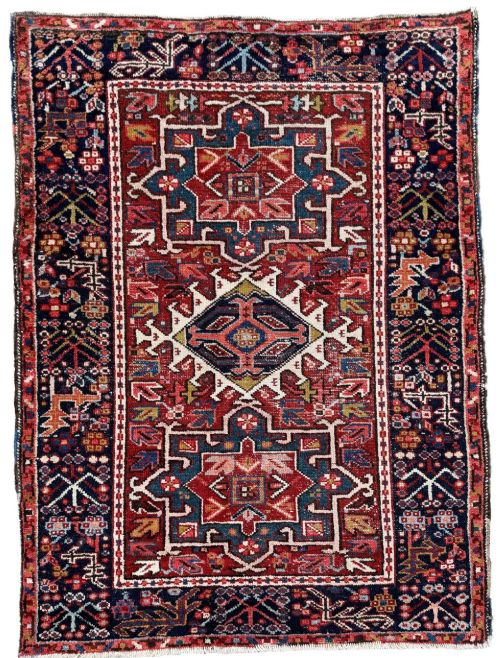
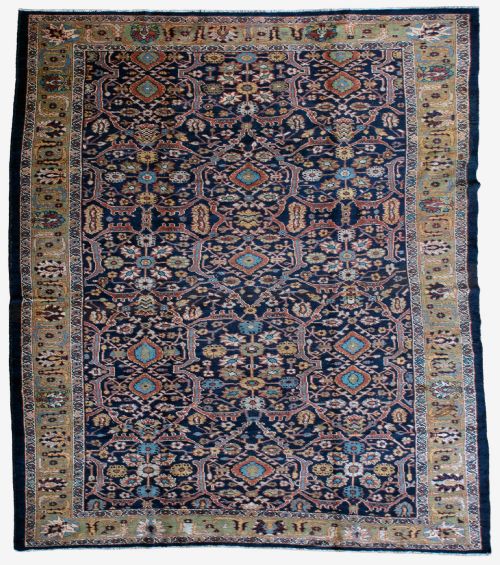
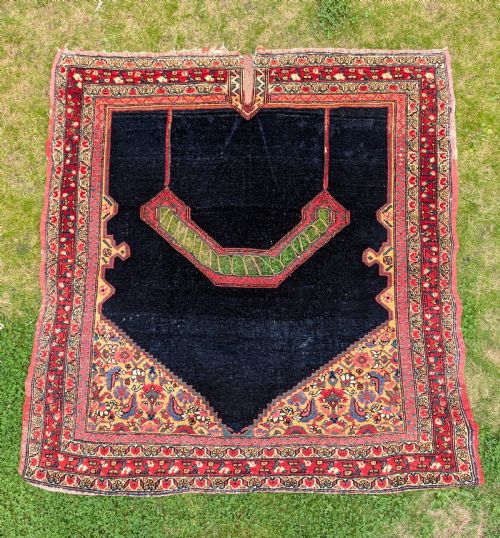
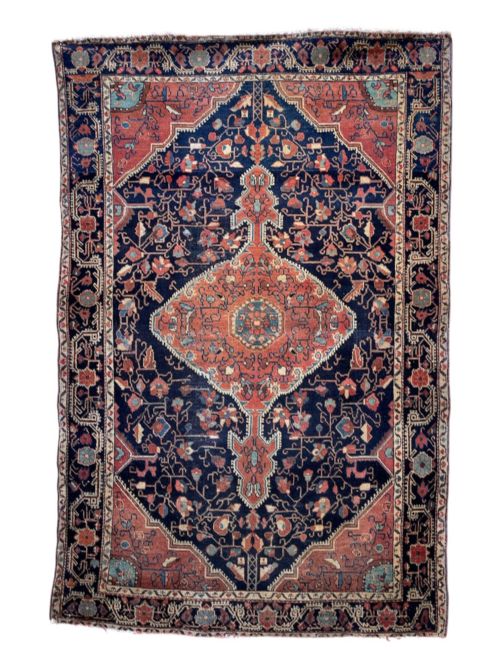
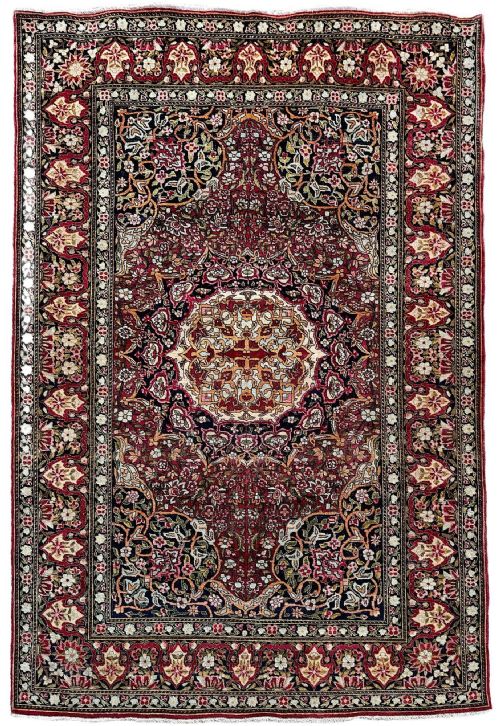
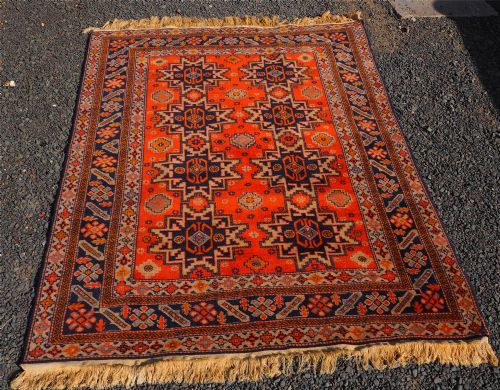
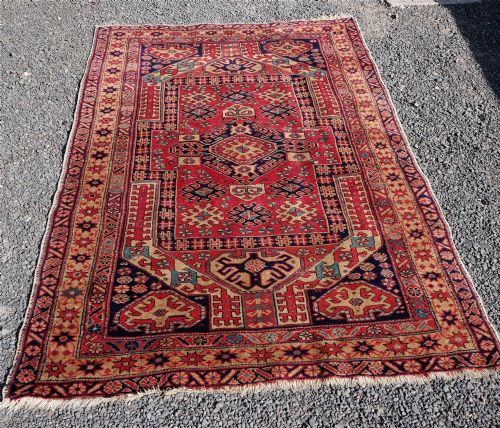
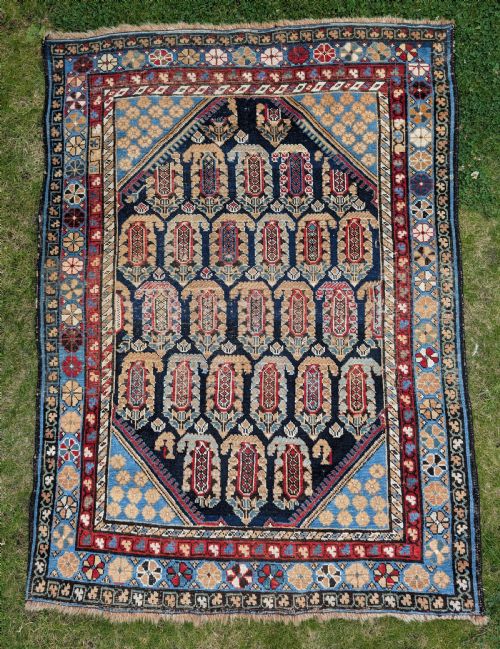
An antique navy rug brings centuries of woven artistry, rich dark blue dyes and tribal character into a room.
Antique Navy Rug
When you search for an antique navy rug, you are looking at hand-knotted floor coverings originating mainly from Persia and the Caucasus, spanning periods from the mid-nineteenth century to the early twentieth century. The forms range from large carpets and area rugs down to hallway runners, saddle covers and kilims.
You are most likely to meet traditional Persian village and tribal pieces on this page, including Heriz, Khamseh, Afshar, and Baluch weaves. These textiles serve both practical flooring purposes and as distinct expressions of regional nomadic and workshop designs.
How they were made
Makers constructed these rugs predominantly using wool on cotton foundations, occasionally utilising hand-spun wool for durability and varied pile texture.
Weavers knotted the fibres by hand, employing traditional geometric, medallion and tree-of-life designs dyed with rich indigo and complementary mineral colours.
The listings span periods from 1850 through the 1930s, showcasing wool, cotton, and hand-spun wool materials.
What varies in quality
Quality rests in the precision of the knotting, the crispness of the geometric or floral motifs, and the resilience of the wool pile underfoot.
The depth and consistency of the dark blue indigo dye alongside the integrity of the original borders and selvedges separate the finest survivals from heavily worn examples.
The Antique Navy Rug Glossary
- Medallion
- A central ornamental design motif found in the middle of many Persian and Caucasian carpets. It anchors the symmetry of the field pattern.
- Runner
- A long, narrow carpet format designed specifically for corridors, hallways and stairs. These pieces guide movement through domestic spaces.
- Kilim
- A flat-woven carpet or rug made without a pile. They offer a lighter weight and distinct geometric surface texture compared to knotted rugs.
- Selvedge
- The bound or reinforced edge running along the sides of a rug. It protects the foundational structure from fraying and unraveling.
- Mihrab
- An arched niche design motif often associated with prayer rugs. It symbolises a doorway or direction toward sacred spaces.
Antique Navy Rug: Frequently Asked Questions
Where were these rugs made?
These textiles originate primarily from Persian and Caucasian weaving centres, workshops, and tribal confederacies.
The makers produced them across various regions including Heriz, Saroukh, Fereghan, and Shirvan using locally sourced materials.
How do I care for an antique rug?
Protect the wool pile by vacuuming gently without a rotating brush bar and keeping the textile out of direct sunlight.
Professional cleaning tailored to antique hand-knotted wool preserves the natural lanolin and structural integrity of the weave.
Are these rugs suitable for hallways?
Long runner formats and narrow village carpets fit naturally into hallways, corridors, and transitional spaces.
Their durable wool construction handles everyday foot traffic while adding traditional colour and pattern to narrow areas.
How are different regional types distinguished?
Distinctions rely on specific knotting structures, border motifs, colour palettes, and characteristic medallion arrangements.
Tribal pieces often display asymmetrical geometric patterns, whereas workshop carpets tend toward balanced floral and medallion layouts.