



Antique Naval Print
An antique naval print captures centuries of maritime history, offering a tangible link to seafaring battles, royal fleets, and historic dockyards.
Antique Naval Print
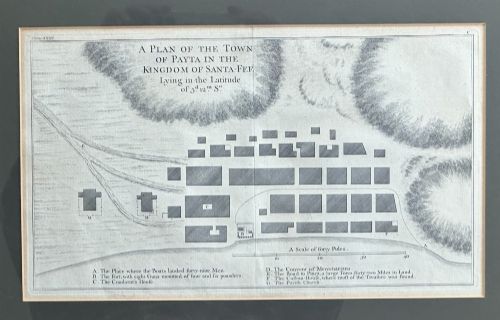
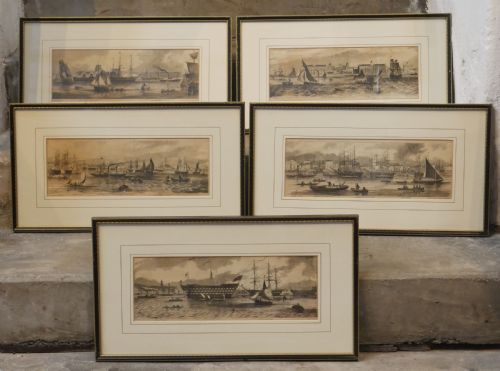
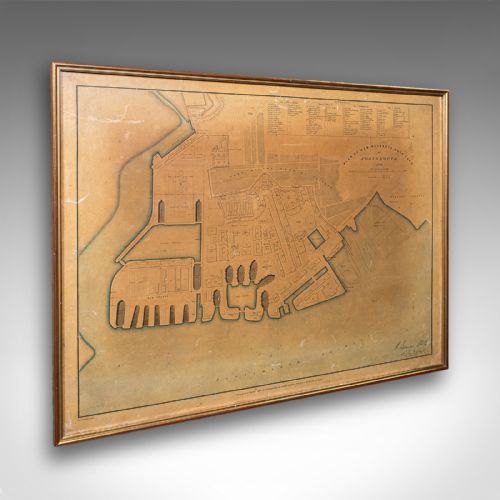
An antique naval print brings together centuries of maritime history, ranging from framed engravings of naval officers to detailed town plans of Portsmouth Dockyard. These works record significant moments on the water, including royal yacht gatherings and historic engagements, captured through various artistic mediums.
Buyers will encounter items spanning the eighteenth, nineteenth, and early twentieth centuries. The selection encompasses framed prints, engravings, lithographs, and watercolours, often preserved behind glass in period frames made of wood, giltwood, or maple.
Materials and techniques
The works rely upon paper, ink, and watercolour applied by hand or through early printing techniques. Engravings and lithographs provide the underlying detail, sometimes enhanced with watercolour applications or paired with reverse glass prints.
Framing materials such as oak, maple, and giltwood protect the paper and paintings. Original frames often utilise glass to shield delicate watercolours and photographs from environmental damage over the decades.
Antique Naval Print Retail Price Guide 2026
Typical asking prices for naval print among the pieces listed under this phrase on Sellingantiques today, from the lower quarter to the upper quarter. They describe what is for sale here now, not the wider market.
Sailors occasionally immortalised their service by drinking from large ceramic bowls adorned with patriotic verse and naval vessels.
Judging quality in naval works
Quality depends on the precision of the engraving or the finesse of the brushwork in watercolour paintings. Masterful draughtsmanship and clear contemporary documentation separate standard decorative sheets from works of historical importance.
The preservation of the paper and the integrity of the original framing materials dictate the overall standard. Examples retaining their period maple or oak frames maintain greater authenticity and historical context.
The Antique Naval Print Glossary
- Engraving
- A printmaking technique where an image is incised into a metal plate, usually copper or steel, holding ink within the grooves to transfer fine lines to paper. This method allowed for sharp, durable detail in historical maritime scenes.
- Lithography
- A planographic printing process based on the repulsion of oil and water, enabling artists to produce tonal variations and detailed illustrations on stone or metal plates. It became a popular method for multiplying ship portraits in the nineteenth century.
- Reverse glass print
- An image painted or printed directly onto the rear side of a glass panel, viewed through the front to give a glossy finish and protected surface. These are frequently found incorporated into specialised mirrors or optical displays.
- Cartography
- The science or practice of drawing maps, encompassing town plans and navigational charts from the period. These documents provide precise layouts of dockyards and coastal fortifications.
Antique Naval Print: Frequently Asked Questions
What periods do these pieces date from?
The pieces span from the eighteenth century through the Victorian era and into the early twentieth century. This timeline covers significant shifts in naval technology and maritime art.
Collectors can find items reflecting specific reigns and decades, such as Regency officer portraits and Edwardian maritime prints.
How should I care for antique paper prints?
Keep prints away from direct sunlight to prevent the ink and watercolour from fading over time. Maintaining stable indoor humidity levels also protects the paper and prevents warping.
Ensure the framing remains sealed against dust and moisture to preserve the condition of the paper.
Are original frames important?
Original oak, maple, or giltwood frames provide historical context and match the period of the artwork. They contribute to the overall authenticity of the piece.
Retaining the original framing materials helps maintain the integrity of the object for future collectors.
What subjects are common in naval prints?
Common subjects include historical ship engagements, fleet reviews, dockyard plans, and portraits of naval officers and sailors. These depictions record the daily operations and momentous occasions of the navy.
Works also feature specific vessels, such as royal yachts and historical warships.