
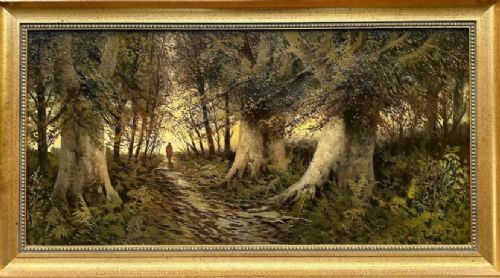
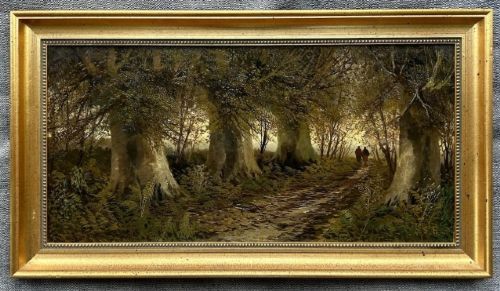
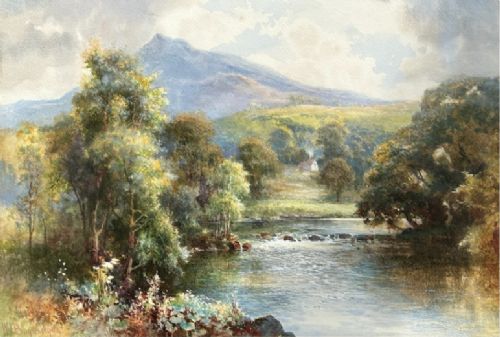
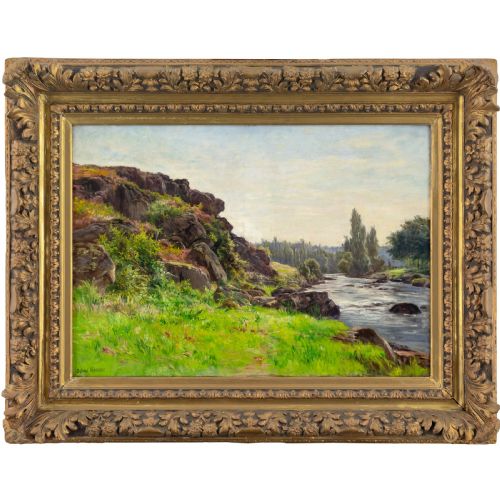
Antique Nature Painting
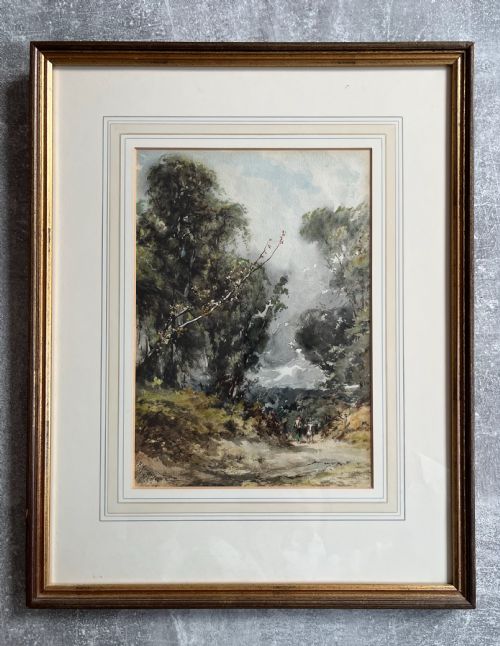
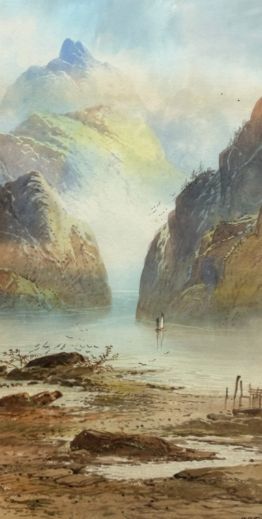
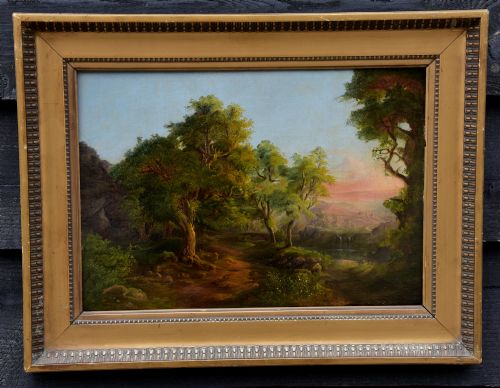
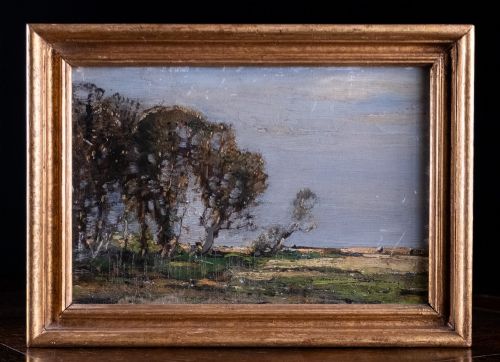
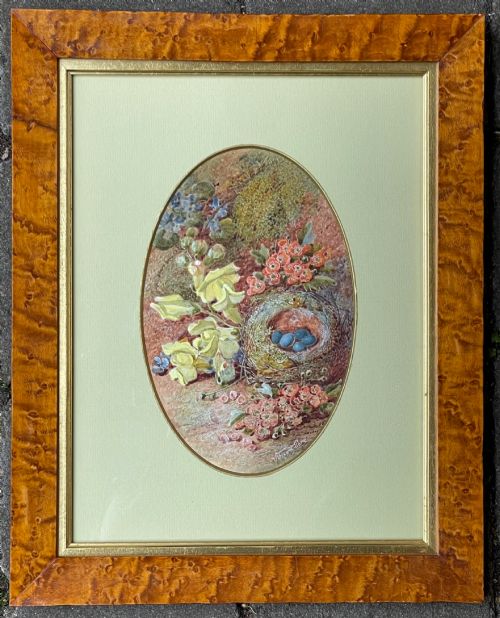
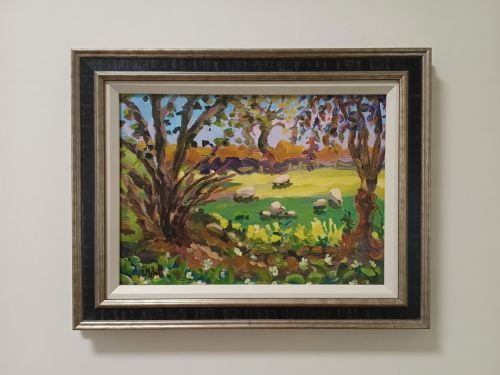
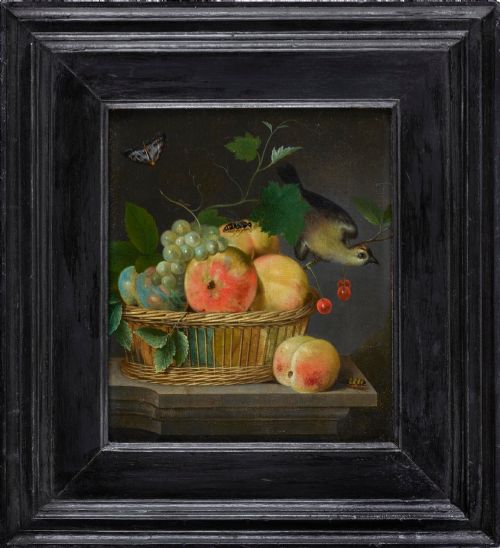
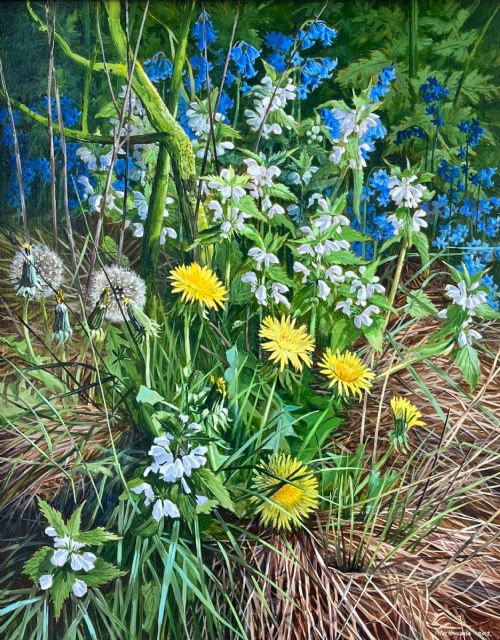
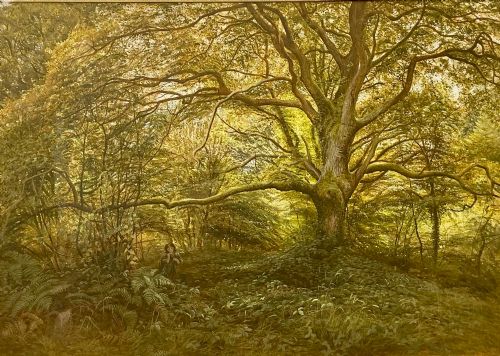
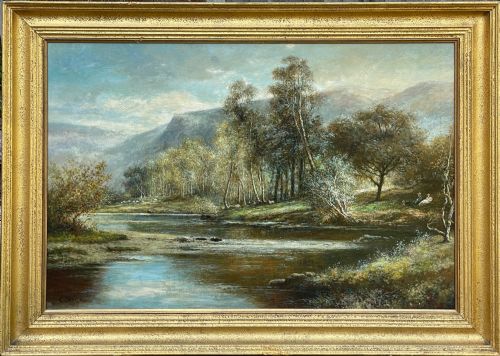
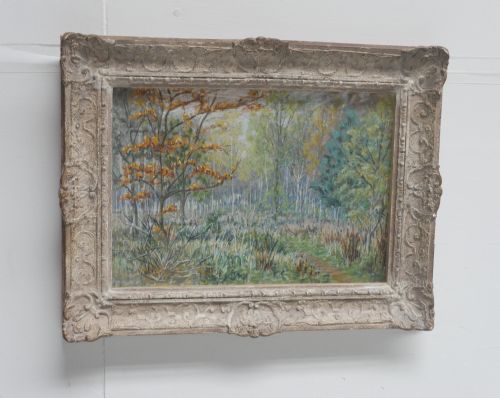
These antique nature painting works capture woodland scenes, rivers, and still life compositions in oil, watercolour, and canvas.
Antique Nature Painting
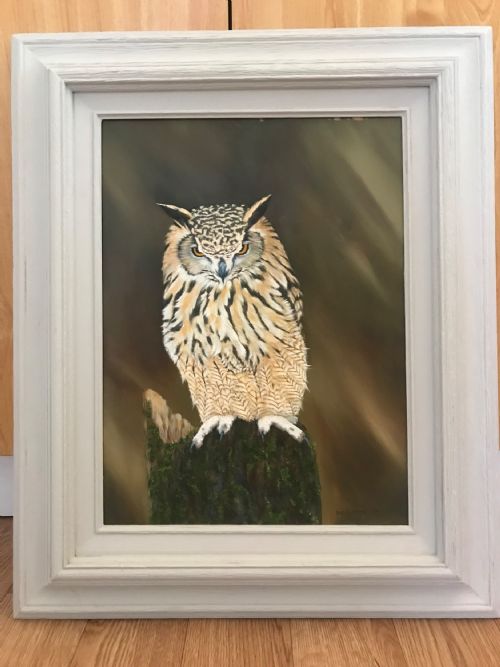
An antique nature painting depicts landscapes, rivers, woodlands, and botanical or animal subjects from the nineteenth and early twentieth centuries. Buyers seeking these works encounter framed watercolours, gouache studies, and oil paintings on canvas or board.
The pieces on this page stem from periods including the Victorian era, Edwardian years, and subsequent decades up to the mid-twentieth century. Common subjects range from Scottish highlands and Welsh valleys to quiet country lanes and detailed still life arrangements of fruit and flowers.
How They Were Made
Artists painted using oil paint, watercolour, gouache, and pastel applied to prepared canvases, wooden panels, paper boards, and glass-fronted frames. Gold leaf often appears on decorative frames enclosing the artworks.
Techniques span traditional academic brushwork, British Impressionist sketching, and Victorian Naturalism, where painters recorded flora and fauna with precise observation of light and texture.
Materials recorded on this site include canvas, paper, wood, glass, and gold leaf.
What Varies in Quality
Quality rests on the precision of brushwork, the handling of natural light, and the depth of composition in the landscape or still life. Stronger works display confident handling of atmosphere and foliage rather than rigid, formulaic rendering.
The integrity of the original support, whether canvas, board, or paper, and the preservation of the pigment without extensive overpainting distinguish finer examples from simpler decorative pictures.
George Fotherly Hargitt·William Henry Earp·Kershaw Schofield·Thomas W Lascelles·William Joseph Boyes·Gabriel Mathieu·Vincent Clare·Gaspar Peeter Verbruggen·Bonomi Edward Warren·William Hoggatt·William Mellor·Paul Lelong·George Arthur Fripp·John Wright Oakes·William Langley·Rowland Henry Hill·William Stephen Coleman·Alfred W Parsons·Walter Hunt·Archibald Thorburn·John Nost Sartorius·Alice Fanner
The Antique Nature Painting Glossary
- Watercolour
- A paint consisting of pigment suspended in a water-based solution, typically applied to paper.
- Gouache
- An opaque water-based medium that includes a white pigment binder to create solid, flat colour areas.
- Oil on Canvas
- Pigments bound in drying oil applied to stretched woven fabric, allowing rich colour blending and texture.
- Still Life
- An artwork depicting inanimate subject matter, typically commonplace objects, fruit, or flowers.
Antique Nature Painting: Frequently Asked Questions
What subjects appear in antique nature paintings?
These works feature wooded landscapes, river views, highland scenes, country lanes, and still life compositions of fruit, flowers, and birds' nests.
Artists frequently recorded specific rural locations across Britain and Europe, capturing trees, lakes, and seasonal changes.
Which materials were used for these paintings?
Painters utilised oil paint, watercolour, gouache, and pastel on supports such as canvas, wood panels, and heavy paper.
Many surviving pieces retain their period wooden frames, occasionally highlighted with gold leaf.
How do I identify the period of a painting?
Stylistic clues such as Victorian Naturalism or Impressionist brushwork help indicate the era in which the work was produced.
Signatures, dates, and framing styles also provide evidence regarding whether a piece originates from the nineteenth century or the Edwardian period.
How should I care for antique paintings?
Keep works out of direct sunlight to prevent watercolours and oils from fading over time.
Maintain stable room temperatures and avoid excessive humidity to protect paper supports, canvas, and wooden frames.