


Antique Narrow Table
An antique narrow table solves spatial challenges in hallways and beside beds, offering practical surfaces scaled for compact interiors.
Antique Narrow Table
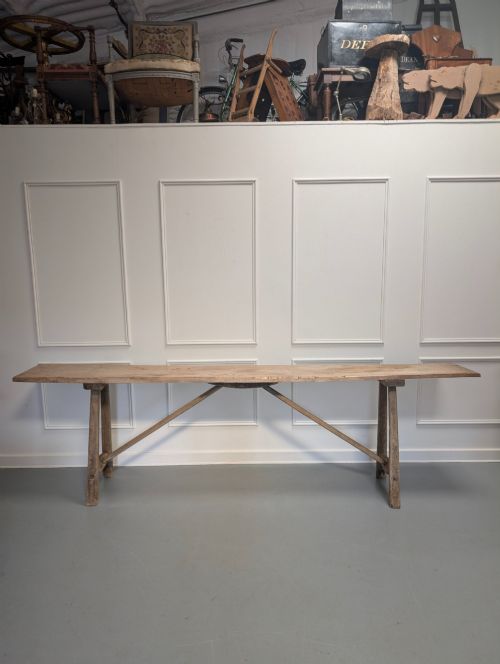
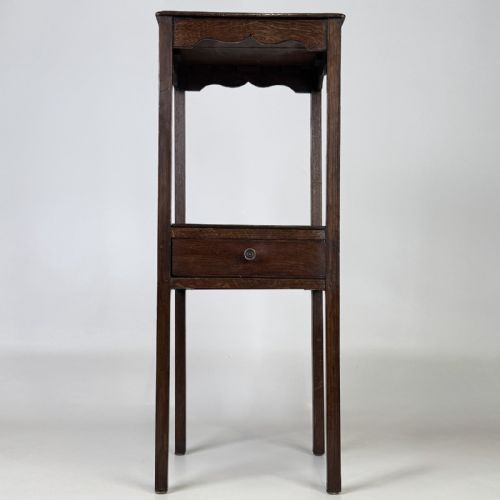
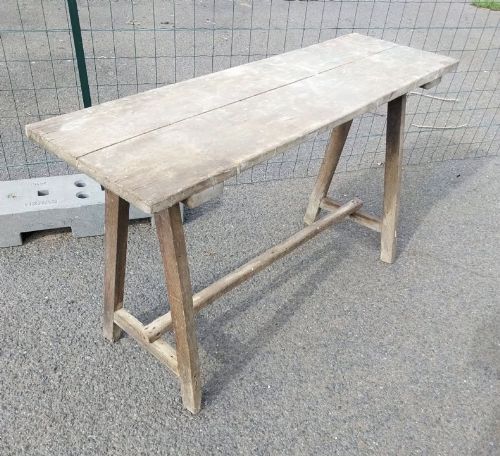
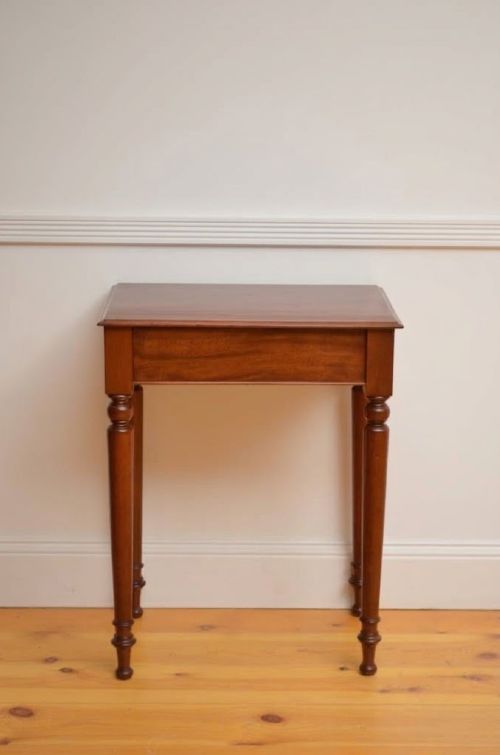
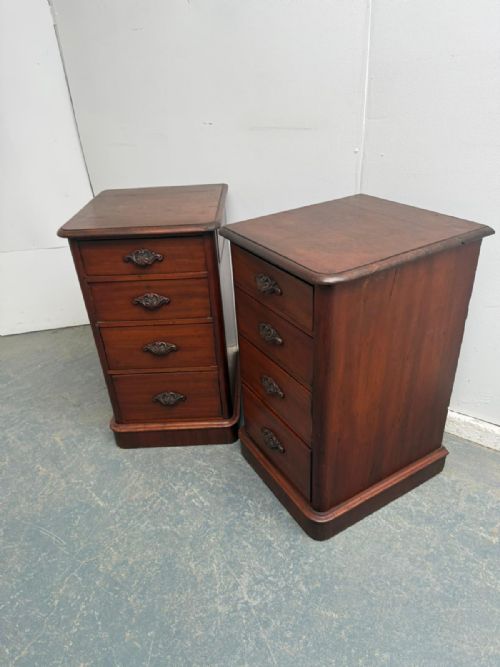
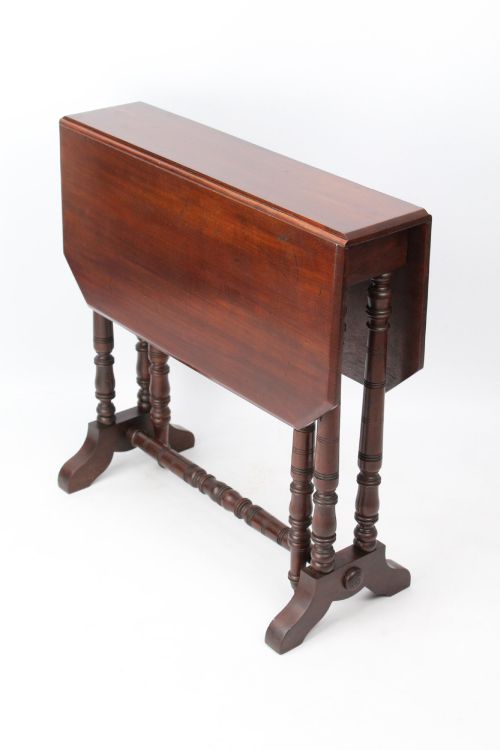
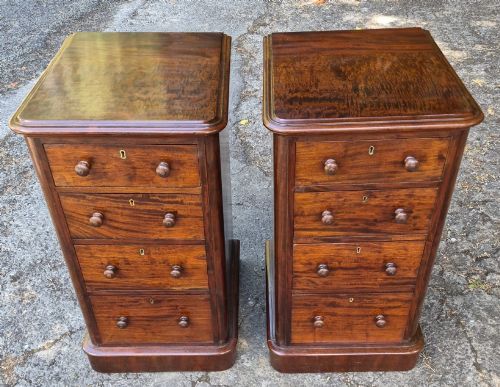
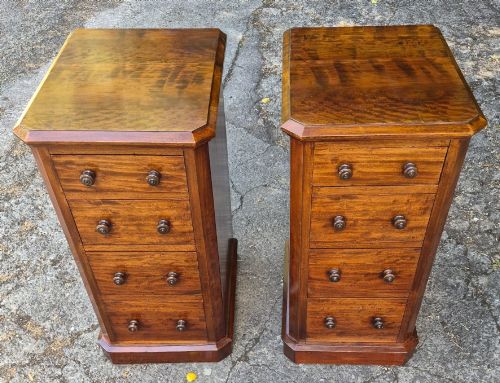
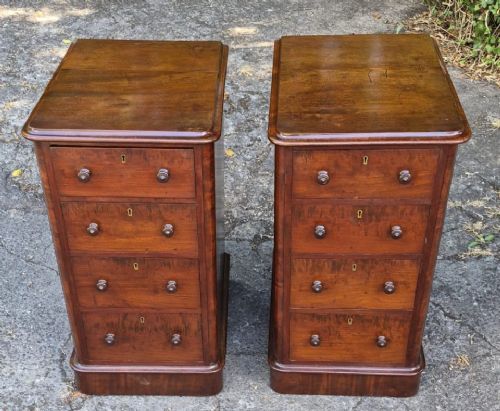
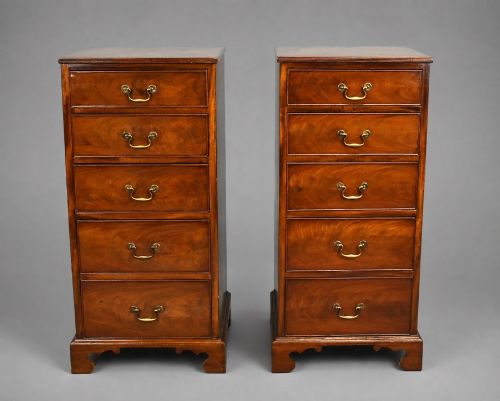
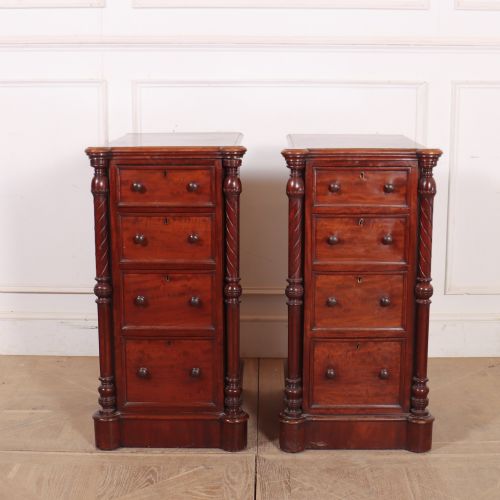
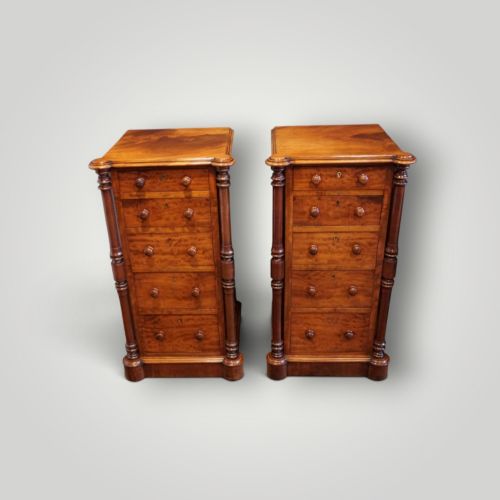
An antique narrow table covers a diverse group of compact furniture designed for halls, bedrooms, and reception rooms where floor space is limited. The selection centres heavily on bedside chests, console tables, and small side tables produced across the Victorian, Edwardian, and later periods.
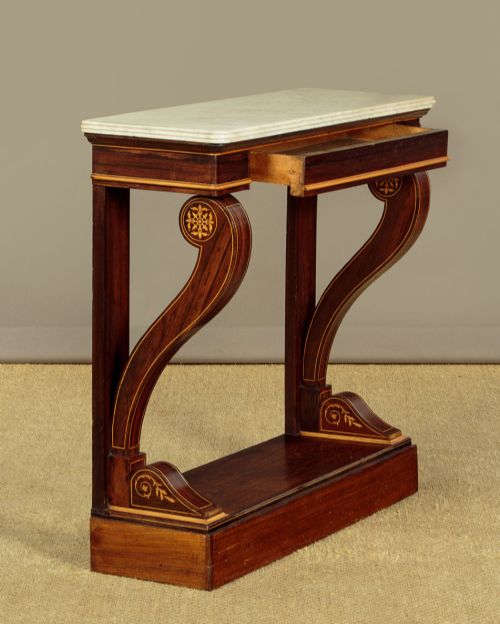
Console tables and hall tables appear frequently in mahogany, painted wood, and marble-topped variants, often featuring shallow depths suited to narrow passageways. Buyers regularly encounter bedside cabinets and chests alongside occasional tables in oak, walnut, and pine.
How they were made
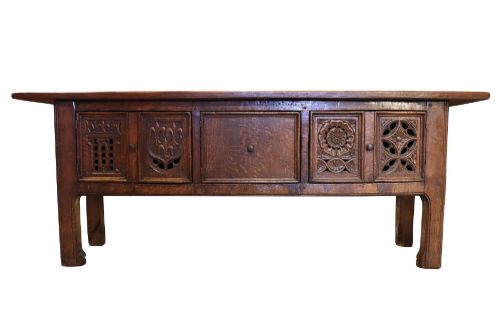
Cabinetmakers utilised dense hardwoods such as mahogany, rosewood, and oak alongside softer pine and beech, applying brass hardware for drawer pulls and handles. Tops frequently incorporate polished marble slabs or detailed carving in styles spanning Gothic Revival to Neoclassical.
Construction methods rely on traditional joinery suited to slender proportions, with side tables and chests incorporating single or multiple drawers alongside turned or tapering legs.
What varies in quality
Quality rests in the selection of figured timber veneers, the crispness of carved details, and the integrity of structural proportions. Pieces featuring matched pairs, premium marble tops, or documented maker attribution sit at the higher end of the range.
Alterations, such as adapted drawer configurations or replacement hardware, differentiate standard utility items from well-preserved examples retaining original surfaces.
Druce and Co·Warings Liverpool
The Antique Narrow Table Glossary
- Console table
- A table designed to stand against a wall, frequently secured with brackets or slender legs and topped with marble or wood.
- Bedside chest
- A small, enclosed storage piece with multiple drawers positioned next to a bed.
- Etagere
- An open piece of furniture featuring multiple tiers for display and storage.
- Serpentine front
- A convex-centre furniture front flanked by concave curves, creating a gentle undulating shape.
Antique Narrow Table: Frequently Asked Questions
Where do these narrow tables fit best?
These pieces suit narrow hallways, tight entryways, and compact bedrooms where standard furniture restricts movement. Their shallow depth provides a functional surface without blocking walkways.
They also serve effectively as lamp tables or bedside storage units in spaces with limited clearance.
How do I identify a Victorian piece?
Victorian examples often utilise solid mahogany or walnut, featuring turned legs and substantial drawer construction. Stylistic cues range from plain utility designs to heavier carved ornamentation.
Construction methods from this era typically employ hand-cut dovetails and traditional timber framing.
Are marble tops original?
Many console and wash tables incorporated fitted marble slabs to protect the timber from moisture and staining. These heavy stone surfaces were integrated during initial manufacture, particularly on hall and bedside tables.
Examining the underside reveals how the wooden frame was reinforced to support the weight of the stone.
What is a dresser base?
A dresser base is a low wooden sideboard or storage unit originally used in kitchens or dining rooms for serving and storage. Scaled-down variants provide compact proportions suitable for modern living spaces.
They generally feature a combination of drawers and cupboards arranged in a horizontal format.