




Antique Musician Painting
An antique musician painting captures players of strings and winds across centuries of canvas, porcelain and paper.
Antique Musician Painting
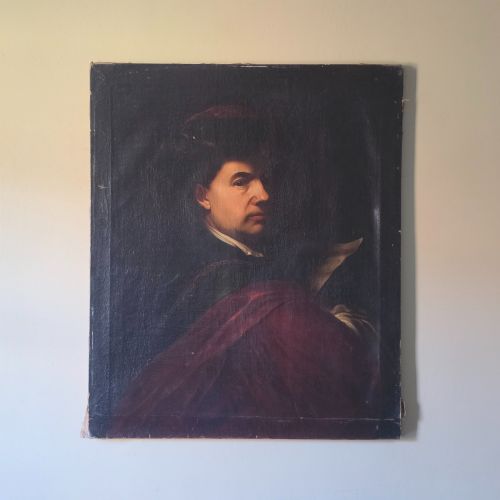
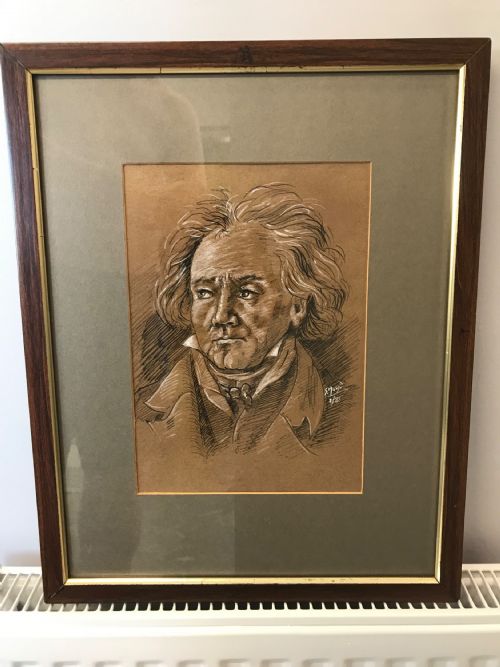
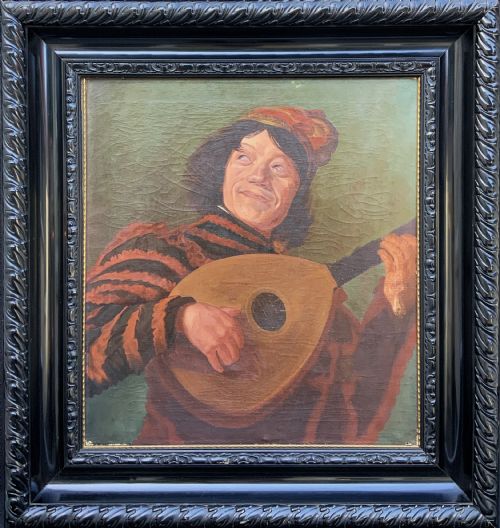
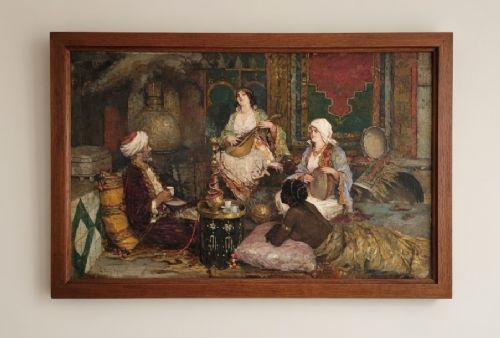
An antique musician painting brings together centuries of portraiture and genre scenes depicting performers with instruments like lutes, violins and flutes. The pieces appearing here range from 17th-century style Dutch works and 18th-century compositions to 19th-century realists and Art Deco depictions. Beyond flat canvas, the selection spans painted enamel boxes, miniatures, watercolours and oil on board.
Buyers encounter portraits of named composers alongside anonymous street players, village fiddlers and stately ensemble members. The visual traditions stretch from Dutch Golden Age mannerisms and Rococo parkland scenes to Victorian watercolours and modernist interpretations. Each medium reveals how different eras chose to record the visual and social presence of music.
Materials and methods
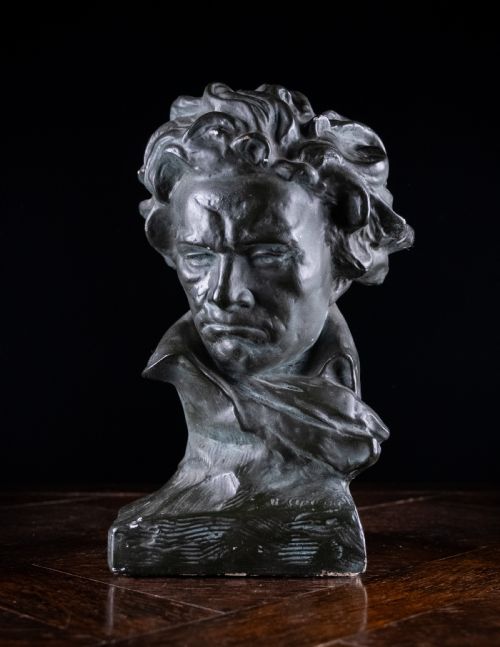
Painters relied principally on oil on canvas, wood panels or copper plates, building rich glazes and expressive brushwork to define figures and instruments. Works on paper utilise pen, ink wash, gouache and watercolour, sometimes enhanced with gold leaf for decorative effect. Figures and three-dimensional representations employ porcelain, bisque, painted plaster, spelter and wood.
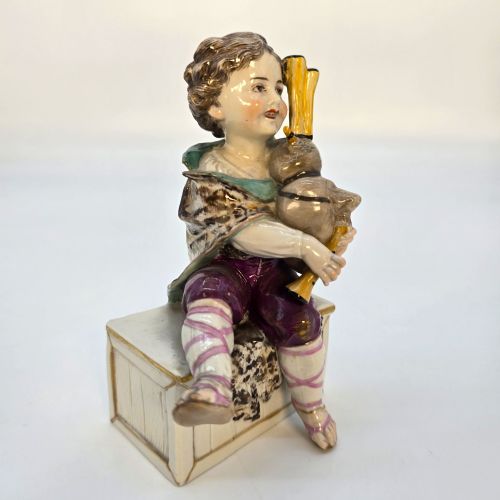
Ceramic pieces often incorporate intricate moulded elements such as floral bocage backgrounds, enamel painting and patch-mark bases. Enamel work on small objects like snuff boxes uses finely detailed brushwork fired onto metal bases. Bellows and other functional items display hand-painted Chinoiserie motifs applied over prepared wooden surfaces.
Several pieces feature historical musicians caught mid-performance, proving that even centuries ago, flautists and fiddlers struggled to stay still for their portraits.
Markers of execution
In three-dimensional figures, the crispness of the porcelain moulding, the subtlety of the hand-painted enamel details and the preservation of delicate elements like bocage define the level of craftsmanship. Works bearing documented attributions or originating from established factories display superior control in composition and finish.
Volkstedt Rudolstadt Factory·Derby Porcelain·Samson Paris·Josef Lorenzl·Gabriel Puig Roda·Hermann Armin Kern·Alfred John Bouchette·Joaquín Luque y Roselló·Balthasar Denner·Edward Alcock·Robert Alexander Hillingford·Neville Stephen Lytton
The Antique Musician Painting Glossary
- Bocage
- A decorative background of clustered foliage and flowers applied behind ceramic figures, frequently found in 18th-century porcelain. This technique adds depth and a pastoral context to the composition.
- Genre scene
- A painting depicting aspects of everyday life by portraying ordinary people engaged in common activities such as playing music. These works provide social history alongside artistic merit.
- Gouache
- An opaque water-based paint that dries to a matte finish, often combined with ink wash on paper. It permits solid blocks of colour and fine linear detailing.
- Bisque porcelain
- Unglazed ceramic fired once to produce a matte, porous surface resembling white marble. It captures fine sculptural detail without the glossy reflection of traditional porcelain.
- Manner of
- A term used to describe a work executed in the style of a specific artist but not necessarily by their hand or from their exact period. It indicates stylistic kinship rather than direct attribution.
Antique Musician Painting: Frequently Asked Questions
How do I identify the period of a musician painting?
Examine the canvas preparation, stretcher frames, pigments and framing styles alongside the clothing and hairstyles of the musicians depicted. Historical records and artist signatures also help narrow down the date of creation.
Compare the handling of light and shadow against known movements such as Dutch Golden Age traditions or 19th-century realism. Material analysis of the support board or canvas weave provides further chronological context.
What is the difference between an oil painting and a miniature?
Oil paintings on canvas or panel typically measure larger and allow for bold brushwork and deep colour layering. Miniatures are executed on small scales using materials like ivory, paper or metal panels with precise detail.
Miniatures often served as personal tokens or cabinet pieces, whereas larger canvases were intended for prominent wall display in stately homes. Both forms capture musicians, but the technical demands of scale distinctively alter the artist's approach.
How should I care for an antique oil painting?
Keep the canvas away from direct sunlight, high humidity and dramatic temperature fluctuations that cause cracking in the paint layer. Dust the surface gently with a soft, dry brush without applying pressure.
Avoid using water, chemical cleaners or oils on the paint surface, as these substances damage historical varnishes. Professional conservators should handle structural repairs or cleaning of aged varnish.
Where were porcelain musician figures made?
Factories across Europe produced porcelain figures, with notable examples originating from English works in Derby and French enterprises like Samson in Paris. German factories such as Volkstedt Rudolstadt also created extensive lines of figurative porcelain.
These pieces often reflected popular theatrical themes, aristocratic pastoral fantasies or allegories of the senses. Factory marks stamped or painted on the base assist in tracing their exact origin.