




Antique Museum Cabinet
An antique museum cabinet organises and protects delicate specimens or valued objects behind large sheets of clear glass.
Antique Museum Cabinet
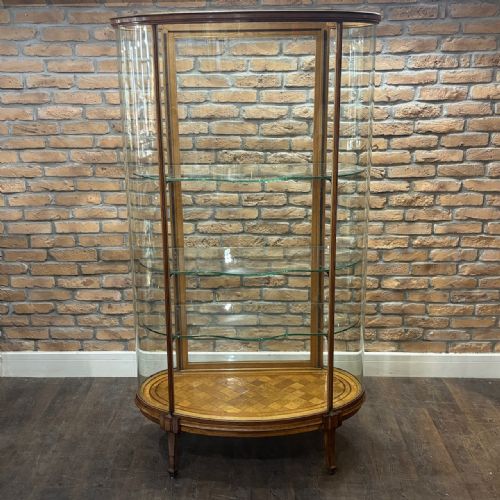
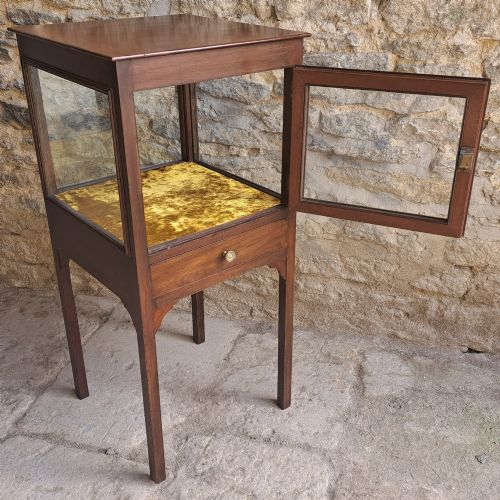
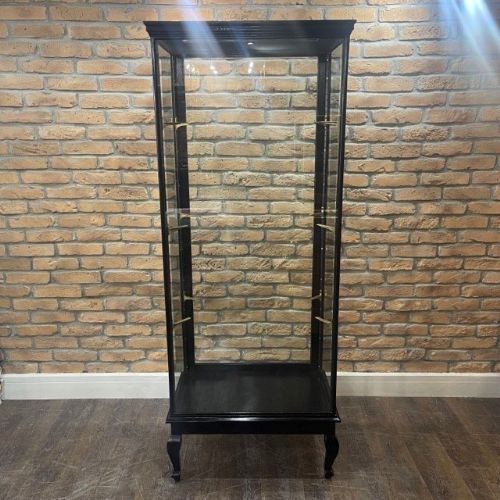
When you search for an antique museum cabinet, you are looking at substantial glazed enclosures built to display objects clearly from all sides. These pieces range from upright tower cabinets and long shop display counters to multi-drawer collectors chests and table-top display cases.
The selections span centuries of craftsmanship, covering examples from the eighteenth century through the Victorian and Edwardian eras into the nineteen-twenties. You will regularly encounter mahogany and oak constructions designed for commercial showrooms, institutional displays, or private studies.
Makers produced these forms to hold botanical models, geological specimens, and curated artefacts safely. The surviving pieces provide heavy timber framing and large glass panels tailored for maximum visibility.
Materials and construction
Cabinet makers built these structures primarily using dense hardwoods such as mahogany, oak, and walnut, frequently pairing them with structural bronze, brass, and iron framing. Large expanses of float or plate glass form the walls and doors, held securely within rebated wooden or metal tracks.
Internal surfaces often feature velvet, fabric, or leather linings designed to cushion delicate items placed inside. Details like gold leaf accents, ebonised wood finishes, and hand-carved mouldings reveal the high level of technical skill applied by period workshops.
One unexpected survival is a plaster botanical model of a sunflower.
Distinctions in standard
The distinction between standard commercial units and superior exhibition pieces lies in the precision of the joinery and the selection of timber. Finer examples utilise solid, well-figured mahogany or quarter-sawn oak with tight, seamless joints that withstand heavy use.
Superior cabinets integrate robust original brass or bronze hardware and heavy plate glass without distortion. The presence of documented institutional provenance or work by known commercial outfitters elevates the standing of an individual piece.
F. Sage & Co·Pollards·Siegel·Quincy Showcase Works·E. Pollard & Co. Ltd·Holland and Sons·Edmonds
The Antique Museum Cabinet Glossary
- Vitrine
- A glass display cabinet used chiefly for showcasing fine objects or porcelain. These freestanding or tabletop cases protect contents from dust while offering complete visibility.
- Collectors cabinet
- A specialised piece containing numerous shallow drawers designed to organise small specimens like coins, shells, or insects. They often feature locking stiles to secure the internal trays.
- Showcase
- A commercial display unit featuring extensive glazing, frequently built as a long counter or a high floor-standing case for retail environments.
- Ebonised
- Wood treated with a chemical stain or pigment to imitate the deep, dark appearance of ebony. This technique was popular for adding formal contrast during the late nineteenth and early twentieth centuries.
Antique Museum Cabinet: Frequently Asked Questions
How were museum cabinets used?
Institutions and private collectors used these glazed cases to exhibit delicate specimens, artefacts, and valuable wares securely. The enclosed shelving protected sensitive items from dust and handling while allowing visitors clear viewing angles.
Commercial shops also utilised larger display counters and tower cases to present merchandise to customers. The internal linings and multi-drawer layouts kept organised collections safe and accessible for study.
How do I clean the glass?
Clean the antique glass panels using a mild, non-ammonia glass cleaner applied to a soft microfiber cloth rather than sprayed directly onto the surface. This prevents liquid from seeping into vulnerable timber frames or vintage brass joinery.
Take care around old putty, lead cames, or delicate ebonised finishes when wiping the edges. Gentle maintenance preserves both the historic glass and the surrounding woodwork.
Can I adjust the internal shelving?
Most period display cabinets feature fixed wooden supports or permanent brackets rather than modern adjustable tracks. Altering the interior layout is rarely recommended because it can disrupt the structural integrity of the original framing.
When organising your objects, select items that fit the existing shelf heights and depths provided by the original maker. This respects the historic construction of the piece.
How do I identify the period?
Examine the timber species, construction methods, and hardware styles to determine the era of the piece. Georgian and early nineteenth-century examples often feature hand-cut dovetails and dense, faded mahogany, while Edwardian and nineteen-twenties commercial cases show machine-planed lumber and heavy bronze framing.
Maker plaques, patent stamps, and specific architectural motifs like art deco geometric legs also help narrow down the date of manufacture. Comparing these elements against known dated examples confirms the period.