

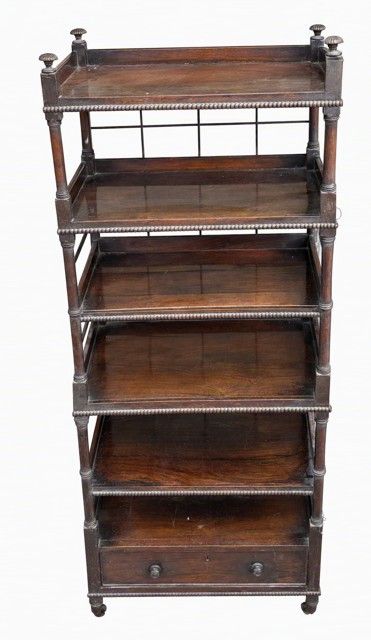

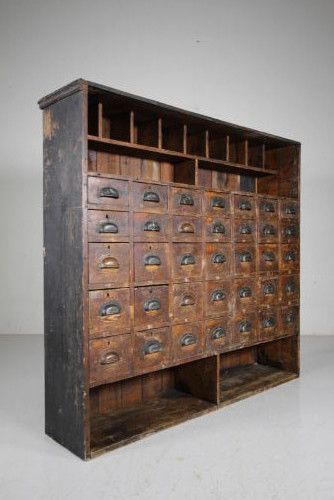
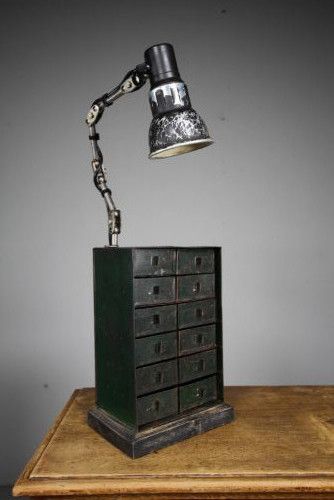

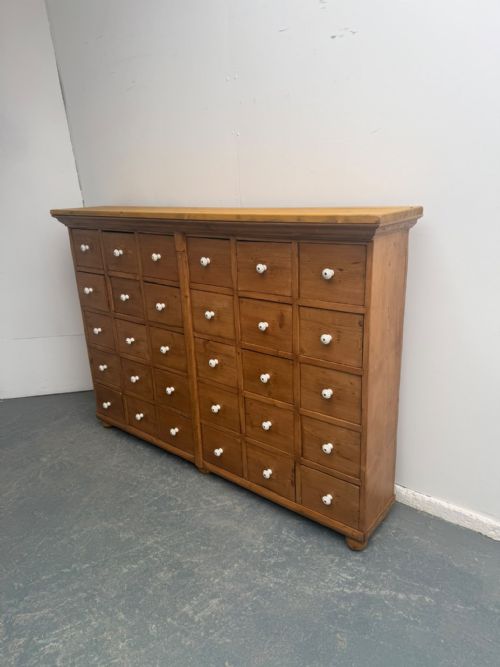
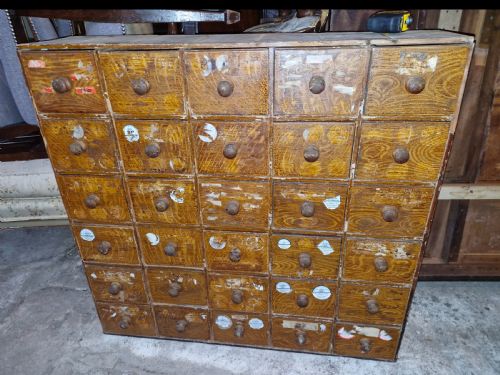
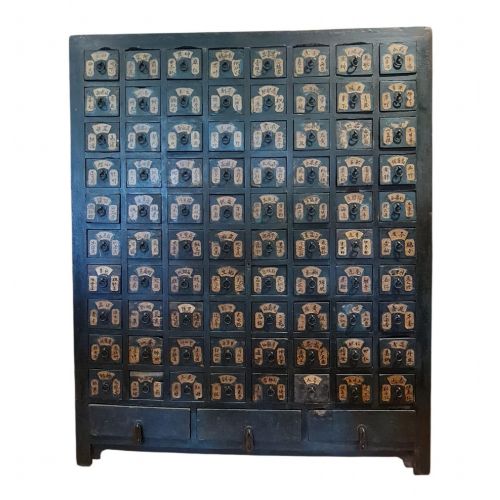
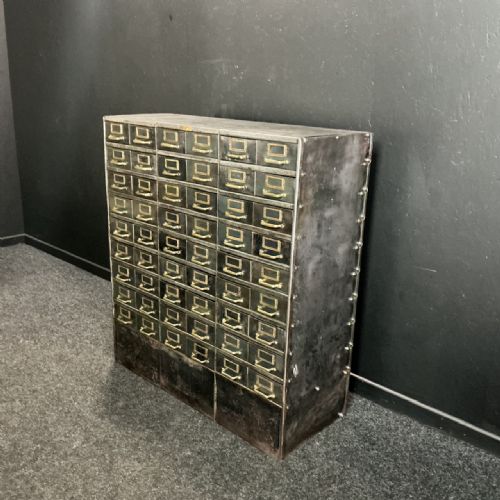

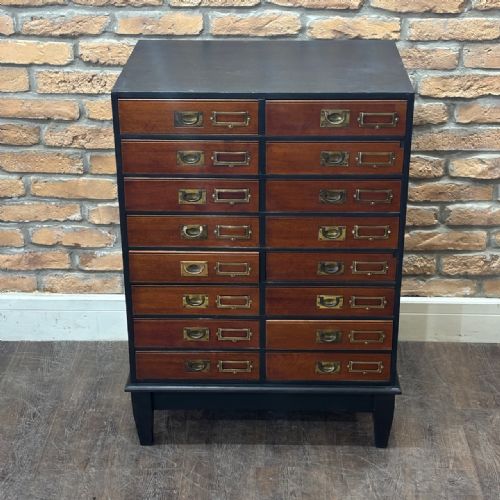


Antique Multi Drawer Unit
These heavy utilitarian pieces serve to organise everything from apothecary herbs to jewellers' tools.
Antique Multi Drawer Unit
An antique multi drawer unit brings orderly compartmentalisation into a domestic or commercial interior. Buyers seeking this phrase typically find banks of drawers, filing cabinets, shop fittings, and apothecary chests originating from the nineteenth century through the early twentieth century.
The material palette spans sturdy pine, oak, mahogany, and rosewood alongside utilitarian metal, steel, and iron. Many examples hail from specific commercial contexts, including ironmongers, jewellers, and provincial shops, while others reflect Victorian domestic or Arts and Crafts ideals.
How they were made
Construction relies heavily on dense timbers such as pine, oak, and elm, assembled with numerous small drawers designed for intensive daily use. Metal fixtures, brass pulls, and iron framing reinforce the structural integrity of pieces intended for commercial workshops and offices.
Surfaces range from plain polished wood to original painted finishes and specialised patent mechanisms. Cabinetmakers utilised dovetail joints and sturdy framing to support dozens of individual compartments without sagging.
Antique Multi Drawer Unit Retail Price Guide 2026
Typical asking prices for multi drawer unit among the pieces listed under this phrase on Sellingantiques today, from the lower quarter to the upper quarter. They describe what is for sale here now, not the wider market.
Listings feature multi drawer units constructed from pine, oak, rosewood, and iron across the nineteenth and early twentieth centuries.
What varies in quality
Quality rests upon the scale of the compartmentalisation, the integrity of the original hardware, and the preservation of authentic painted or polished surfaces. Units retaining numerous matching drawers and branded patent mechanisms stand apart from heavily altered examples.
The selection of timber and the complexity of the internal configuration dictate the distinction between standard workshop storage and finer merchant or collector pieces.
Luxmore's of Ilfracombe·Amberg·Shannon
The Antique Multi Drawer Unit Glossary
- Bank of drawers
- A large cabinetry piece containing numerous small compartments stacked in tiers. These units were standard fixtures in trade premises and offices.
- Apothecary chest
- A specialised cabinet featuring dozens of small drawers designed to hold medicinal herbs and powders. They often originate from regional pharmacies.
- Shop fitting
- Permanent or semi-permanent cabinetry built for commercial retail spaces. Surviving examples frequently feature extensive banks of drawers with original painted finishes.
- Filing cabinet
- An office storage unit designed to hold documents systematically. Early versions often incorporate patent locking mechanisms and specialised internal dividers.
Antique Multi Drawer Unit: Frequently Asked Questions
What were multi drawer units used for originally?
These units served merchants, apothecaries, and offices for sorting small inventory, documents, and medicinal goods efficiently.
Commercial premises relied on them to keep extensive stocks organised and accessible behind the counter.
How do I date an older multi drawer cabinet?
Dating relies upon examining the timber species, construction methods like dovetailing, and the style of the hardware handles.
Patent plaques and maker marks provide precise chronological markers when present on the exterior.
Are painted finishes on these cabinets authentic?
Many shop fittings and utilitarian chests retain original layers of paint applied during their commercial service.
Patina and wear patterns help distinguish period surface treatments from later decorative painting.
How do I fit a large multi drawer unit into a modern home?
These substantial pieces anchor a hallway, kitchen, or study by providing deep vertical storage while adding industrial character.
Their narrow footprints allow them to sit against walls without dominating smaller living spaces.