


Antique Mourning Jewelry
These pieces of antique mourning jewellery carry hair, portraits, and enamel set in gold and silver, holding remembrance close to the skin.
Antique Mourning Jewelry
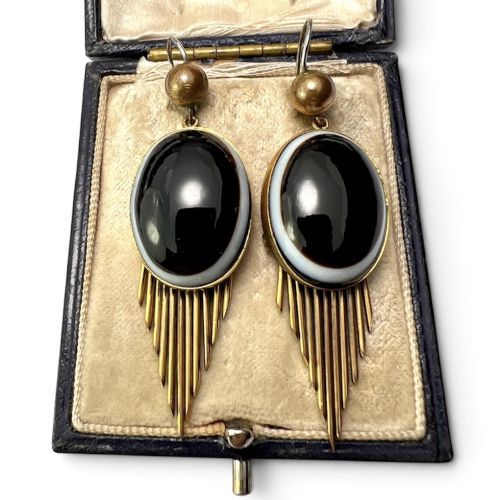
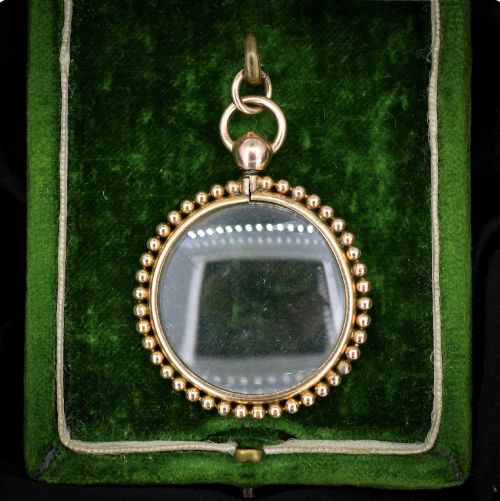
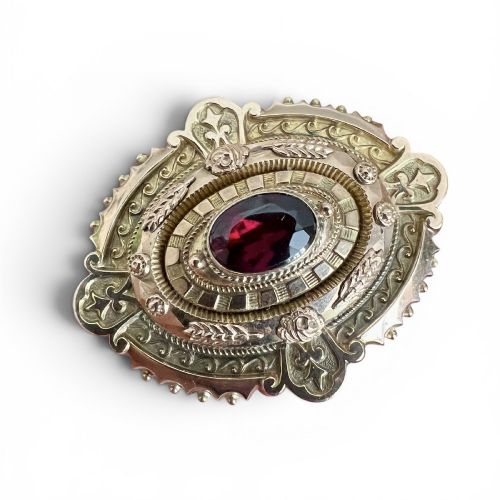
When someone searches for antique mourning jewellery, they encounter wearable memorials spanning the Georgian, Victorian, and Edwardian periods. Brooches, rings, lockets, and pendants form the majority of the surviving items, alongside earrings and watch fobs. Georgian and Victorian examples dominate the selection, showing intimate miniature portraits, silhouettes, and braided hair compartments.
The objects serve as tangible links to past lives, functioning as tokens of grief or sentimental love. Pieces range from austere black enamel designs to elaborate garnet, pearl, and diamond creations. The forms adapt to the shifting fashions of the nineteenth century while retaining their commemorative purpose.
How they were made
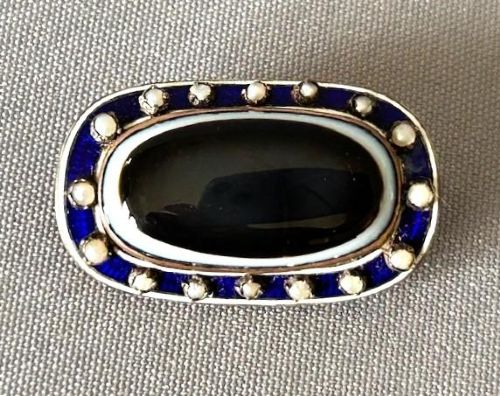
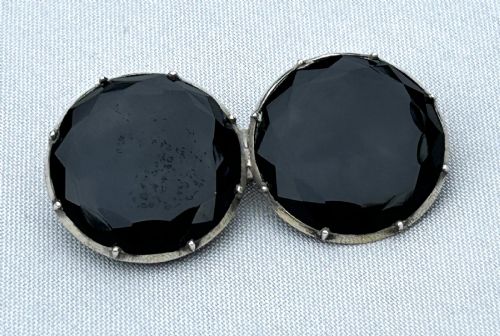
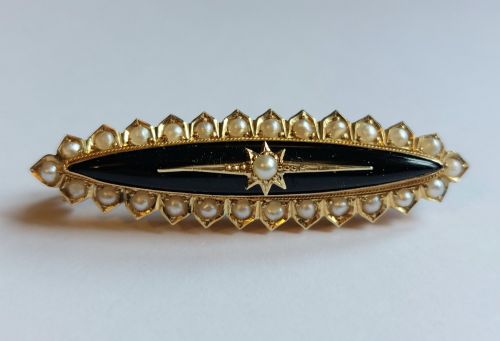
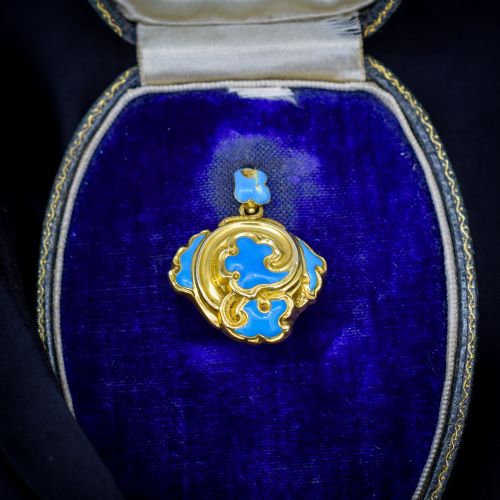
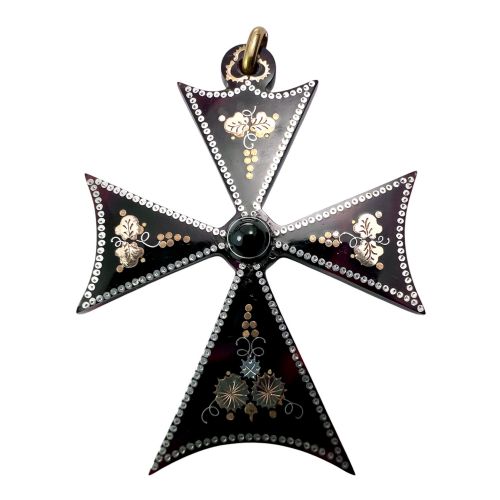
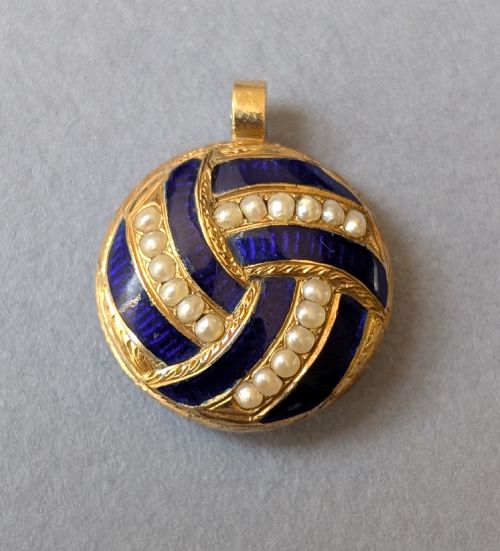
The workshops utilised 9ct, 15ct, and 18ct gold alongside silver settings to mount gemstones and glass. Enamel work, particularly black and blue variants, provides contrasting borders and fields for inscriptions. Gold and silver inlay decorate tortoiseshell surfaces, while seed pearls and diamonds accent focal points.
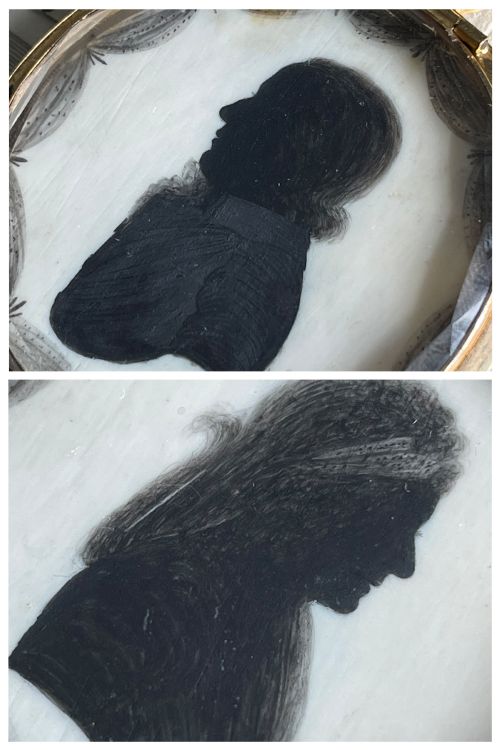
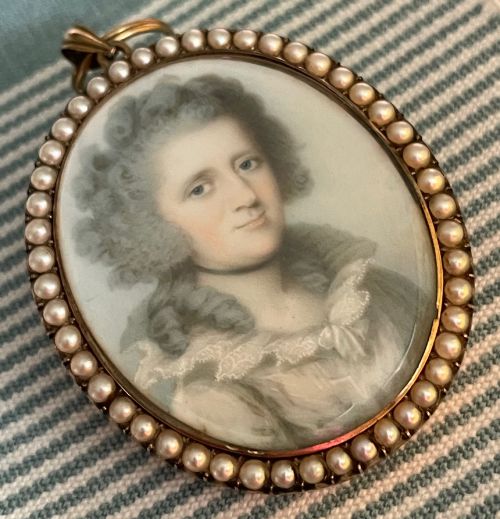
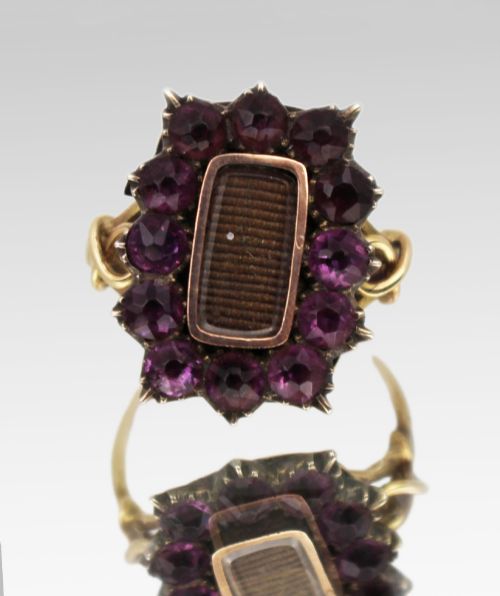
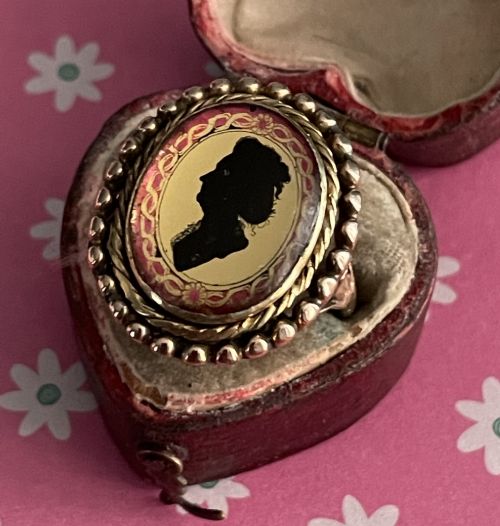
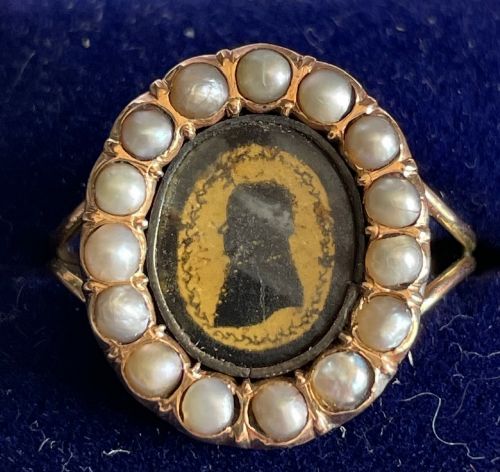
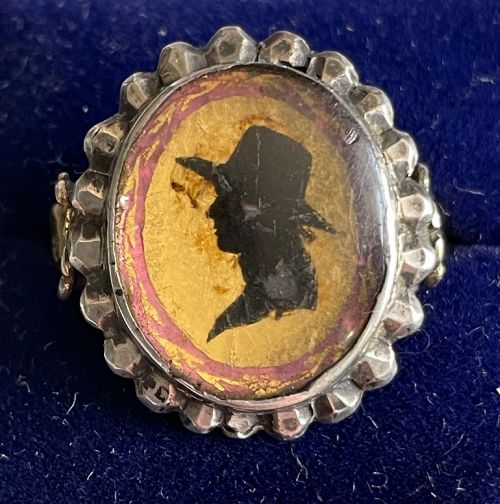
Miniature painting, sepia work, and verre églomise techniques capture portraits and silhouettes behind glazed compartments. Artisans wove human hair into intricate geometric patterns for placement inside lockets, rings, and brooches. Hand-cut garnets, paste stones, and hardstone cameos complete the construction of these detailed ornaments.
Antique Mourning Jewelry Retail Price Guide 2026
Typical asking prices for mourning jewelry among the pieces listed under this phrase on Sellingantiques today, from the lower quarter to the upper quarter. They describe what is for sale here now, not the wider market.
The listings feature mourning pieces constructed from gold, silver, tortoiseshell, enamel, and glass, spanning the 18th, 19th, and early 20th centuries.
What varies in quality
The refinement of the miniature painting or silhouette work separates ordinary items from superior examples. Fineness in the execution of hair-work and the precision of the gold and silver inlay dictate the level of craftsmanship. Intact enamel without extensive chipping indicates careful preservation and superior initial manufacture.
Material selection alters the character of each piece, distinguishing high-karat gold and natural pearl settings from simpler silver or pinchbeck equivalents. The integration of components, such as secure glazed locket backs and well-fitted hinge mechanisms, demonstrates the skill applied by the original maker.
Jacob Amyand
The Antique Mourning Jewelry Glossary
- Verre églomise
- A technique involving cold painting on glass with a metallic leaf backing. This method appears in silhouette rings from the Georgian era.
- Piqué
- The art of embedding tiny gold and silver pins or strips into a tortoiseshell or ivory base. Victorian makers utilised this method for geometric and floral motifs.
- Vinaigrette
- A small ornamental box featuring a perforated inner grille, designed to hold a sponge soaked in aromatic vinegar. These containers occasionally double as pendant fobs.
- Seed pearl
- Very small natural pearls, often half-drilled and glued or pegged onto gold settings. They form delicate borders around central compartments in rings and brooches.
Antique Mourning Jewelry: Frequently Asked Questions
How was hair used inside the pieces?
Human hair was carefully cleaned, braided, and arranged into geometric or floral designs behind glass compartments in rings, brooches, and lockets. This practice allowed the wearer to keep a literal part of the departed close at hand.
Specialist artisans executed these intricate weaves, sometimes mixing hair from multiple family members into a single commemorative design.
How do I date an item?
Stylistic clues such as Georgian flat-cut garnets, high-relief Victorian Etruscan revival motifs, or Edwardian platinum-topped settings help narrow down the period. The choice of materials, lettering styles on inscriptions, and closing mechanisms also point to specific decades.
Hallmarks stamped inside rings or behind locket bezels provide official assay office marks and date letters where present.
How do I care for these items?
These delicate pieces require gentle handling, avoiding immersion in water or chemical cleaning solutions that can damage hairwork, enamel, and glued pearls. Soft dry cloths suffice for routine maintenance of the gold and silver mounts.
Storage in padded boxes protects fragile glass covers, tortoiseshell inlay, and delicate pin stems from pressure and impact.