





Antique Mountain Watercolour
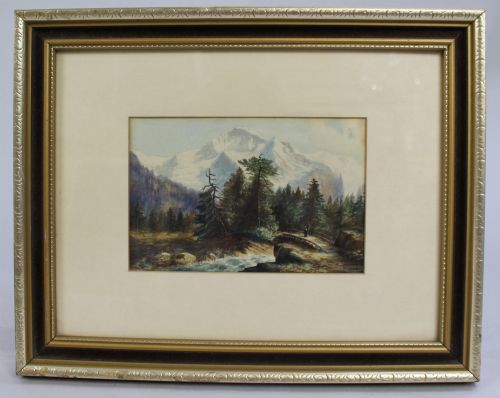
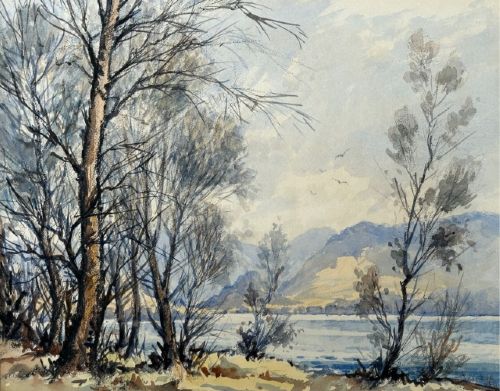
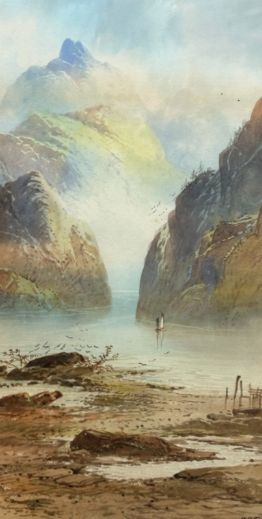
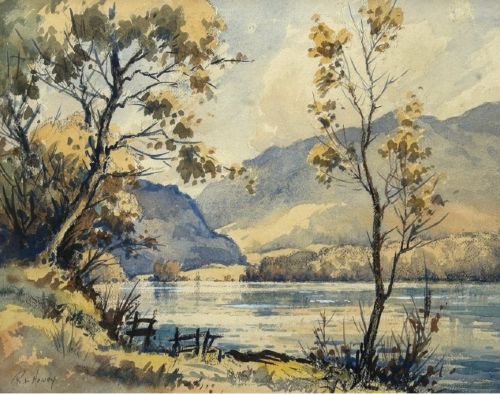
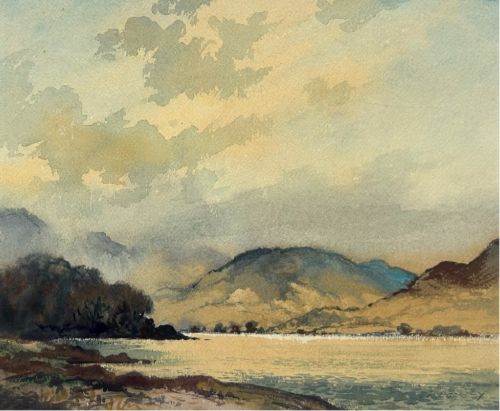
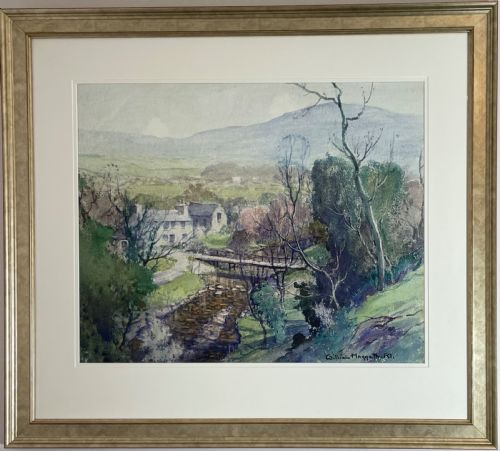
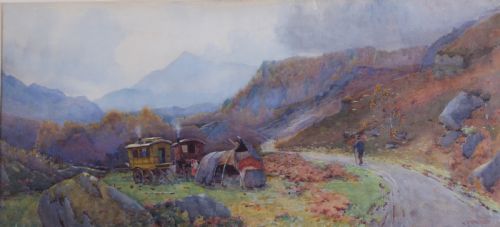
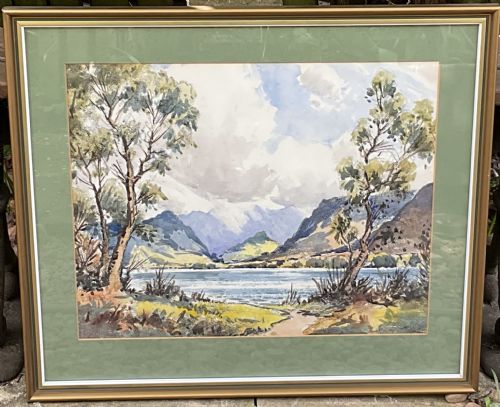
These antique mountain watercolour paintings capture craggy peaks and quiet valleys through delicate washes on paper, offering a window into historic topography.
Antique Mountain Watercolour
An antique mountain watercolour depicts upland scenery, crags, and valleys painted directly onto paper using water-soluble pigments. The works span from the Georgian era through the nineteenth century and into the early twentieth century, reflecting shifting artistic approaches to topography and nature.
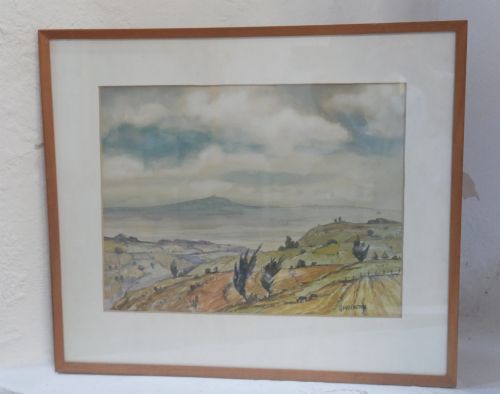
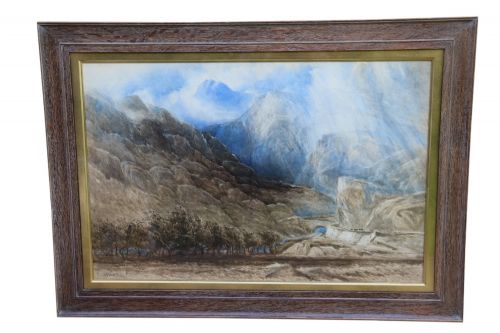
The most common examples on this page are nineteenth century British and continental landscapes, often framed behind glass in wood or gilt frames. These pictures range from intimate sketches of Welsh and Scottish views to broader vistas of Alpine passes and distant ranges.
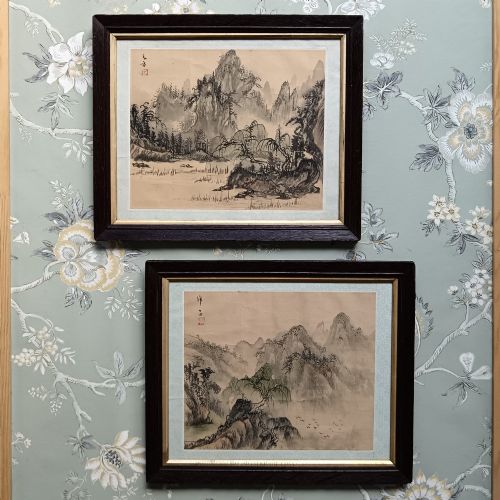
Beyond purely British scenes, the selection includes continental European landscapes, Mediterranean spots, and occasional works from further afield. Traditional Chinese silk paintings and gouache works also appear alongside standard paper supports, providing variety in texture and regional focus.
How They Were Made
Artists applied watercolour pigment and bodycolour or gouache onto heavy paper sheets, sometimes utilising preliminary pencil outlines to map the composition. Transparent washes created depth in the sky and distant mountains, while more opaque touches defined foreground rocks, rivers, and figures.
Finished sheets were secured in wooden frames, frequently enhanced with gilt wood mouldings, and protected beneath glass to prevent moisture and dust damage. Original frames often remain with the paintings, showing period joinery and surface wear appropriate to their age.
Antique Mountain Watercolour Retail Price Guide 2026
Typical asking prices for mountain watercolour among the pieces listed under this phrase on Sellingantiques today, from the lower quarter to the upper quarter. They describe what is for sale here now, not the wider market.
Several mountain scenes include tiny, determined fishermen hauling catches or shepherds navigating steep paths.
What Varies in Quality
Quality rests in the precision of the brushwork and the artist's ability to render light and atmosphere across a mountain slope or loch. Stronger examples display confident handling of transparent washes that convey weather and distance without muddying the paper.
The condition of the pigment and paper surface dictates much of the visual success, as prolonged exposure to light fades delicate blues and greens. Superior pieces retain their original tonal contrast, while retaining intact period frames that complement the painting.
William Henry Earp·Henry Martin Pope·William Hoggatt·Edward Horace Thompson·Thomas Lound·James H Hulse·Hirst Walker·AJ Thornton·Noel Harry Leaver·Cornelius Pearson·Samuel Towers·Milton Drinkwater·Willie Stephenson·T E Churnside·E J Stephenson·James William Whittaker·Clarkson Frederick Stanfield·John Carlisle·L Vallance·William F Vallance·Elmer Wachtel·James Baker Pyne
The Antique Mountain Watercolour Glossary
- Watercolour paint
- A medium consisting of colour pigments suspended in a water-soluble vehicle, applied to paper to create transparent washes of colour.
- Gouache
- An opaque water-based paint containing pigment mixed with a binding agent and white filler, producing heavier highlights than standard watercolour.
- Gilt wood
- Wood carved or moulded and coated with a thin layer of gold leaf or metallic gilt finish, commonly found on period picture frames.
- Grisaille
- A painting executed entirely in shades of grey or monochromatic grey-brown tones, often used to study form or emulate sculptural reliefs.
Antique Mountain Watercolour: Frequently Asked Questions
How do I care for an antique watercolour?
Keep the painting away from direct sunlight and damp environments to prevent the paper from yellowing and the pigments from fading.
Ensure the backing board and glass remain sealed to protect the paper surface from atmospheric pollutants and trapped moisture.
Are these paintings signed by the artist?
Many of the works feature signatures, monograms, or period inscriptions on the front or reverse of the paper sheet.
Unsigned pieces are frequently attributed to particular schools or contemporary circles based on style, technique, and subject matter.
What is the difference between watercolour and gouache?
Watercolour relies on transparent washes that allow the white of the paper to reflect light through the pigment.
Gouache includes an opaque white additive that creates solid, flat colour planes suited for highlights and dense cloud formations.
Do original frames matter for these artworks?
Original gilt wood and wooden frames provide historical context and demonstrate how the piece was presented in the nineteenth or early twentieth century.
Matching frames preserve the integrity of the object, though framing styles naturally vary across different decades and regions.