

Antique Mountain Artwork
Antique mountain artwork captures rugged peaks and distant horizons, offering timeless views of Scottish lochs, Welsh valleys and Alpine vistas through oil and watercolour.
Antique Mountain Artwork
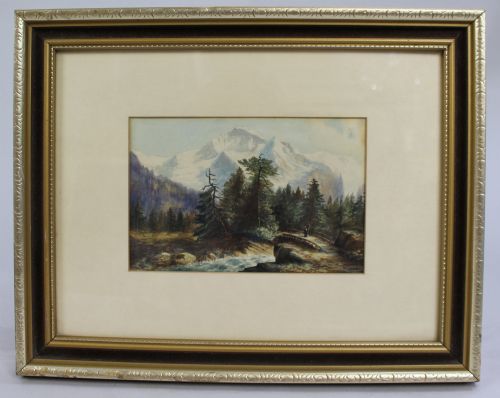
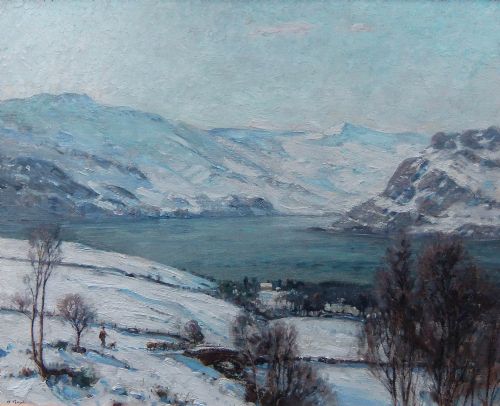
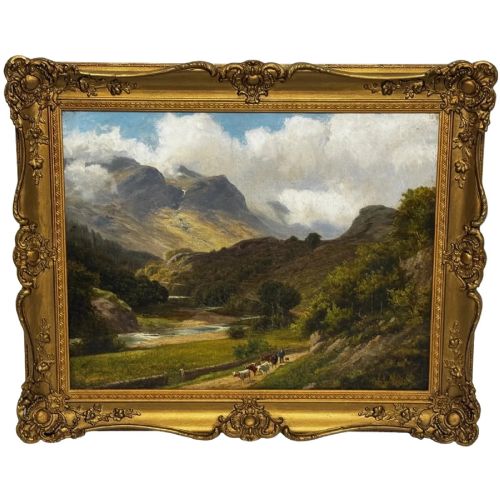
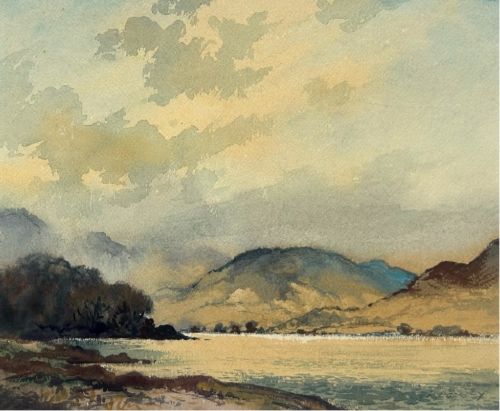
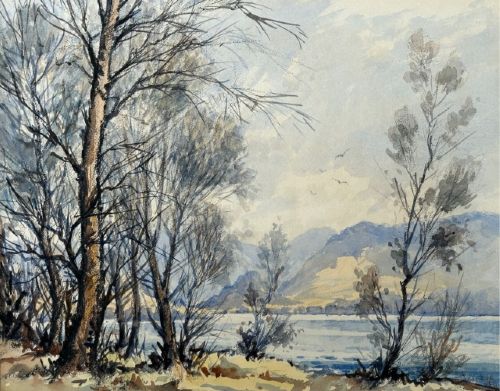
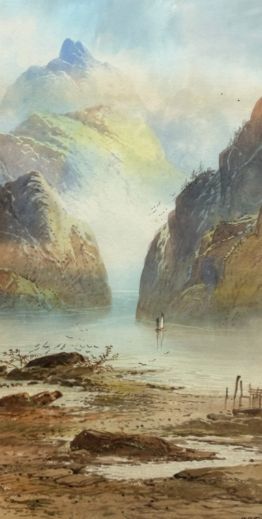
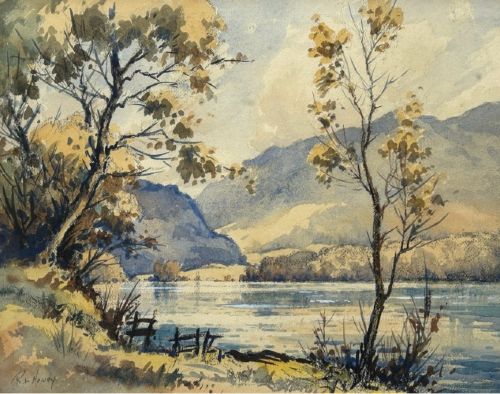
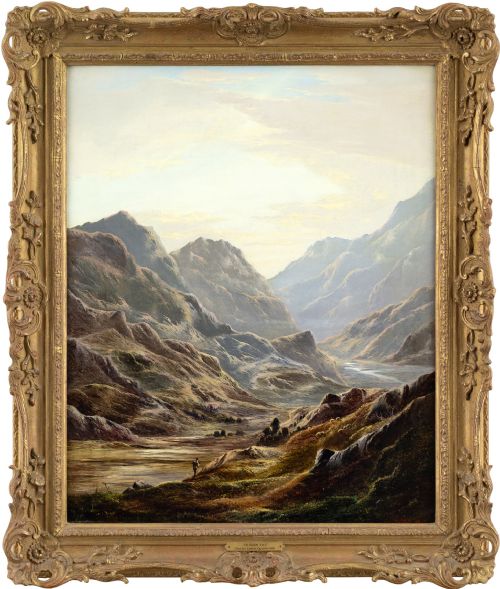
When seeking antique mountain artwork, collectors encounter nineteenth-century oil paintings and watercolours depicting British, European and Asian landscapes. These pieces record dramatic topographical scenes ranging from Lake District lakes to towering Alpine passes.
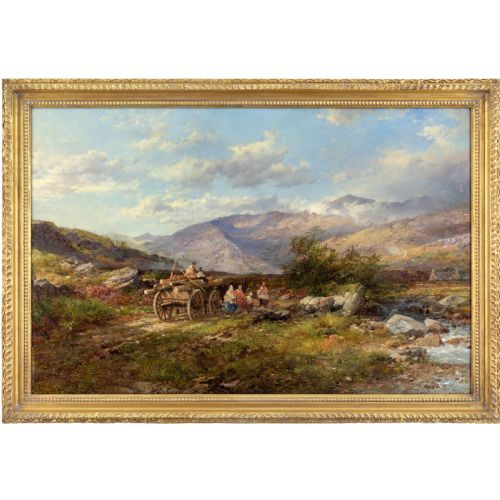
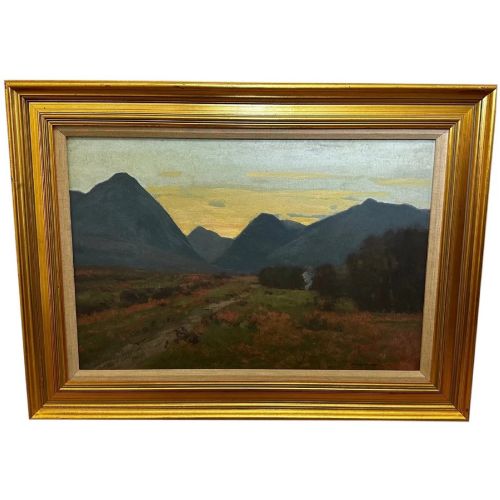
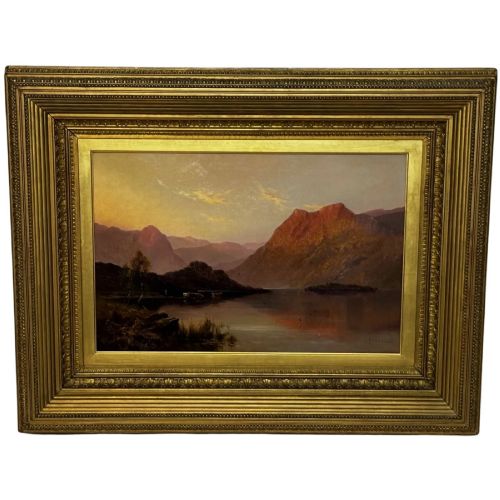
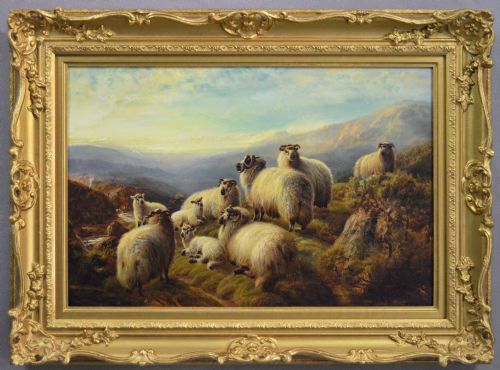
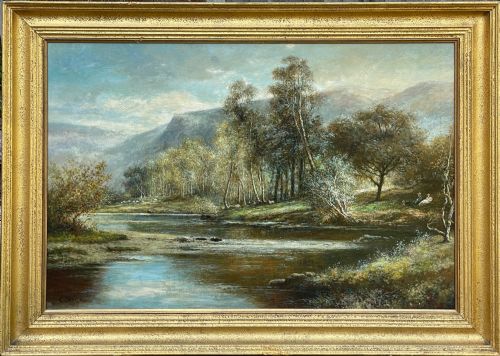
The Victorian period yields many landscape paintings featuring highland cattle, misty peaks and winding rivers. Scottish and Welsh locations appear frequently alongside continental views of Swiss valleys and Italian lakes.
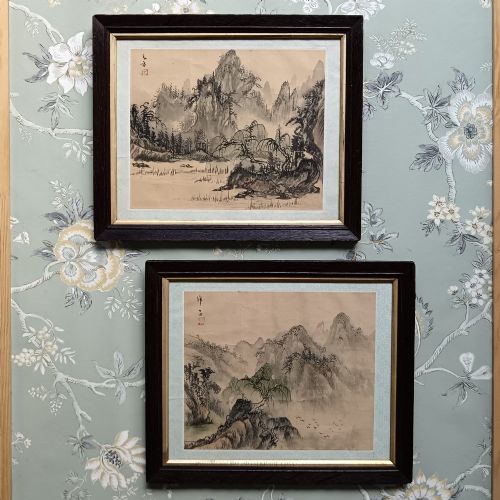
Beyond traditional European canvases, the selection includes Chinese carved jade mountain sculptures and silk paintings. These varied forms reflect diverse cultural interpretations of highland scenery across multiple centuries.
How they were made
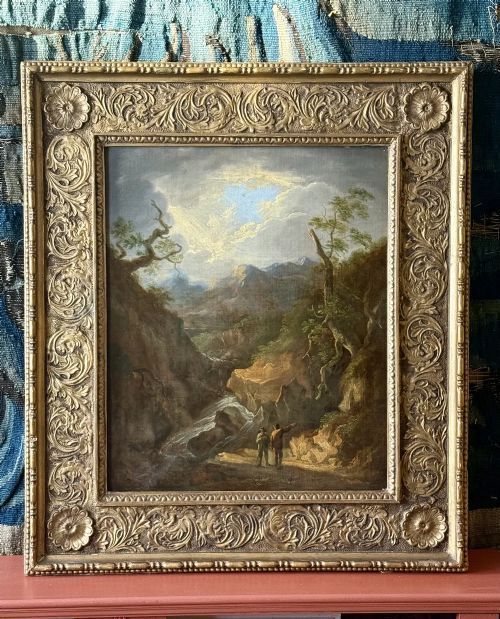
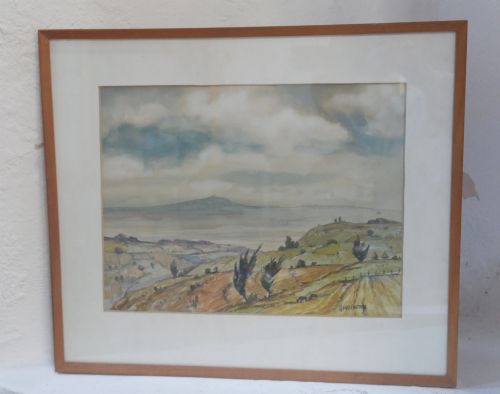
Painters built their compositions using oil on canvas or delicate watercolours on paper, capturing atmospheric light over craggy terrain. Many canvases retain original giltwood and gesso frames that complement the grand scale of the scenery.
Sculpted pieces utilise natural materials such as jade mounted on carved hardwood stands, requiring intricate hand-carving techniques to shape complex rocky outcrops and miniature figures.
Antique Mountain Artwork Retail Price Guide 2026
Typical asking prices for mountain artwork among the pieces listed under this phrase on Sellingantiques today, from the lower quarter to the upper quarter. They describe what is for sale here now, not the wider market.
Listings feature nineteenth-century oil paintings and watercolours depicting British, European and Asian mountain landscapes on canvas and paper.
What varies in quality
Mastery of atmospheric light and topographical accuracy distinguishes superior canvases from routine studio work. Stronger pieces convey the genuine chill of an Alpine summit or the damp mist of a Scottish glen through confident brushwork.
The preservation of the original surface and the condition of the framing material influence the overall integrity of the piece. Untouched oil surfaces and well-maintained giltwood frames indicate careful historical stewardship.
Benjamin Barker of Bath·William Henry Earp·Alfred Fontville de Breanski Jr·George Houston·Douglas Cameron·Charles Leslie·Robert Watson·Henry Martin Pope·William George Tennick·John Grenville Fennell·William Henry Mander·William Hoggatt·Sidney Richard Percy·Thomas Spinks·Frank Hider·Giulio Cecchini·Walter J Watson·C Caldwell·William Grant Murray·J Barclay·John Douglas Perrett·Edward Horace Thompson
The Antique Mountain Artwork Glossary
- Giltwood
- Wood that has been coated with a thin layer of gold leaf. This finish was common for framing significant landscape paintings during the nineteenth century.
- Gesso
- A paint mixture consisting of a binding agent mixed with chalk or plaster. It served as a smooth base for gilding wooden picture frames.
- Shan Shui
- Traditional Chinese painting style depicting natural scenery such as mountains and rivers. These works use brush and ink on silk or paper.
- Romanticism
- Artistic movement emphasising emotion, individualism and awe of nature. Mountain landscapes became a primary subject for exploring these dramatic themes.
Antique Mountain Artwork: Frequently Asked Questions
How do I identify a Scottish Highland painting?
Scottish Highland paintings typically feature recognizable geographical landmarks such as lochs, mist-covered mountains and grazing highland cattle or sheep. Artists often inscribed the specific glen or lake name directly onto the canvas or reverse stretcher.
Stylistic cues from the nineteenth century, including muted earth tones and dramatic lighting, help confirm the regional school and period origin.
What framing is typical for these watercolours?
Watercolours from the nineteenth century are commonly mounted beneath glass within gilt wood frames to protect the delicate paper surface from atmospheric moisture and dust. Original Victorian frames often feature ornamental moulded plaster details beneath the gold leaf.
Checking the reverse reveals whether the backing boards and seals remain undisturbed since the time of framing.
How should I hang a heavy oil painting?
Heavy oil canvases in substantial giltwood frames require secure wall fixings anchored directly into masonry or wooden studs using appropriate picture hooks. Distributing the weight across two sturdy points prevents the frame from warping over time.
Keep the artwork away from direct heat sources and strong sunlight to protect the canvas tension and paint pigments.
Are Chinese jade mountains rare?
Carved jade mountain sculptures represent a distinct tradition of lapidary art designed to emulate auspicious Taoist paradises and natural wonders. Artisans laboriously shaped dense stone blocks to portray craggy peaks, pine trees and tiny travellers.
Displaying these pieces on fitted hardwood stands highlights the natural striations and translucent qualities of the carved mineral.