



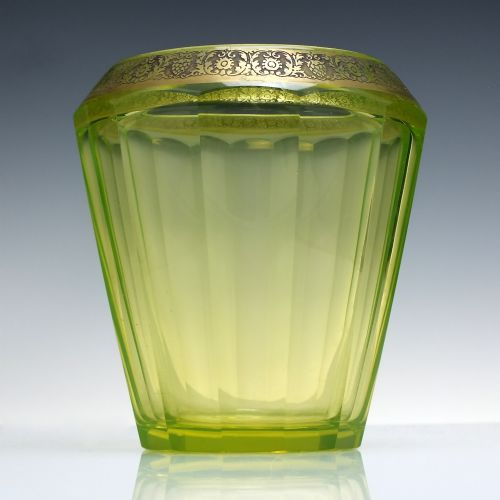


Antique Moser Glass
Antique moser glass brings rich bohemian craftsmanship, heavy gilding and vibrant polychromatic enamelling straight to your table or cabinet.
Antique Moser Glass
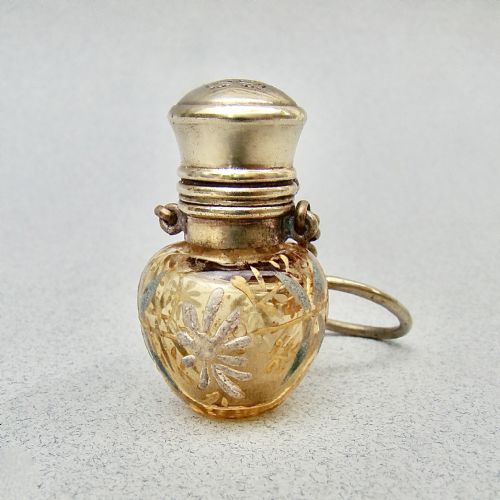
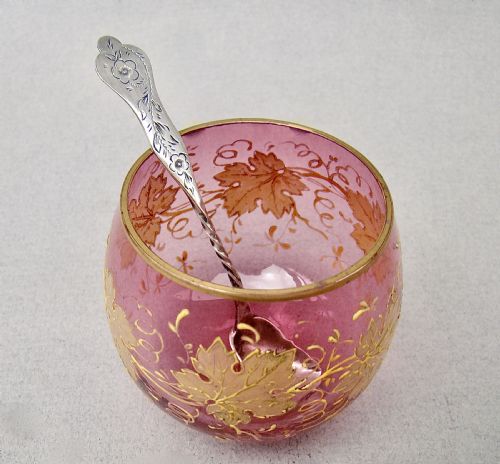
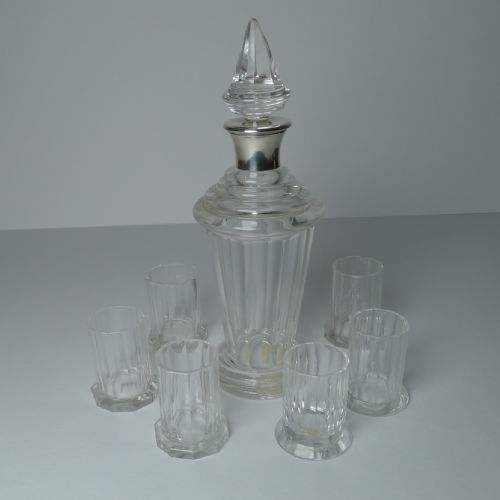
When you search for antique moser glass, you encounter a remarkable array of decorative vessels and tableware originating from Bohemia, spanning periods from the mid nineteenth century through the art deco era. The selection ranges from delicate scent bottles and salt cellars with silver spoons to grand vases, decanters, tea sets and champagne flutes.
Most pieces you meet on this page date from the Victorian era around 1890, often combining coloured glass such as cranberry, ruby red, green or vaseline glass with elaborate hand gilding and enamelled decoration. Forms also stretch into early twentieth century Vienna Secessionist designs by figures like Otto Prutscher and Koloman Moser.
These items served both functional and purely decorative roles in wealthy households, functioning as wine glasses, liqueur decanters, inkwells and jewellery caskets. Their enduring appeal lies in the weight of the lead crystal and the intricate surface ornamentation that defines the Bohemian glassworks tradition.
What varies in quality
Quality rests heavily on the depth and complexity of the hand painting, the precision of the gilding and the clarity of the underlying lead crystal or coloured glass. Pieces featuring multi-coloured polychromatic enamelling or detailed engraving demand a higher level of artisan skill than simpler monochrome items.
The sophistication of the design dictates the upper tier of the range, particularly works associated with known architects and designers like Otto Prutscher or Koloman Moser. Integrated precious mounts, such as hallmarked silver spoons or fitted metal trays, also elevate the craftsmanship of a set.
Antique Moser Glass Retail Price Guide 2026
Typical asking prices for moser glass among the pieces listed under this phrase on Sellingantiques today, from the lower quarter to the upper quarter. They describe what is for sale here now, not the wider market.
Materials recorded across the archive include cranberry glass, lead crystal, 800 silver, gold leaf and polychromatic enamel.
Otto Prutscher·Koloman Moser·Salviati
The Antique Moser Glass Glossary
- Cranberry glass
- A rich red-pink transparent glass created by adding gold chloride to the molten batch. It appears frequently in nineteenth century salts, vases and decorative boxes.
- Polychromatic enamelling
- The application of multiple opaque coloured glass paints onto the surface of a vessel. Artisans fire these designs to create raised, vibrant decorative motifs.
- Lead crystal
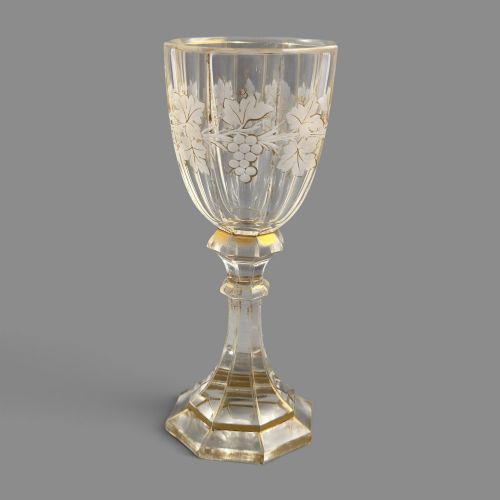
- A heavy, high quality glass containing metallic lead oxide, which increases brilliance and weight. Moser utilised this material for goblets, decanters and champagne flutes.
- Roemer goblet
- A traditional Germanic wine glass form featuring a wide bowl resting on a cylindrical, stud-decorated stem. The evidence includes engraved crystal examples with gilding.
- Vaseline glass
- A yellow-green transparent glass coloured with uranium oxide that glows under ultraviolet light. These pieces date particularly to the early twentieth century.
Antique Moser Glass: Frequently Asked Questions
How do I identify antique moser glass?
Look for heavy lead crystal, thick hand-applied gilding and intricate polychromatic enamelling in Victorian, bohemian or secessionist styles. Many pieces also feature signature markings or distinct colourations like cranberry, vaseline or ruby red glass.
Examine the weight of the object and the precision of the decorative motifs, as genuine works display high technical skill in both the glassblowing and the surface painting.
What periods do these pieces come from?
The available items span from the mid nineteenth century through to the early twentieth century, encompassing the Victorian era, 1890s boom, and art deco movements. You will find pieces dated from the 1860s up to the 1930s.
Design influences range from traditional nineteenth century bohemian styles to later Vienna Secessionist and Wiener Werkstätte creations.
How were these items originally used?
Wealthy households utilised these glass objects for dining, writing, personal grooming and interior display. Decanters, liqueur sets, salt cellars and champagne flutes served formal meals, while chatelaine scent bottles and jewellery caskets accompanied daily personal routines.
Inkwells and tea sets populated desks and parlours, combining practical utility with ornate decorative status.