


Antique Mortar
An antique mortar brings centuries of culinary, medicinal, and workshop history straight into a room through heavy bronze, marble, and wood.
Antique Mortar
An antique mortar is a vessel designed to crush, grind, and mix substances with a pestle, serving kitchens, apothecaries, and industrial dye makers over hundreds of years.
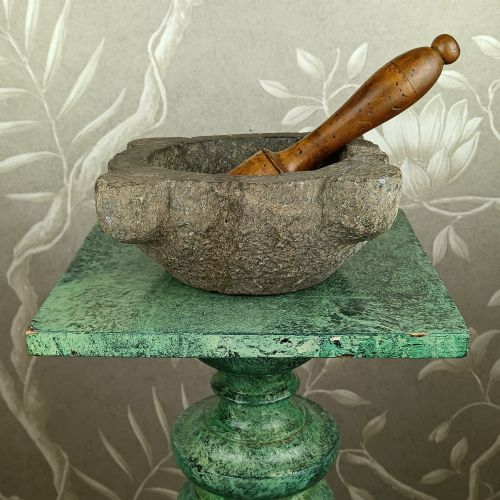
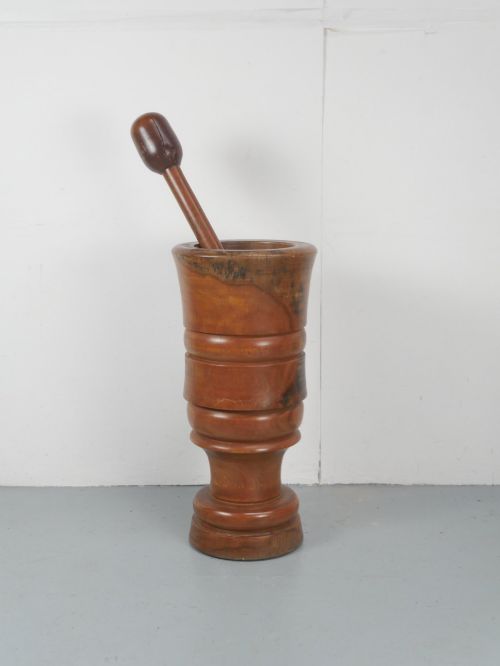
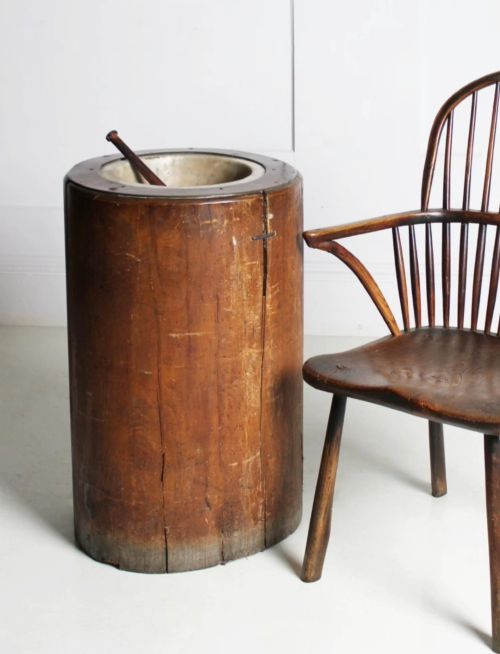
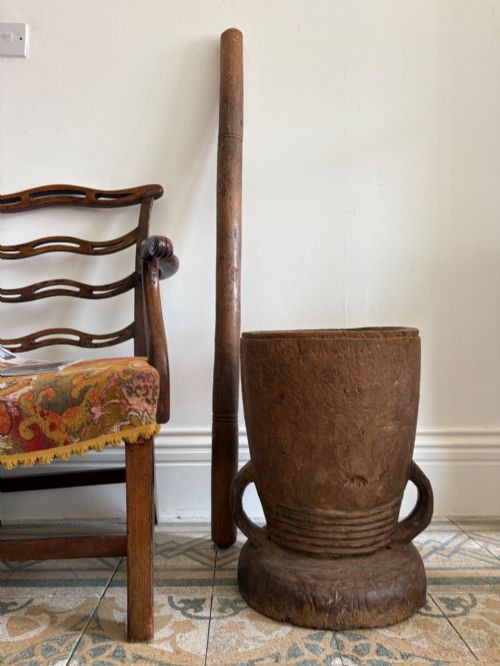
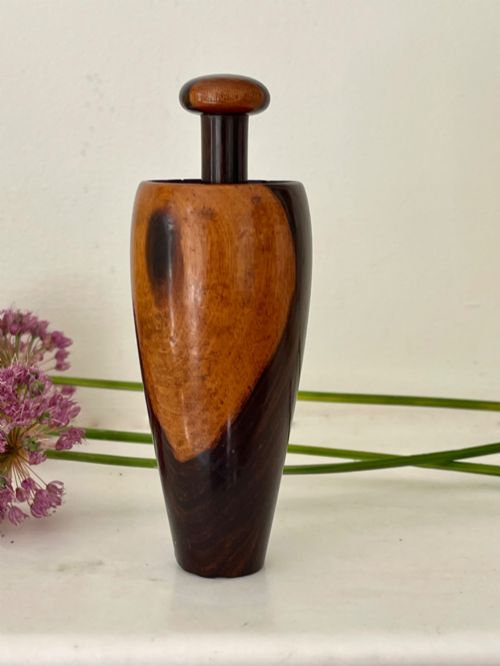
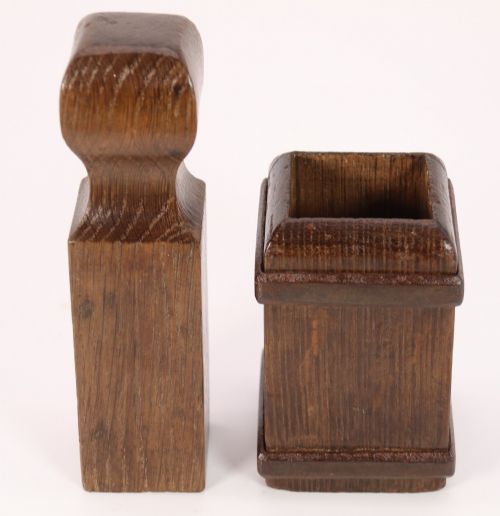
The pieces seen here range from small treen spice grinders and snuff mortars to substantial floor-standing vessels and massive dye maker drums.
Originating across English, French, Spanish, and Chinese workshops, these vessels span domestic kitchenware, chemist equipment, and African tribal grain processing forms.
How They Were Made
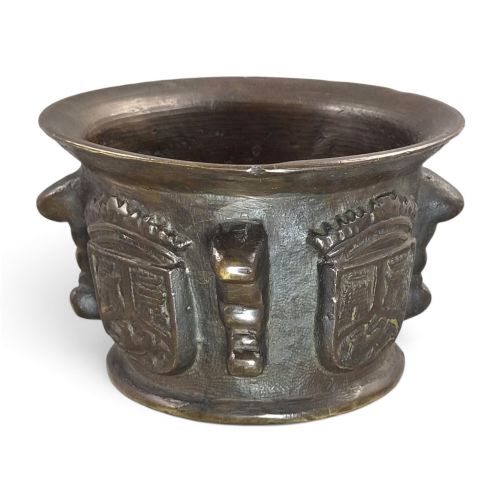
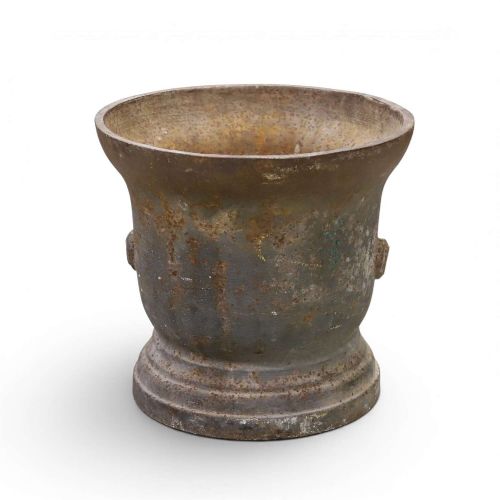
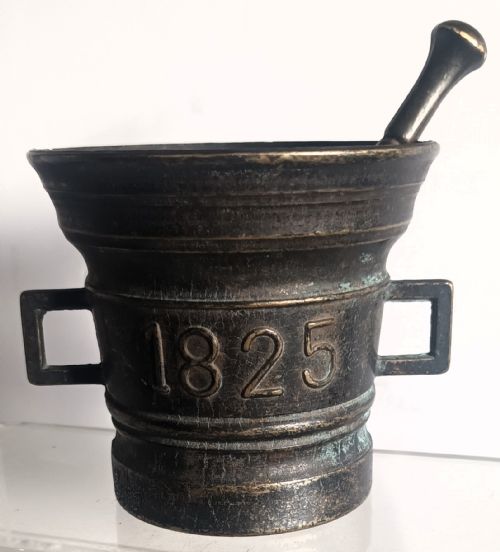
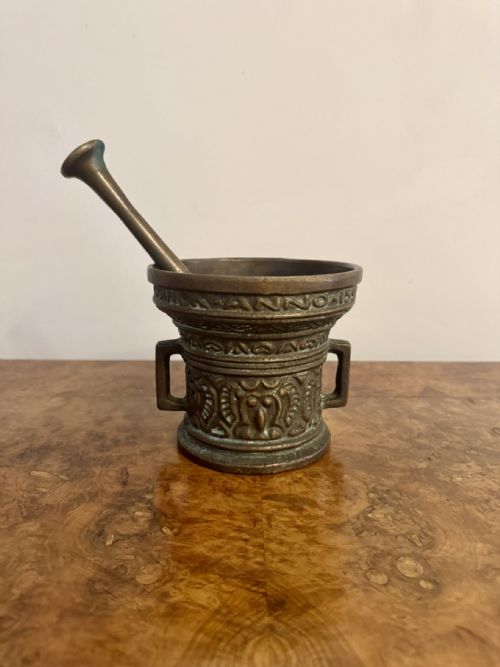
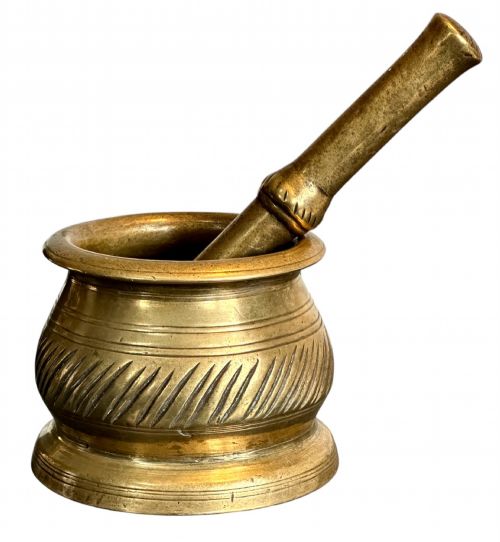
Metal vessels utilise cast bronze and brass, sometimes displaying gothic decoration, heraldic arms, or patinated surfaces formed through long use.
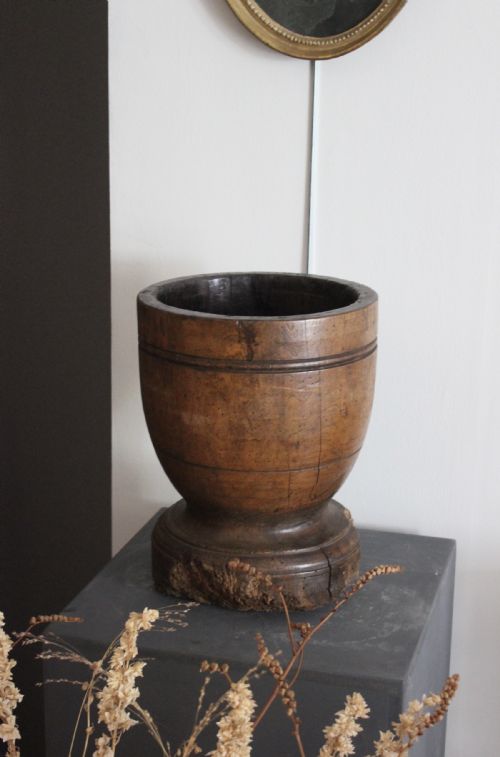
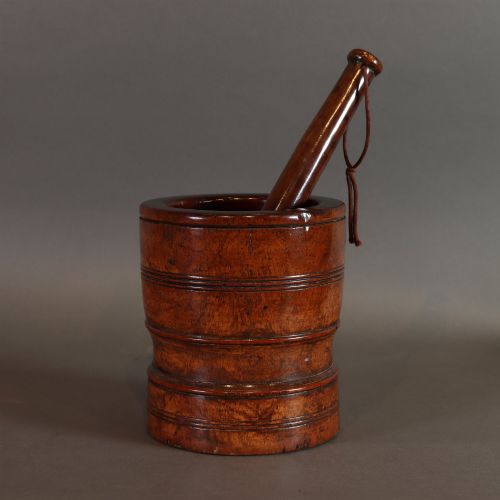
Wooden examples harness dense materials like lignum vitae, walnut, oak, fruitwood, and Chinese elm, shaped through turning or hand-carving tree trunks.
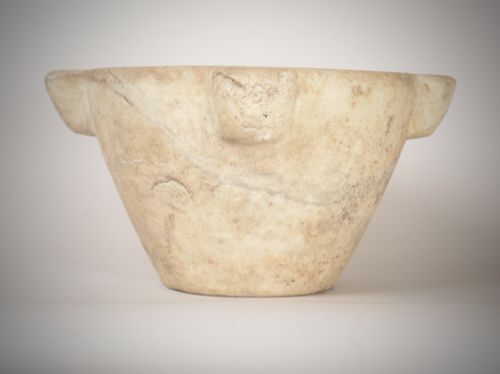
Stone pieces employ heavy white marble, basalt, and quarried stone, often shaped into substantial bowls designed to withstand heavy crushing forces.
Antique Mortar Retail Price Guide 2026
Typical asking prices for mortar among the pieces listed under this phrase on Sellingantiques today, from the lower quarter to the upper quarter. They describe what is for sale here now, not the wider market.
Materials span cast bronze, brass, white marble, basalt, cast iron, and dense hardwoods including lignum vitae, walnut, and Chinese elm.
What Varies In Quality
The distinction rests in the integrity of the material and the ambition of the casting or carving, from utilitarian kitchen pieces to heraldic apothecary bronzes.
Scale dictates presence, separating small domestic spice bowls from floor-standing nineteenth-century chemist vessels and immense dye maker mortars.
Surface preservation defines the character, distinguishing untouched patinas on seventeenth-century lignum vitae from heavily scrubbed kitchenware.
House of Enríquez
The Antique Mortar Glossary
- Mortar and pestle
- The vessel and its corresponding grinding tool used together for reducing materials to powder or paste.
- Treen
- Small domestic wooden utilitarian objects, encompassing turned lignum vitae, walnut, and fruitwood spice or snuff grinders.
- Apothecary mortar
- A heavy metal or stone bowl utilised by chemists and pharmacists for compounding medicinal remedies.
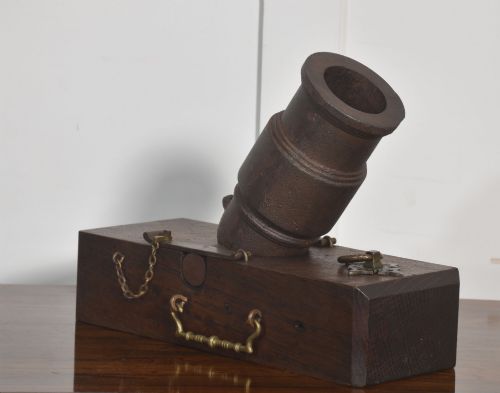
- Signal mortar
- A cast-iron ordnance piece mounted on a carriage, used historically for making loud reports rather than grinding.
- Lignum vitae
- A dense, heavy tropical hardwood prized by turners for durable seventeenth- and nineteenth-century kitchenware.
Antique Mortar: Frequently Asked Questions
What were antique mortars used for?
These vessels served diverse roles across domestic kitchens, apothecary dispensaries, and industrial workshops for crushing herbs, spices, and chemical compounds.
Larger iterations managed heavy tasks such as preparing dyes or processing grain, while smaller treen versions handled domestic snuff and spices.
How do I date a bronze mortar?
Dating relies on wall thickness, rim profiles, decorative motifs like gothic ribs, and any cast heraldic arms or maker marks.
Earlier seventeenth-century examples often display simpler, heavier forms with outward-flaring rims compared to later nineteenth-century chemist variations.
Are wooden mortars durable?
Hardwood versions fashioned from dense timbers like lignum vitae, oak, and walnut withstand daily display and dry atmospheric conditions.
Organic materials require stable humidity away from direct heat sources to prevent timber splitting over time.
What is the difference between kitchen and apothecary mortars?
Apothecary vessels frequently employ cast bronze or brass with structural ribs and maker details suited for compounding medicinal ingredients.
Kitchen and domestic examples more commonly utilise wood, stone, or ceramic materials designed for food preparation.