







Antique Modelling Stand
An antique modelling stand offers a sturdy wooden or iron platform used by artists and sculptors to support clay and plaster works in progress.
Antique Modelling Stand
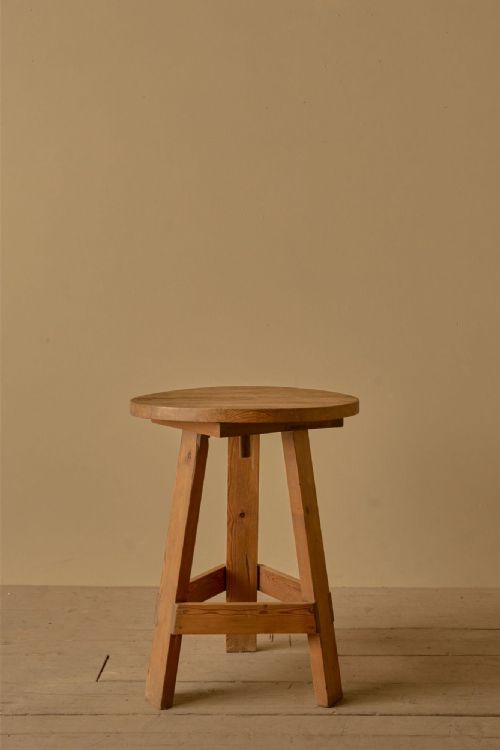
When searching for an antique modelling stand, buyers look for functional studio equipment that supported sculptors and artists during the creation of their work. The versions encountered here include French sculptor stands from the opening years of the twentieth century, constructed for heavy studio use.
These functional pieces reflect the practical needs of traditional workshops, often featuring heavy timber construction and adjustable mechanisms. They serve as direct survivals of past studio practice, distinct from decorative furniture or domestic display items.
Materials and construction
Construction relies primarily on robust wood, specifically pine and hardwood, chosen to bear the substantial weight of wet clay and plaster without warping. Metal components such as iron brackets or winding screws provide the necessary mechanical strength for height and tilt adjustments.
Joinery methods prioritize utility over ornamentation, utilising straightforward carpentry designed to endure daily studio wear and tear. Surfaces often show the honest accumulation of paint splashes, clay residue, and tool marks from their working life.
Antique Modelling Stand Retail Price Guide 2026
Typical asking prices for modelling stand among the pieces listed under this phrase on Sellingantiques today, from the lower quarter to the upper quarter. They describe what is for sale here now, not the wider market.
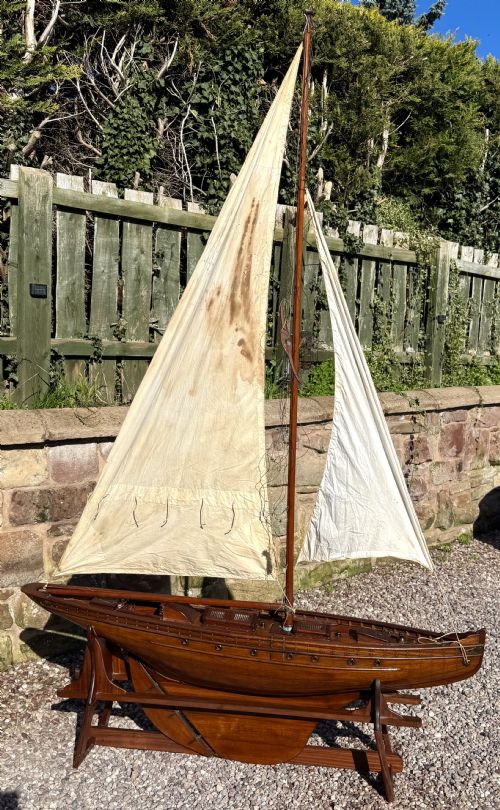
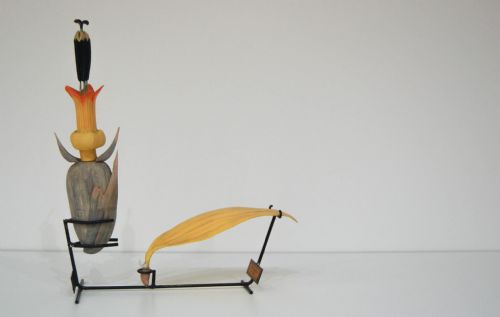
The documented object types range from pond yachts and candlesticks to botanical models and side tables.
Assessing quality and mechanics
Quality in a studio stand depends on the soundness of the timber and the operational integrity of the adjustment mechanisms. Stands that retain smooth movement in their wooden screws or metal winding parts represent superior manufacturing.
The presence of maker stamps or original factory markings adds distinction, separating standard utility pieces from those supplied by specialised art material warehouses. Overall stability and the preservation of original working surfaces dictate the standing of an individual piece.
Kunio Itô·Mappin & Webb·Clodion·Fischel
The Antique Modelling Stand Glossary
- Modelling stand
- A heavy worktable or pedestal used by sculptors to hold clay, wax, or plaster while forming a piece. These stands typically feature rotating tops and adjustable heights.
- Plaster
- A building material used for casts and botanical models, mixed from powder and water. It sets hard and was frequently used for studio study pieces.
- Pine
- A softwood commonly utilised for the base and framework of large studio furniture and yacht hulls. It provides a lightweight yet resilient structure.
- Bronze
- An alloy of copper and tin utilised for casting sculptures and decorative objects. It yields durable results with fine detail retention.
- Folk art
- Items created by self-taught makers using traditional crafts methods, often including ship models and dioramas. These pieces reflect regional vernacular traditions.
Antique Modelling Stand: Frequently Asked Questions
What is an antique modelling stand used for?
An antique modelling stand provides a sturdy, rotating platform for sculptors to support clay, wax, or plaster as they shape a piece. These stands allowed artists to walk around their work and adjust the height during the creative process.
Today, collectors utilise them as display pedestals for large sculptures, plants, or decorative objects within domestic interiors.
How do I date an old wooden stand?
Dating relies on examining the construction methods, tool marks, and wood species used in the frame. Machine-sawn timbers and specific cast iron brackets often point toward the late nineteenth or early twentieth century.
Studio wear, such as layers of historical paint and plaster residue, can also help indicate the period of active use.
Are these stands sturdy enough for daily use?
Most antique stands were built for heavy studio work and remain structurally robust. The combination of solid timber and metal hardware ensures they can bear considerable weight.
Buyers should inspect the joints and rotating mechanisms to ensure they operate smoothly before placing heavy items on top.
What woods were used to build them?
Makers utilised utilitarian hardwoods and softwoods like pine to construct the heavy frames and rotating tops. These materials were chosen for their strength and availability rather than decorative grain.
Iron and brass components were frequently incorporated into the moving parts to handle frequent adjustments.