



Antique Model Table
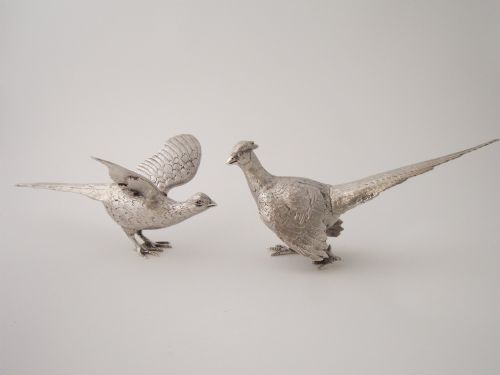
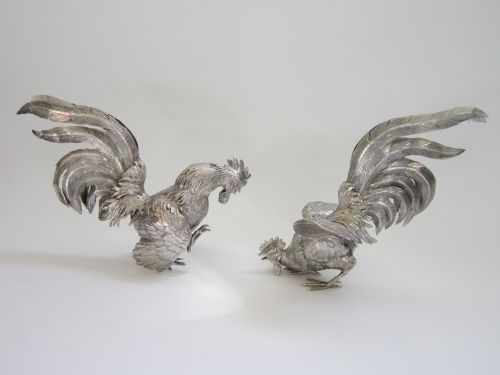
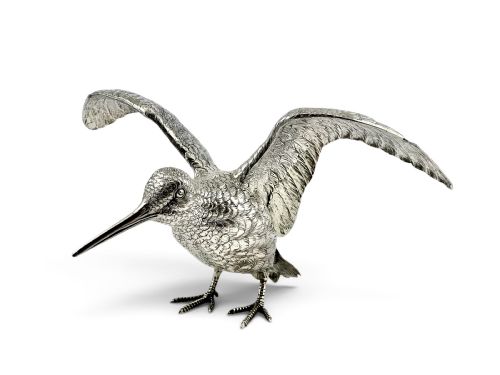
These items range from miniature silver birds to small cast cannons, offering detailed replicas for tabletop display.
Antique Model Table
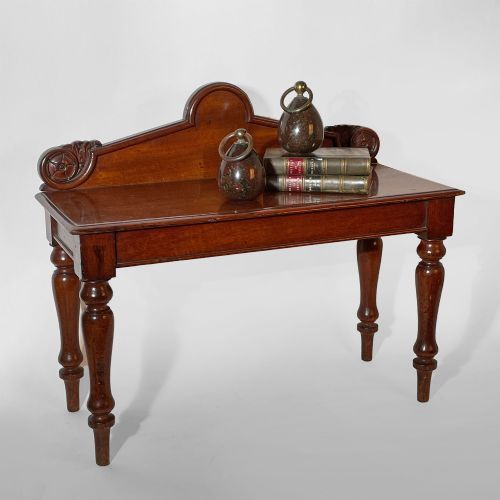
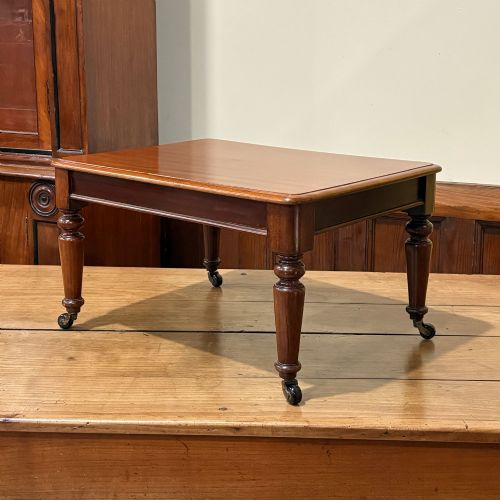
An antique model table brings together a diverse selection of decorative miniatures, animal figures, and small-scale replicas spanning several centuries. These pieces cover subjects from birds and horses to full dining tables and architectural forms.
The objects appear in materials such as sterling silver, mahogany, bronze, and porcelain, reflecting the wide scope of what makers chose to replicate on a small scale. Pieces originate from periods including the Georgian era, the Victorian decades, and the mid-twentieth century.
Buyers encounter items ranging from silver table ornaments of birds and foxes to miniature mahogany furniture and brass cannons. Each piece serves as a decorative focal point designed for display on desks, sideboards, or cabinets.
Materials and construction methods
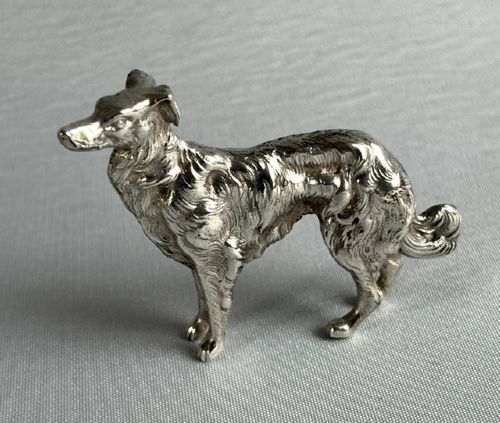
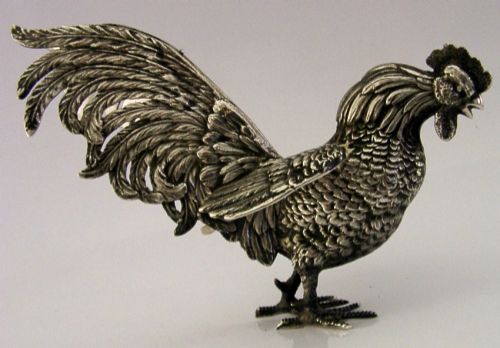
Metals form a large portion of the selection, utilising sterling silver, silver plate, bronze, and brass for animal figures, vehicles, and candlesticks. Silversmiths and bronze founders employed casting and chasing techniques to achieve fine surface detail on miniature birds and horses.
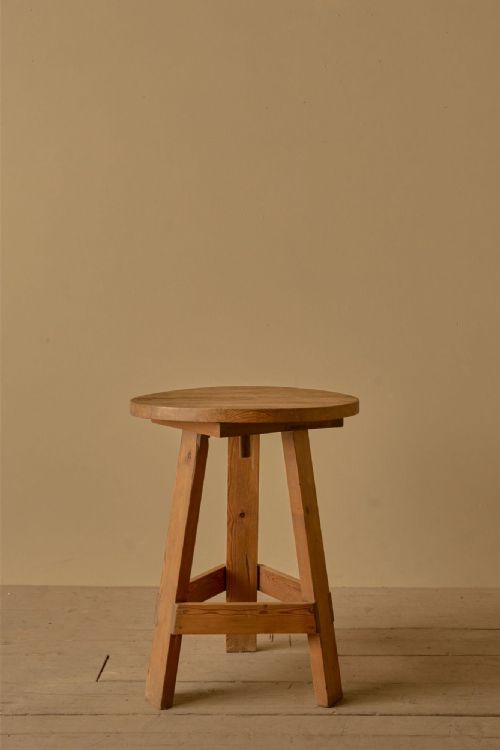
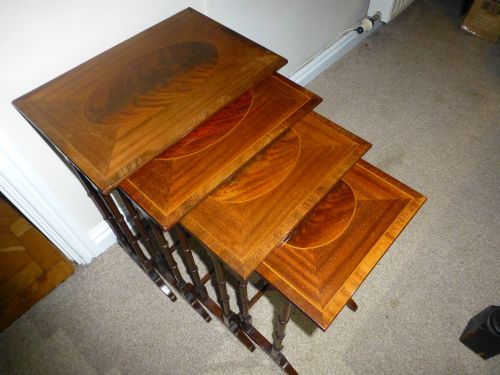
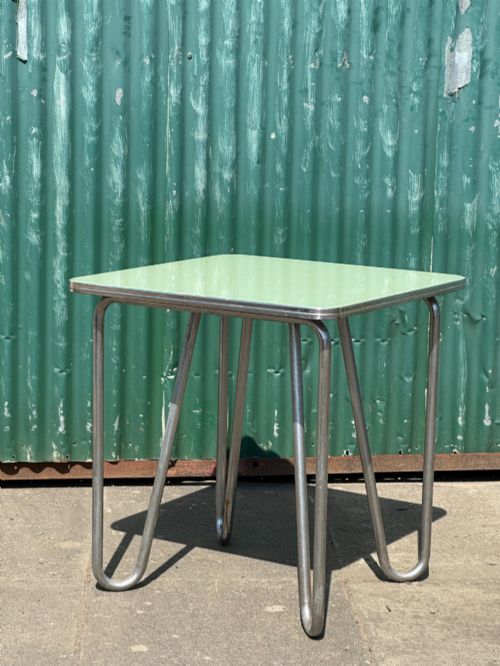
Wood appears frequently in the form of mahogany and pine, utilised for miniature furniture, tables, and sculptors' stands. Cabinetmakers applied inlay and traditional joinery methods to create smaller versions of full-scale pieces.
Antique Model Table Retail Price Guide 2026
Typical asking prices for model table among the pieces listed under this phrase on Sellingantiques today, from the lower quarter to the upper quarter. They describe what is for sale here now, not the wider market.
Materials span sterling silver, solid silver, silver plate, mahogany, bronze, brass, iron, and porcelain.
Factors determining quality
The level of detail in the casting or carving dictates the visual success of the piece, particularly in animal models where feather and fur texture must appear convincing. Finer examples display sharp definition and careful hand-finishing.
Proportion and fidelity to the original subject separate standard examples from superior ones. Pieces that maintain correct scale and balanced form demonstrate greater competence by the maker.
Gillows·Mappin and Webb·Sampson Mordan·Meissen·Franz Bergman
The Antique Model Table Glossary
- Sterling silver
- A silver alloy containing 92.5 percent pure silver by mass, commonly utilised for British tableware and decorative models.
- Mahogany
- A durable tropical hardwood with a reddish-brown colour, frequently utilised for miniature tables and furniture models.
- Cast iron
- An iron-carbon alloy poured into a mould to form solid objects, seen in items such as miniature cannons.
- Ormolu
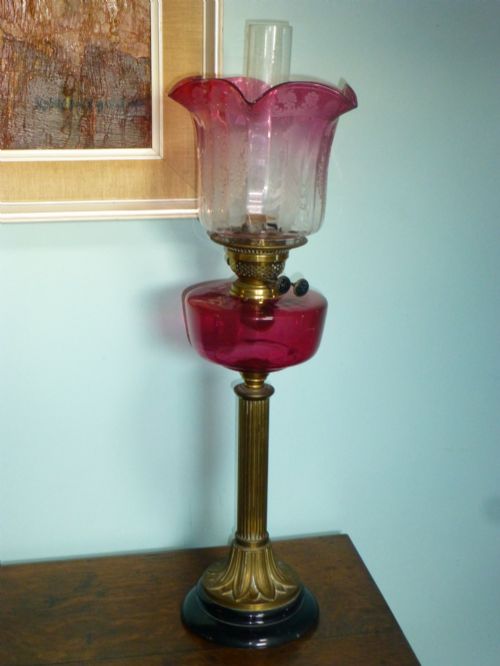
- Gilded bronze utilised for decorative mounts and candlelamps, popular in French-influenced design.
- Porcelain
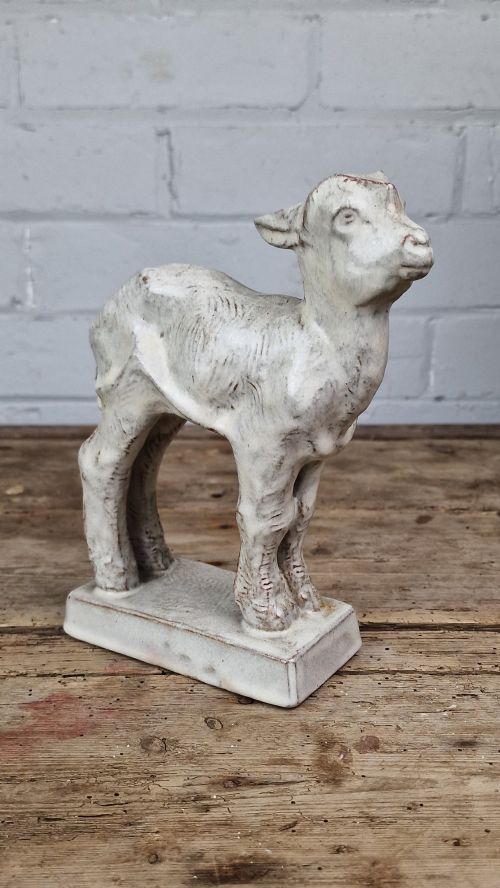
- A ceramic material fired at high temperatures, utilised for figurines and animal models such as birds and stags.
Antique Model Table: Frequently Asked Questions
What are antique model tables used for?
These pieces function primarily as decorative table ornaments and display objects rather than items of practical furniture. Collectors place them on desks, cabinets, and mantelpieces to add visual interest to a room.
Smaller silver models and bronze figures were often collected as cabinet pieces or presentation items. Miniature furniture pieces served as salesman samples or apprentice works.
How do I care for silver models?
Silver models require gentle cleaning with a soft cloth to remove dust and prevent tarnish buildup. Avoid harsh abrasive polishes that can wear away fine chased details on the surface.
Store or display the items in stable humidity conditions away from direct sunlight. This protects any mounted wooden or marble bases from drying out or cracking.
How are different periods identified?
Makers' marks, hallmarks, and stamps provide direct evidence of origin and date for silver and metal pieces. Examining the specific shape of a stamp or the style of the cypher helps narrow down the decade.
Wood types, construction methods, and stylistic influences offer clues for dating furniture models and bronze sculptures. Comparing the piece to documented examples from the same era confirms the period.
Where were these models made?
Production locations vary widely across the selection, including British, French, German, and Scandinavian workshops. Silversmiths in London and Birmingham produced many of the animal models.
Continental European foundries created bronze sculptures and ormolu items, while porcelain factories such as Meissen and Derby produced ceramic animal figures. Each region brought distinct traditions to the craft.