



Antique Model Building
These antique model building pieces bring tangible historical narratives and meticulous miniature craftsmanship directly into your collection.
Antique Model Building
When you search for antique model building, you enter a diverse field encompassing architectural structures, watercraft, vehicles, and mechanical contrivances. The pieces available span from the Georgian era through the Victorian and Edwardian periods up to the 1930s, reflecting the enduring human desire to scale down the world.
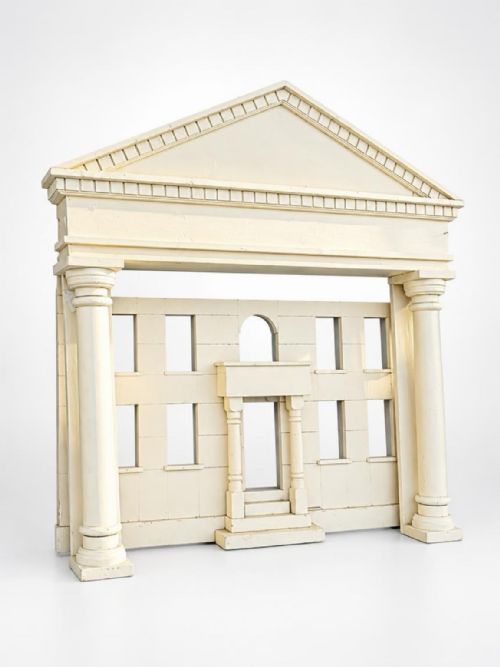
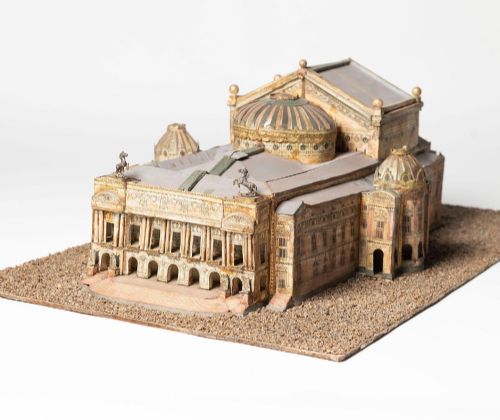
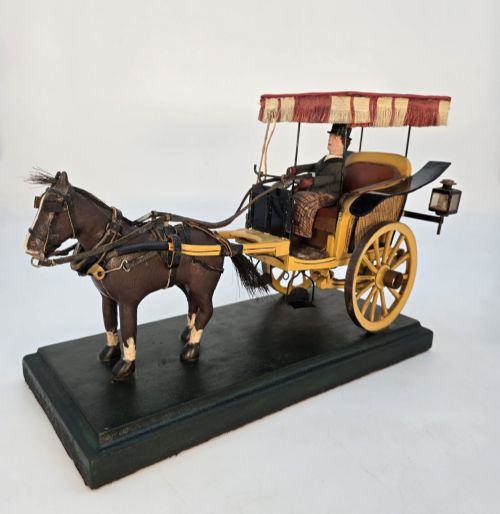
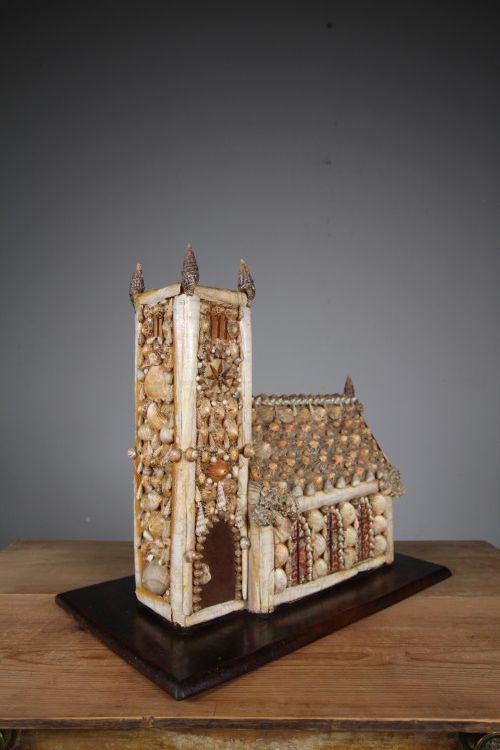
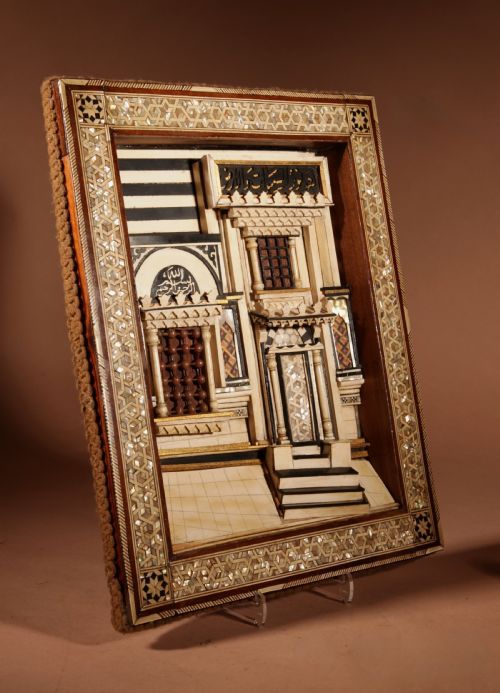
You are most likely to encounter scratch-built wooden ships, architectural models of churches and houses, and folk art representations of carriages or machinery. These objects range from naïve vernacular creations to ambitious architectural dioramas influenced by specific design movements like Moorish Revival.
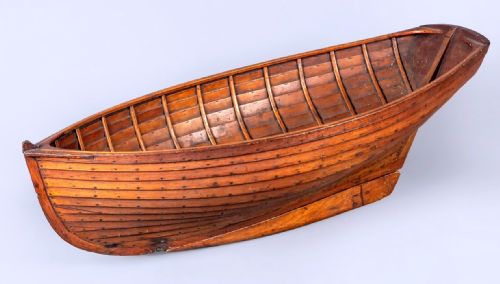
Many of these miniatures serve as standalone decorative sculptures, while others capture the specific engineering feats of their day, such as pond yachts with carvel hulls or steam-powered beam engines.
Materials and construction techniques
Wood and timber form the primary structural foundation for the majority of these models, shaped by hand through scratch-building techniques. Makers utilised metal and brass for mechanical components, cannon barrels, and structural reinforcements, while paint, paper, and fabric added surface detail and colour.
The construction often involves intricate joinery, hand-carved oak details, and applied shell work, as seen in specialised architectural and religious models. Carvel hulls on model boats demonstrate traditional shipbuilding methods scaled down for ponds or display cabinets.
Antique Model Building Retail Price Guide 2026
Typical asking prices for model building among the pieces listed under this phrase on Sellingantiques today, from the lower quarter to the upper quarter. They describe what is for sale here now, not the wider market.
Someone spent countless patient hours gluing ordinary matchsticks together around 1910 just to erect a remarkably sturdy model medieval house.
Judging the quality of miniatures
The distinction between standard items and exceptional examples rests upon the precision of the scale work and the ambition of the maker. Scratch-built pieces that incorporate working mechanical elements or demonstrate accurate architectural proportions stand apart from simpler vernacular objects.
Surface preservation and material authenticity also dictate the standing of a model. Retained original paint, undisturbed patination on timber, and complete miniature components without modern replacement parts indicate a higher grade of historical survival.
The Antique Model Building Glossary
- Scratch built
- Describes a model constructed entirely from raw materials and individual components by the maker, rather than assembled from a commercial kit or factory-produced parts. This method highlights the distinct skill and ingenuity of the individual artisan.
- Carvel hull
- A shipbuilding technique where hull planks are laid edge-to-edge flush against each other, creating a smooth exterior surface. Model makers applied this method to pond yachts and ship hulls to replicate full-sized maritime vessels accurately.
- Architectural diorama
- A three-dimensional partial or full-scale representation of a building facade or interior space, often incorporating perspective depth. These pieces frequently display regional stylistic influences such as Moorish Revival or Beaux-Arts.
- Pond yacht
- A sailing model designed to be sailed on open water, featuring a weighted keel and functional rigging. Collectors prize these for their combination of fine cabinet-grade woodwork and operational marine engineering.
- Folk art model
- An item created outside formal academic traditions by self-taught makers, often utilising readily available household materials like matchsticks or salvaged pine. These objects prioritise expressive character and individual resourcefulness over strict architectural scale.
Antique Model Building: Frequently Asked Questions
What is an architectural model?
An architectural model is a three-dimensional representation of a building, church, or shop, constructed to display structural design on a smaller scale.
These pieces range from professional studio commissions to detailed folk art interpretations created by enthusiast makers using wood and paint.
How were scratch built models made?
Makers constructed scratch built models entirely by hand without commercial kits, using raw timber, metal, brass, and paper.
Each component was individually measured, cut, and assembled to replicate ships, locomotives, engines, or buildings with remarkable fidelity.
How do I date an antique model?
Dating relies on stylistic clues, construction methods, and materials consistent with periods like the Georgian era, the 19th century, or the 1930s.
Makers occasionally signed and dated their work directly on the piece, providing a direct anchor for the timeline of creation.
Where should I display a model boat?
Model boats and pond yachts require stable display environments away from direct sunlight and severe humidity fluctuations to protect the wood and paint.
They sit well on dedicated wooden stands or sturdy mantelpieces where their hulls and rigging remain fully visible.