
Antique Mirror with Shelves
An antique mirror with shelves combines practical storage with reflective glass, making it a versatile focal point for any hallway or reception room.
What They Are
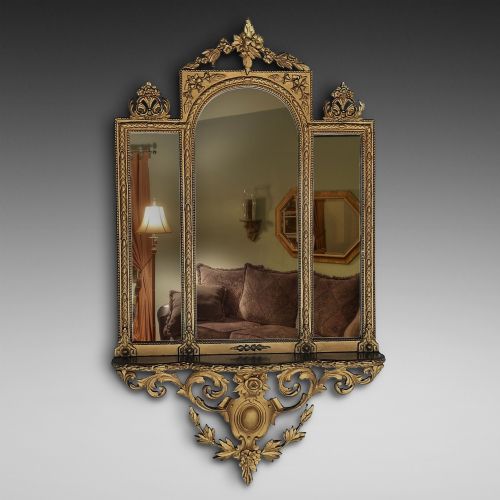
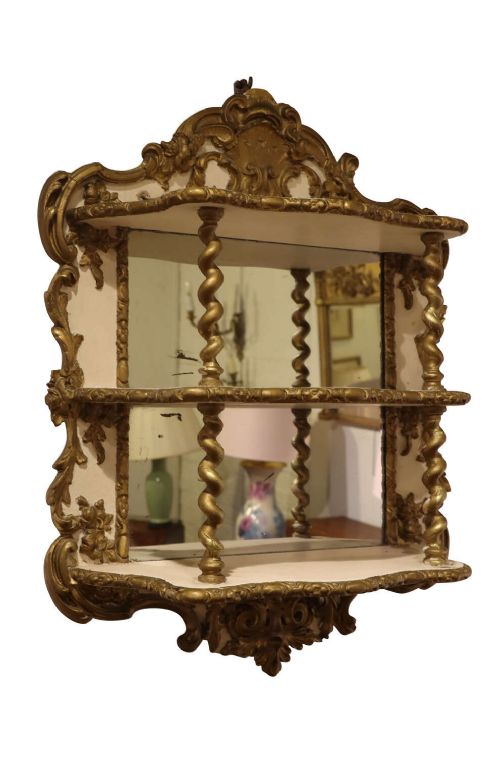
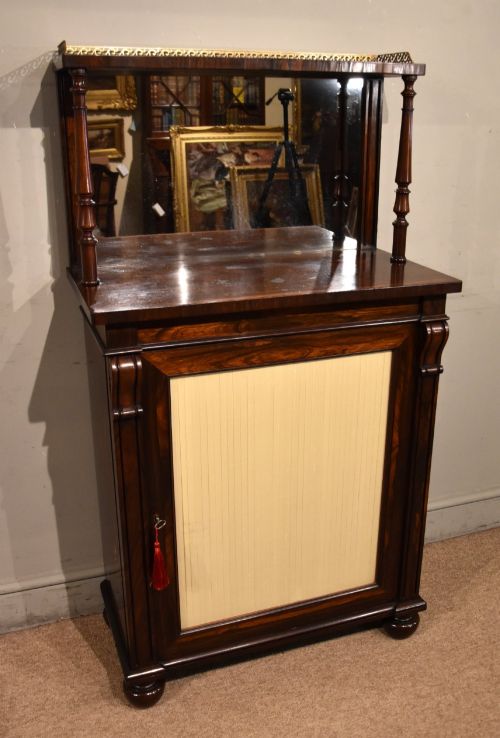
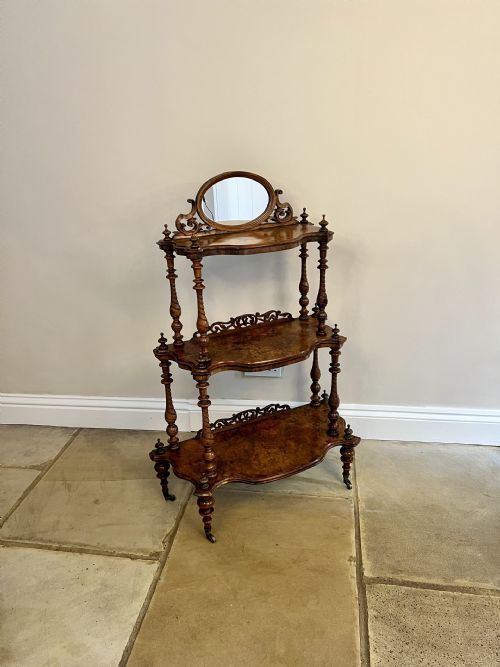
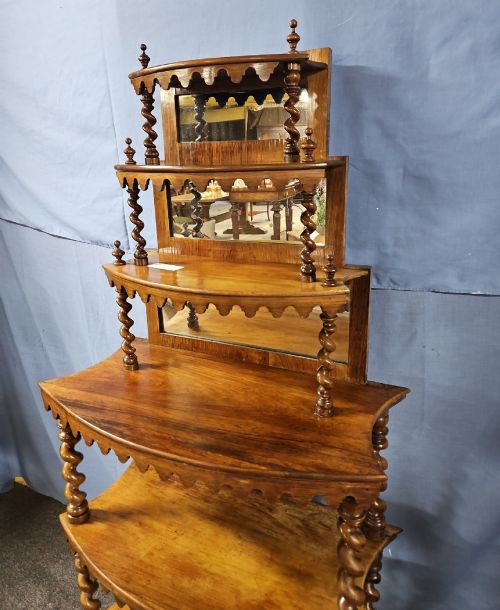
An antique mirror with shelves integrates display space directly into the frame, serving both decorative and functional purposes in period interiors. These pieces bridge the gap between wall-mounted looking glasses and small furniture cabinets, offering a practical surface for letters, brushes or ornaments.
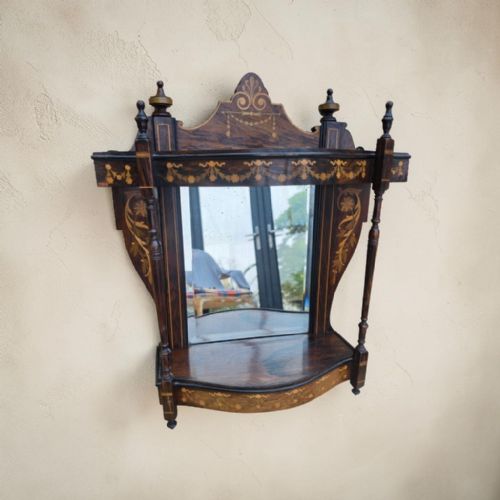
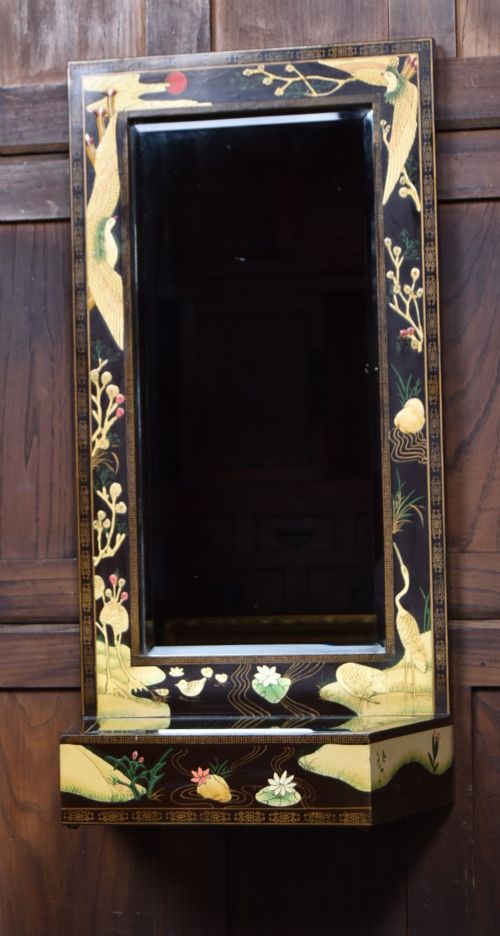
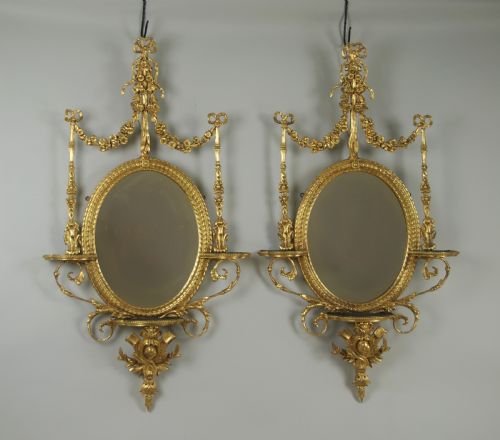
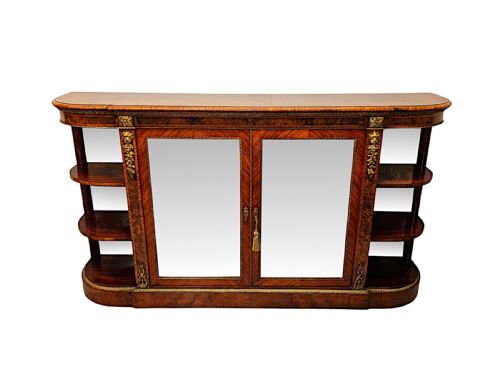
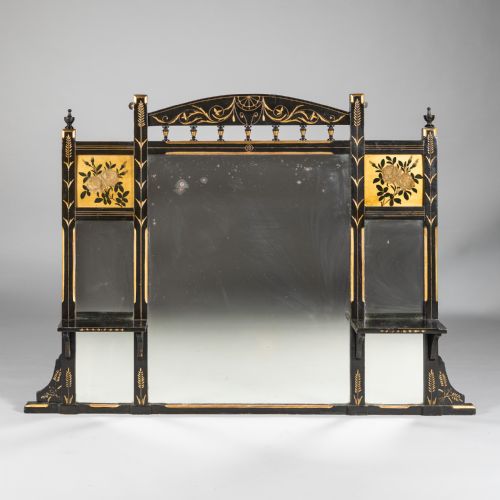
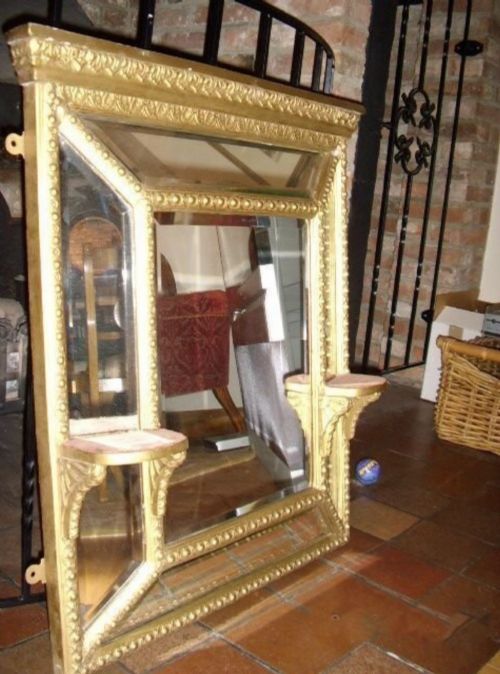
The selections available here span the late nineteenth and early twentieth centuries, covering Victorian, Aesthetic Movement, and Edwardian styles. Buyers most commonly encounter overmantel mirrors and wall-hung hall mirrors equipped with one or more wooden ledges.
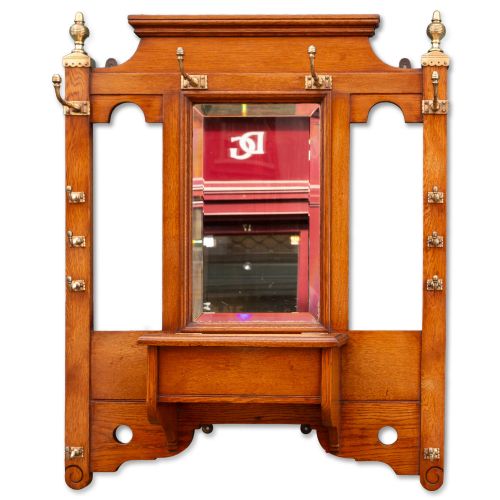
Formations range from substantial overmantel mirrors designed to sit above a fireplace to compact oak or mahogany wall mirrors intended for narrow entranceways. Each surviving example demonstrates how domestic needs shaped the furniture design of the period.
How They Were Made
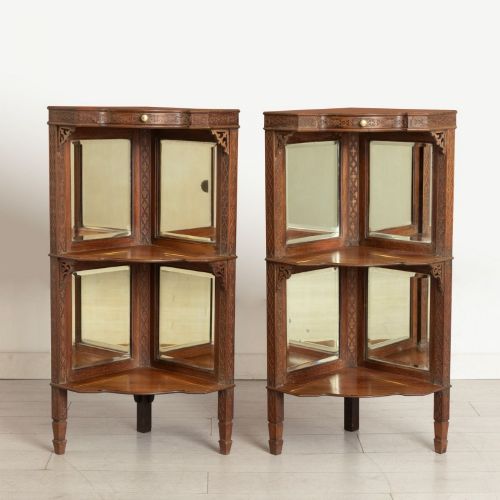
Cabinetmakers constructed these frames using solid timbers such as mahogany, walnut, oak, and ebonised wood. Woodworkers shaped the mouldings and fretwork by hand before securing the projecting shelf brackets with traditional joinery.
Surface treatments included gold leaf gilding, parcel gilt highlights, and painted finishes applied over the wooden substrates. The reflective glass panels were set securely into the rebated frames behind protective backing boards.
Retail Price Guide 2026
Typical UK retail prices for mirror with shelves, calculated from the Sellingantiques database of over a million retail prices indexed since 2003. This retail price guide relies exclusively on Sellingantiques data; no external sources or auction records are used, so the figures do not describe the wider market.
What Varies in Quality
The refinement of the woodwork and the complexity of the frame design dictate the tier of the piece. Finely carved fretwork, disciplined ebonising, and crisp parcel gilding distinguish higher-status examples from simpler utility mirrors.
Proportion and structural integration of the shelves also define the better specimens. When the ledges and brackets form a cohesive architectural composition with the mirror plate rather than an afterthought, the craftsmanship rises above the ordinary.
The Antique Mirror with Shelves Glossary
- Overmantel mirror
- A large looking glass designed specifically to hang on the wall directly above a fireplace mantelpiece. These often incorporate multiple small display shelves for ornaments.
- Fretwork
- Thin wood intricately pierced and cut into decorative patterns using a fretsaw. This technique appears on the frames of lighter wall mirrors.
- Parcel gilt
- A finishing method where only specific raised portions of a carved wooden frame are partially covered in gold leaf. It creates a subtle contrast against ebonised or painted timber.
- Ebonised wood
- Timber treated with chemical stains or dark finishes to imitate expensive ebony. It became particularly popular during the nineteenth century for furniture and mirror frames.
Frequently Asked Questions
Where should I hang an antique mirror with shelves?
These pieces suit entrance halls where the ledges can hold everyday items or small decorative objects. They also function traditionally above fireplace mantels to reflect light across the room.
Ensure the wall fixings are strong enough to support the combined weight of the timber frame, glass plate, and loaded shelves.
How do I date an antique mirror?
Dating relies on identifying the prevailing styles, timber choices, and construction methods used in the frame. Aesthetic Movement and Victorian pieces often feature ebonised surfaces or intricate fretwork, whereas Edwardian examples lean towards simpler walnut and oak.
Examining the backboards and the method of securing the mirror glass provides further clues to the period of manufacture.
What is the difference between an overmantel and a wall mirror?
Overmantel mirrors are traditionally wider and larger, designed to anchor the space above a fireplace hearth. They frequently feature broader proportions to match the scale of nineteenth-century chimney breasts.
Wall mirrors, such as hall mirrors, are more compact and typically taller than they are wide, intended for narrower wall spaces.