

Antique Mirror with Foxed Glass
An antique mirror with foxed glass brings centuries of atmospheric reflection and aged silvering into a room.
Antique Mirror with Foxed Glass
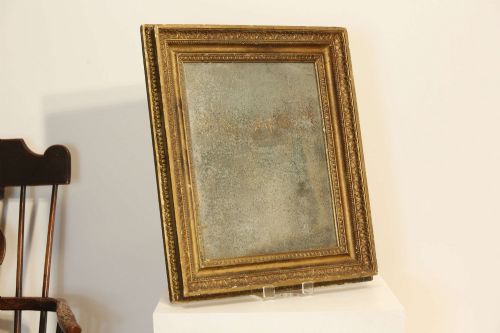
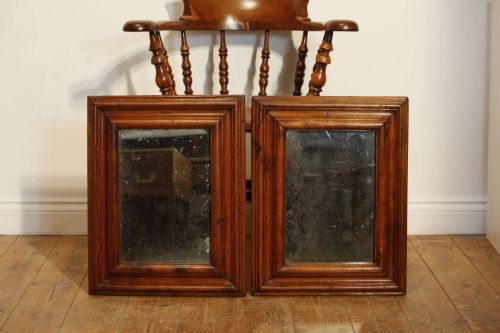
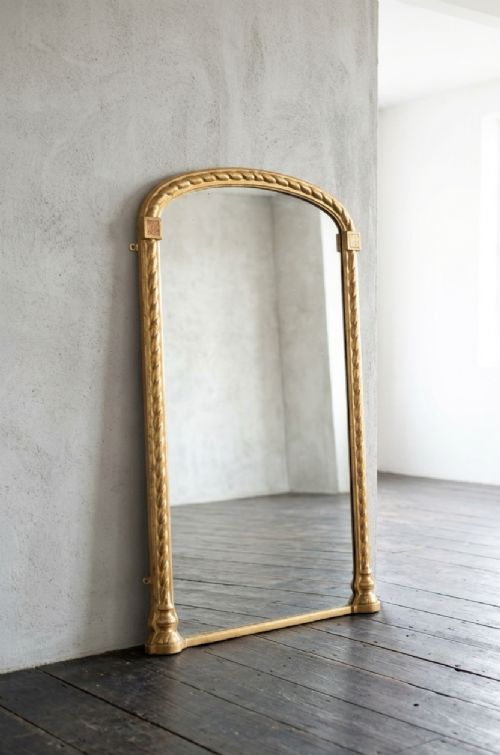
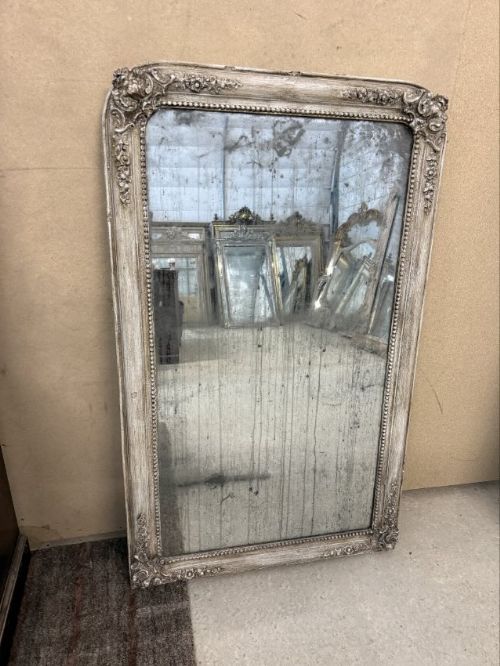
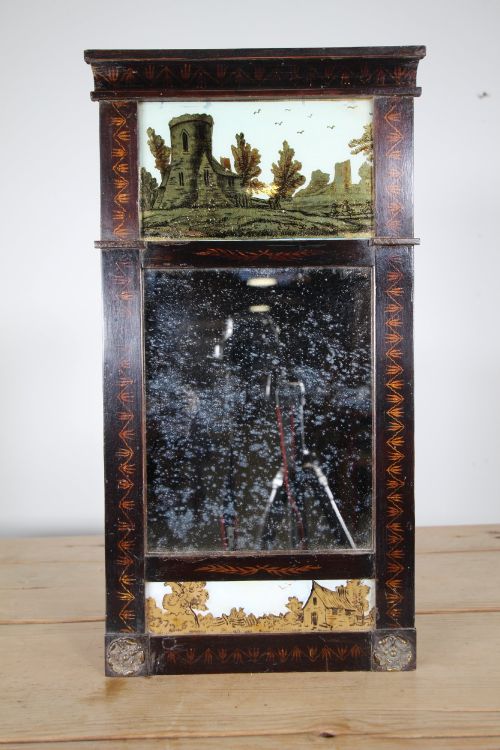
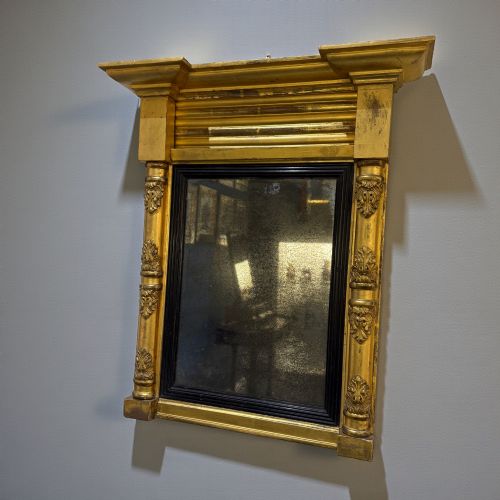
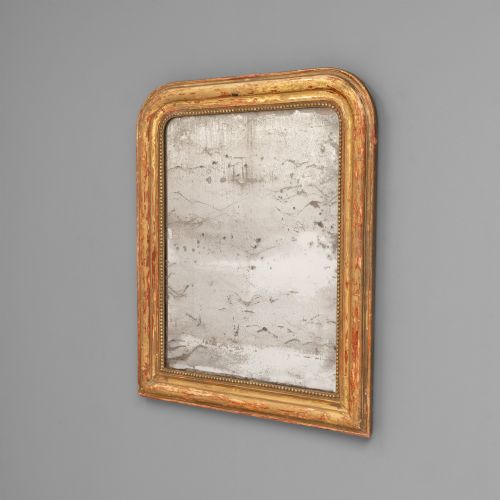
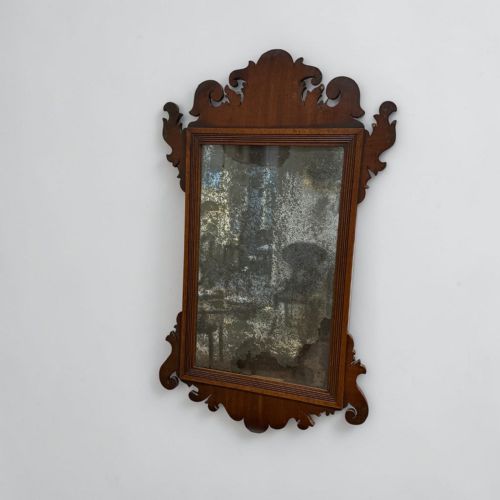
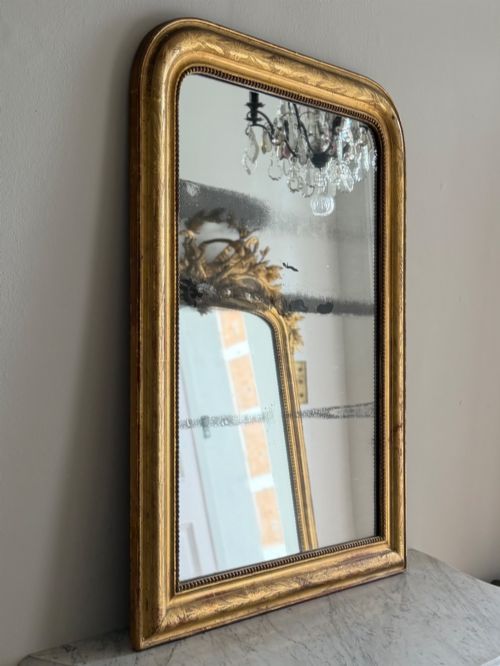
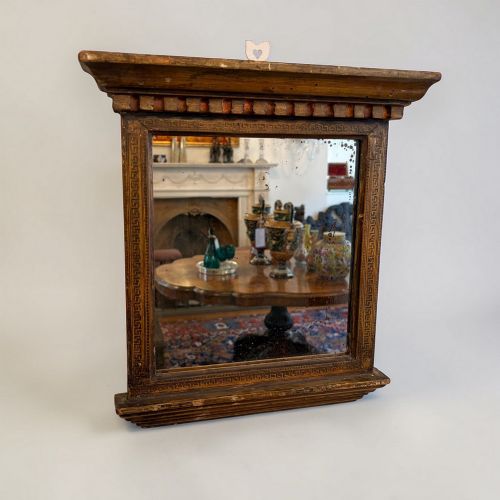
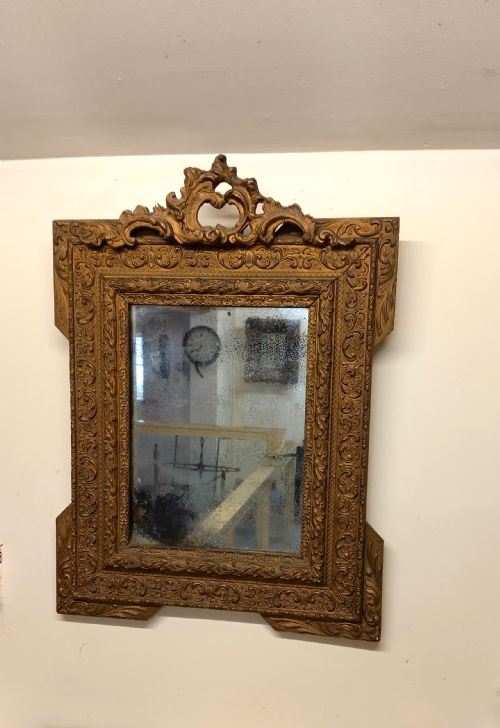
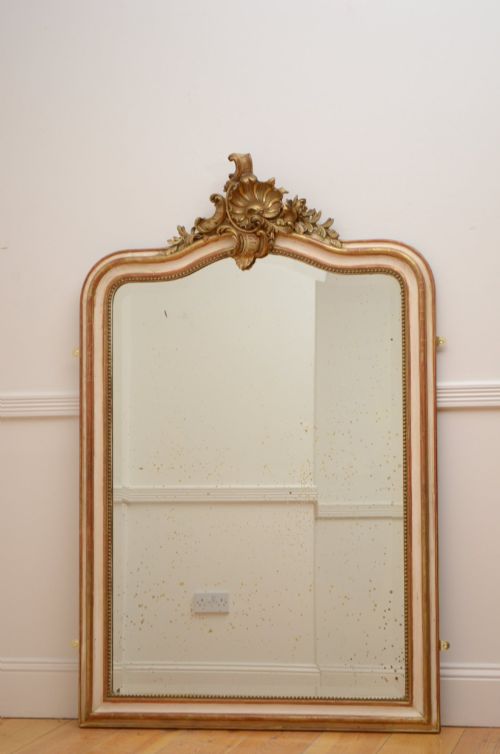
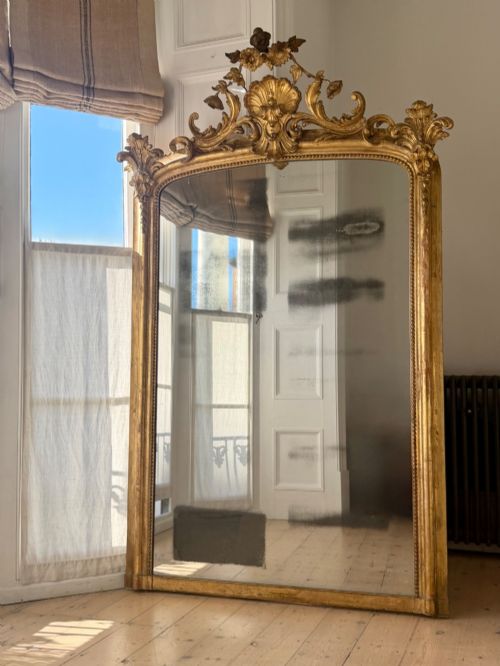
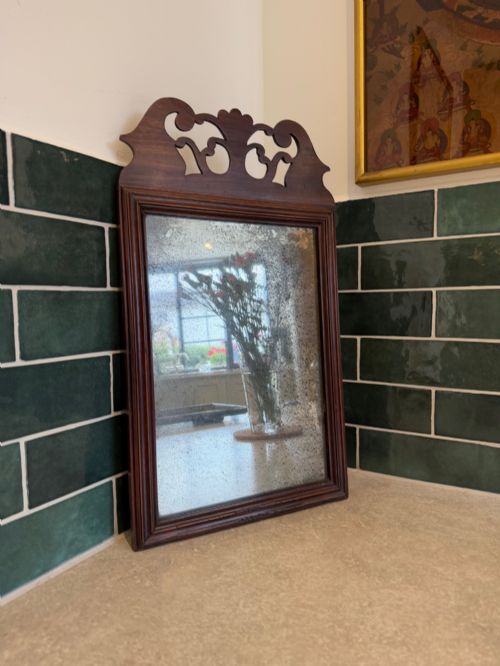
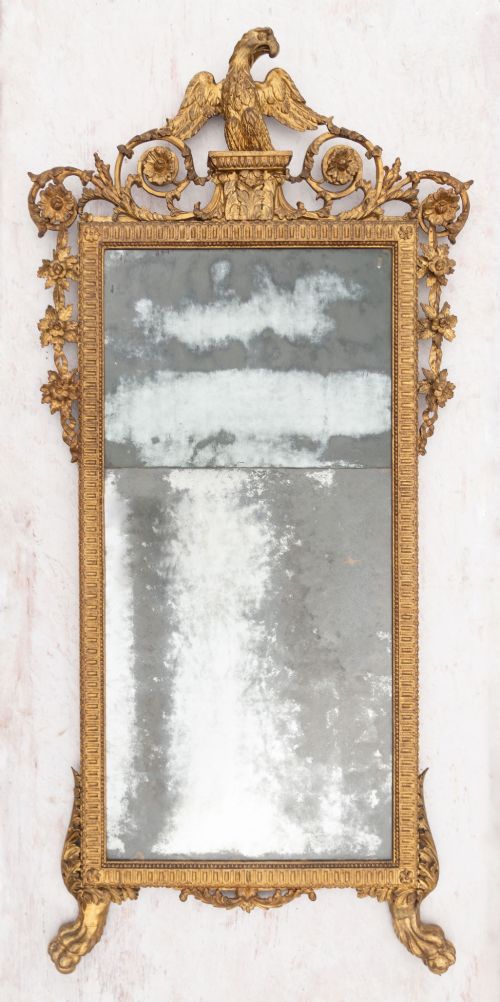
An antique mirror with foxed glass is a decorative looking glass showing the characteristic dark spots, clouding, and mottled deterioration of its silvered backing over time. These pieces range from grand architectural overmantels to smaller wall-hanging and hand-held formats.
The examples available here stretch across the eighteenth, nineteenth, and early twentieth centuries. You will find French Napoleon, Regency, Victorian, and bistro styles among the current selection.
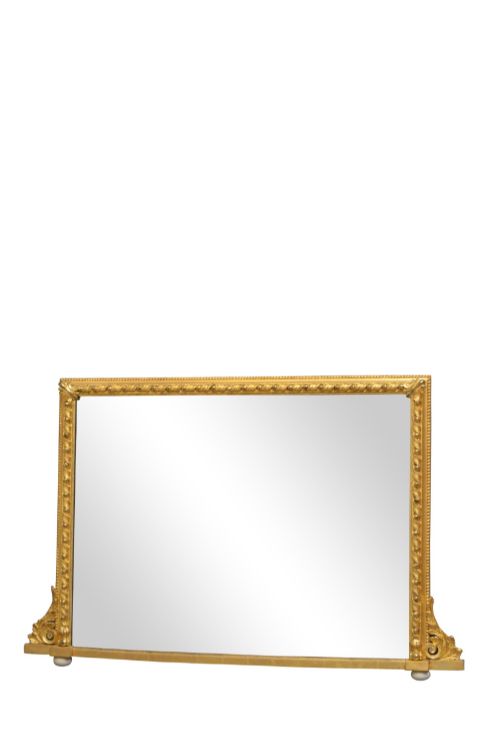
Forms include wall mirrors, overmantel mirrors, pier mirrors, and hand mirrors, alongside occasional decorative advertising boards incorporating aged glass plates. Each object displays the distinct optical character of its original period silvering.
How they were made
The construction of these pieces relies on traditional framing materials such as giltwood, gesso, composition, brass, and timber. Carved wooden frames receive gold leaf or oil gilt finishes, while metal frames utilise brass construction.
Early plates are made using original mercury or silvering techniques applied to glass sheets. Over decades and centuries, exposure to atmospheric conditions alters the backing behind the glass, creating the foxed effect naturally.
Antique Mirror with Foxed Glass Retail Price Guide 2026
Typical asking prices for mirror with foxed glass among the pieces listed under this phrase on Sellingantiques today, from the lower quarter to the upper quarter. They describe what is for sale here now, not the wider market.
Some nineteenth-century mirrors spent their days reflecting French bistro patrons before retiring to quiet living rooms.
What varies in quality
Quality rests in the harmony between the frame's hand-carved detail and the authentic age of the glass plate. Elaborate mythological or floral carvings on French Napoleon and Regency giltwood frames elevate a piece above simpler utilitarian forms.
The integrity of the frame construction and the depth of the original gilding distinguish finer examples. The distribution and density of the foxing on the glass plate contribute significantly to the visual character of the mirror.
The Antique Mirror with Foxed Glass Glossary
- Foxed glass
- Mirror plate showing dark spots, clouding, and mottled deterioration caused by the breakdown of the silvering behind the glass over time.
- Giltwood
- Timber carved and coated with a thin layer of gold leaf or gold paint, frequently seen on Regency and Victorian frames.
- Overmantel mirror
- A large horizontal mirror designed specifically to hang on the wall directly above a fireplace mantel.
- Mercury plate
- An early type of mirror glass manufactured using a tin and mercury amalgam before the invention of modern silvering processes.
- Gesso
- A plaster-like mixture applied to wooden frames to provide a smooth base for subsequent gilding and decorative carving.
Antique Mirror with Foxed Glass: Frequently Asked Questions
Why does antique mirror glass develop dark spots?
The dark spots, known as foxing, occur when moisture and air seep behind the glass over decades and react with the silvering or mercury backing.
This chemical breakdown creates the mottled patterns and clouding that collectors prize for their atmospheric and authentic appearance.
How do I hang a heavy overmantel mirror?
Heavy overmantel mirrors require secure fixing directly into wall studs or masonry using appropriate brackets suited to the weight of the timber and glass.
Professional installation is recommended due to the substantial combined weight of the wood, gesso, and thick antique glass plate.
Are foxed glass mirrors still useful for reflection?
While the foxing creates dimming and distortion, they function adequately for general room reflection while serving primarily as decorative wall art.
The aged plate softens the reflected light, casting a warm and ambient glow across a room rather than a crisp image.
How do I clean an antique mirror safely?
Clean the glass gently using a soft, dry microfibre cloth to remove dust without disturbing the delicate surface of the plate.
Avoid liquid glass cleaners and harsh chemicals, as moisture can seep behind the frame and accelerate further deterioration of the foxing.